

Why We Burn Firewood
There's something deeply satisfying about firing up a wood stove as the seasons change. Wranglerstar recently released a short clip that perfectly captures the feeling many of us experience when we embrace the tradition of burning firewood. It's more than just a heat source—it's a connection to a simpler, more natural way of living and a ritual we look forward to each year.
In this video, Wranglerstar explores the reasons why burning firewood remains such a cherished practice for homeowners and families across the country, including here in Connecticut where the anticipation for the upcoming season is already building.
Watch the Video
Frequently Asked Questions
Why do people burn firewood?
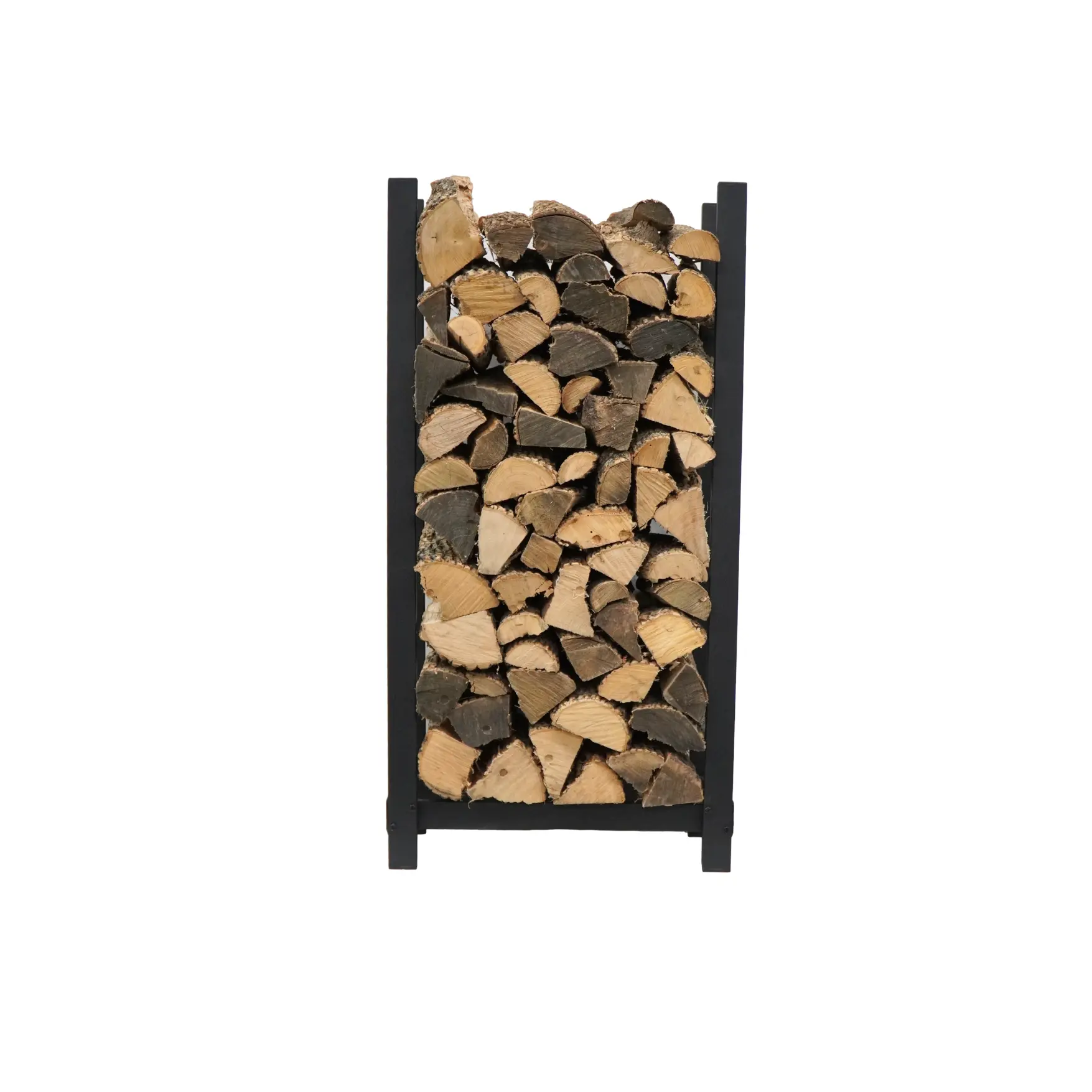
People burn firewood for the warmth, ambiance, and the nostalgic feeling it brings. It's a time-honored tradition that connects us to nature and provides a sense of comfort and security, especially as colder months approach. Good firewood and seasoned firewood also make the experience more efficient and reliable.
What makes burning firewood special?
Burning wood offers more than just heating—it creates an experience. The ritual of preparing wood, tending the fire, and gathering around the warmth builds anticipation and brings families together in a way that modern heating systems often cannot.
Is burning firewood still relevant today?
Yes. Many homeowners continue to embrace wood burning as a primary or supplemental heat source, valuing both its practical benefits and the emotional connection it provides to seasonal living. For many, a wood burning stove remains a dependable way to heat your home.
When is firewood season?
Firewood season typically begins in fall and extends through winter, though preparation often starts earlier in the year. The exact timing depends on your location and climate, and some people even cut your own firewood ahead of time so it is ready when the cold arrives.
What type of wood is best for burning firewood?
The best type of wood is usually dense hardwood that has been properly seasoned. Dry, seasoned firewood burns longer, produces more heat, and is cleaner than green wood, which makes it a better choice for most wood burning setups.
Can wood smoke cause bronchitis?
Wood smoke can irritate the lungs and airways, especially with frequent exposure. If you use a wood stove or burn wood often, good ventilation and dry, seasoned firewood can help reduce smoke and improve indoor and outdoor air quality.
How many logs should I burn a day?
How many logs you burn a day depends on your stove, the size of your home, and the weather. Start with a modest fire and add logs as needed to maintain a steady, comfortable heat source without overheating the room.