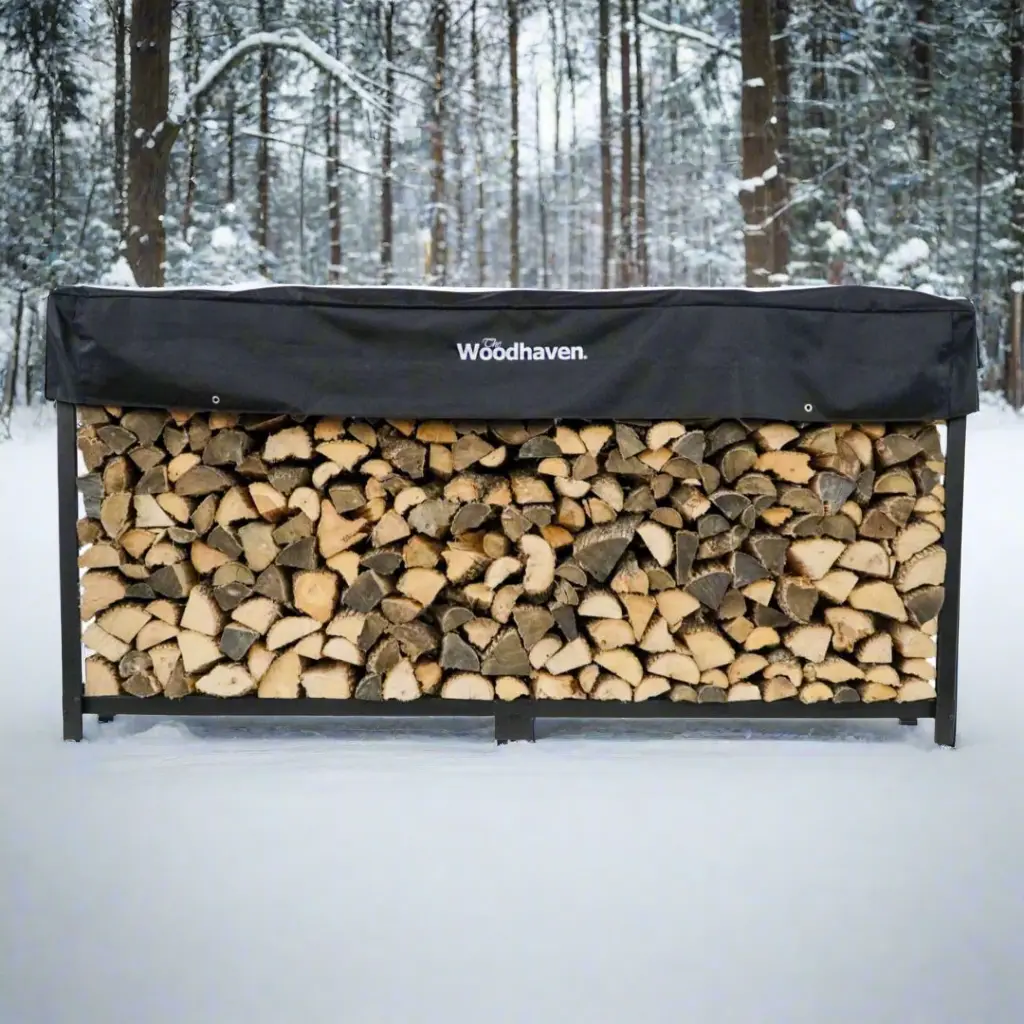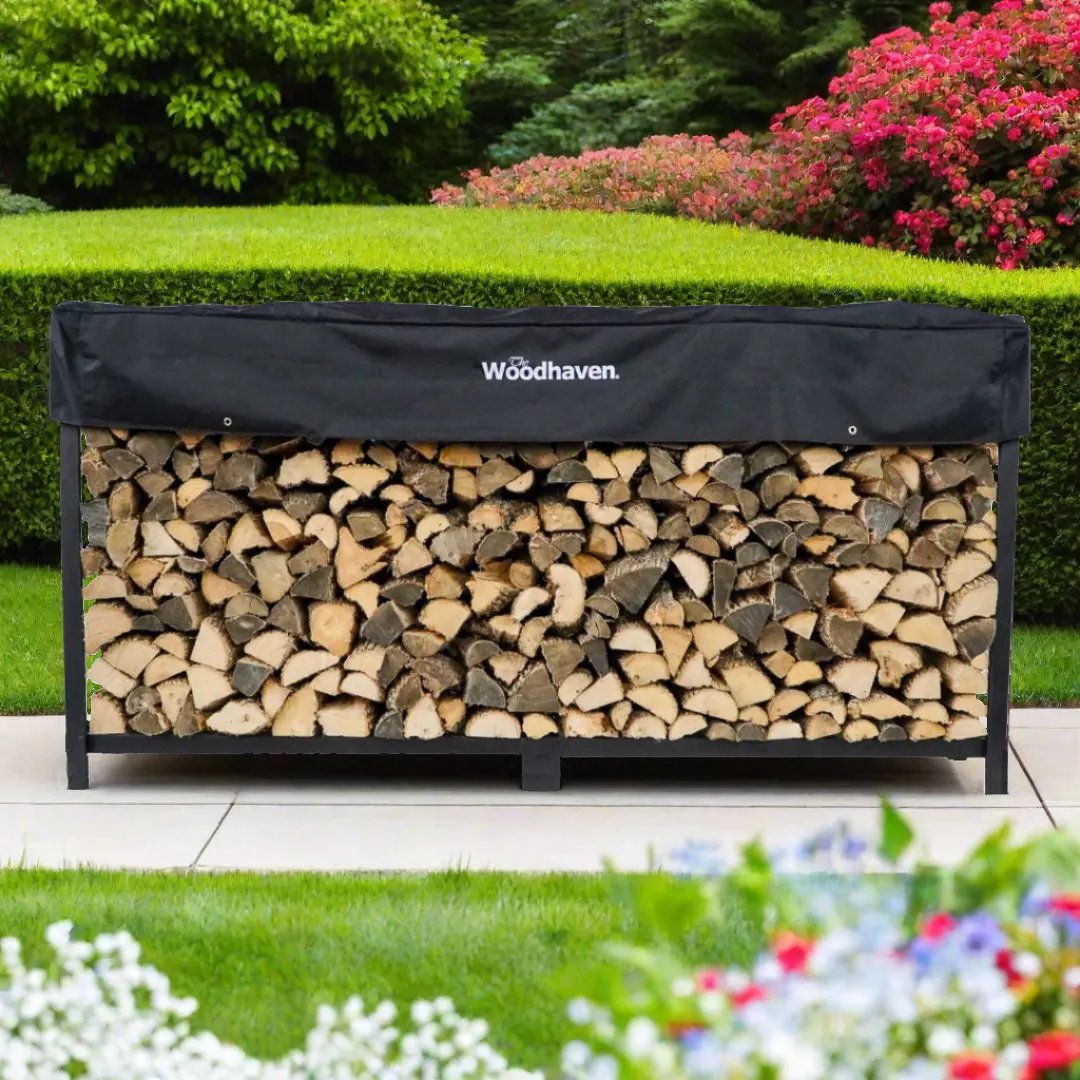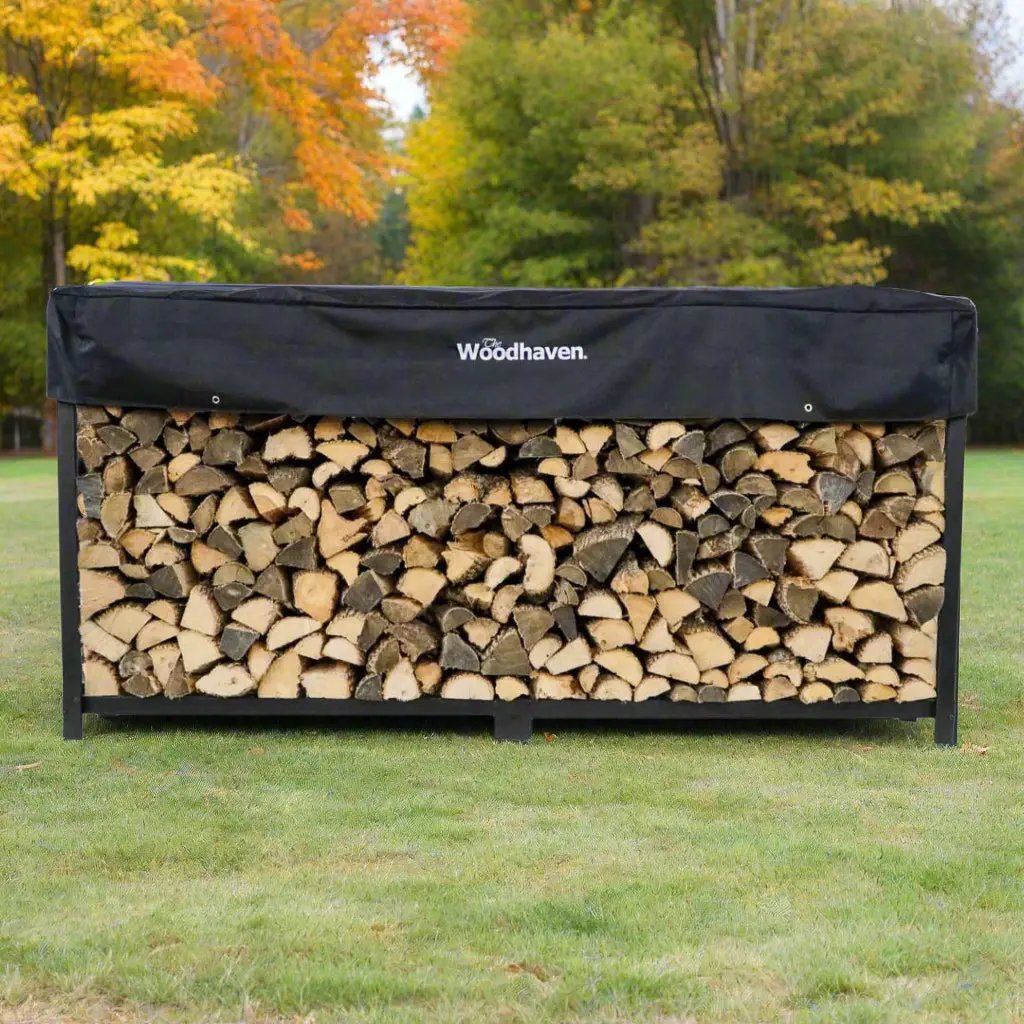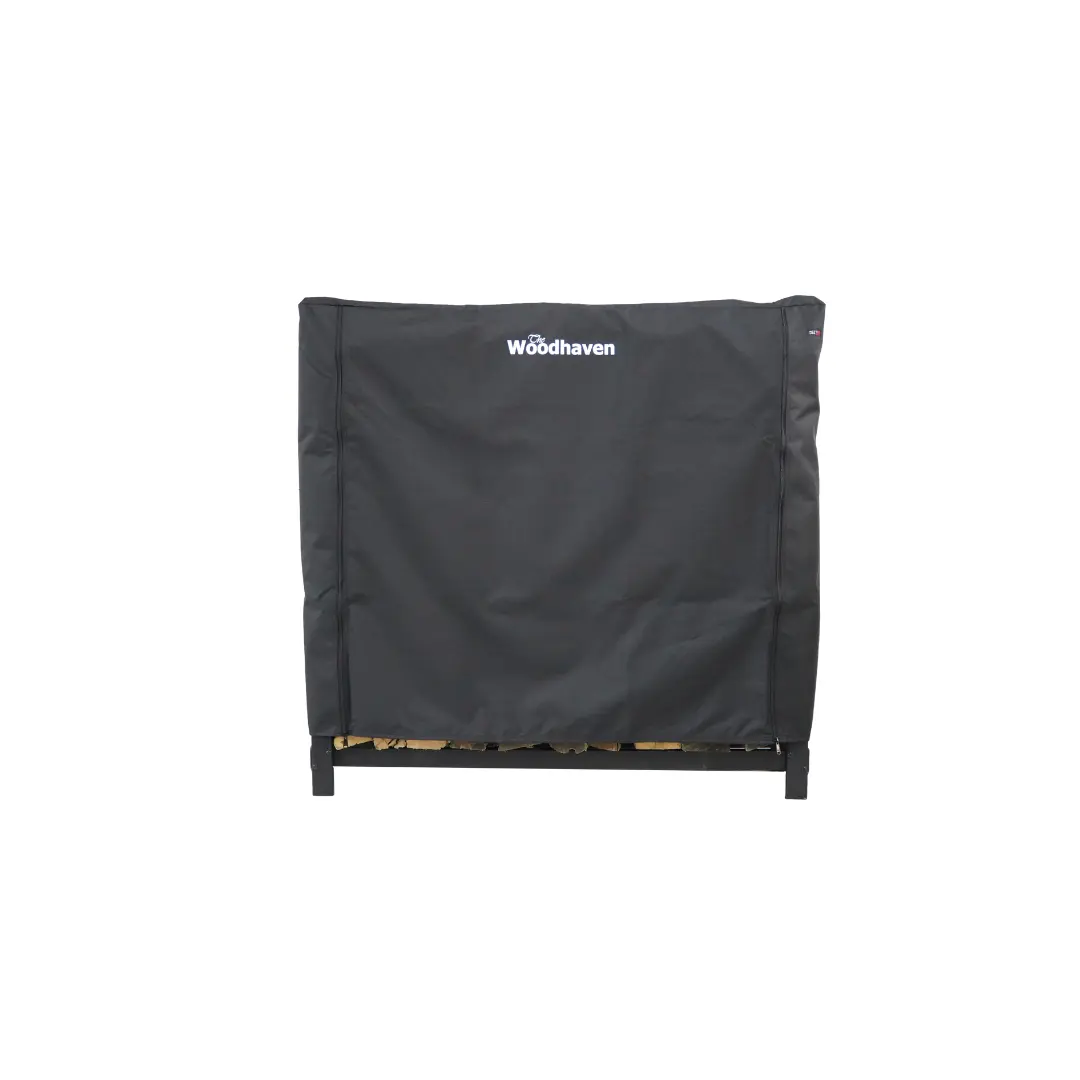


How to Build a Cordwood Cover Wood Stack: Cordwood Cover Instructions for Keeping Firewood Dry
If you are building a cordwood house, cordwood home, or any cordwood construction project, keeping firewood dry and stable matters. This guide shows cordwood cover instructions for how to build a Cordwood Cover wood stack so your pile stays neat, protected, and easy to access through the season.
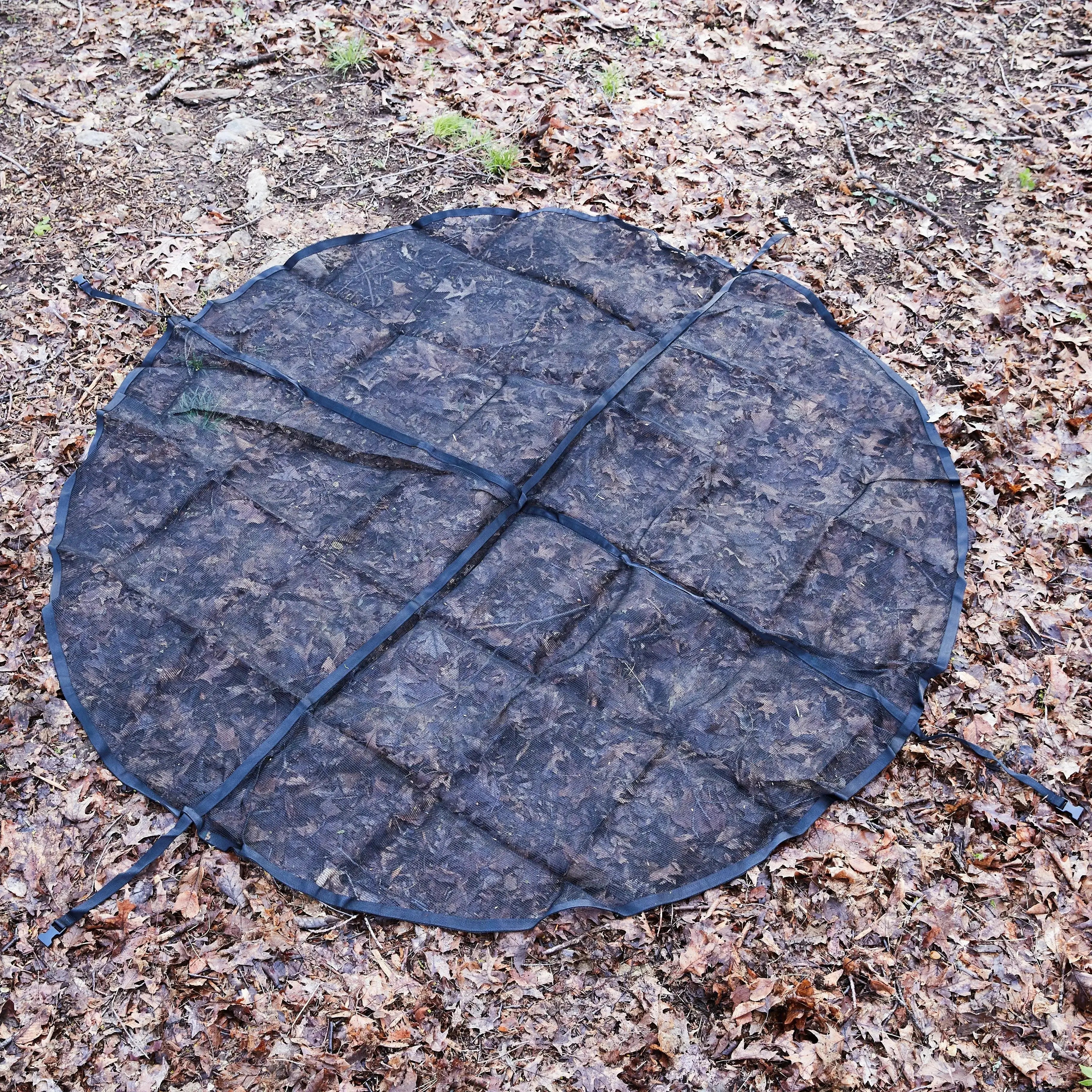
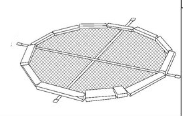
1. Lay out the mesh base on the ground.
The ground should be relatively flat and firm so the firewood stays off the ground.
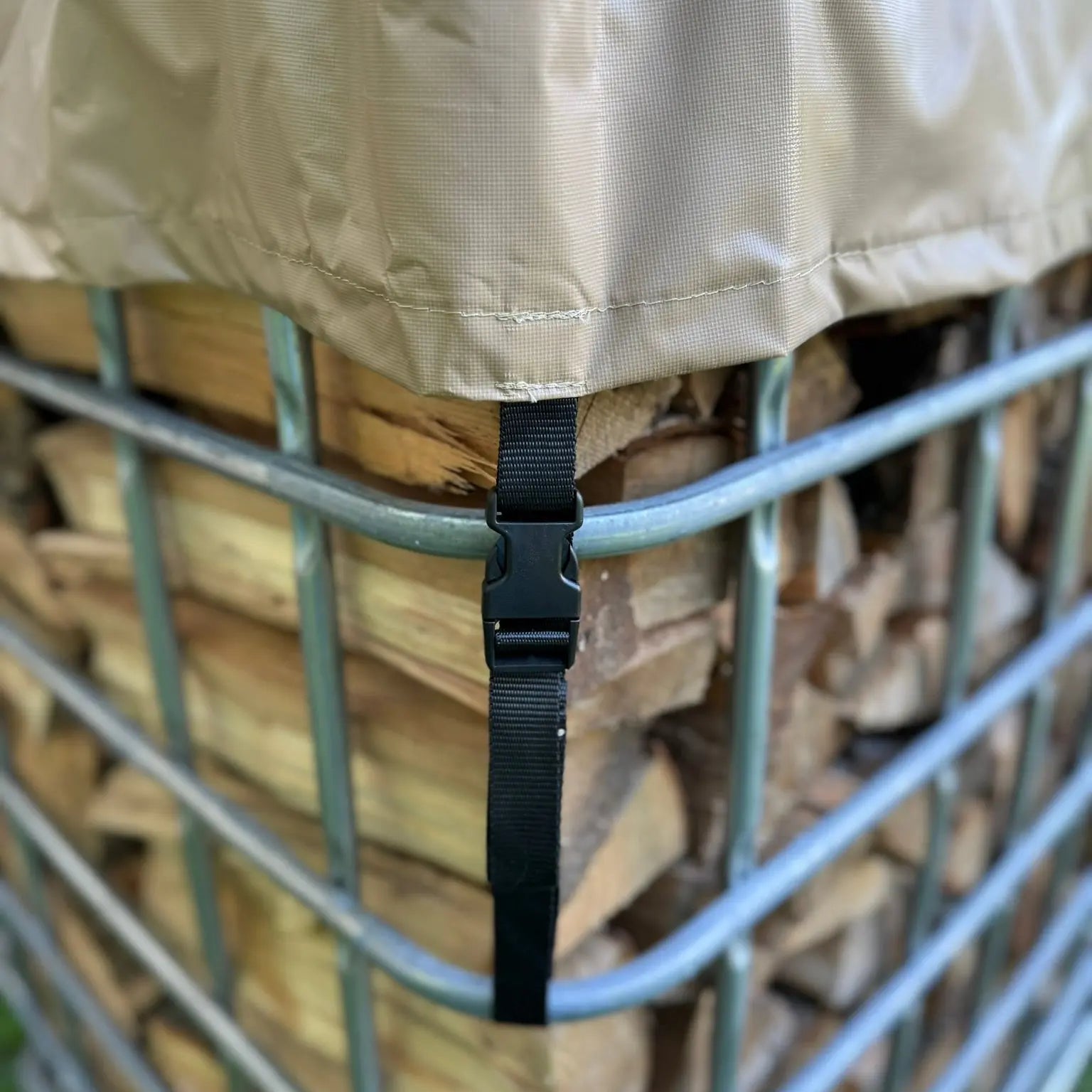
2. Four straps must extend outwards from the circular base as shown.
WARNING If you miss this step, you will not be able to fasten down your cover when you are finished stacking your firewood!
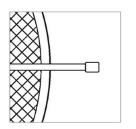
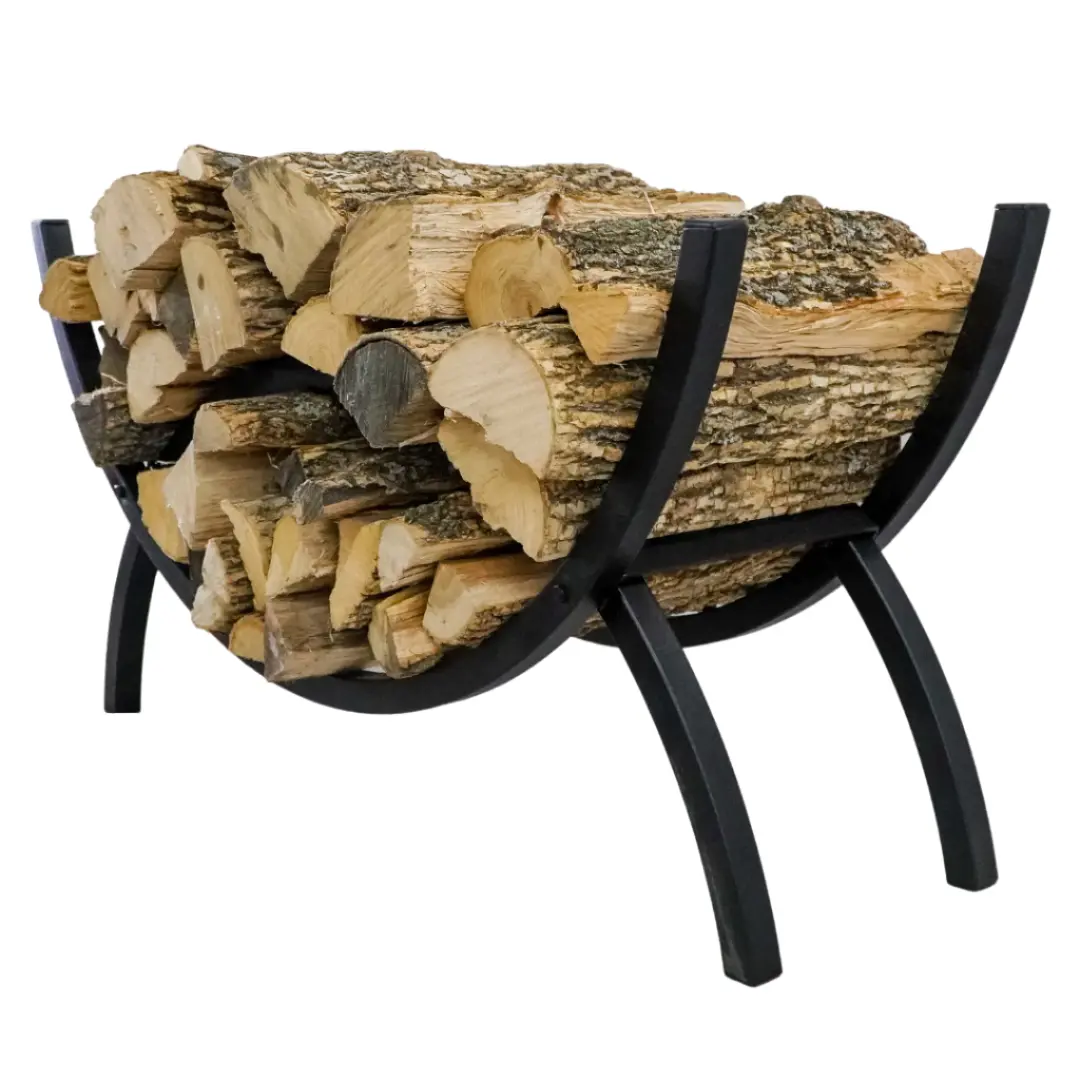
3. Begin stacking wood around the perimeter of the mesh base as shown.
Use logs that have a flat side on them for this first circle around the perimeter. Place flat side down.
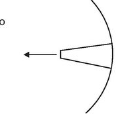
4. Once your perimeter is finished, start laying your logs resting on the perimeter logs and pointing toward the center of the circle.
Keep laying logs around the perimeter in this way.

5. If you have tapered logs, try to place the narrow end toward the center.
This will help you build a stable pile that is compact and sturdy.
6. If your logs are starting to tip outward, you may find it helpful to lay another log near the outside.
Make them perpendicular to the other logs (as you did to start the pile). This will allow you to tip them toward the center and stabilize your pile.
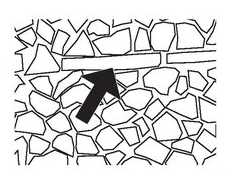
7. Odd size of logs
(small scraps for kindling, weird shaped pieces with knots and chunks) can be thrown inside the perimeter. Anything that is hard to stack in a conventional woodpile is great to throw on the inside of the pile.
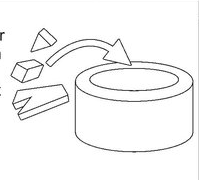
8. Keep stacking your pile to the desired height.
Be careful to make sure the pile is vertical and not tipping outward. If it is tipping outward, the pile may be unstable and the cover may not fit.
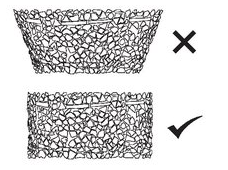
9. Start to make the center higher.
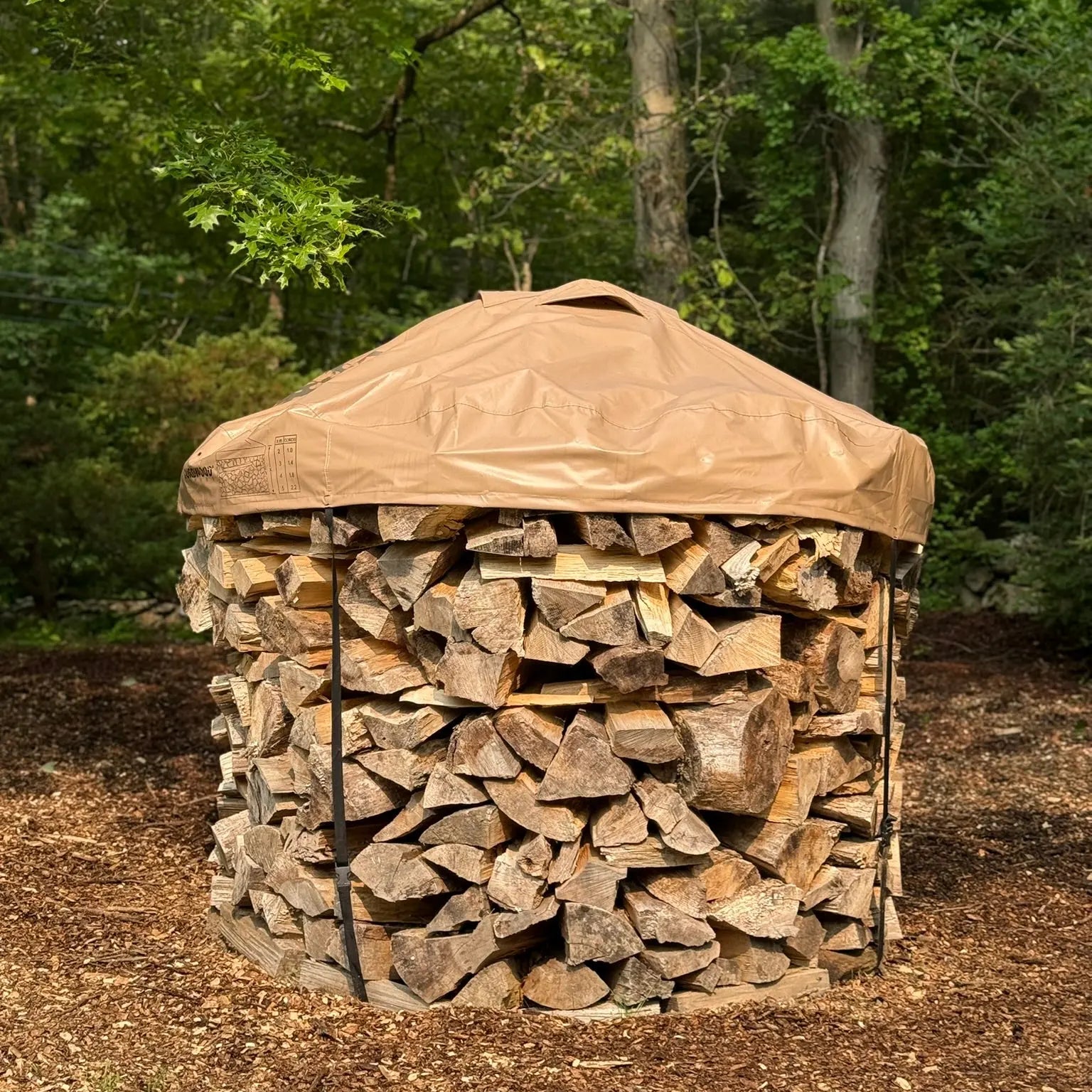
When you get to your desired height, start to make the center of the pile higher to give it a "roof pitch." It will be about 1.5ft higher than the edge of the pile. This helps keep your firewood dry and sheds rain and snow.
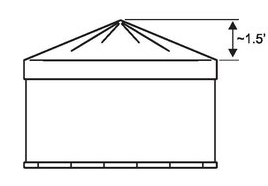
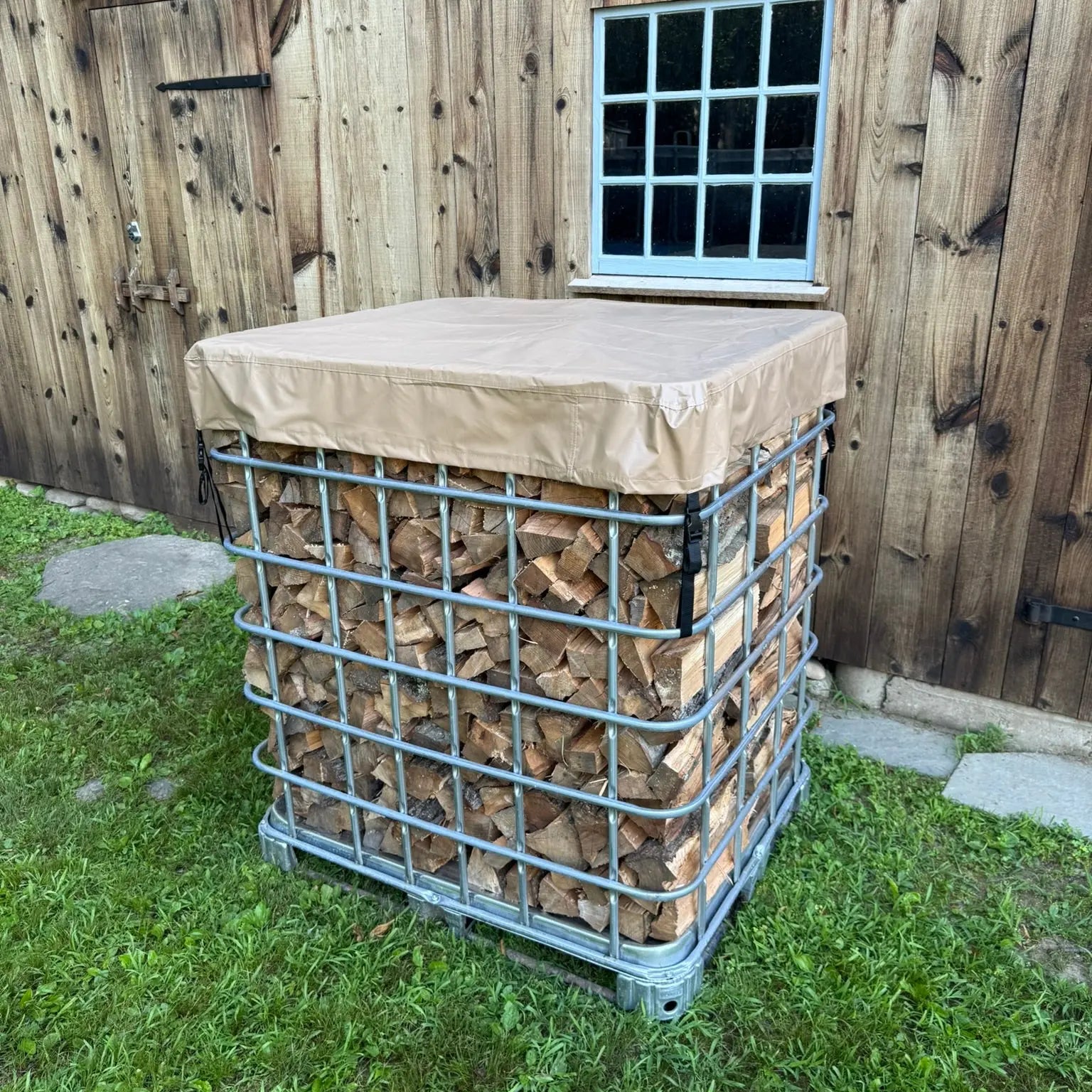
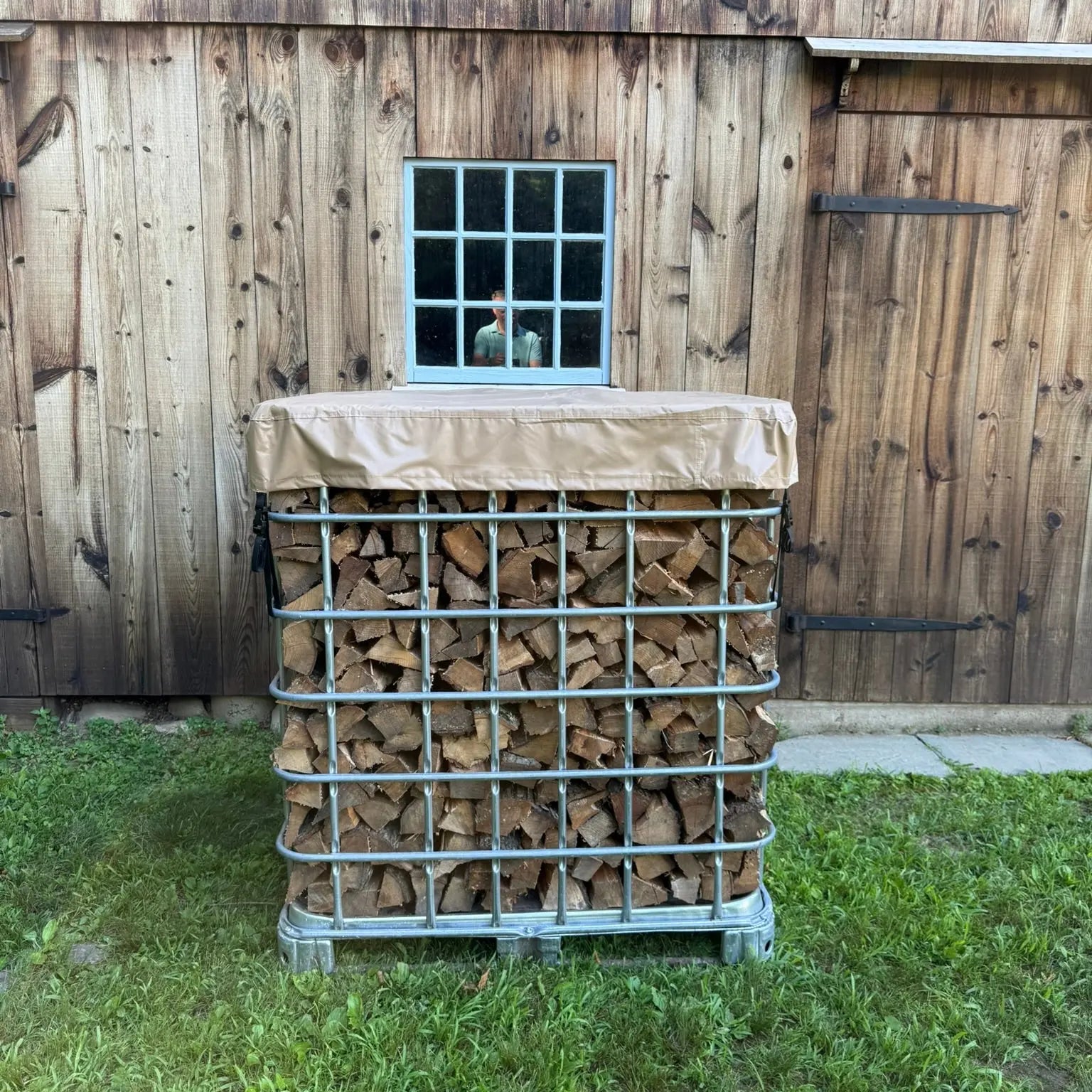
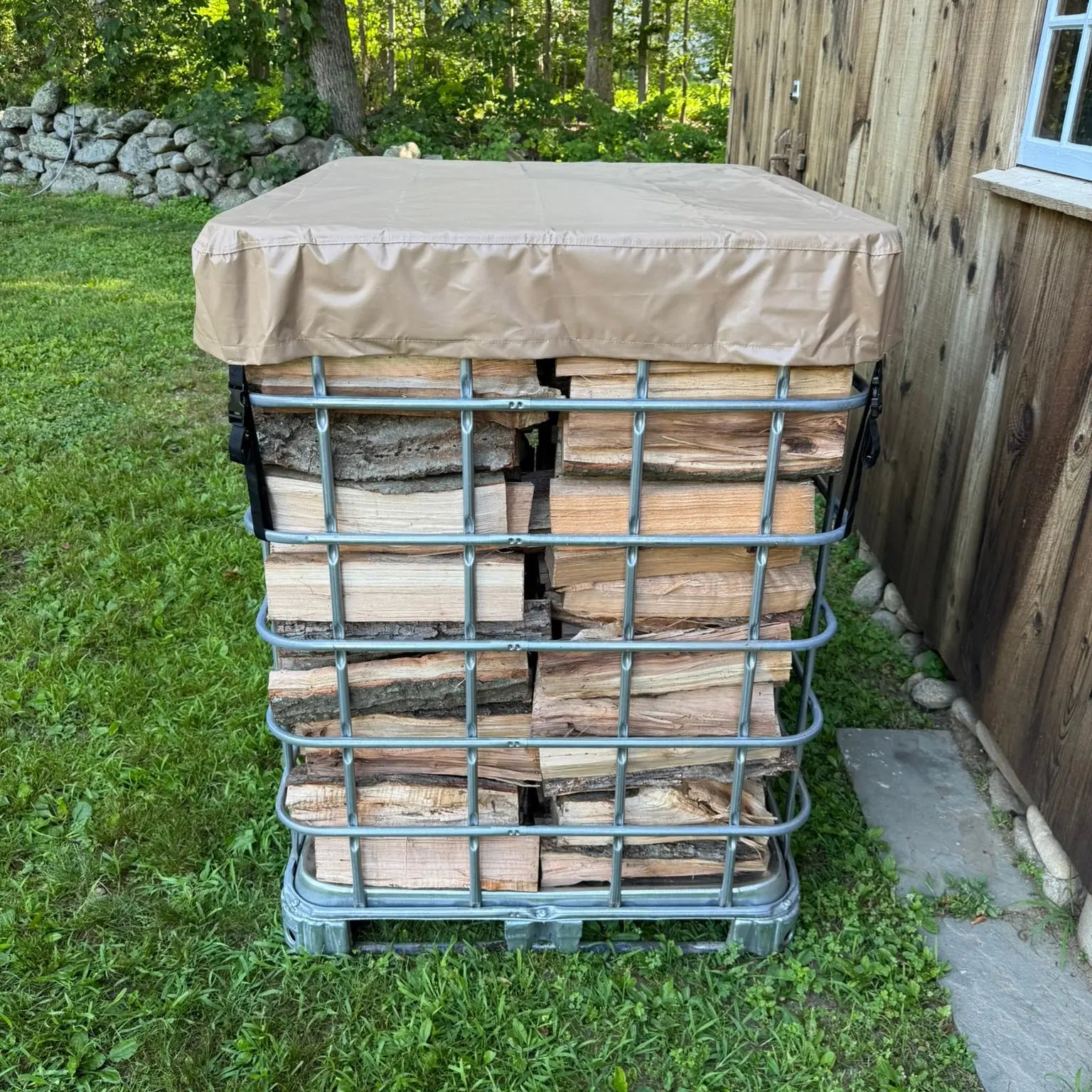
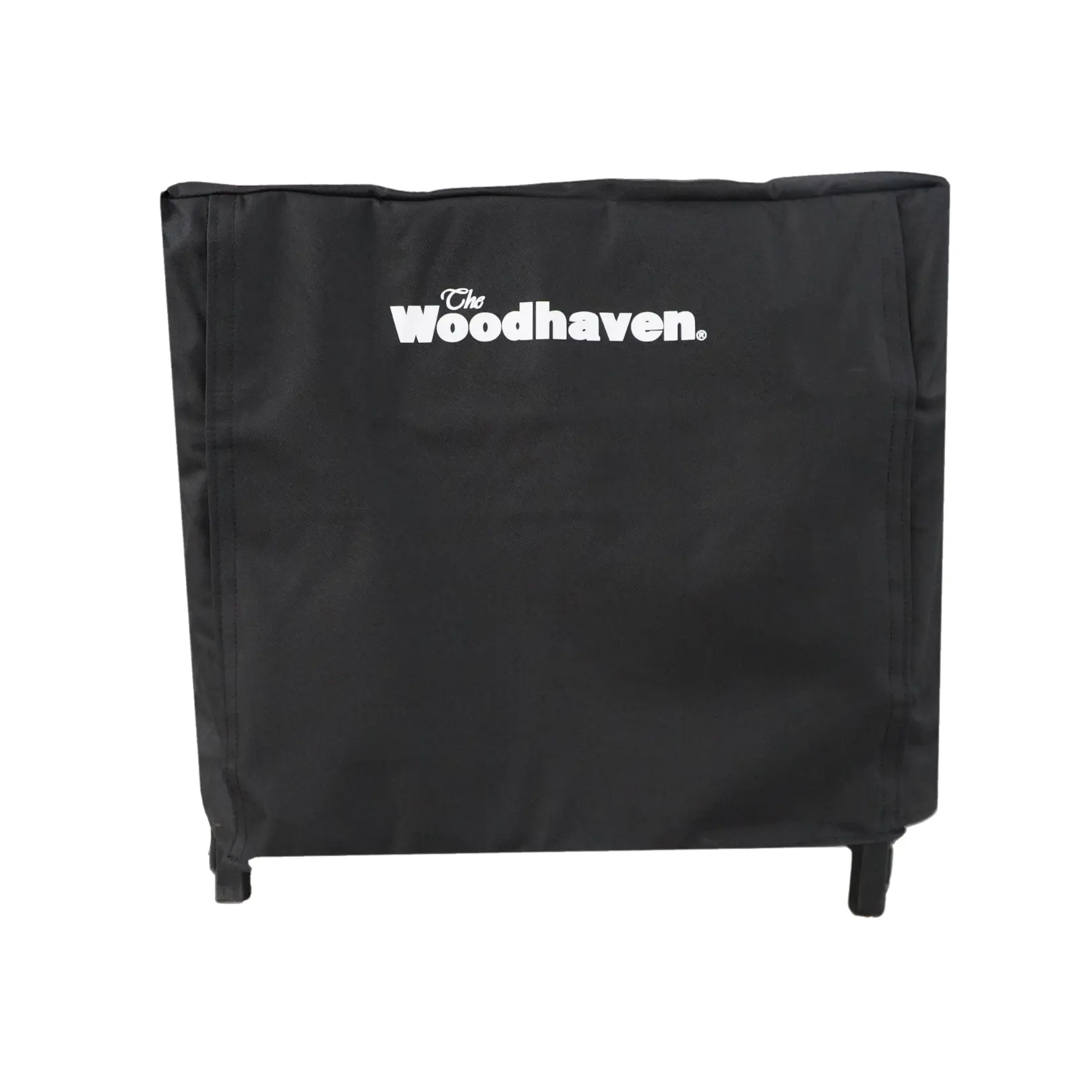
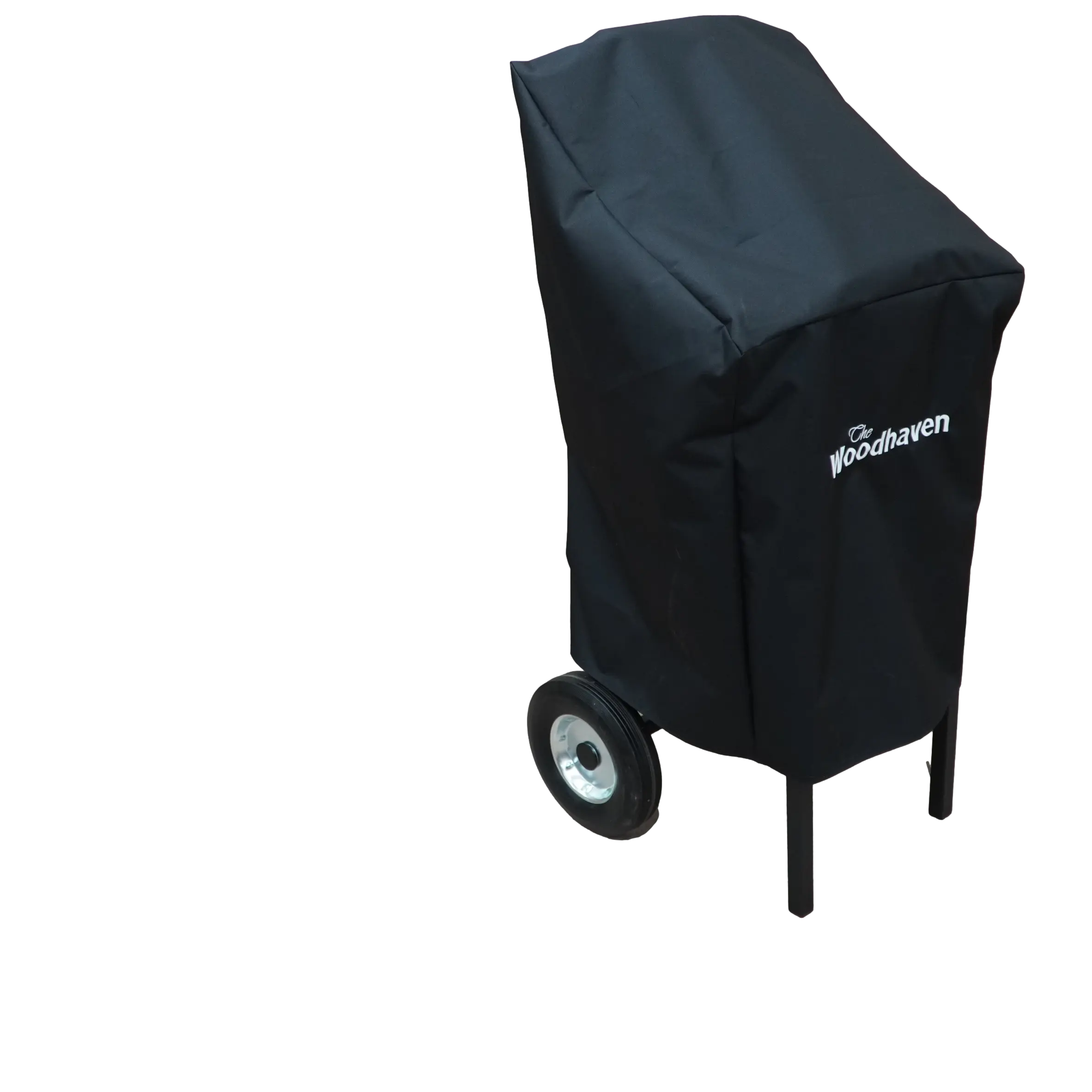
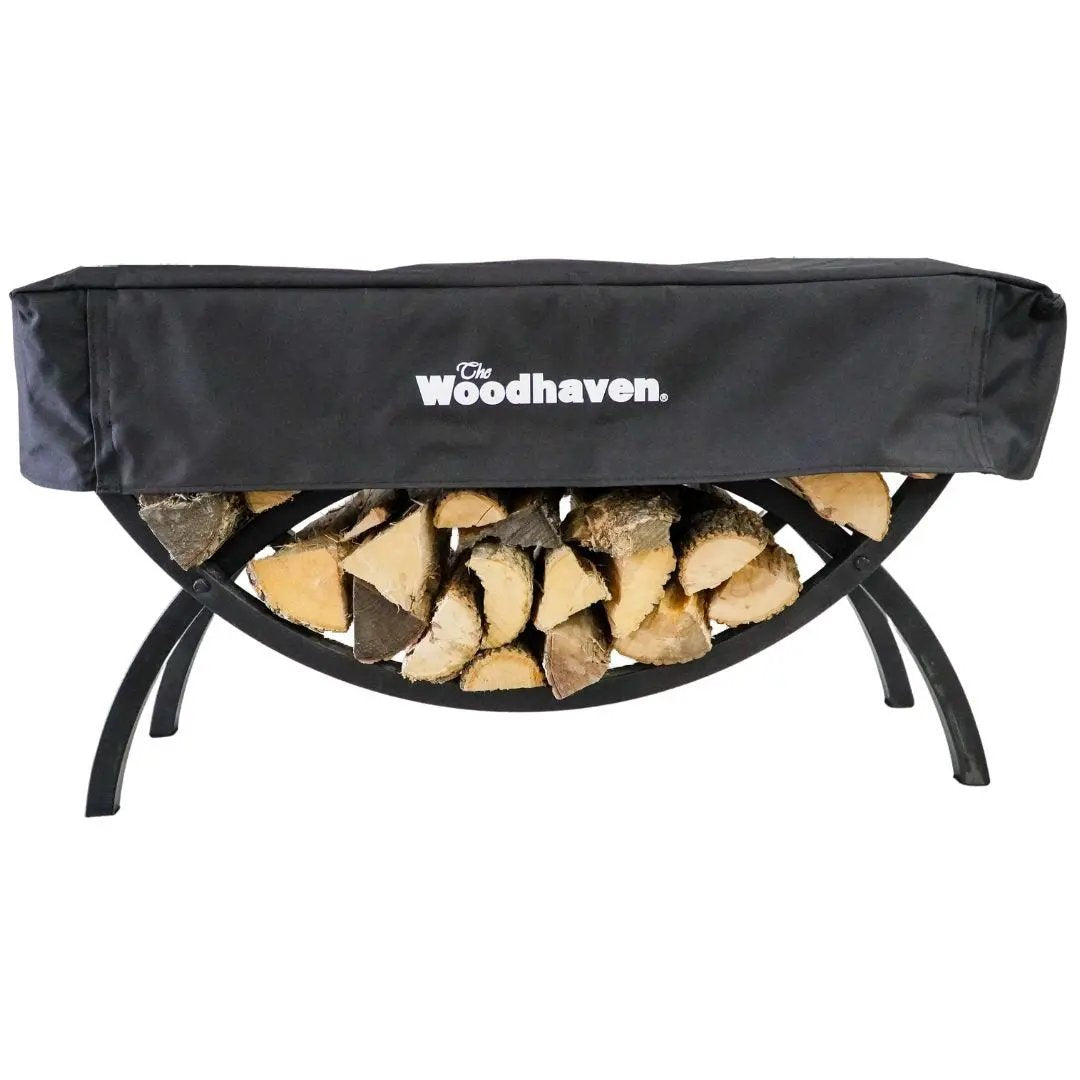
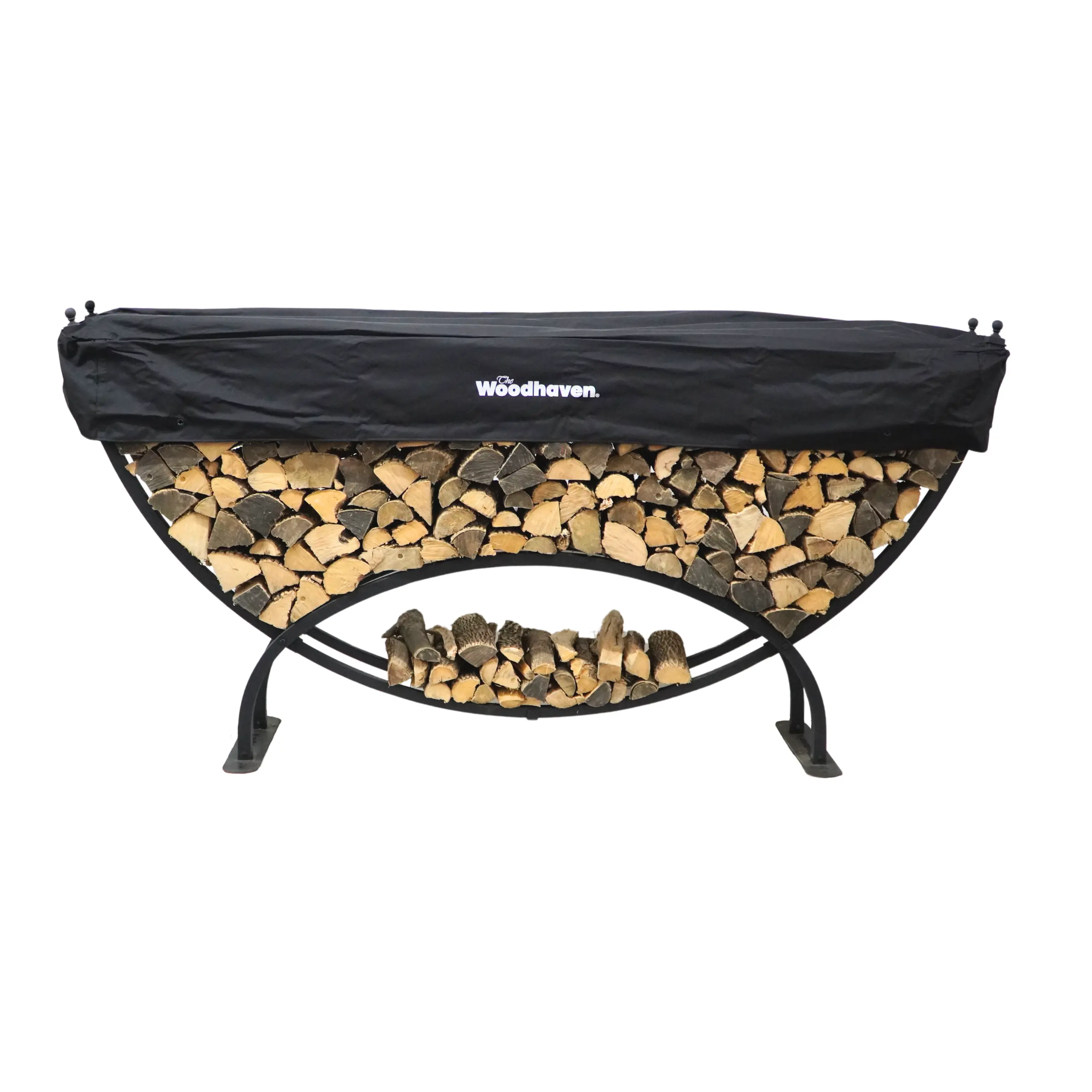
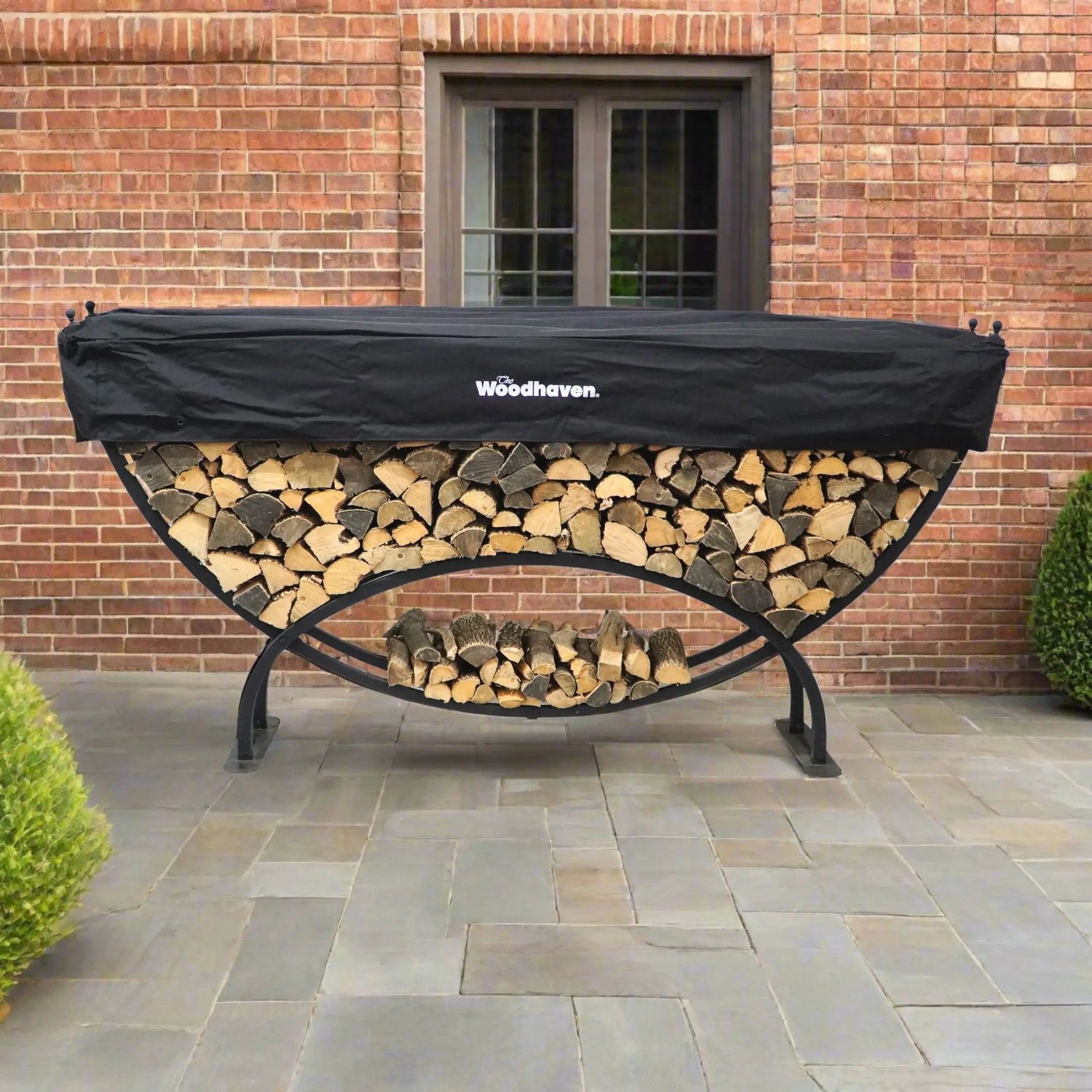
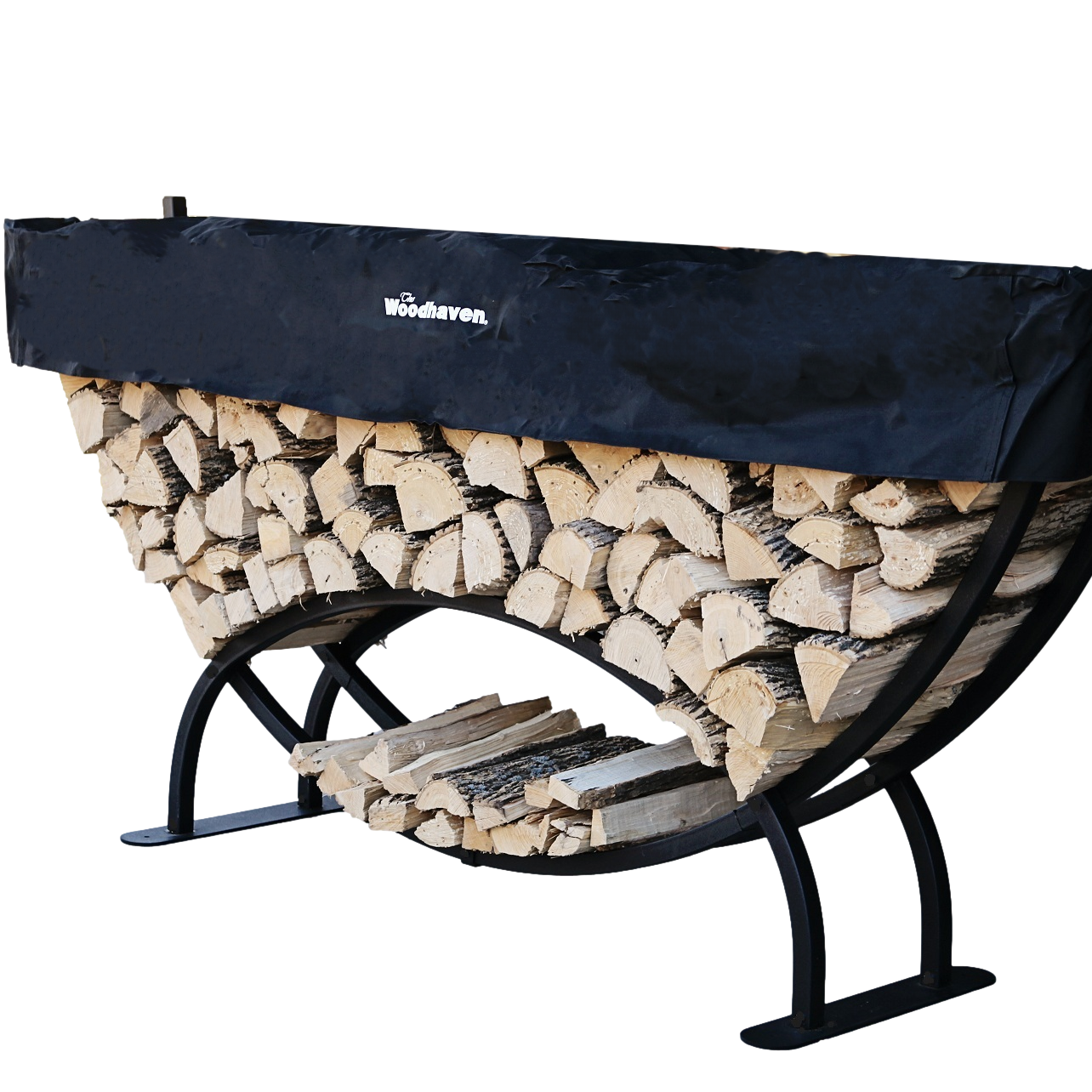
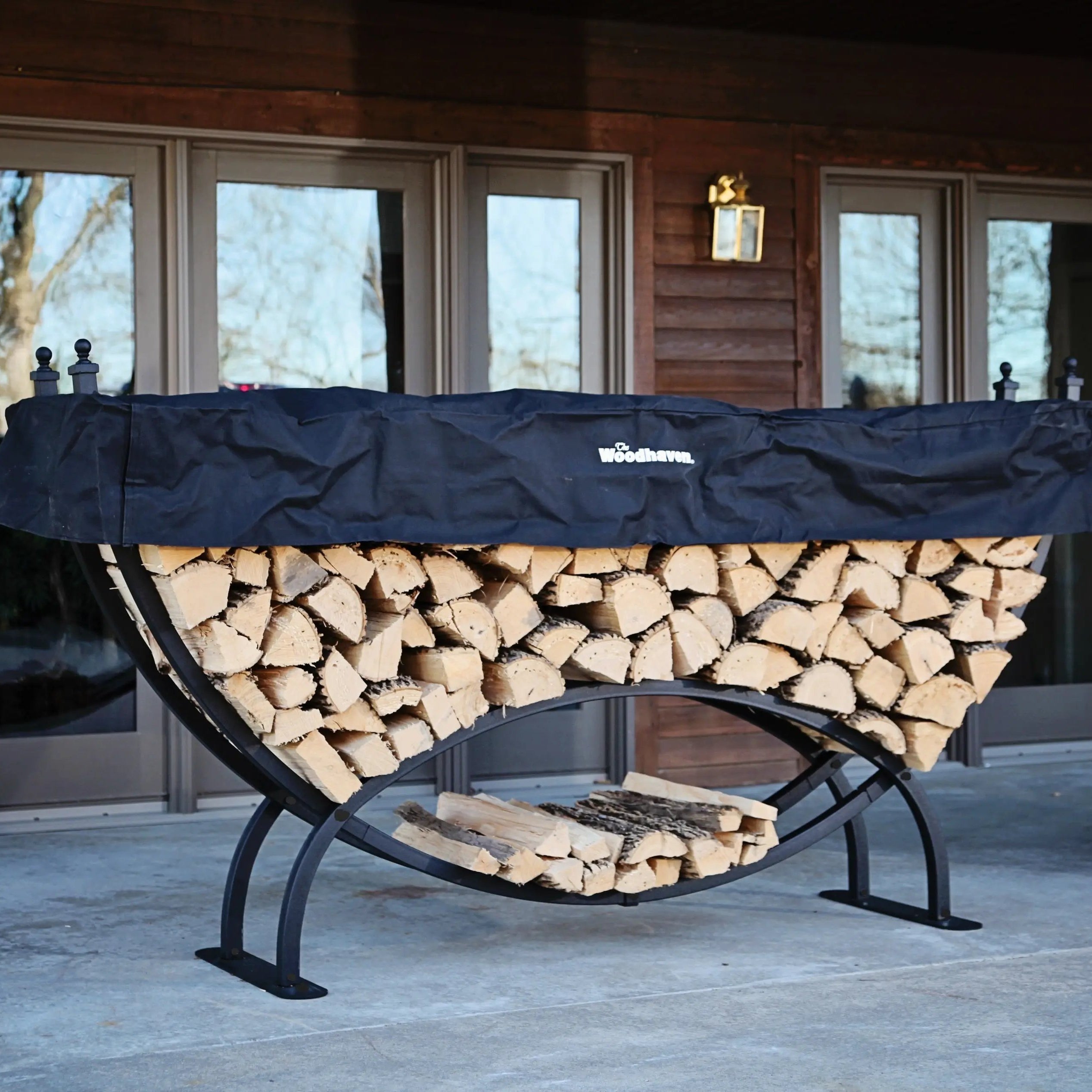
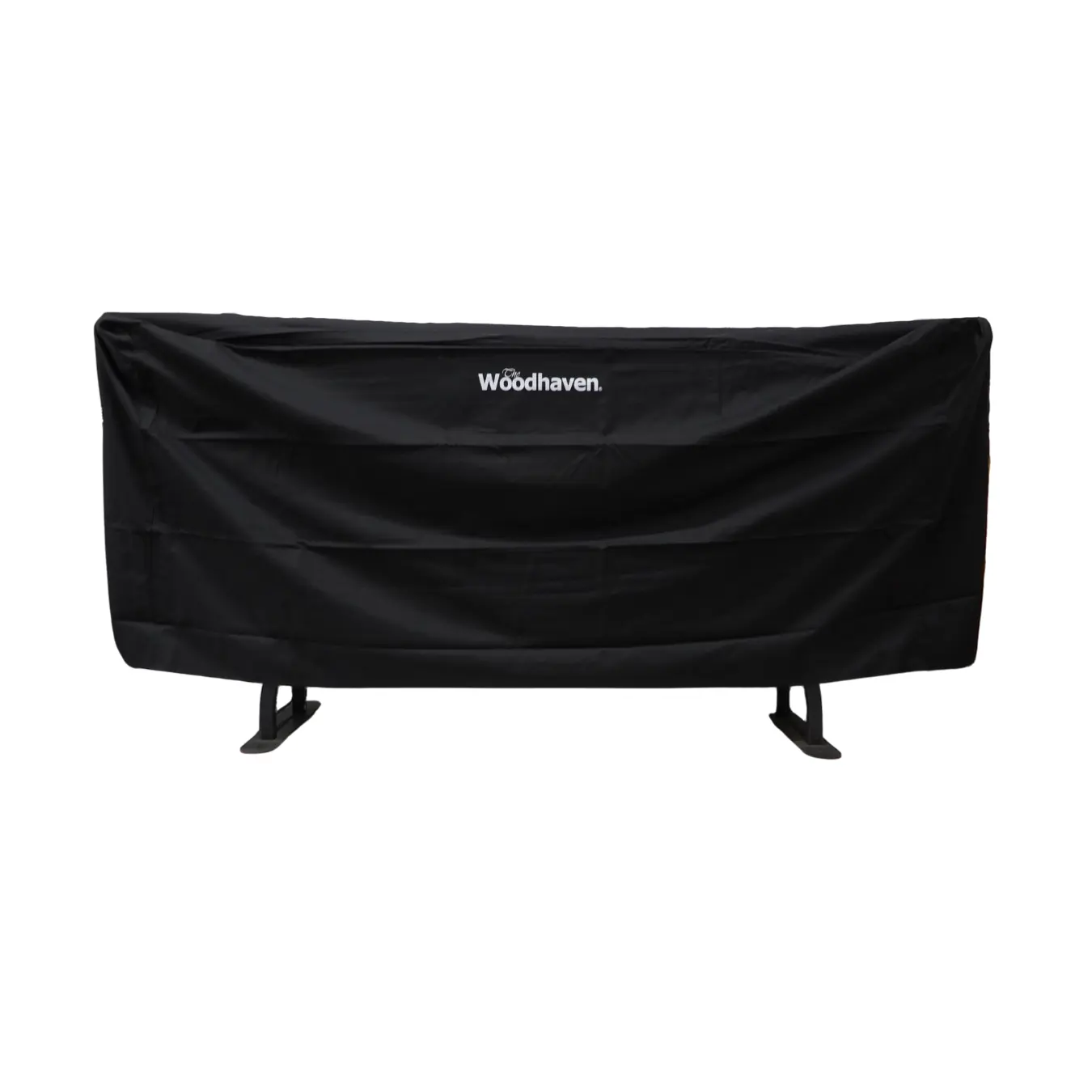
10. Place the cover on the pile.
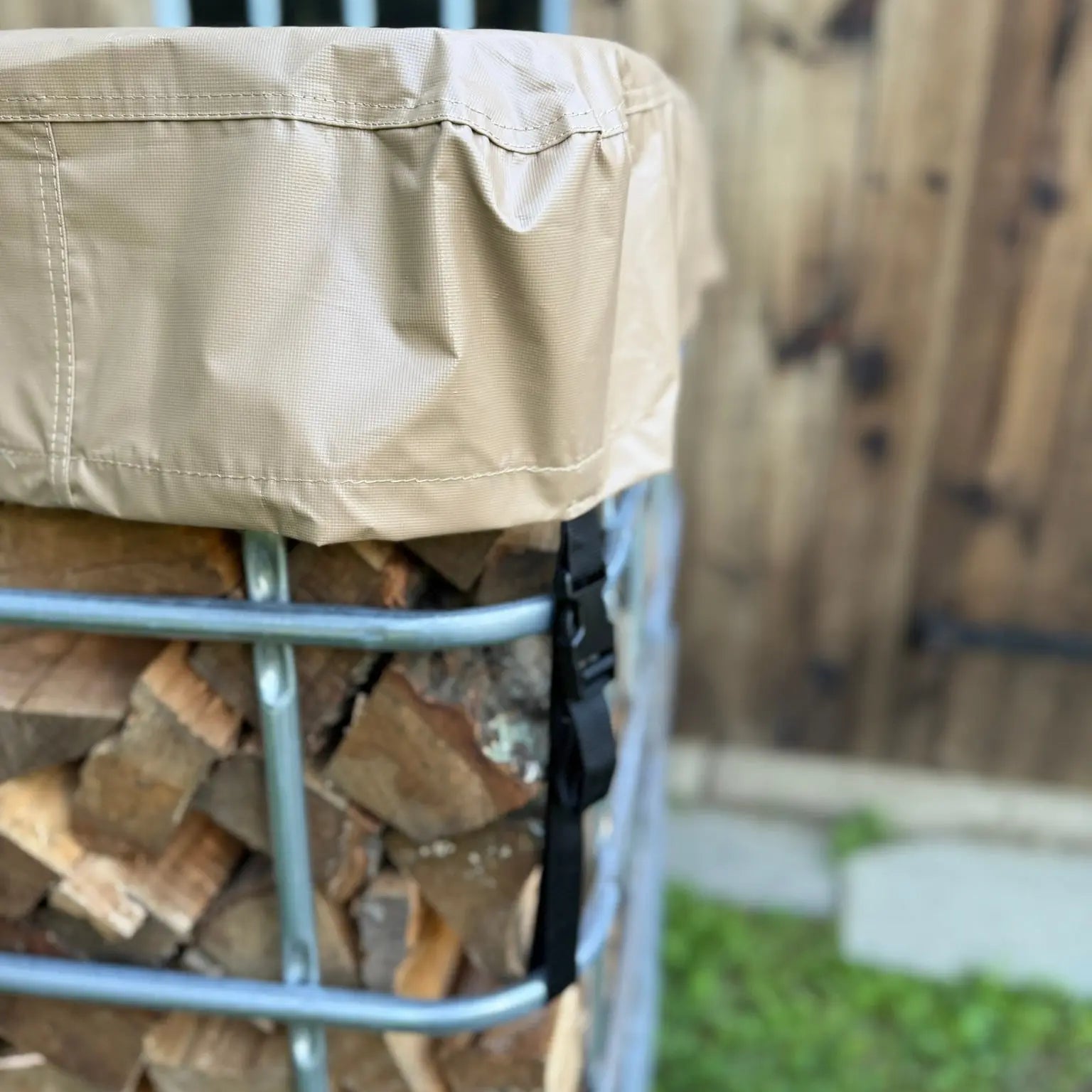
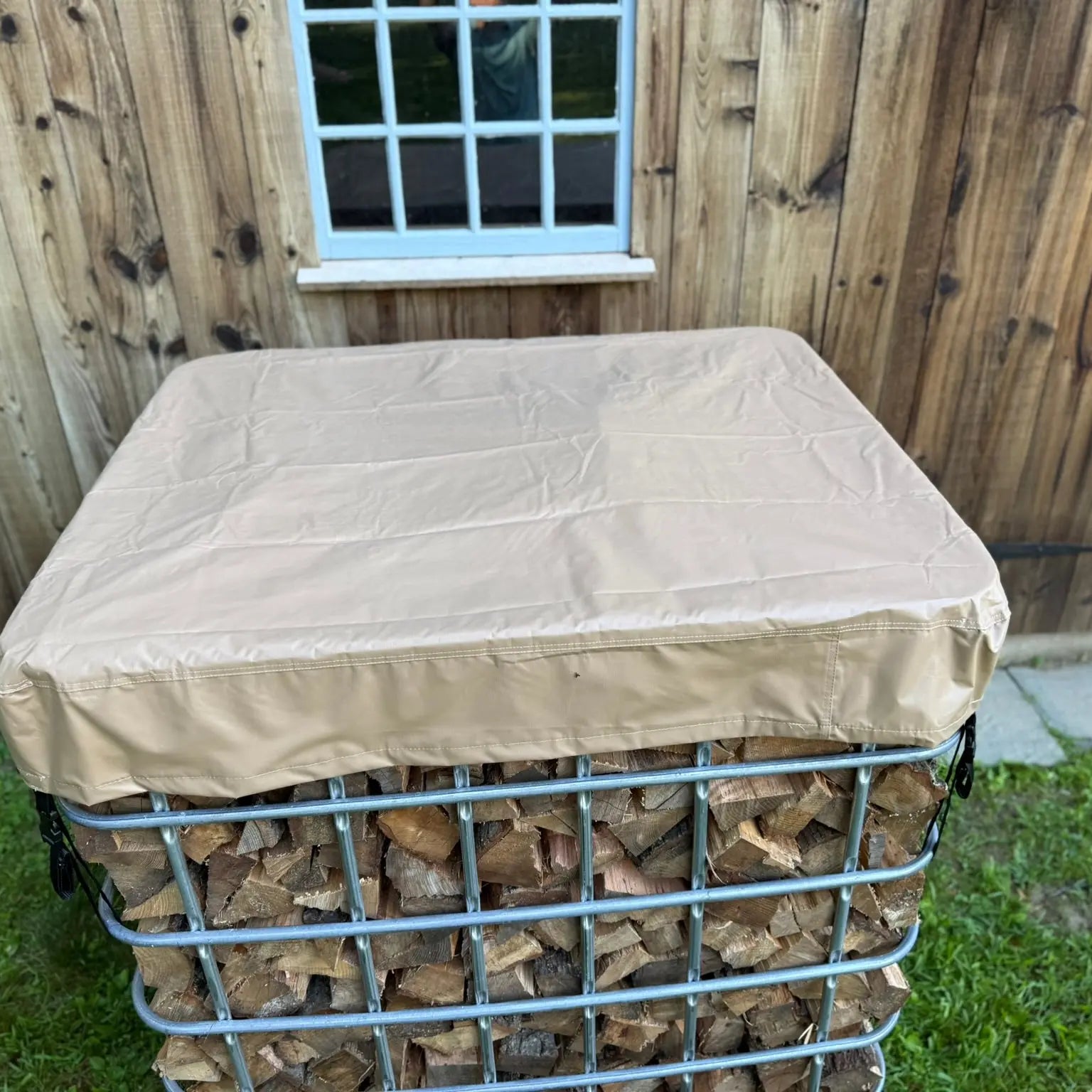
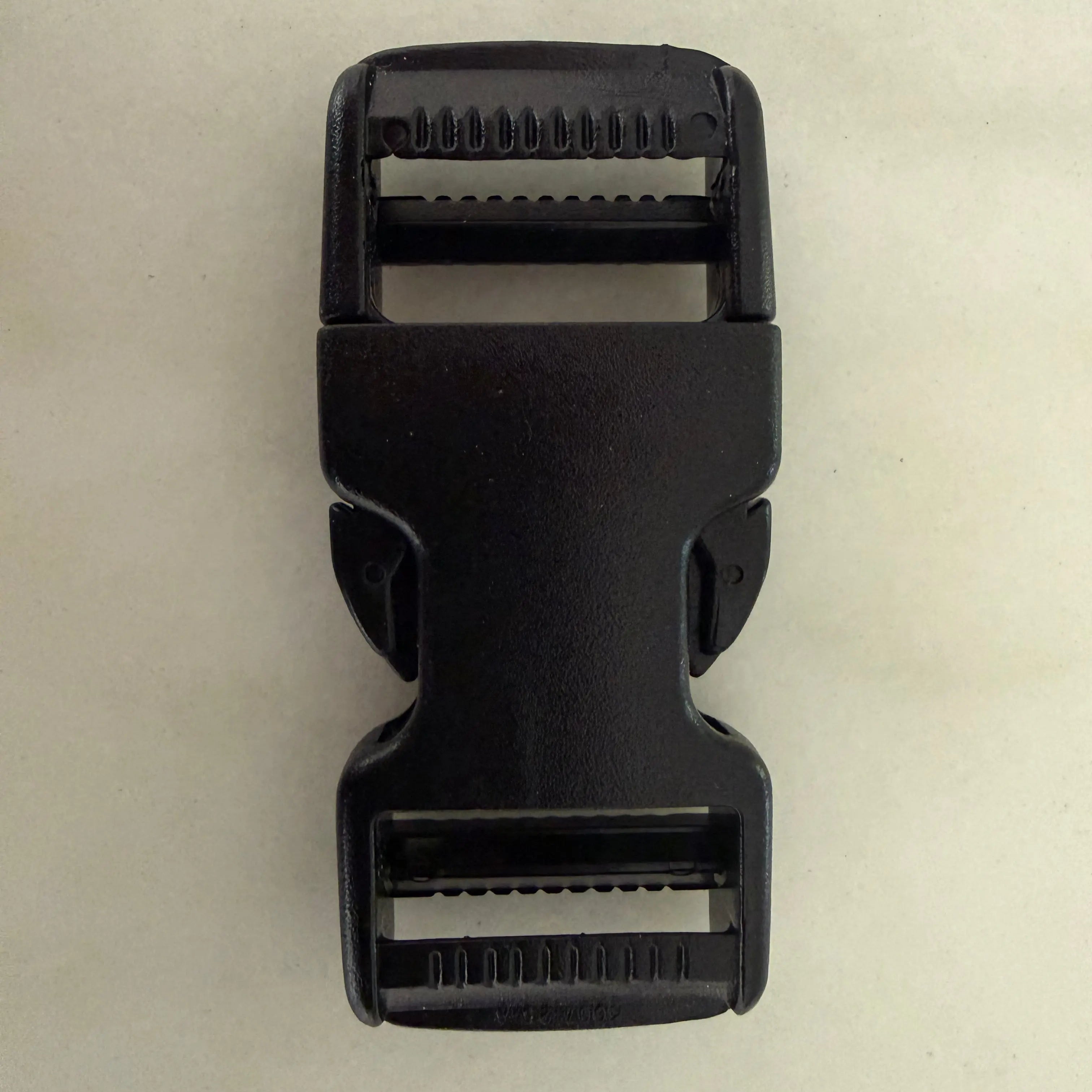
Rotate the cover to make sure the straps line up with the straps on the base. Attach the buckles and pull the straps tight to anchor the cover against the elements.
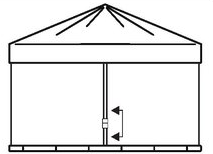
11. Removing the wood during the season
Un-buckle the straps and lift the cover to expose the wood on top. Work your way around the perimeter as you take wood off the pile over time so you can maintain the overall shape as it gets lower. After removing the wood, re-attach the buckle and pull the strap tight as your pile gets lower.
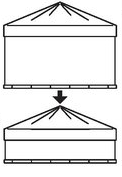
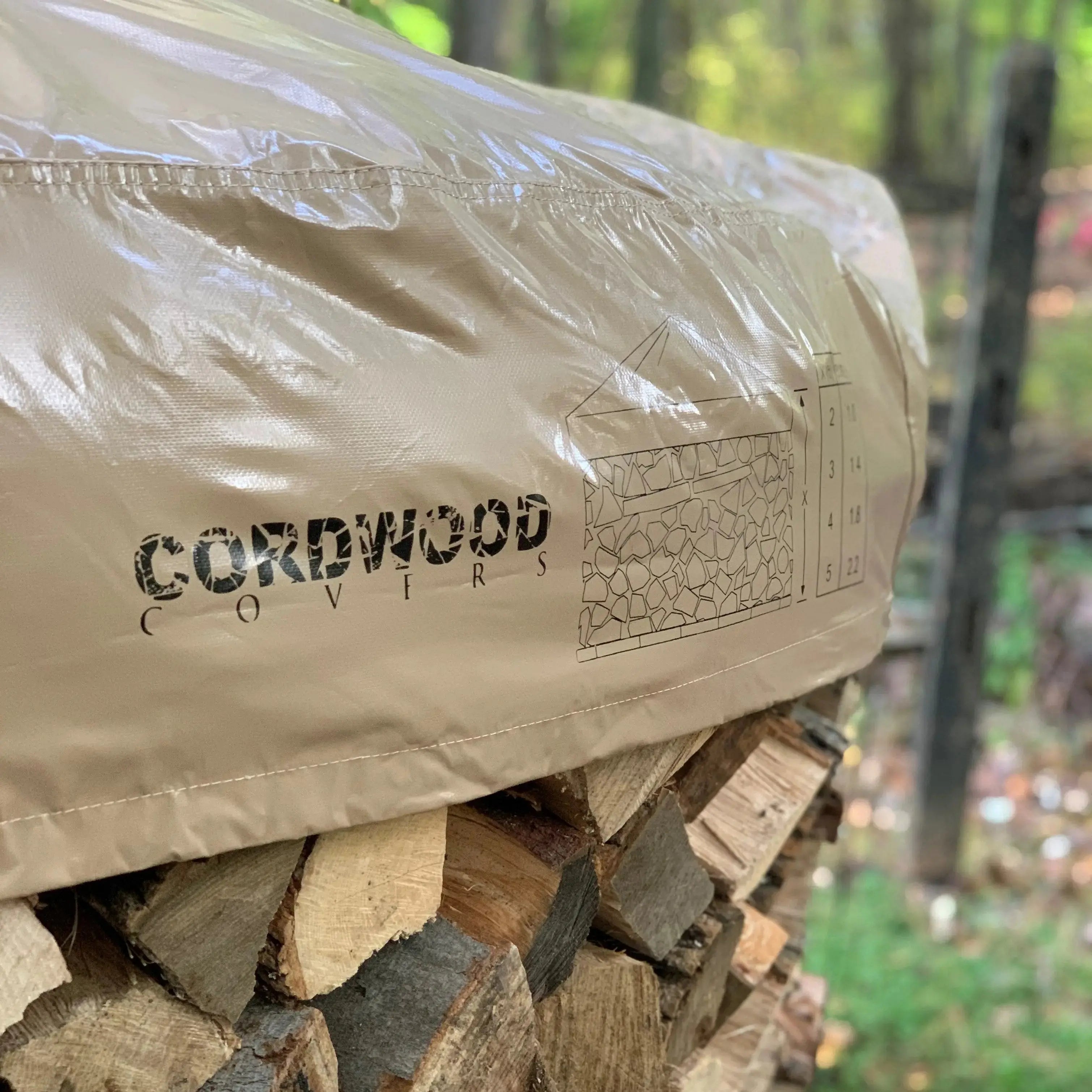
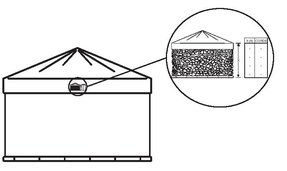
12. Diagram for amount of wood.
There is a diagram on the cover that shows you how many cords of wood are left in your pile depending on its height.
Here is a video of the process: Video
WARNING:: This cordwood cover does not provide any structural support for your woodpile. Please inspect the wood pile regularly to ensure it is stable.
Frequently Asked Questions
Why do I need to extend the straps before stacking?
The four straps must extend outward from the circular base before you begin stacking. If you skip this step, you won't be able to fasten down your cover once your firewood stack is complete.
What type of logs should I use for the perimeter?
Use logs that have a flat side on them for the first circle around the perimeter, and place the flat side down for stability.
How should I position tapered logs?
Place the narrow end of tapered logs toward the center of the pile. This helps you build a stable, compact, and sturdy stack.
What should I do if my logs are tipping outward?
Lay another log near the outside perpendicular to the other logs. This will allow you to tip them toward the center and stabilize your pile.
Where do odd-sized logs go?
Small scraps for kindling and weird-shaped pieces with knots and chunks can be thrown inside the perimeter. These are perfect for filling space that would be difficult to stack conventionally.
How high should the center of the pile be?
The center should be about 1.5 feet higher than the edge of the pile to create a "roof pitch" that helps shed water.
How do I know how much wood is left in my pile?
The cover includes a diagram that shows you how many cords of wood remain in your pile based on its current height.
Does the cover provide structural support?
No. The cordwood cover does not provide any structural support for your woodpile. You should inspect the wood pile regularly to ensure it remains stable.
Will firewood dry out under a tarp?
A tarp can trap moisture if it covers the pile too tightly. A cordwood cover is designed to help keep your firewood dry while still allowing the stack to shed rain and snow.