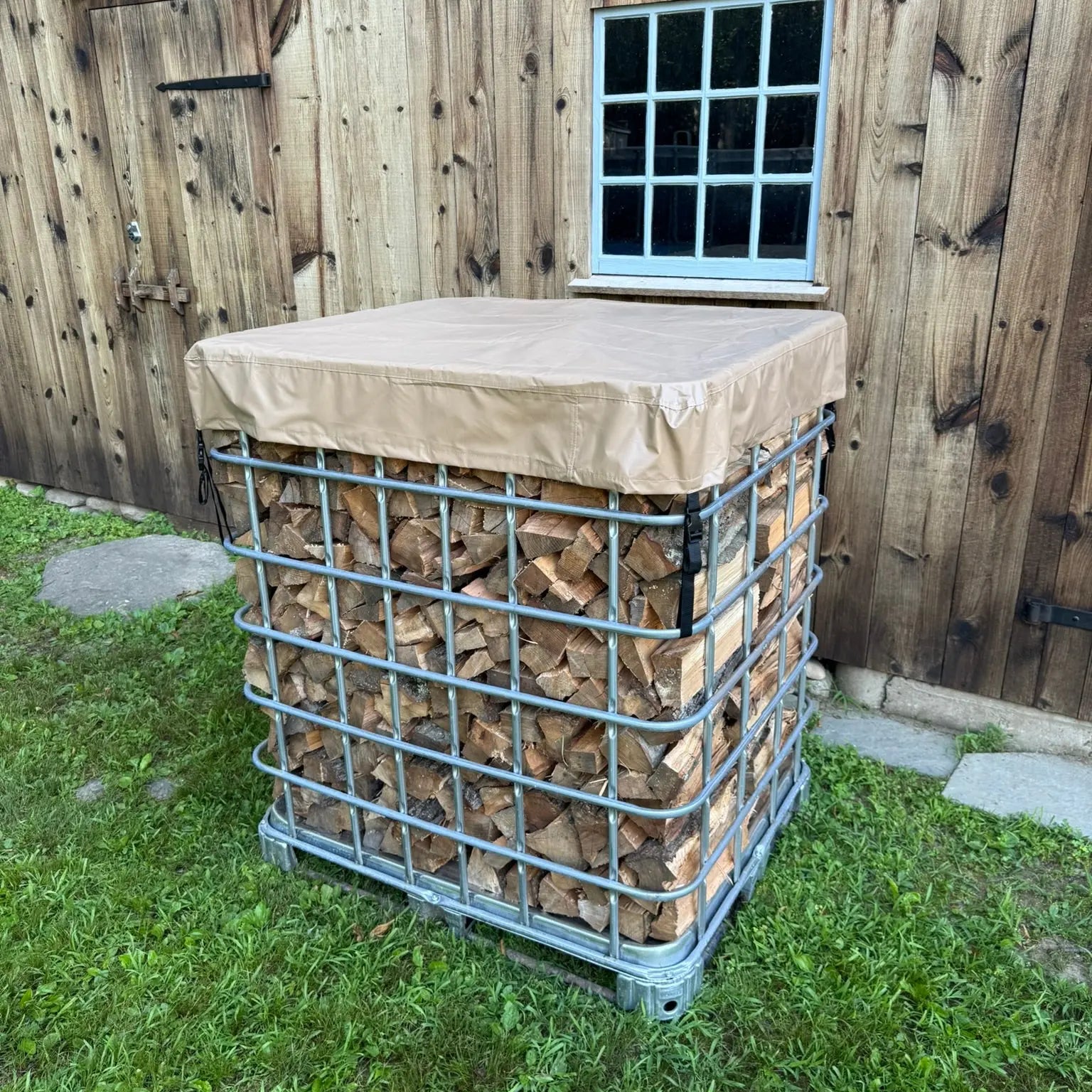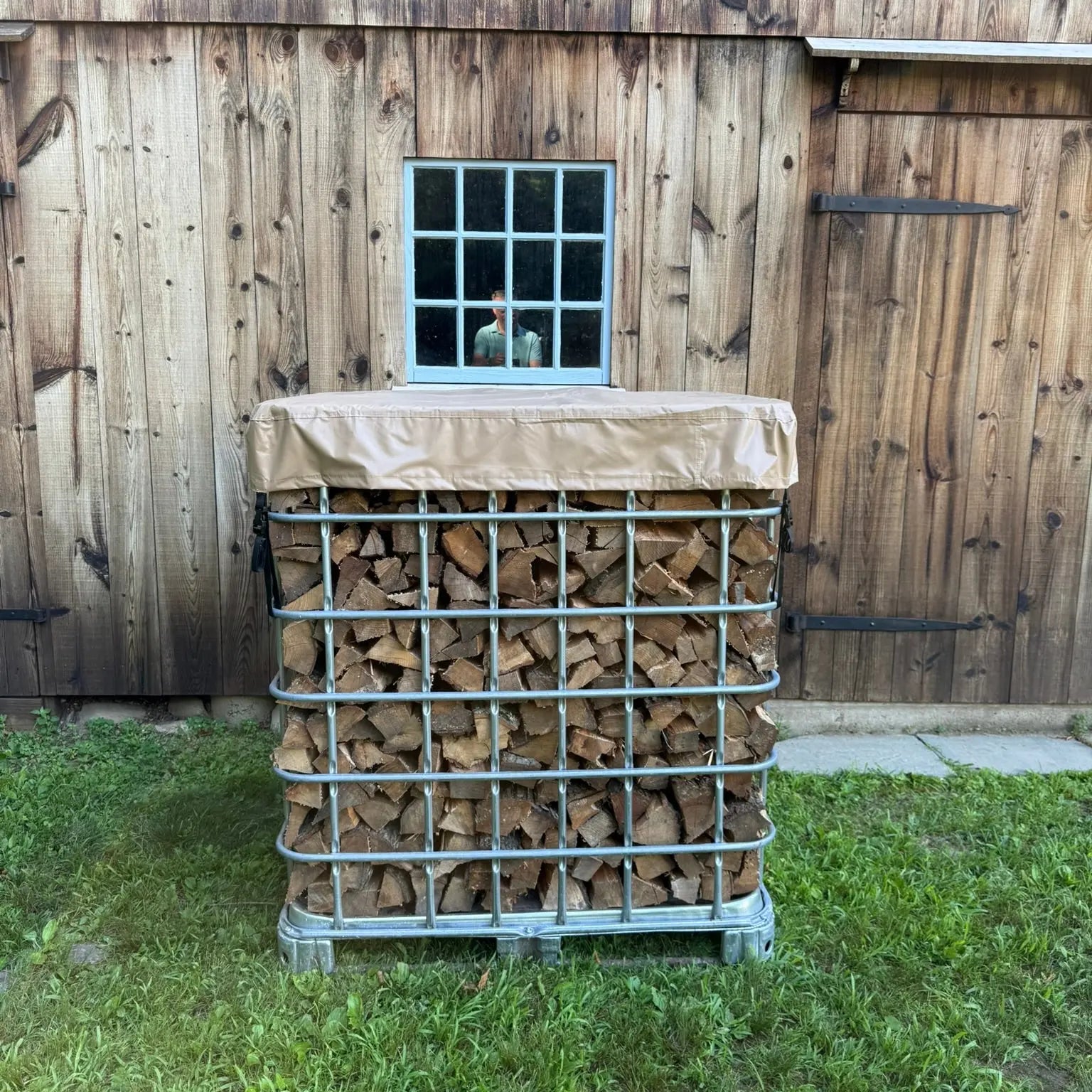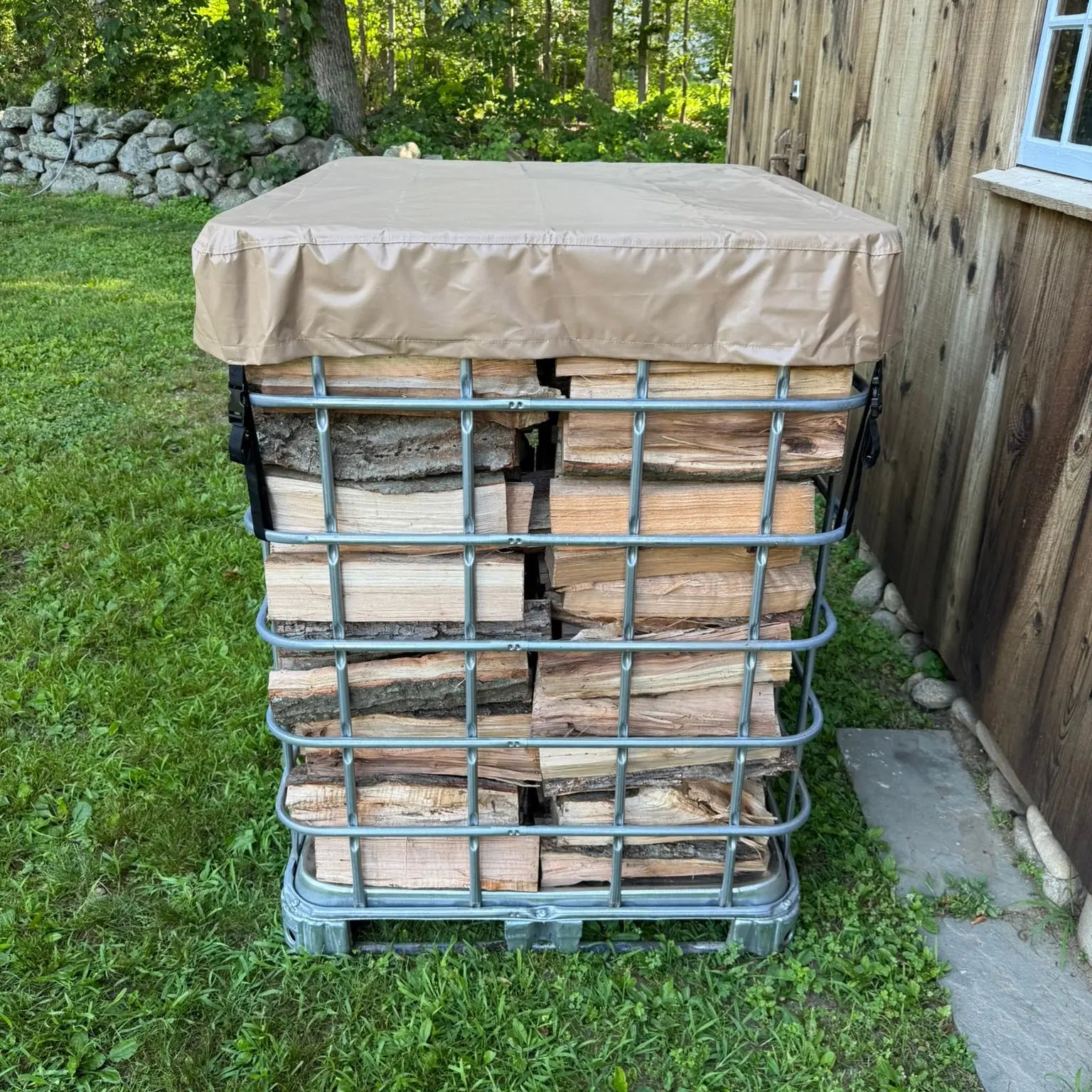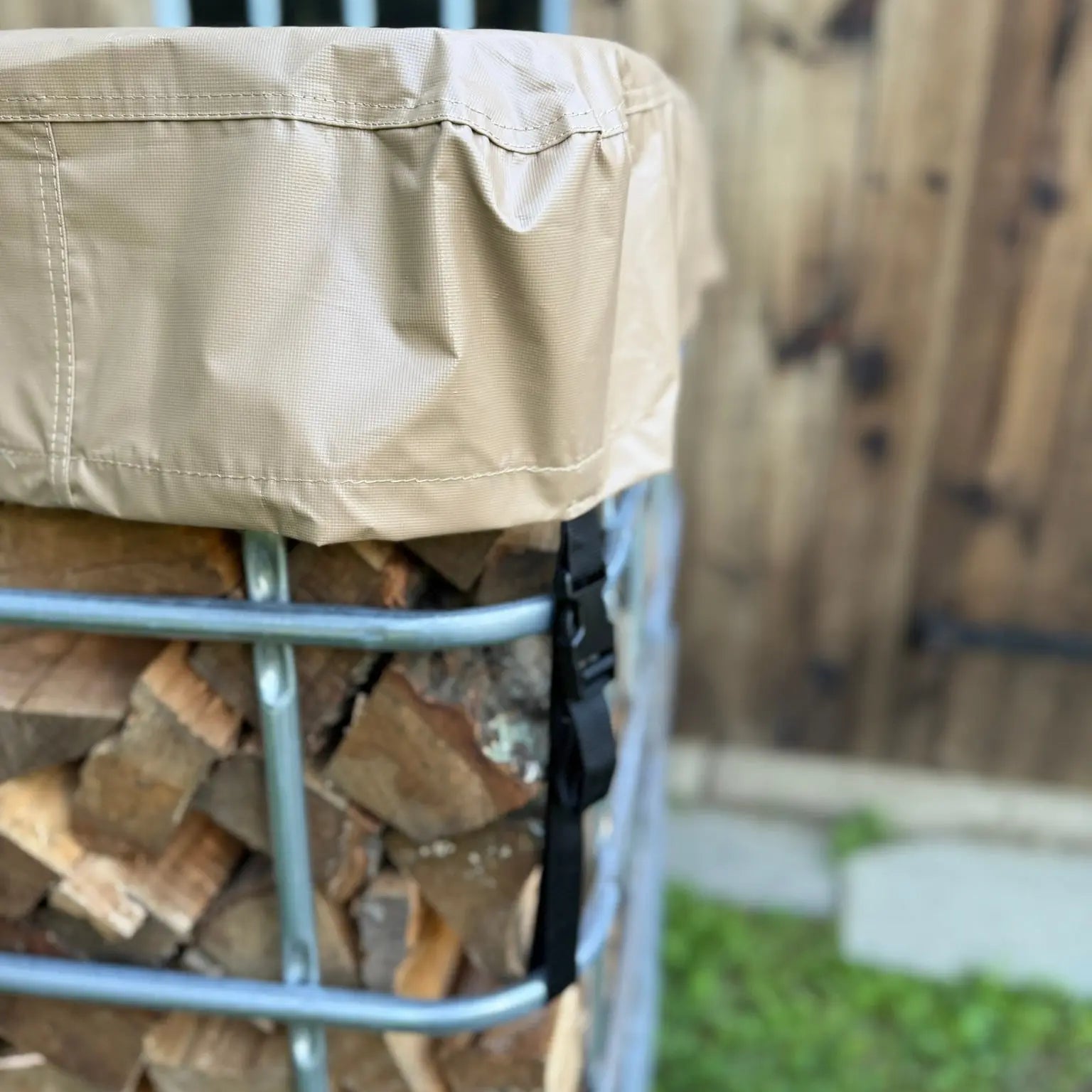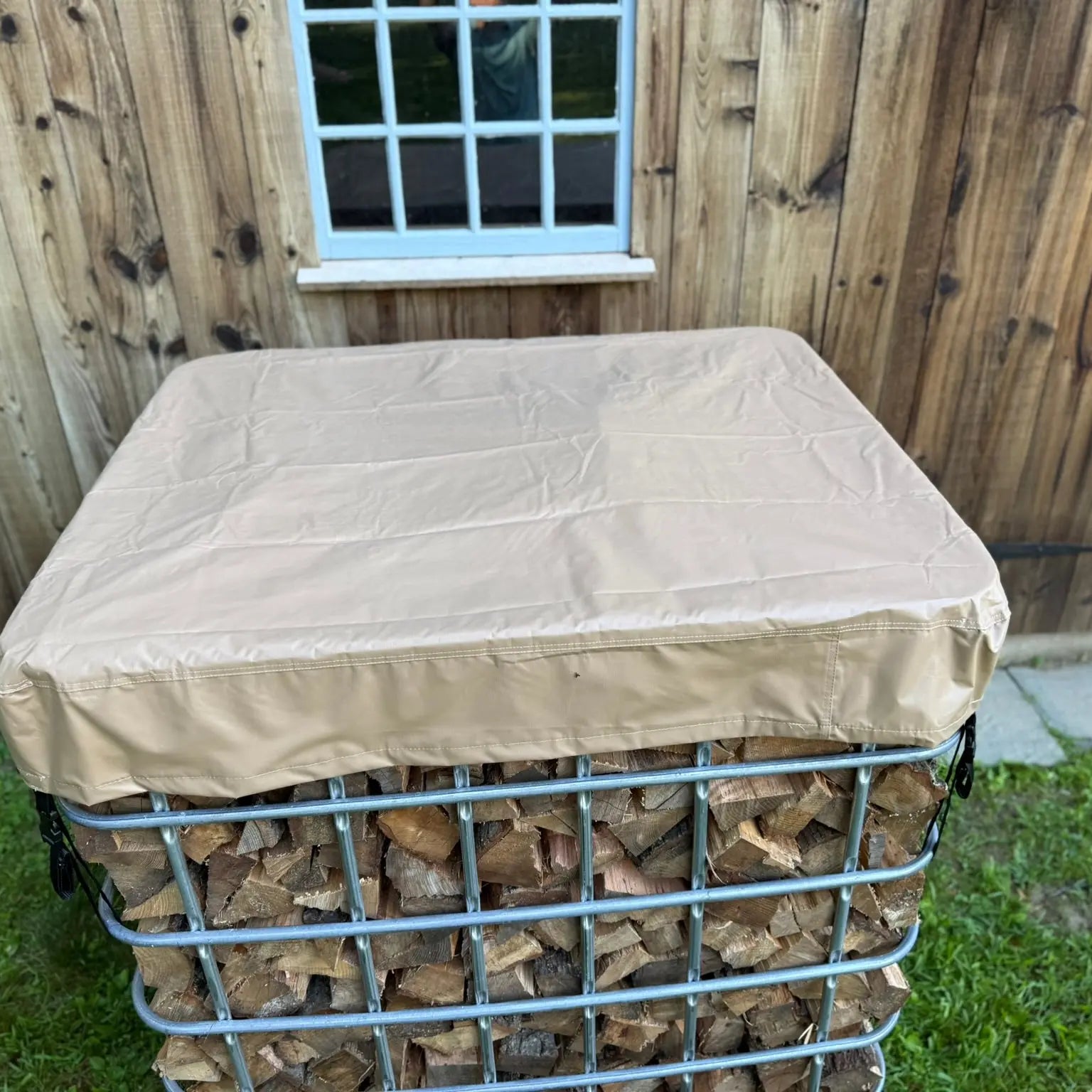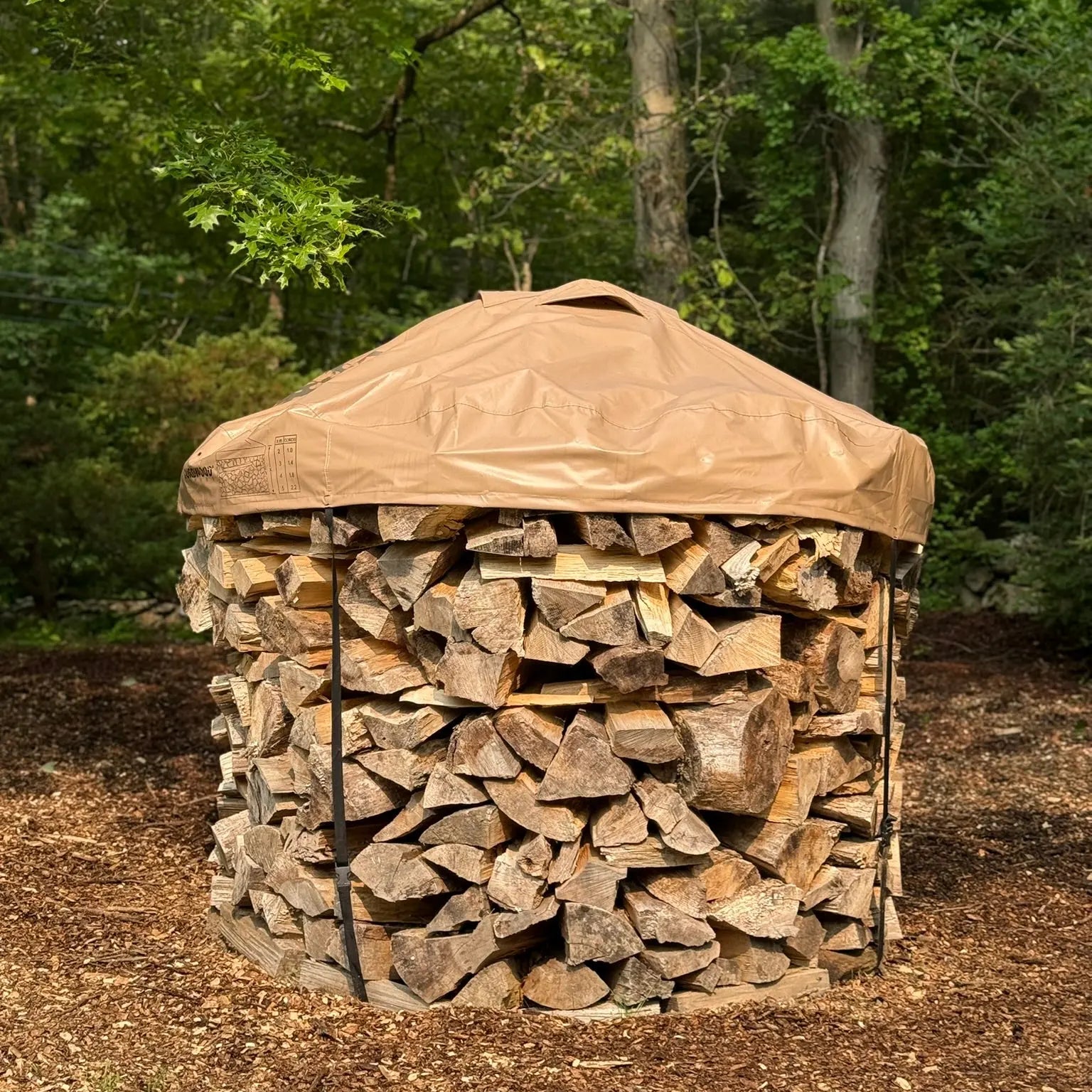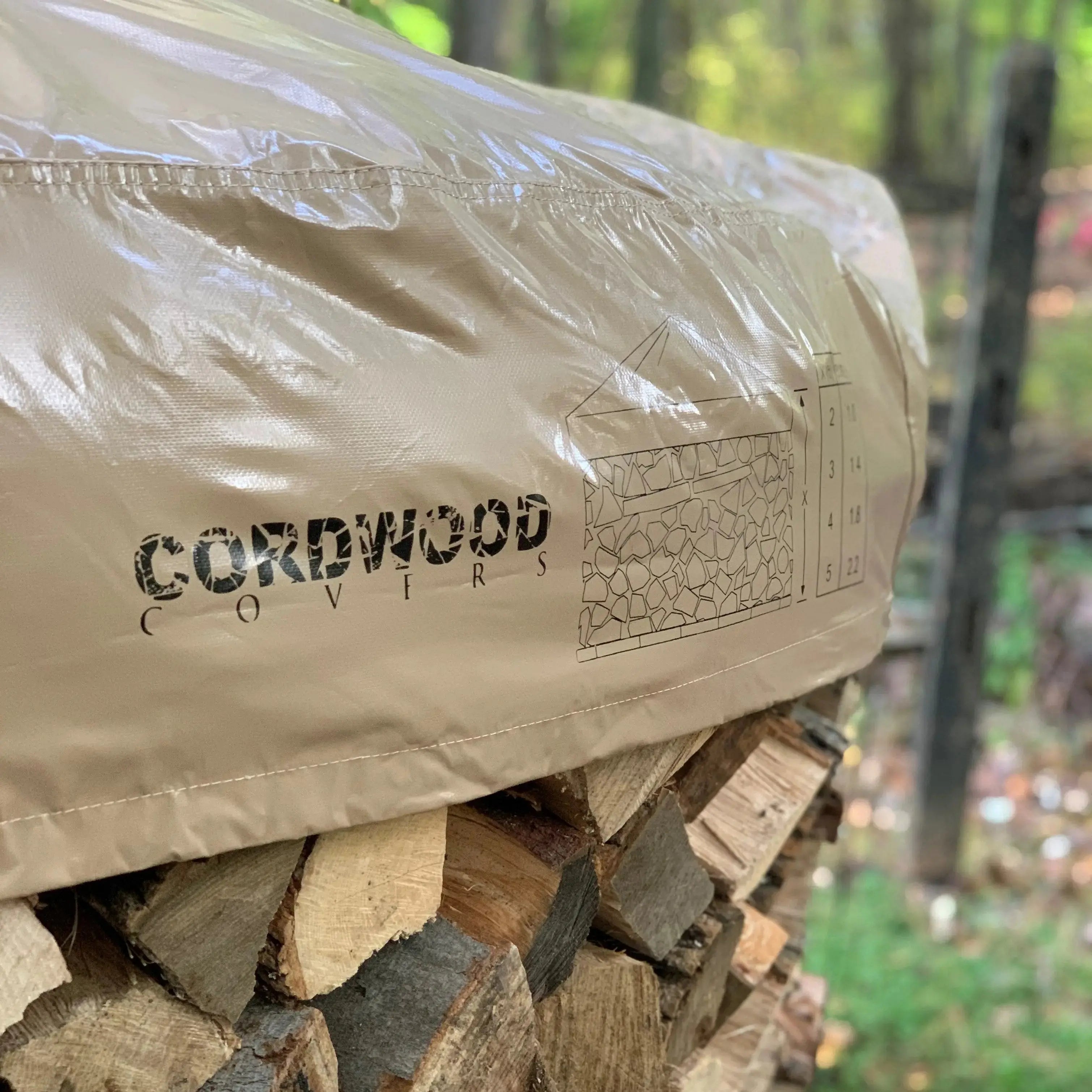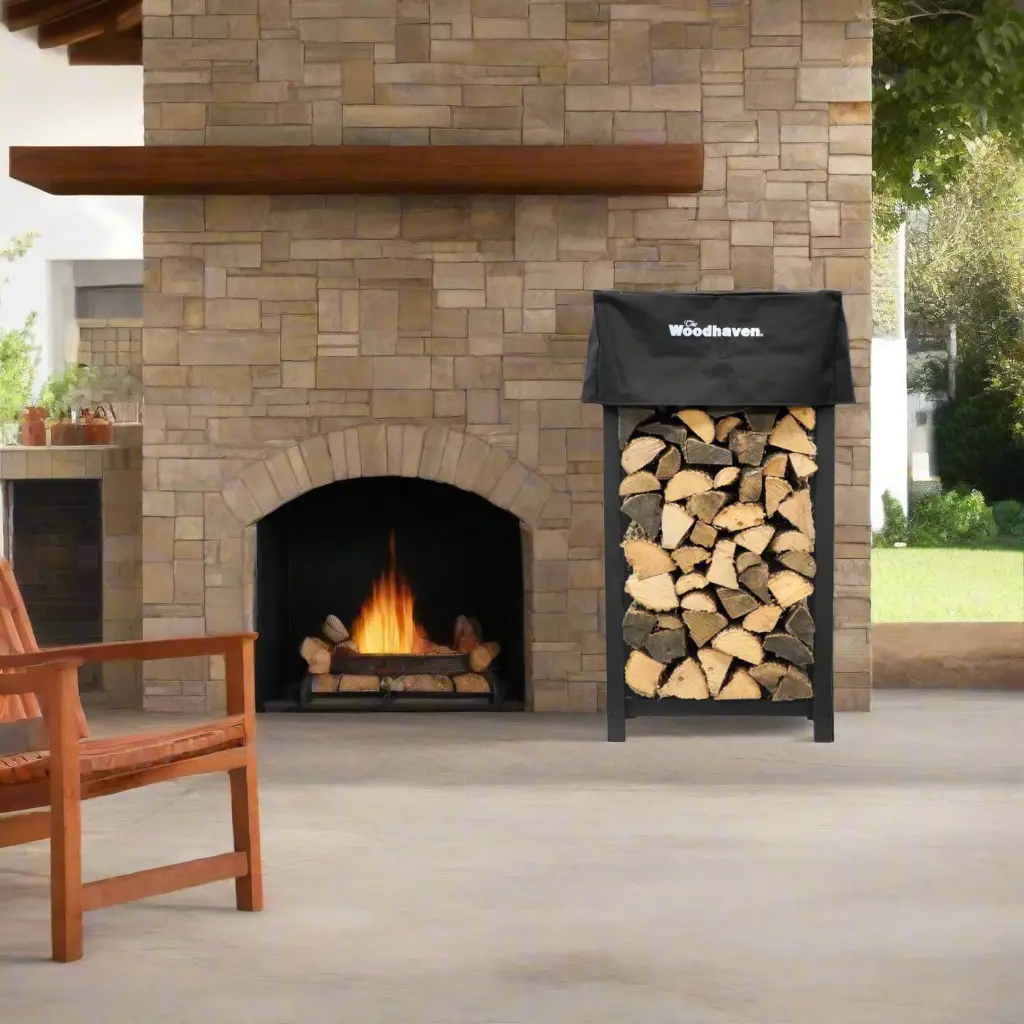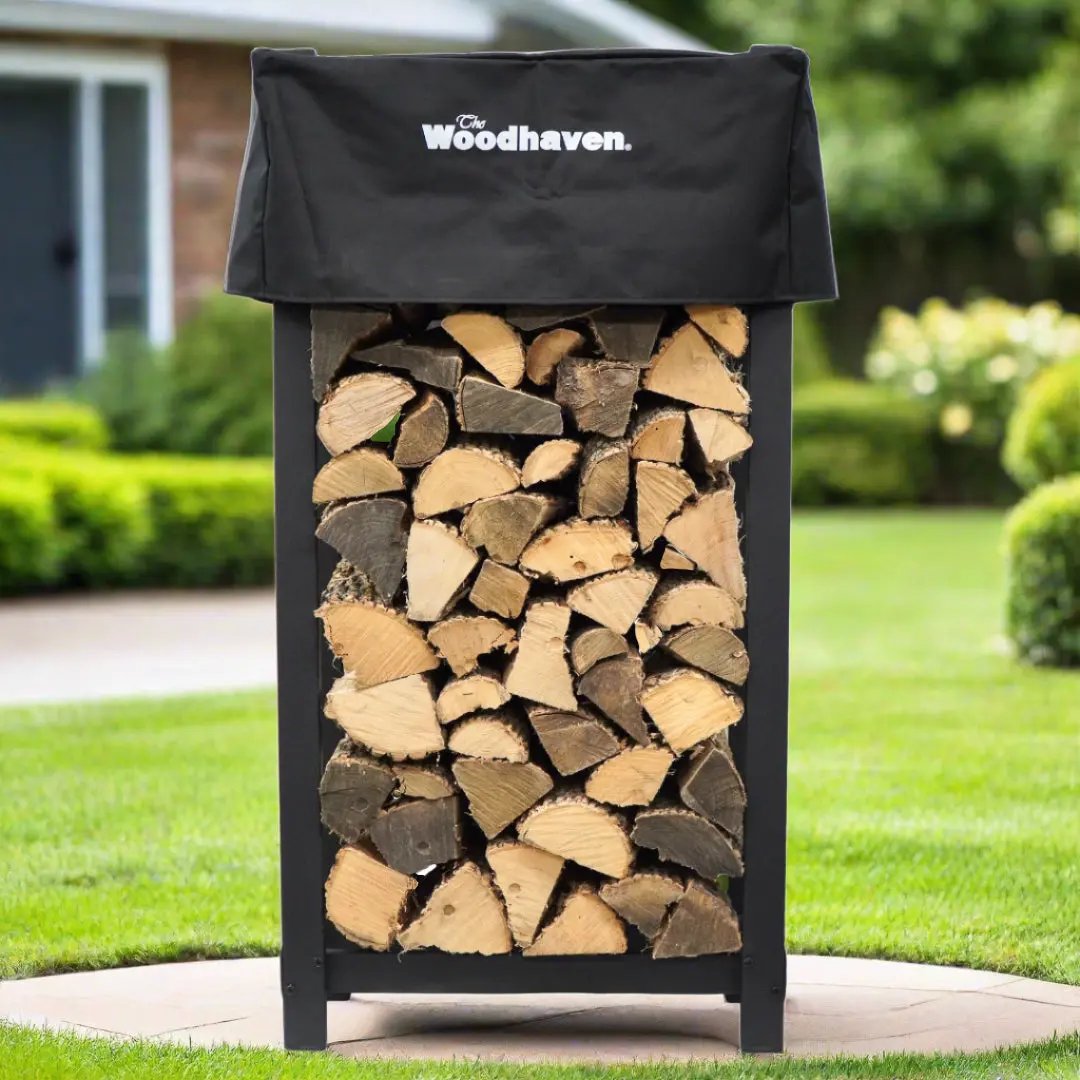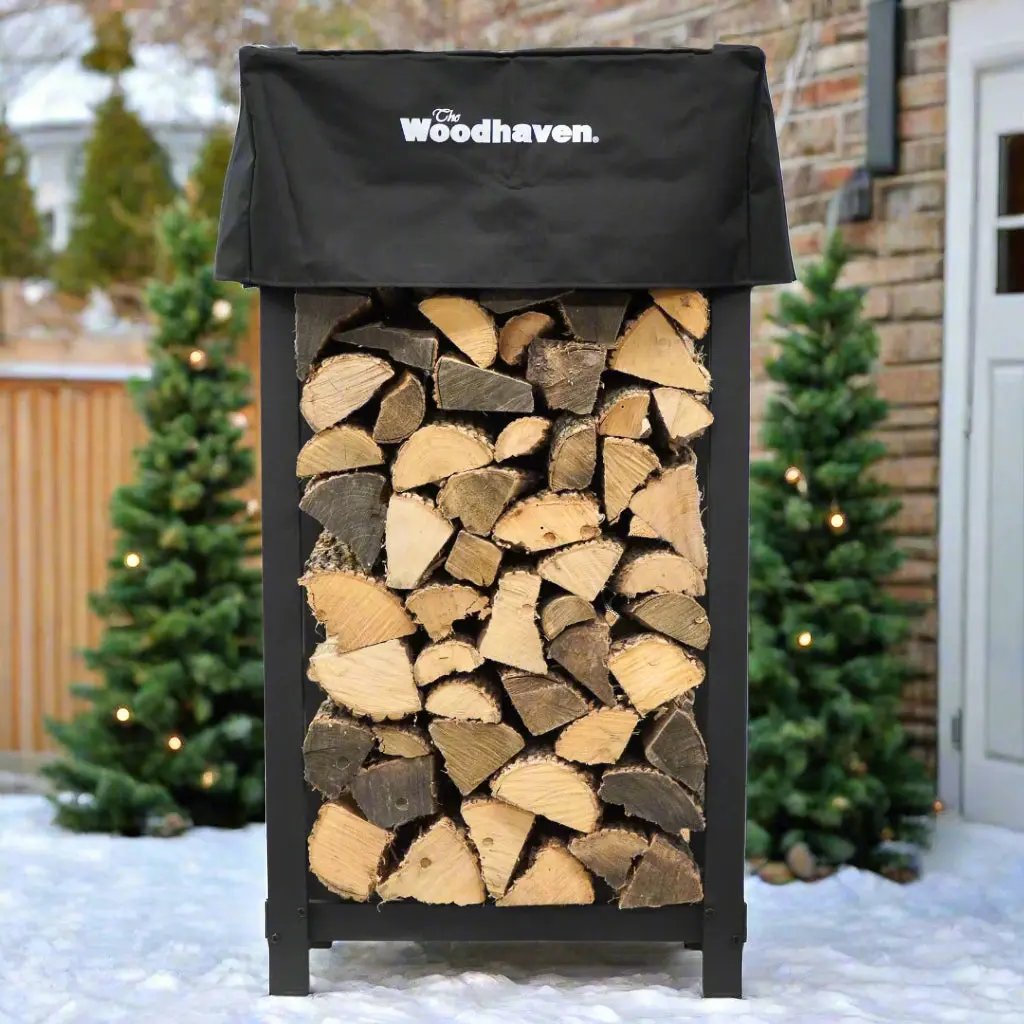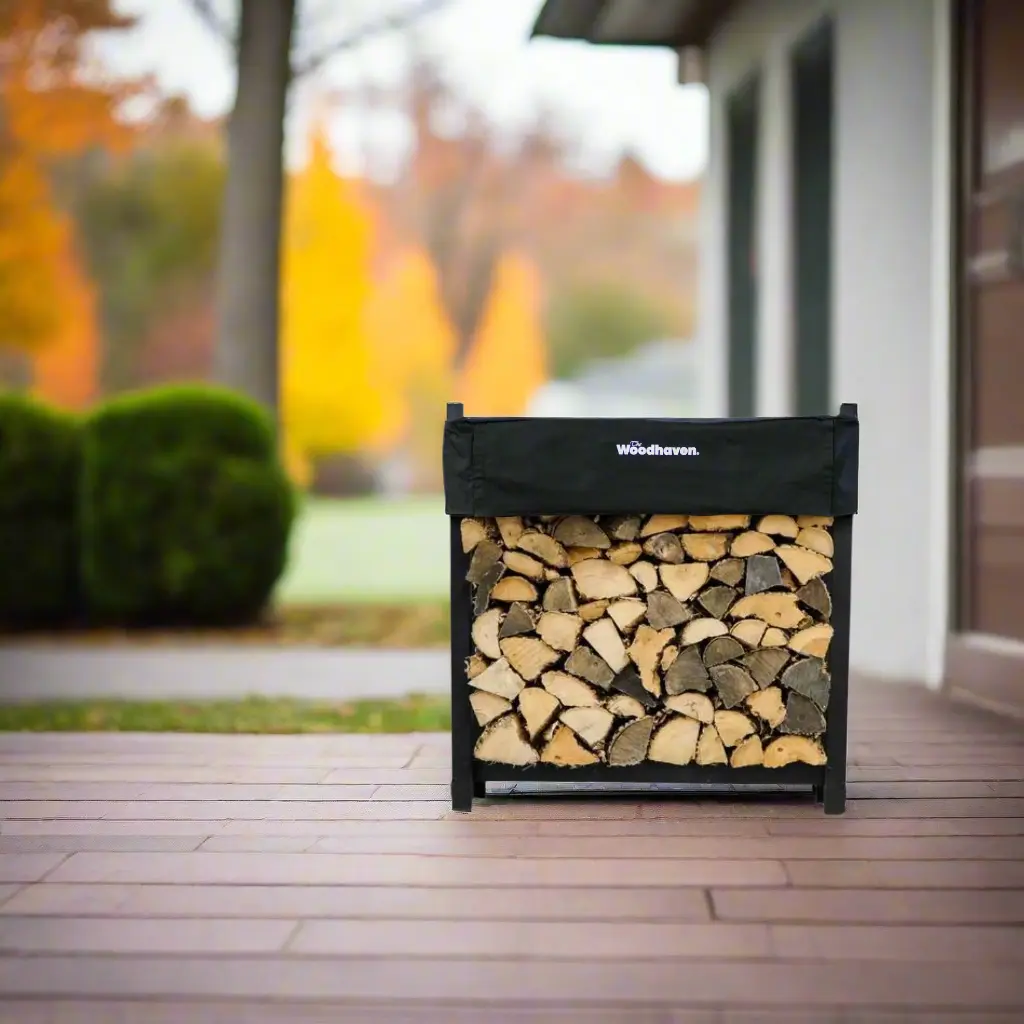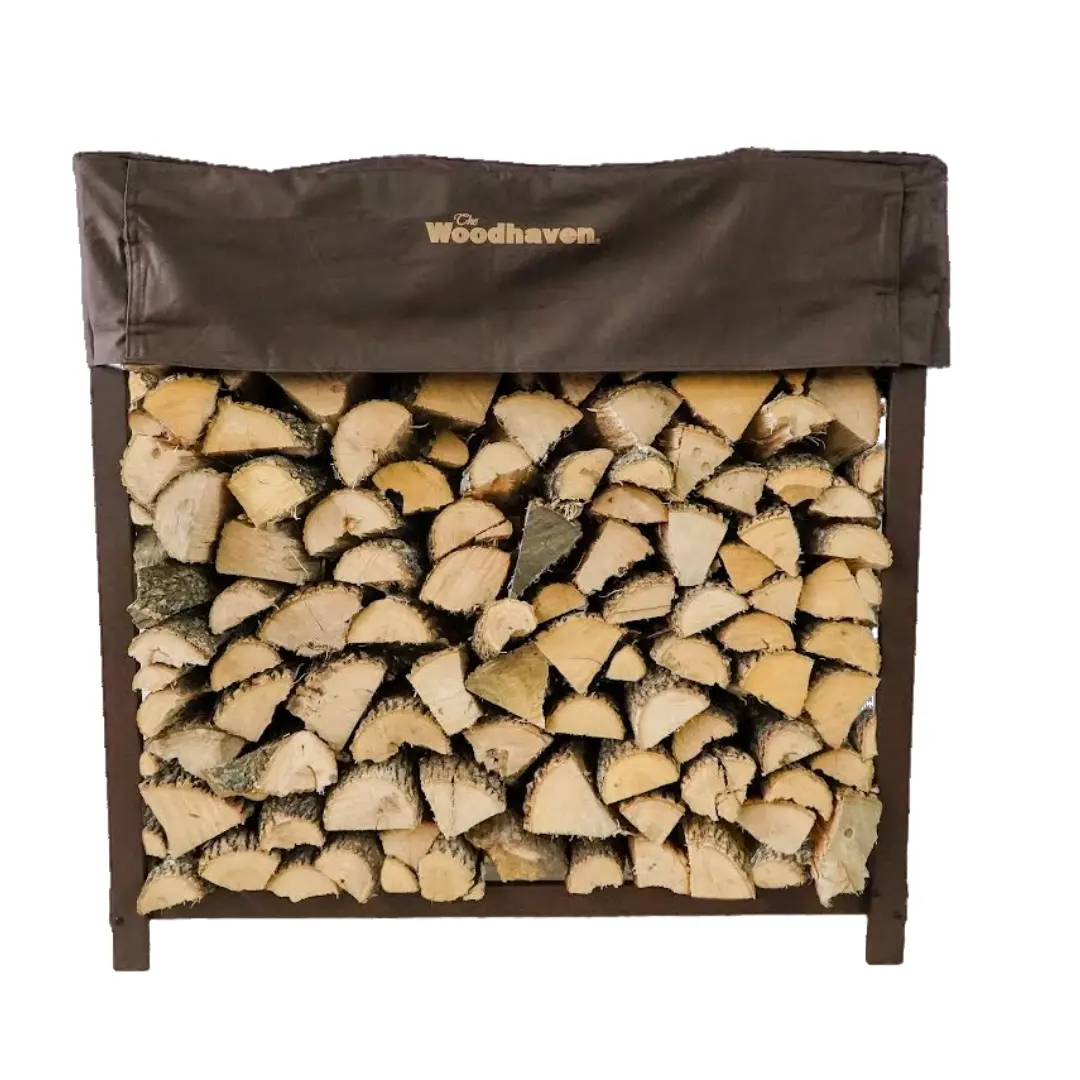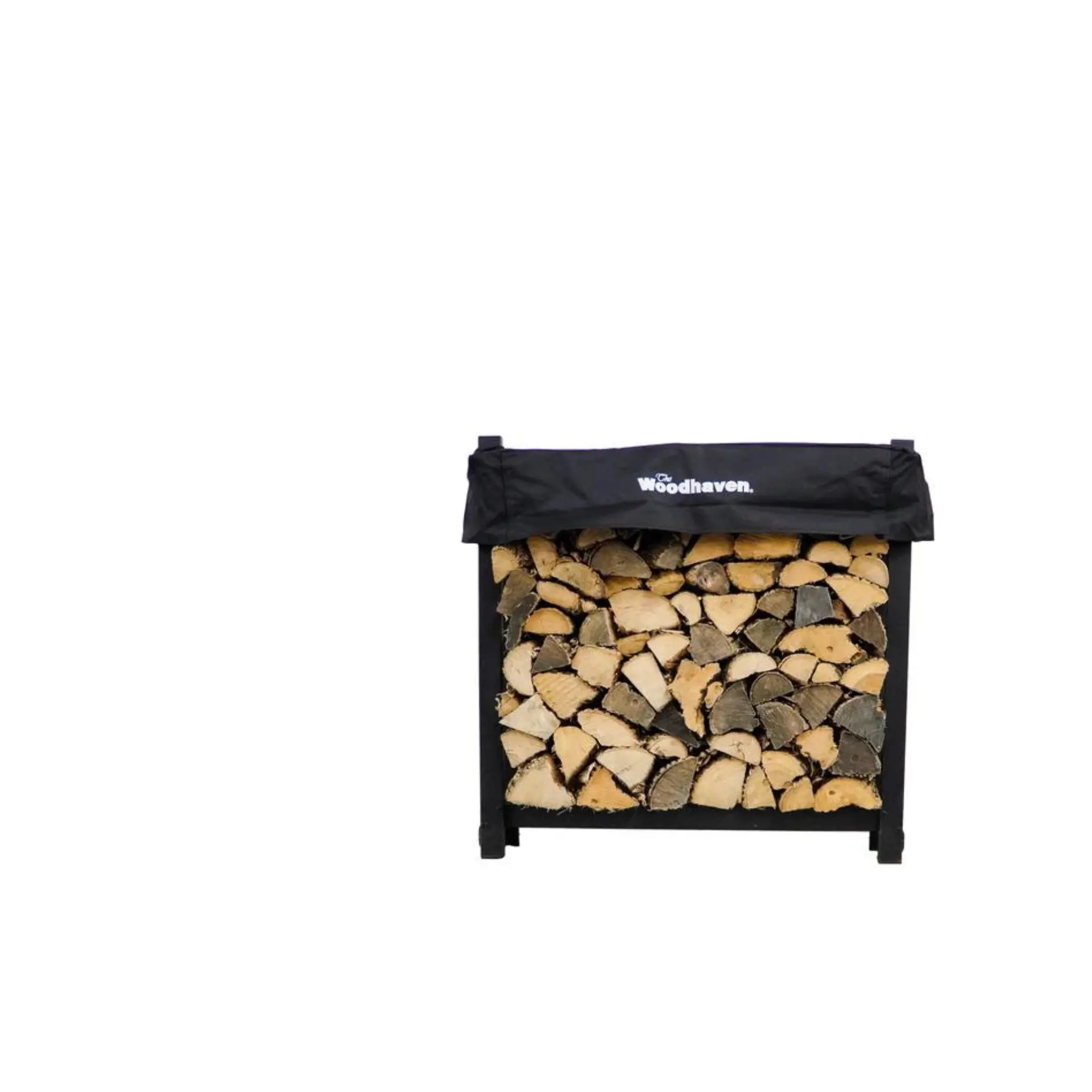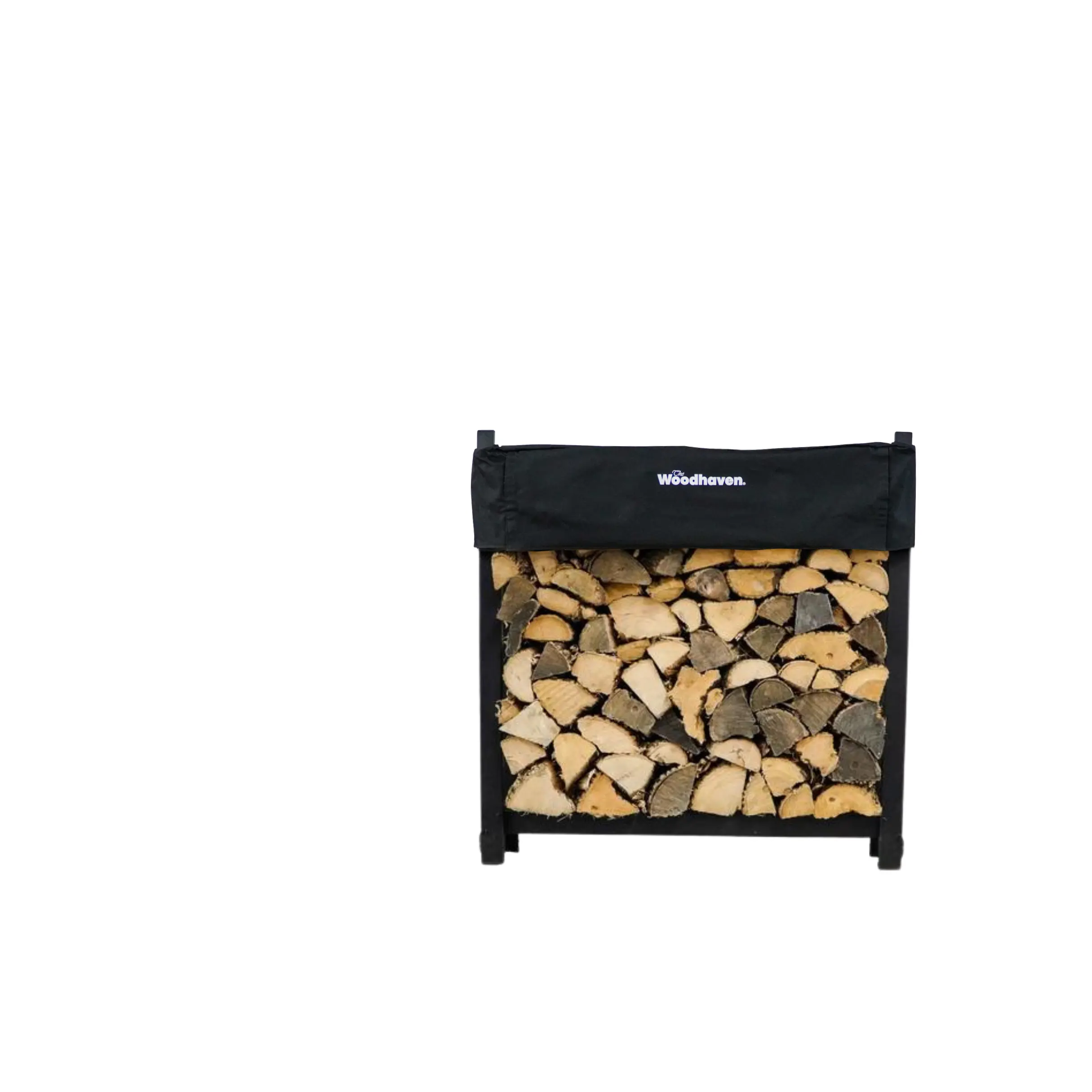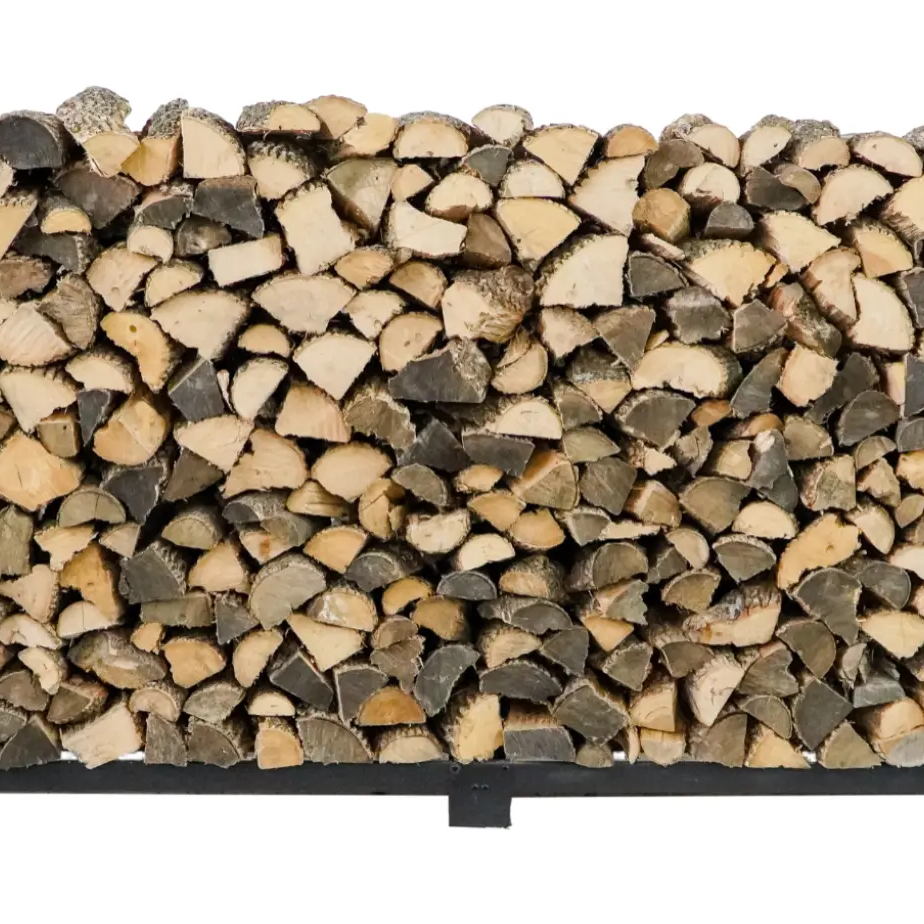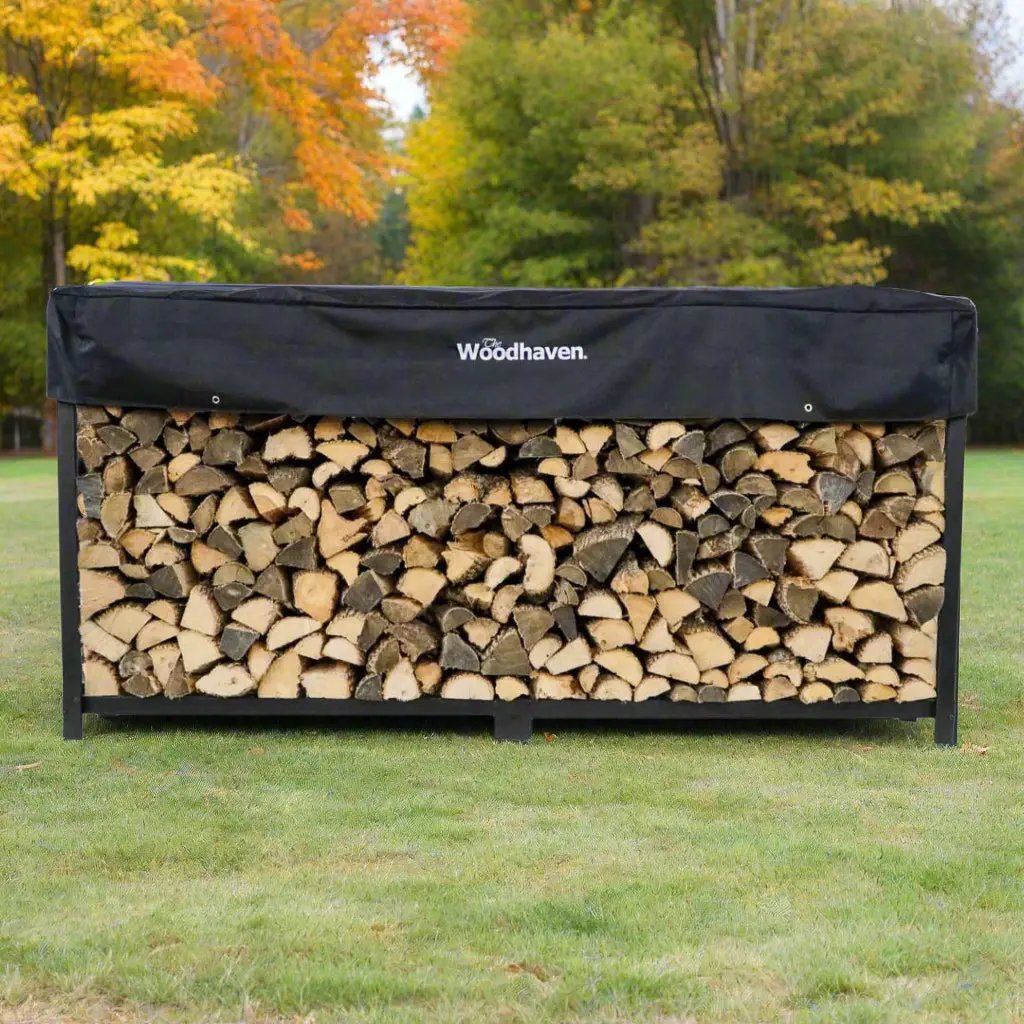


Seasoning firewood correctly means the difference between a roaring fire and a disappointing smolder. Logs kept dry under proper outdoor firewood storage will naturally season over time as they are exposed to the elements. This allows excess moisture to evaporate, leaving behind fire logs that burn hotter, longer, and more efficiently.
Understanding Unseasoned vs. Seasoned Firewood
Unseasoned or "green" wood is any wood still heavy with residual moisture. This can be newly cut logs or even wood you find on the side of the road after your neighbor has taken down some trees. These logs are harder to light, produce more smoke, and don't burn as hot. Even worse, they can cause creosote to build up in your chimney, leading to decreased airflow and creating a potential fire hazard.
How to Tell if Your Firewood is Seasoned
Seasoned wood looks like what you buy at the store. If you are unsure, check the color—seasoned logs are brown rather than green. They also tend to be coarse on the end and you may even see cracking. Seasoned wood is lighter in weight with easily peelable bark and makes a hollow sound when struck.
While seasoning wood can take anywhere from six months to two years depending on conditions, it's worth it to have a safer and more pleasant fire-building experience. The process itself is straightforward.
How to Season Firewood
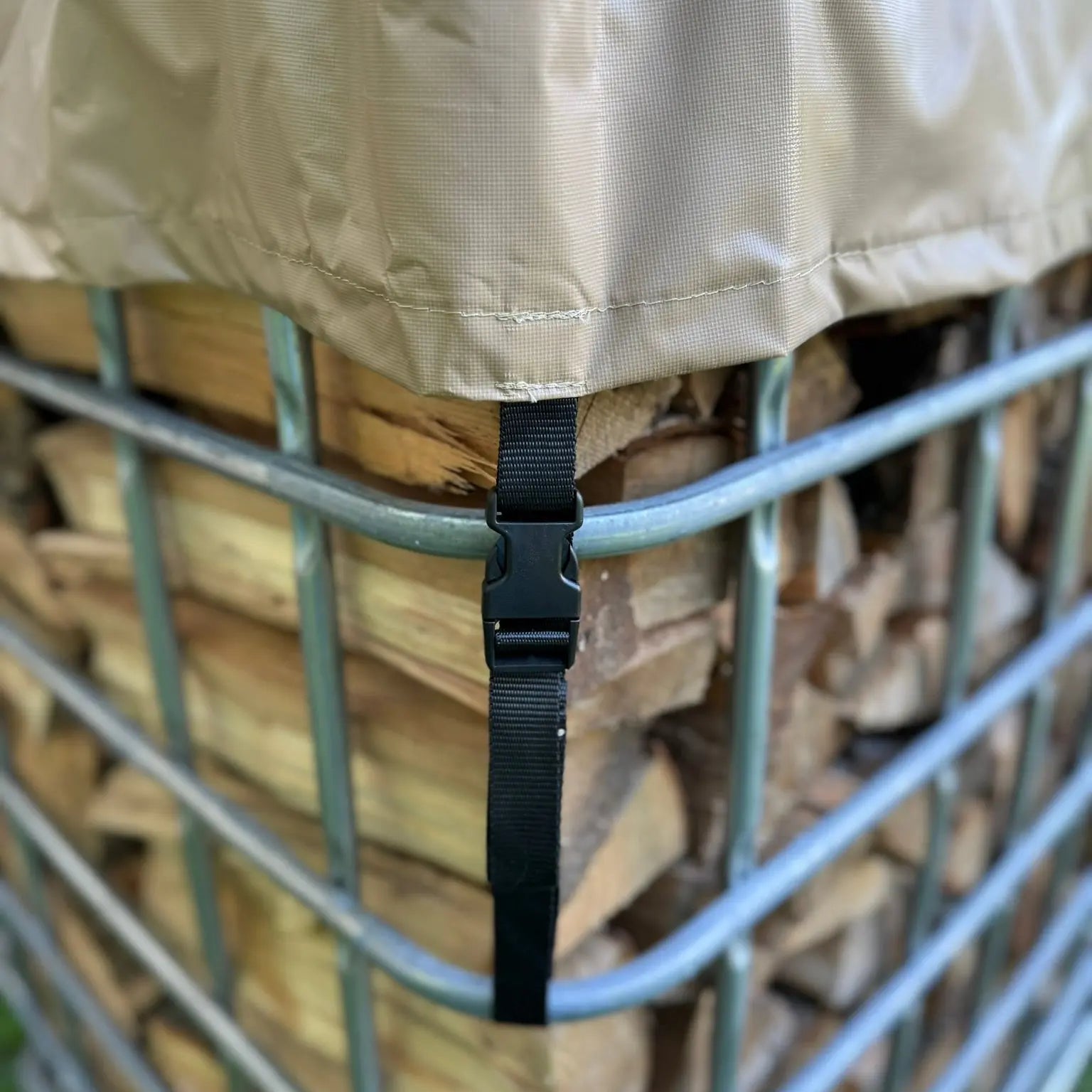
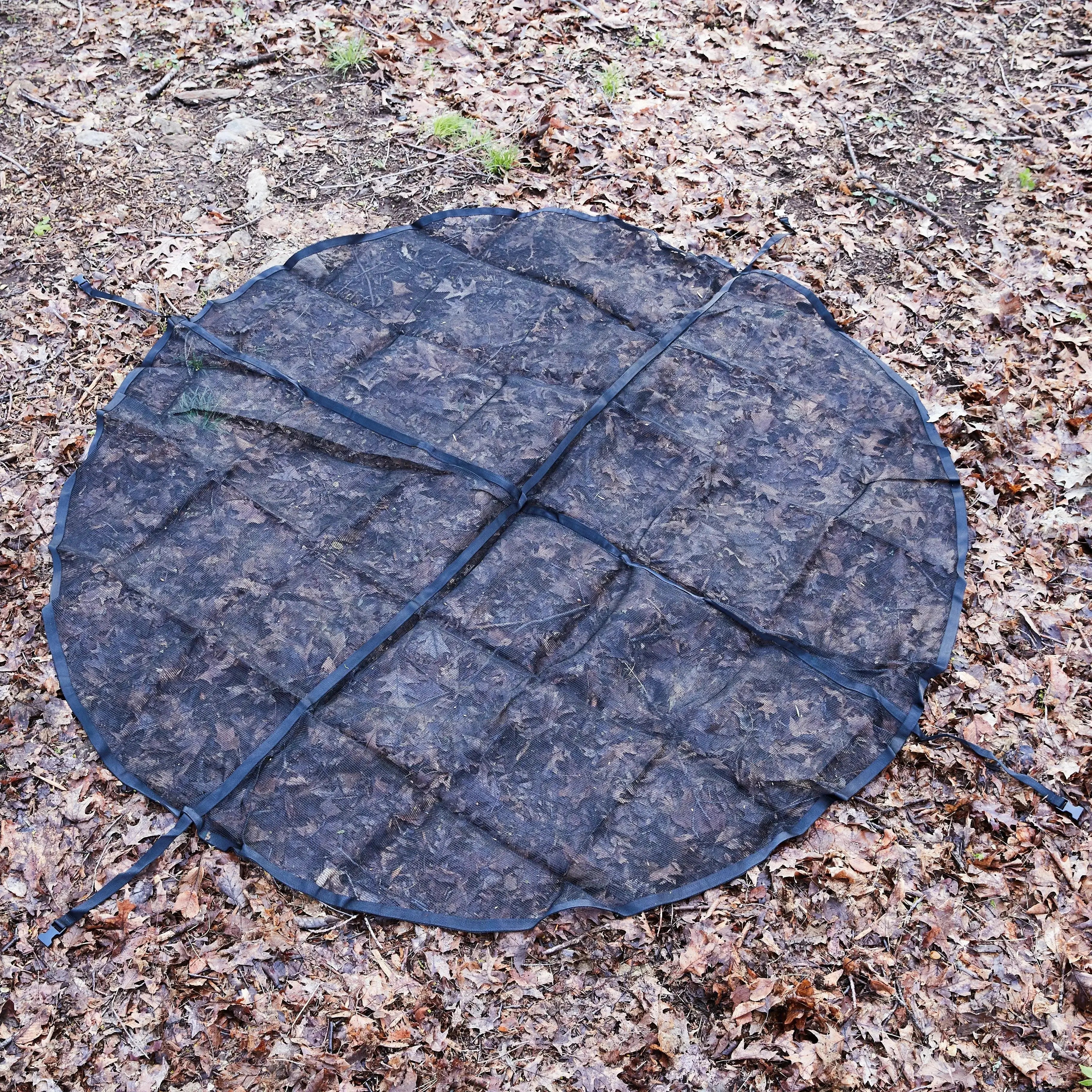
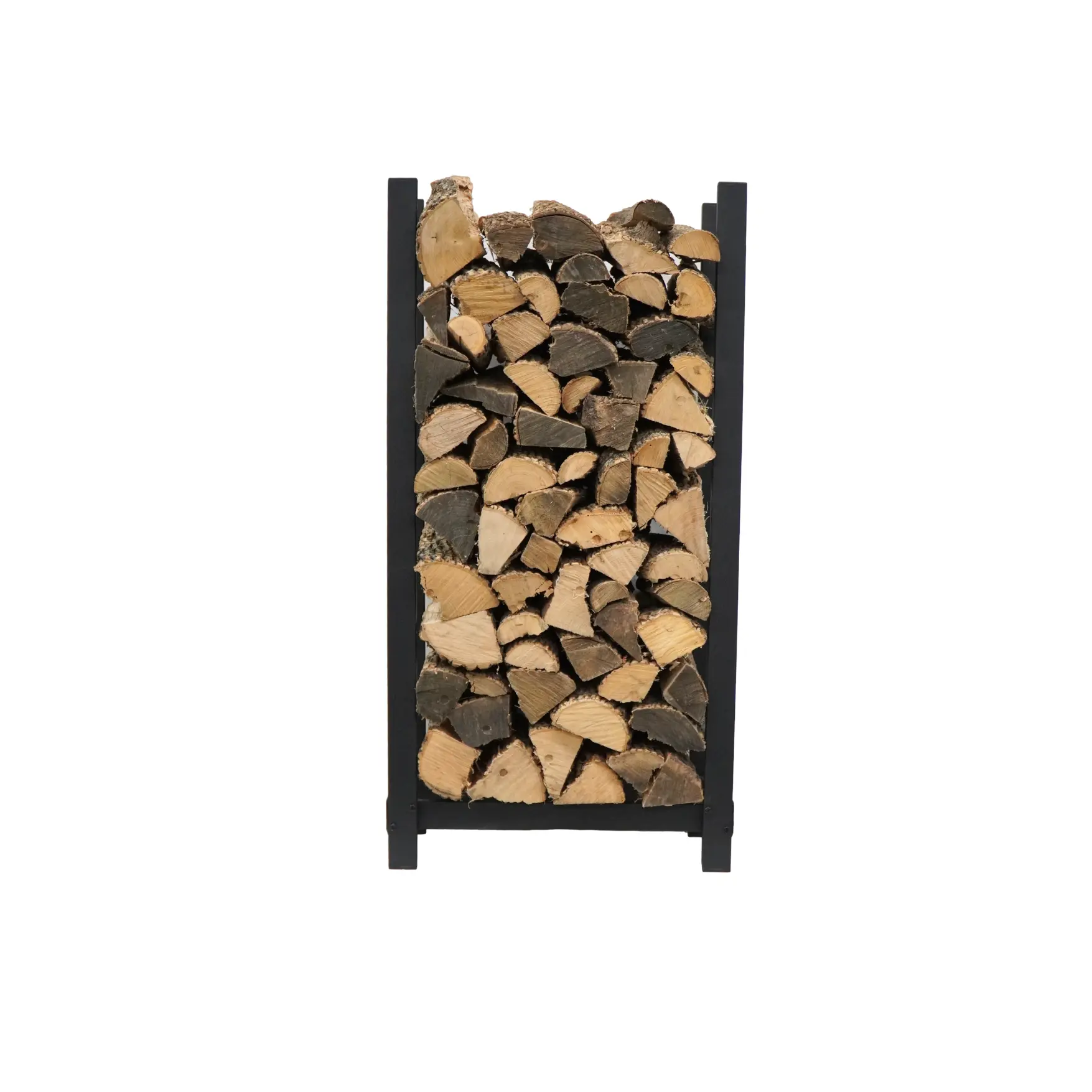
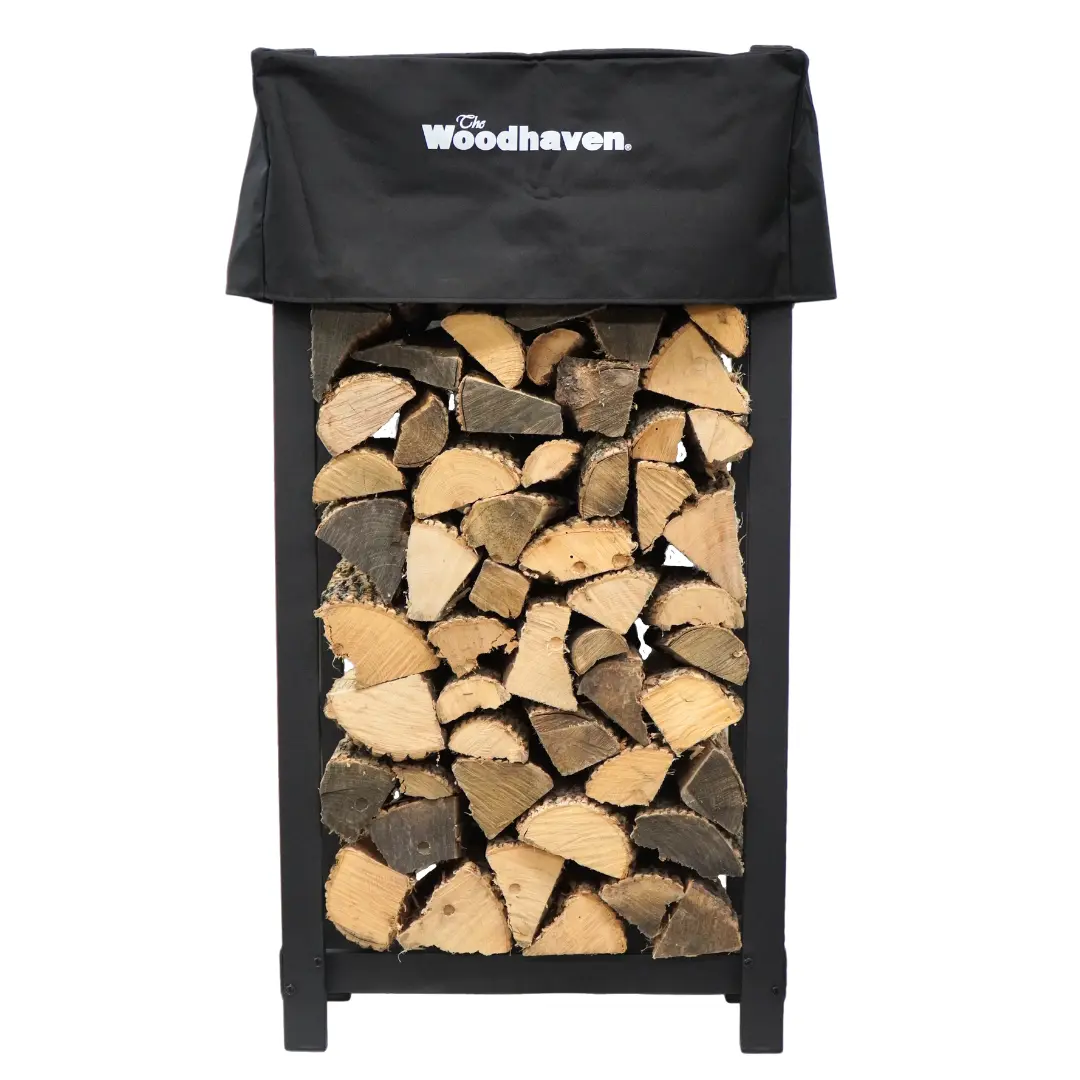
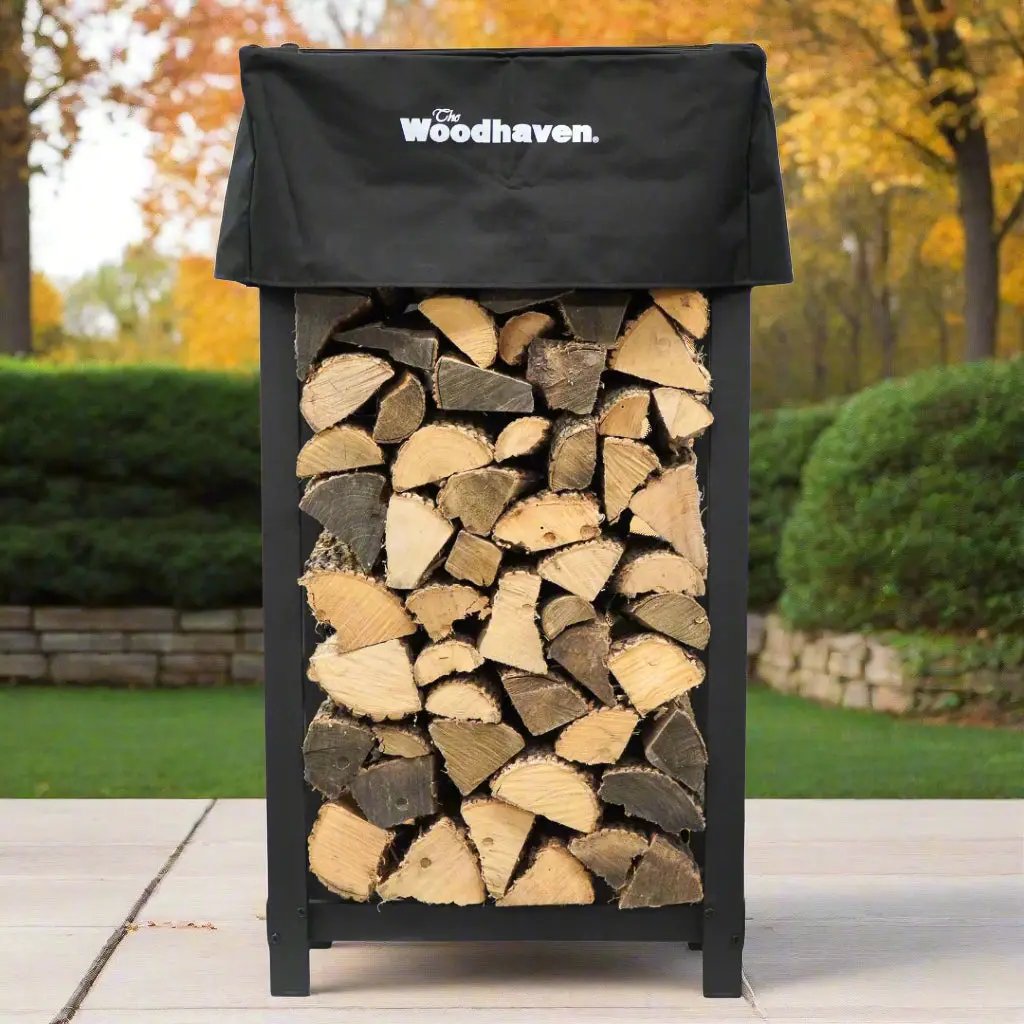
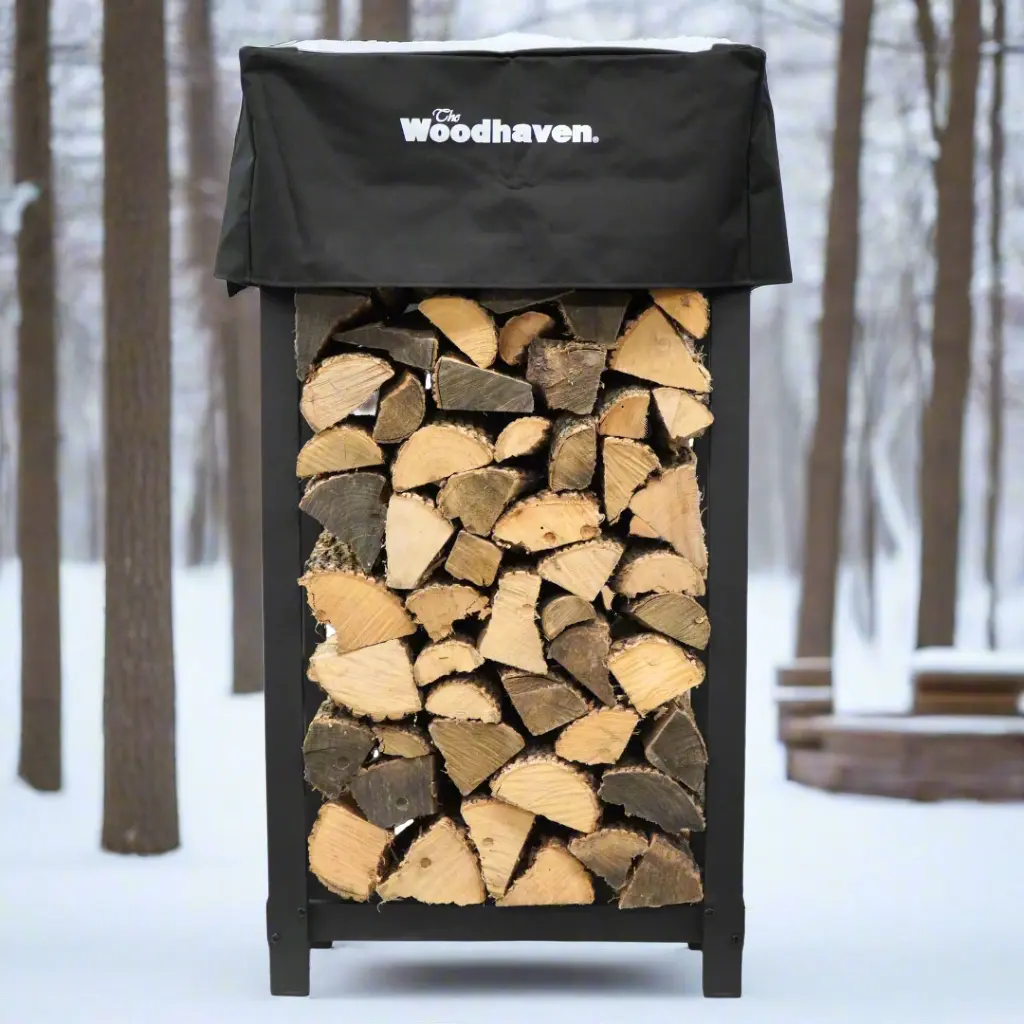
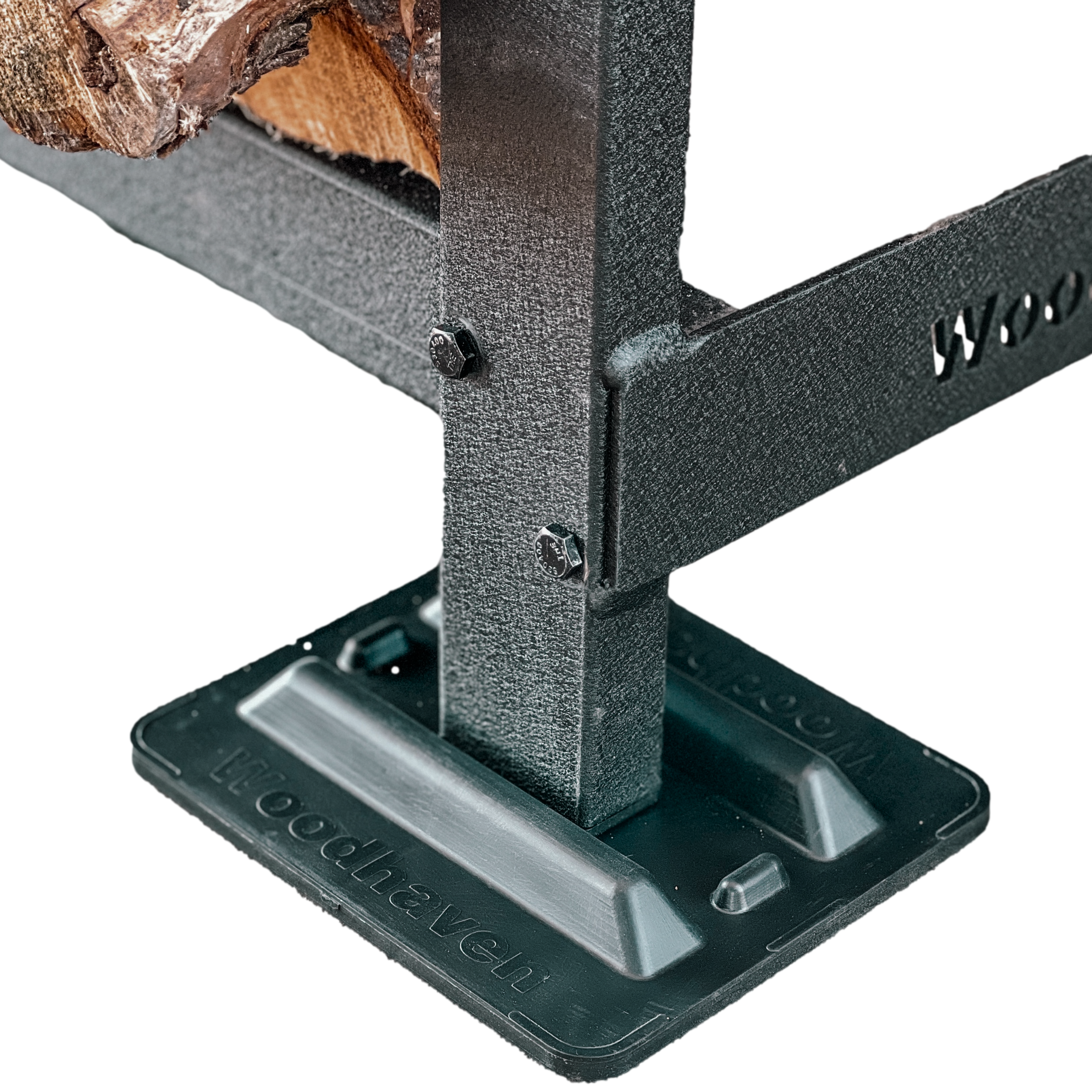
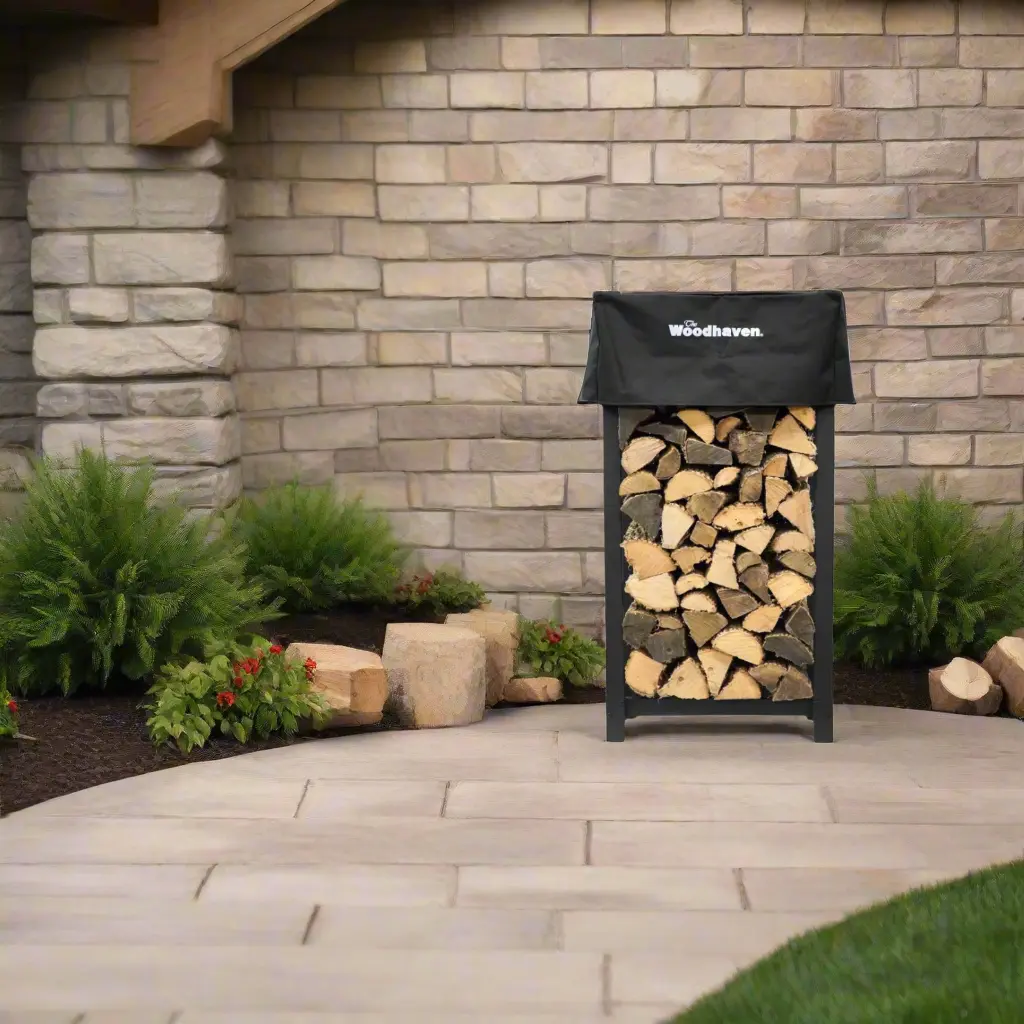
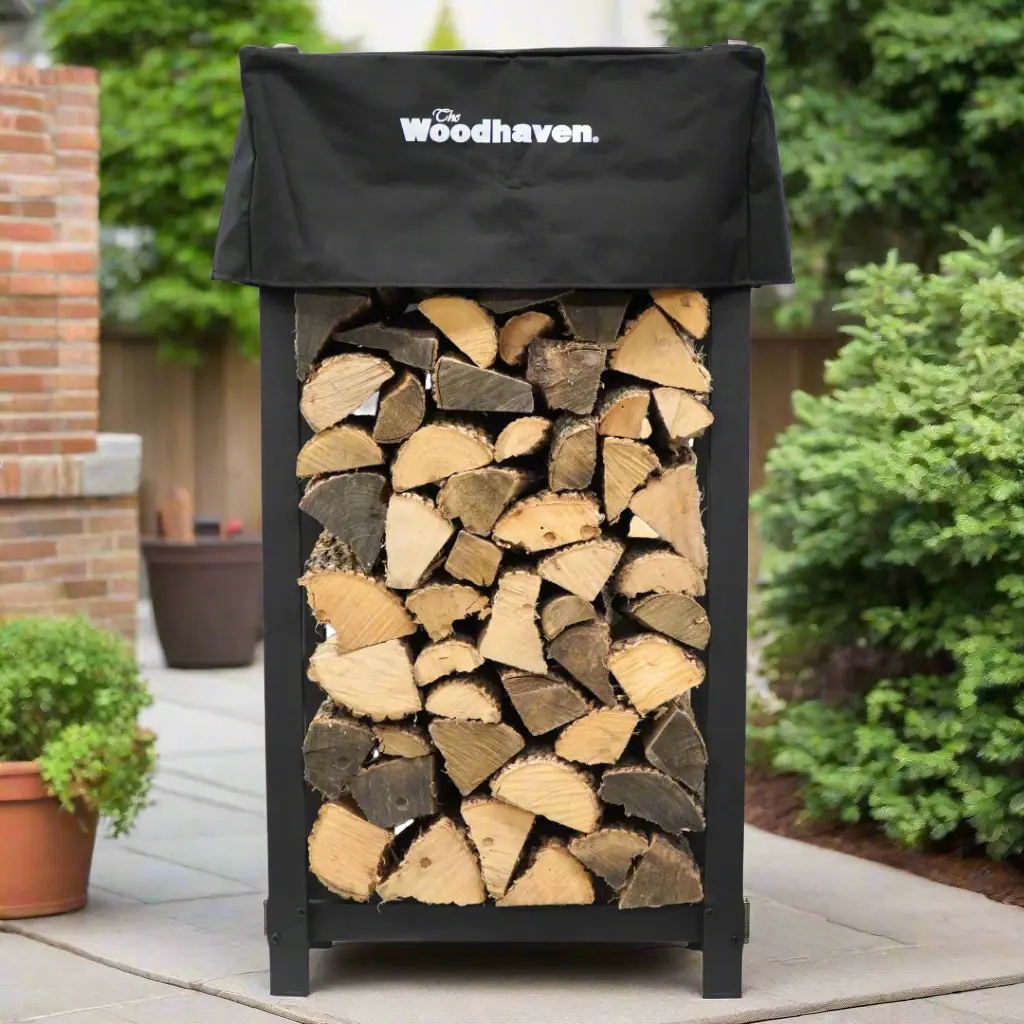
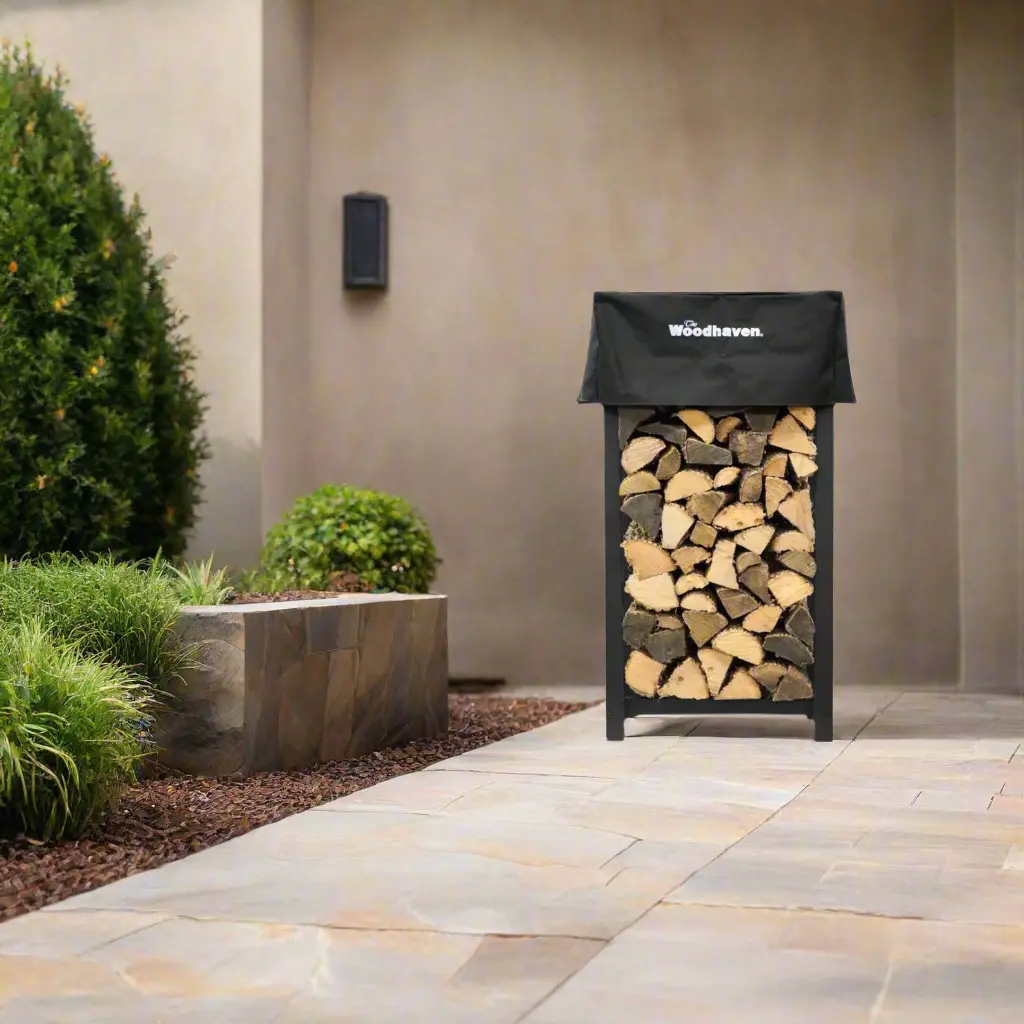
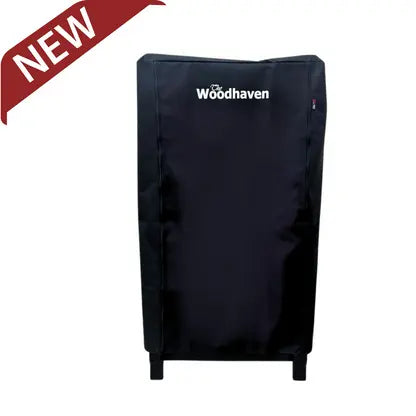
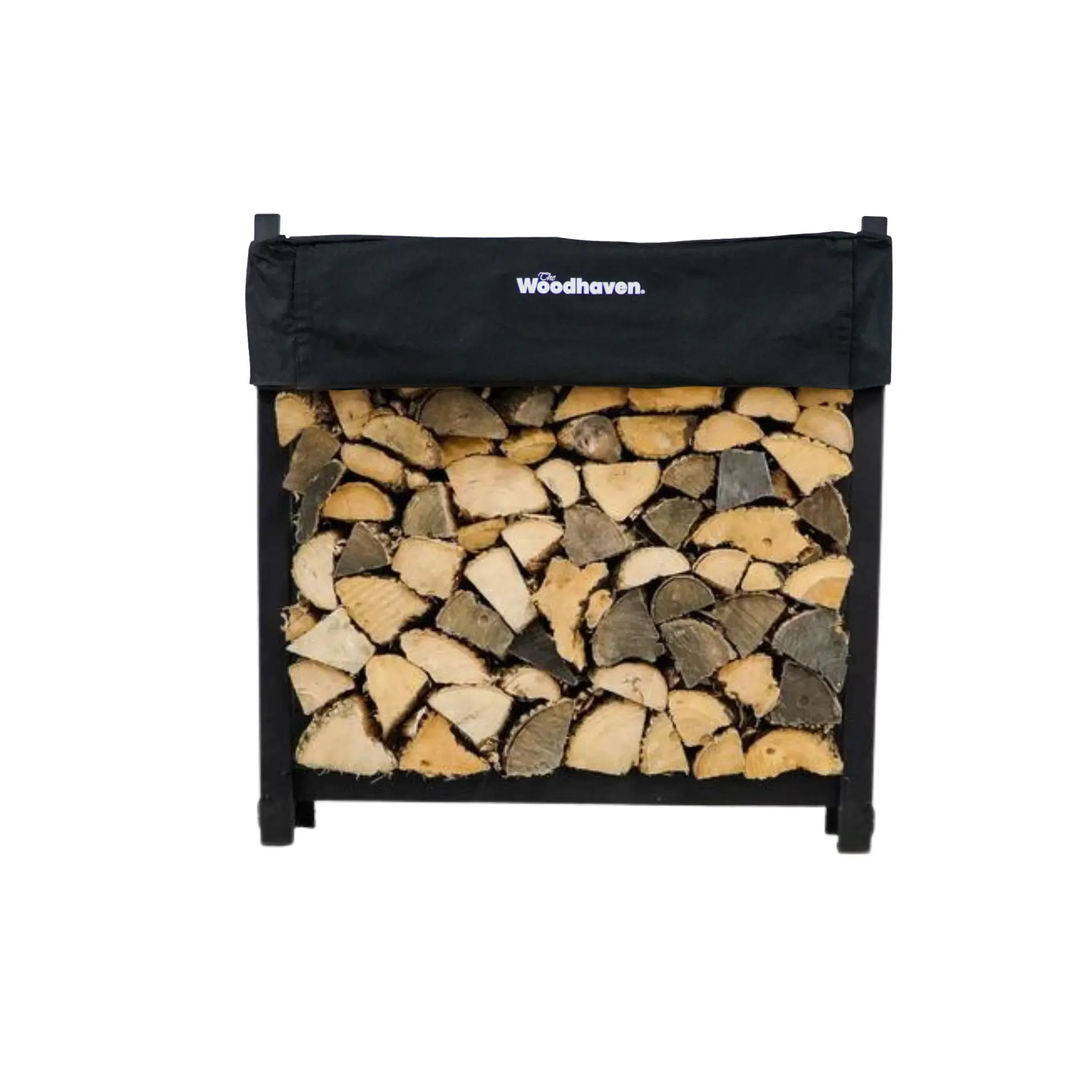
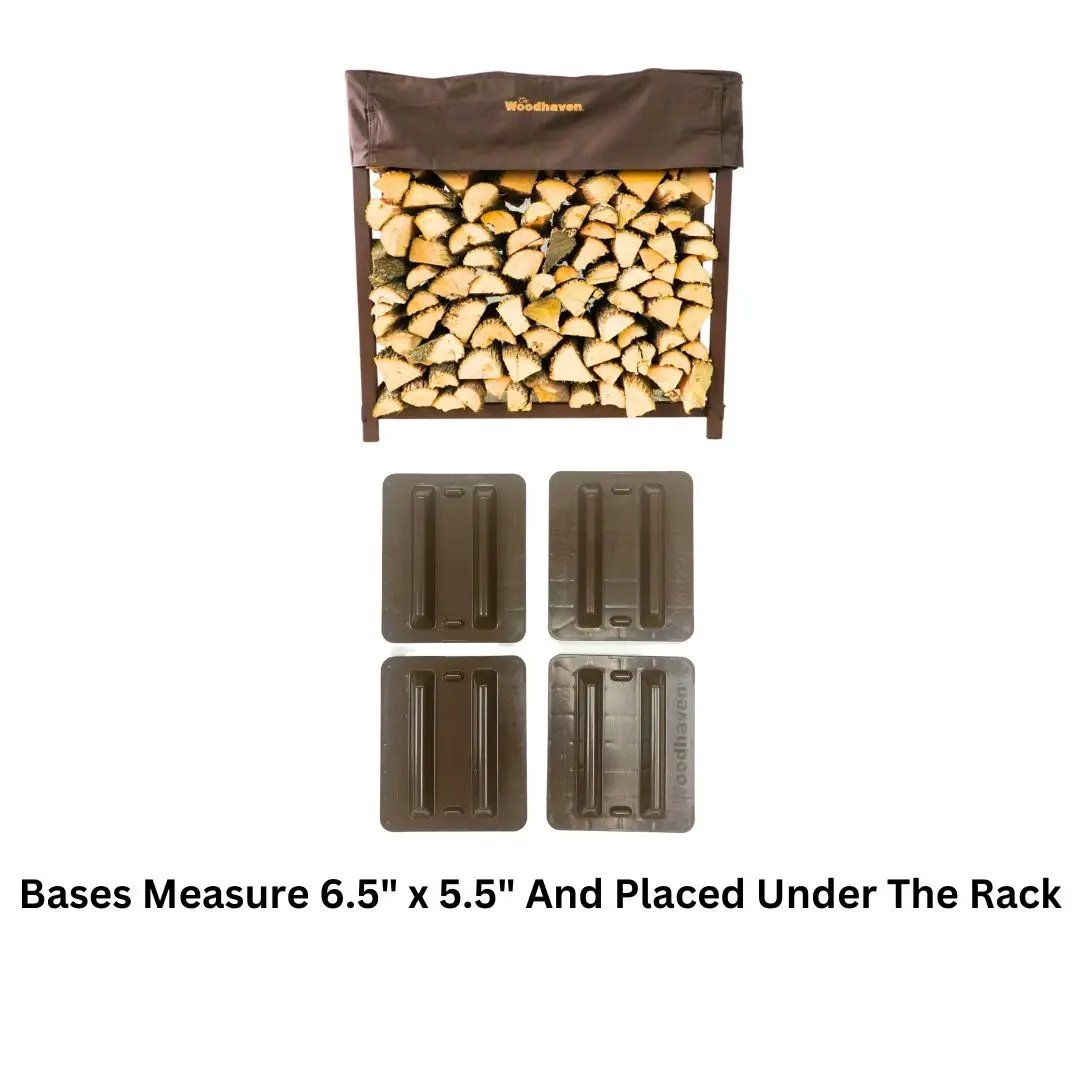
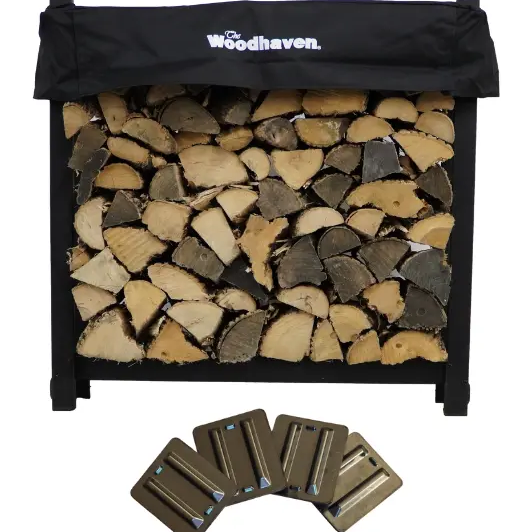
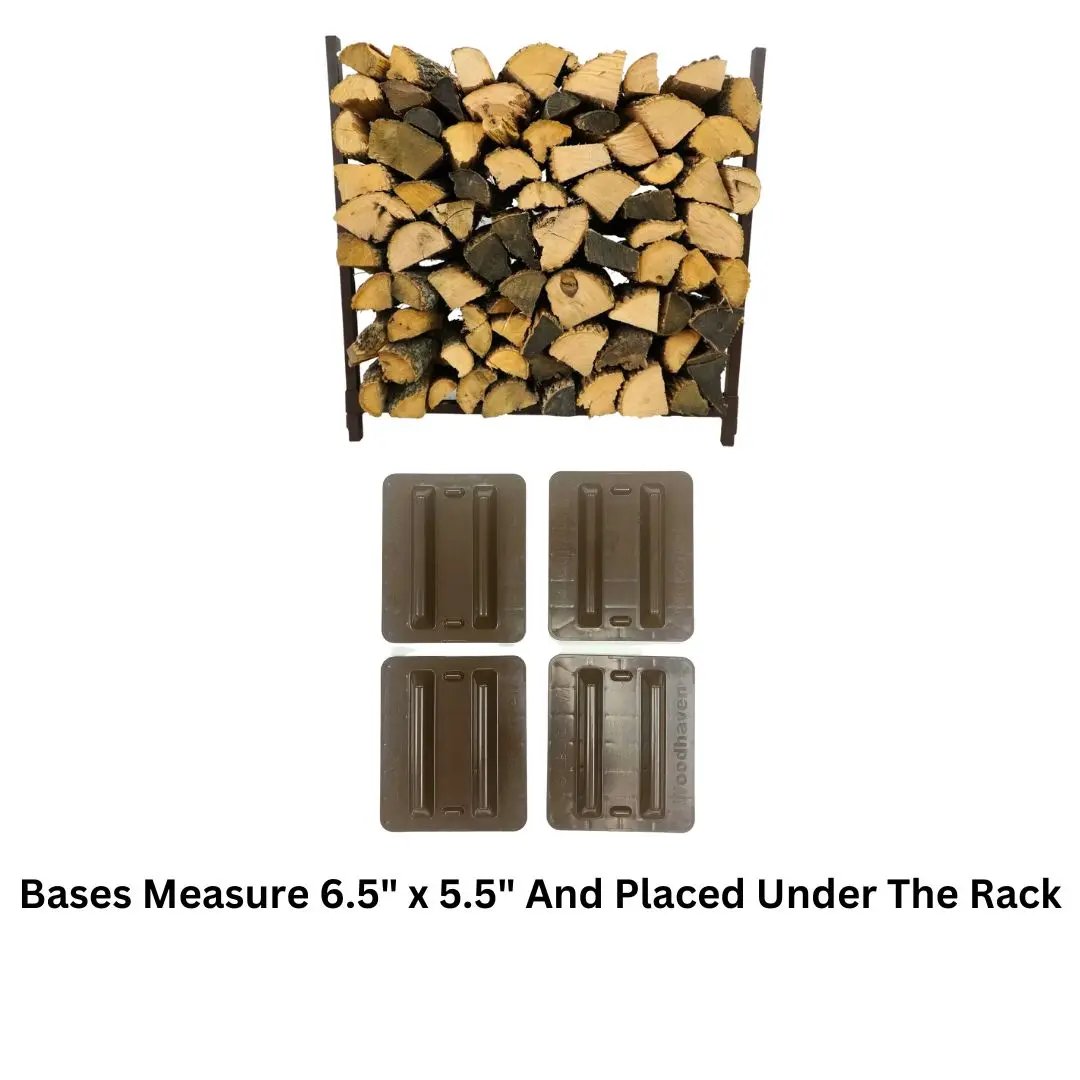
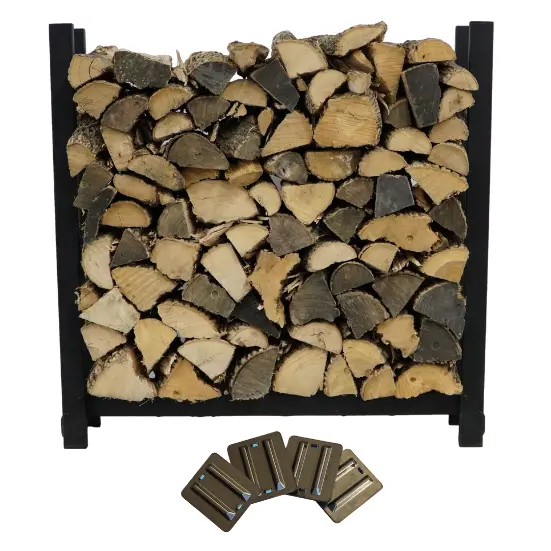
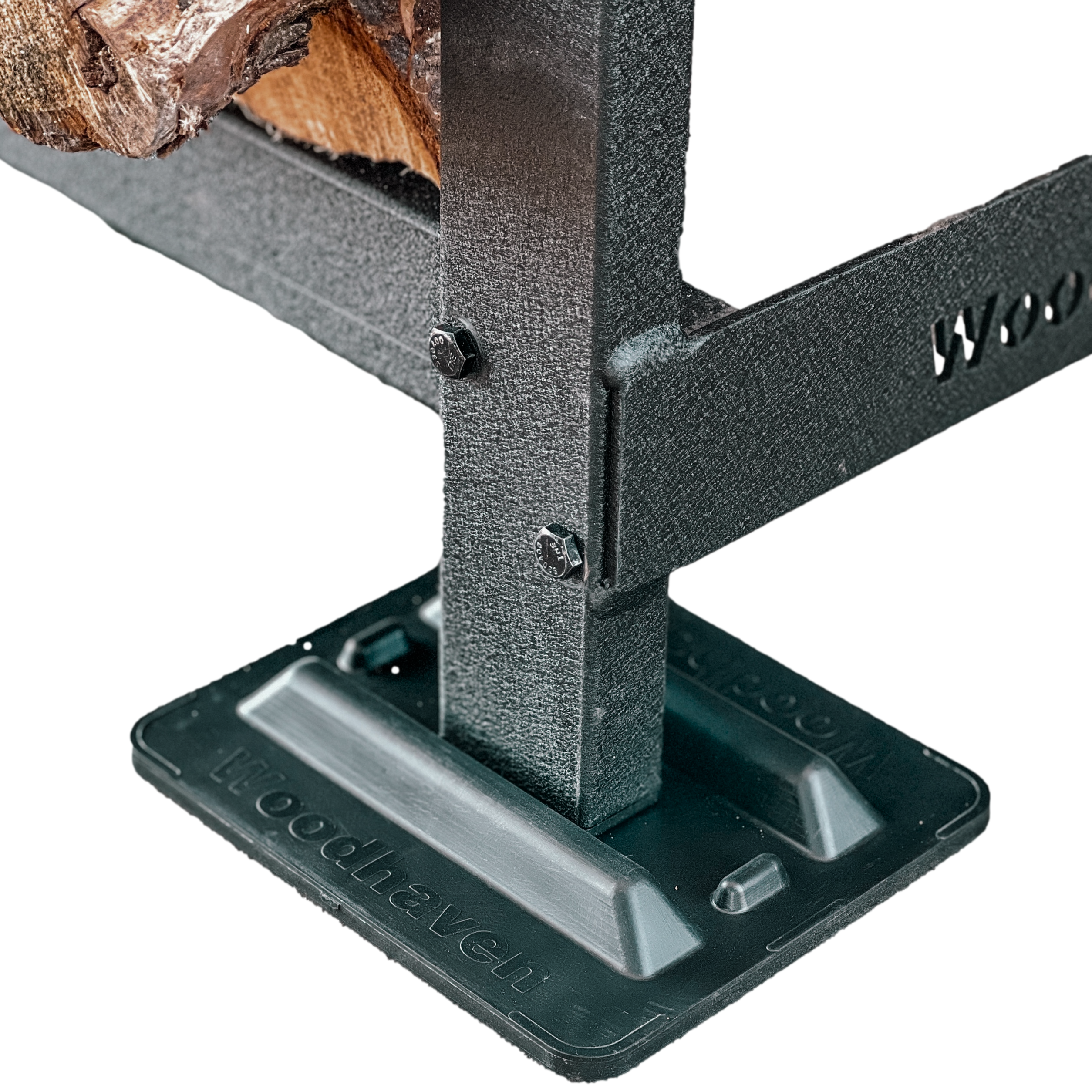
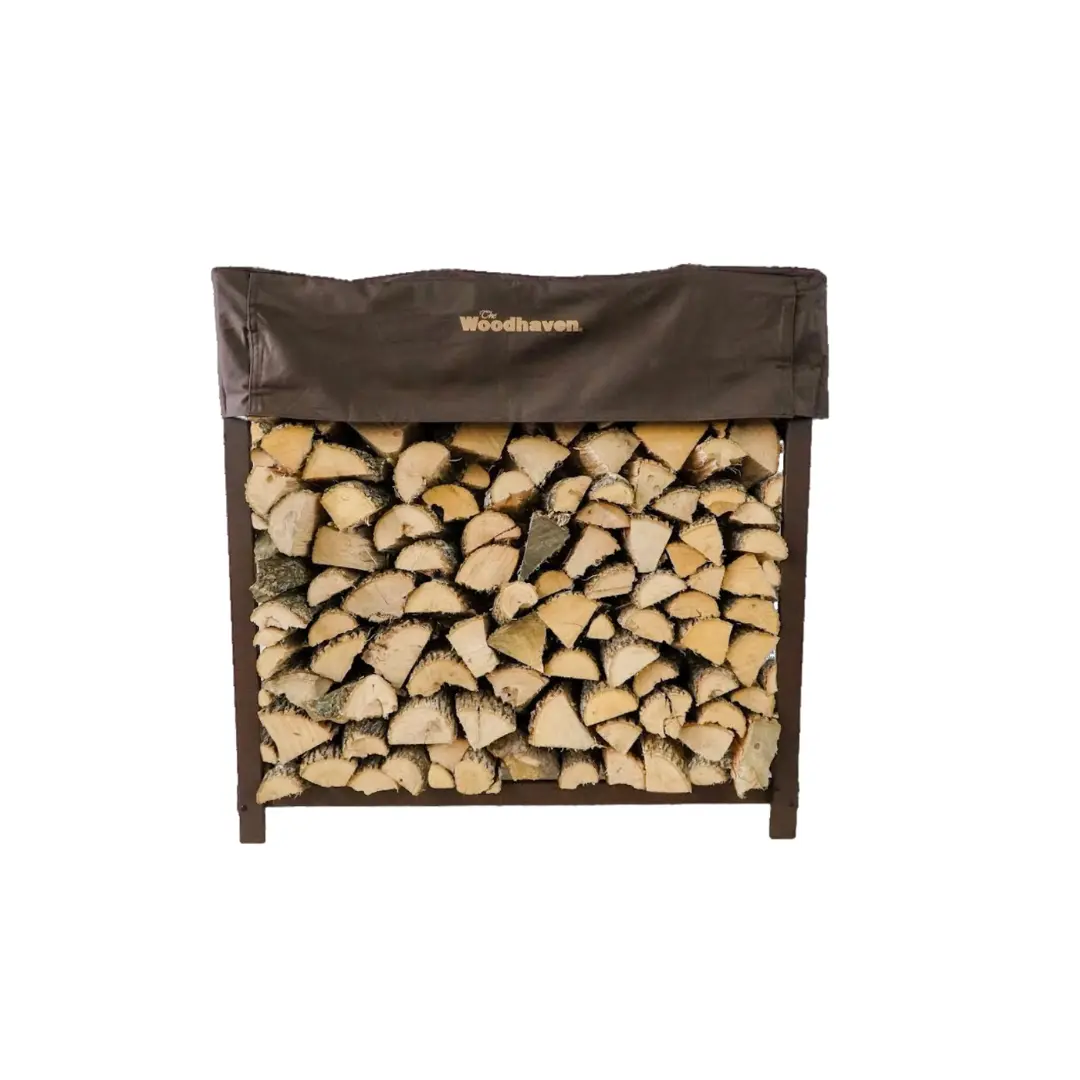
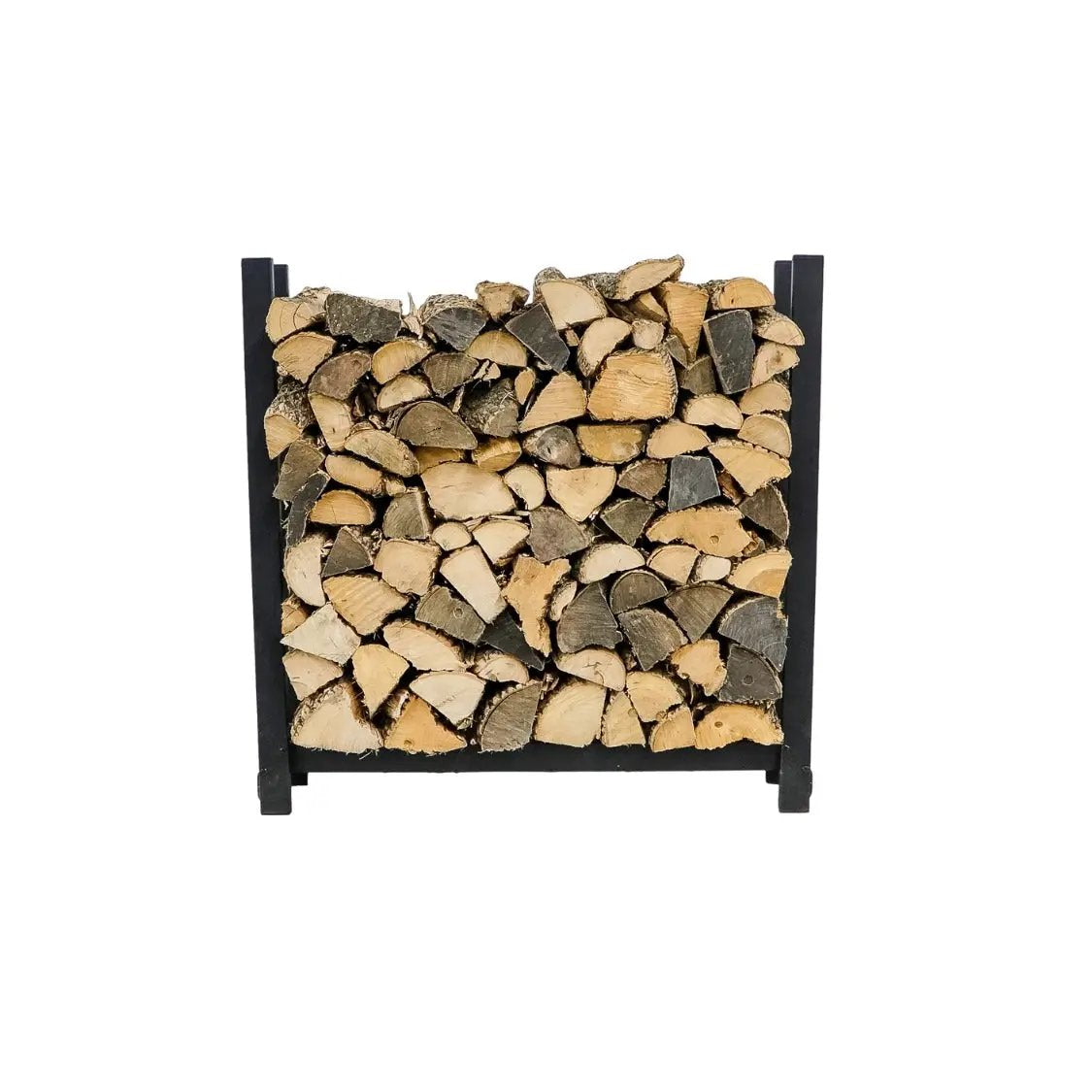
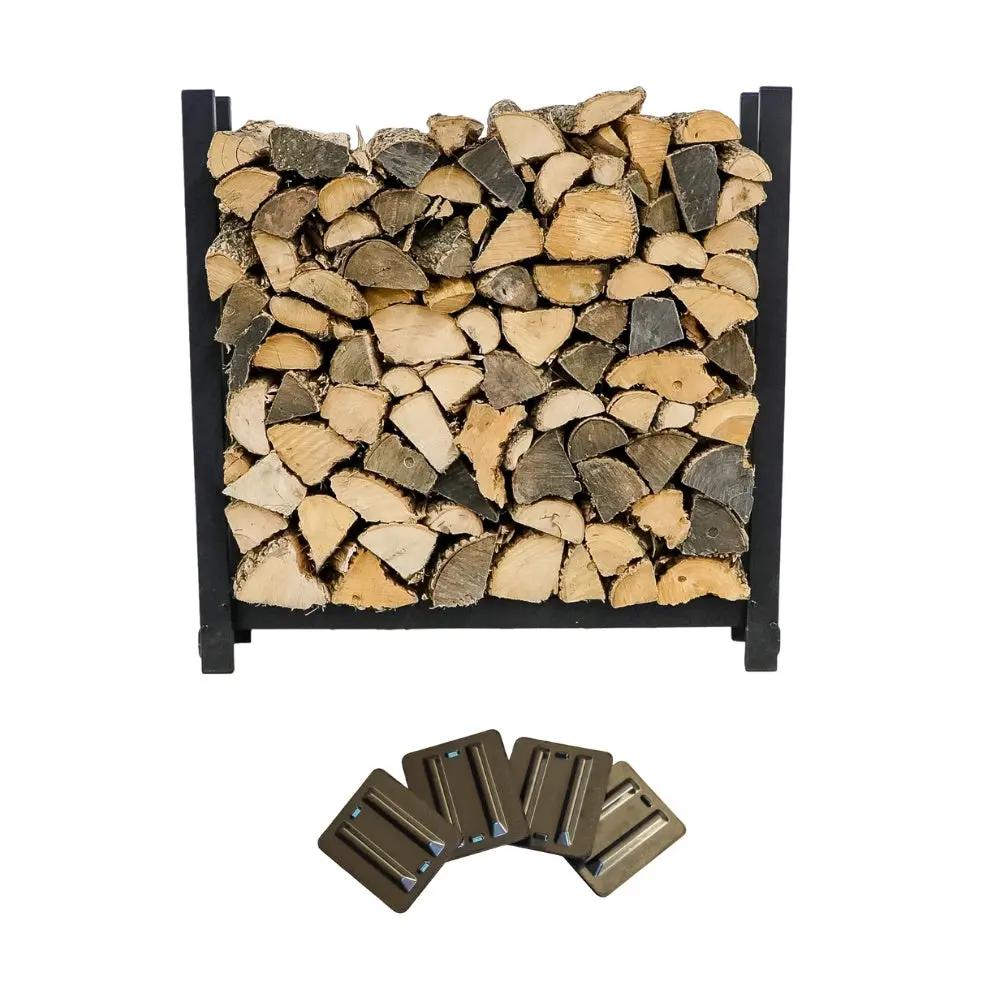
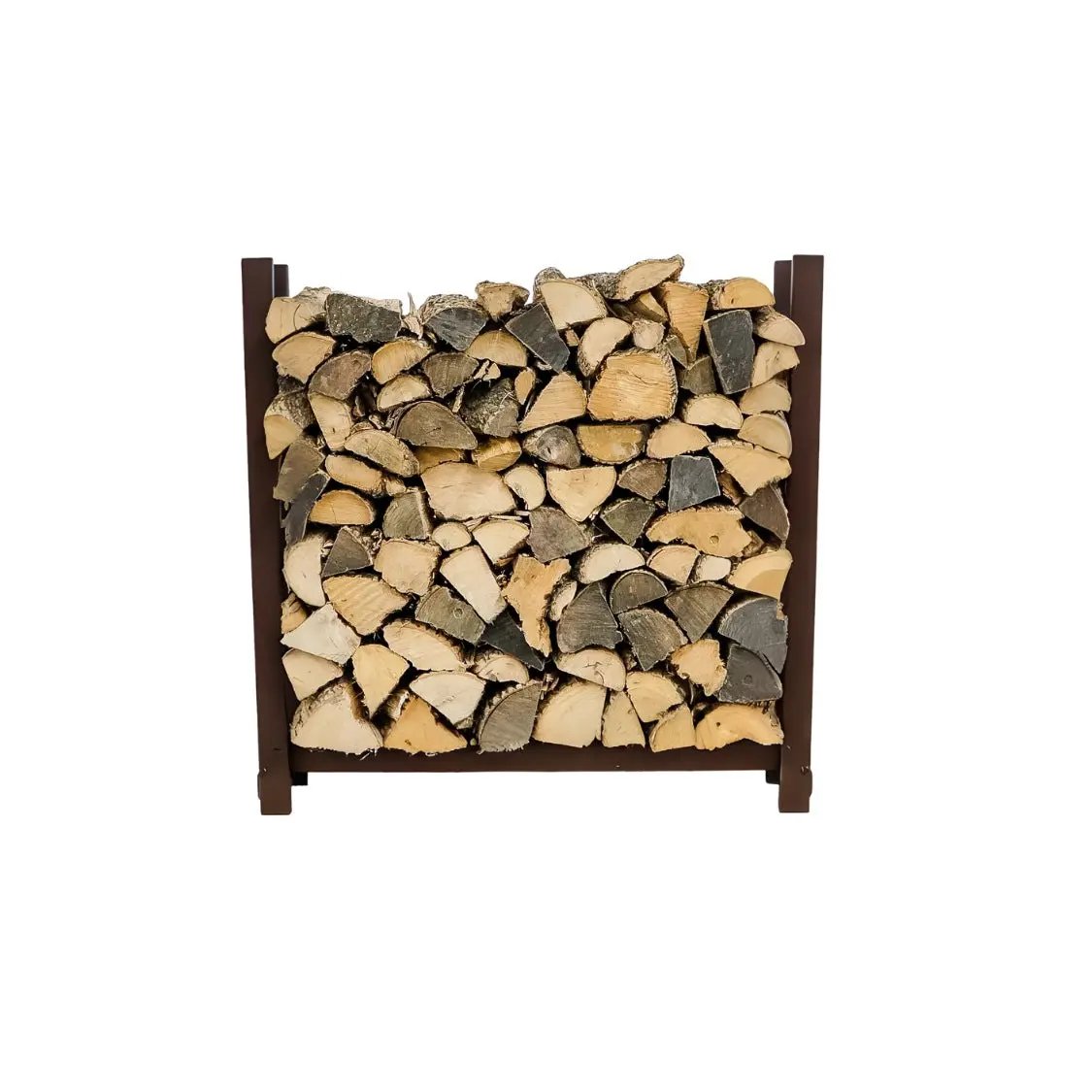
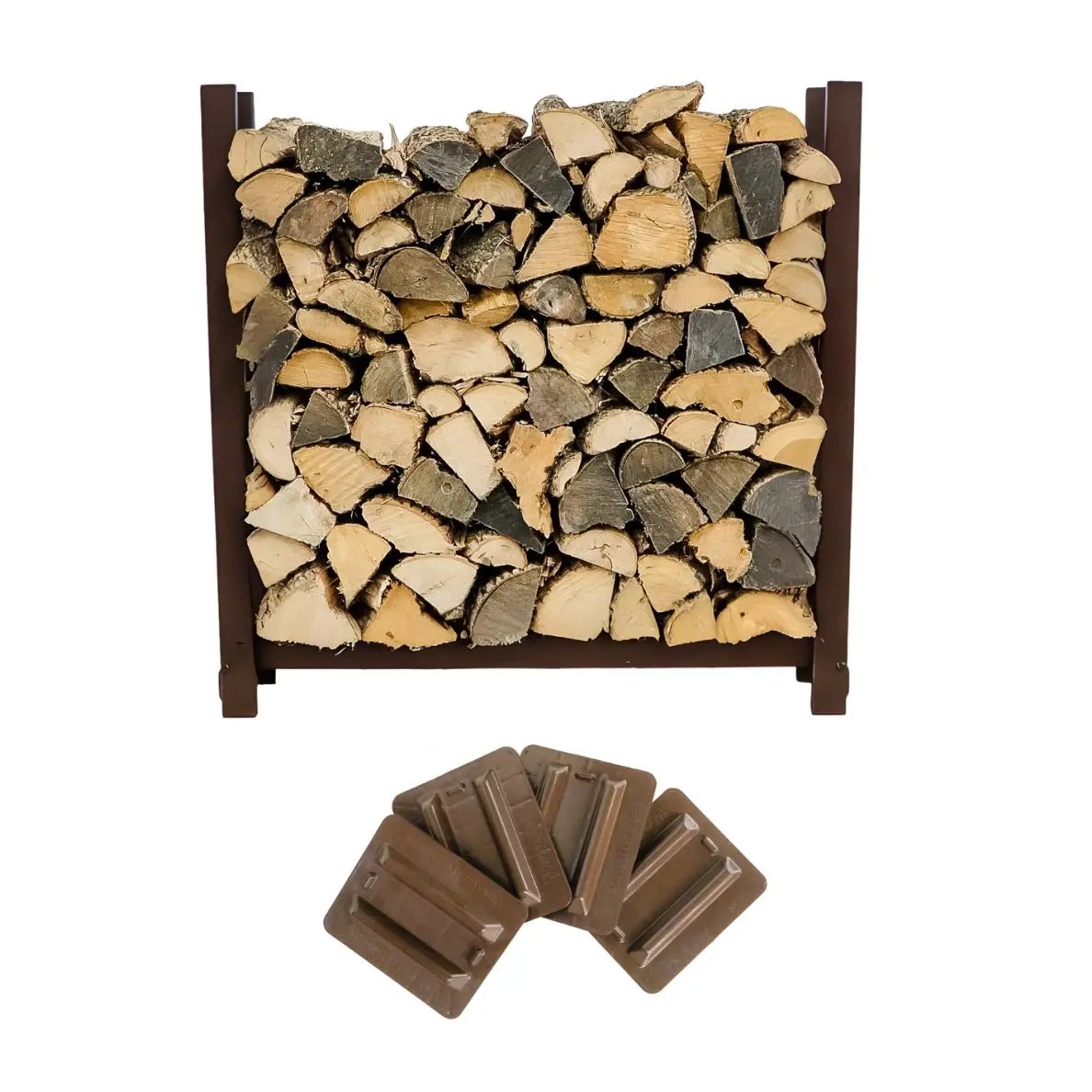
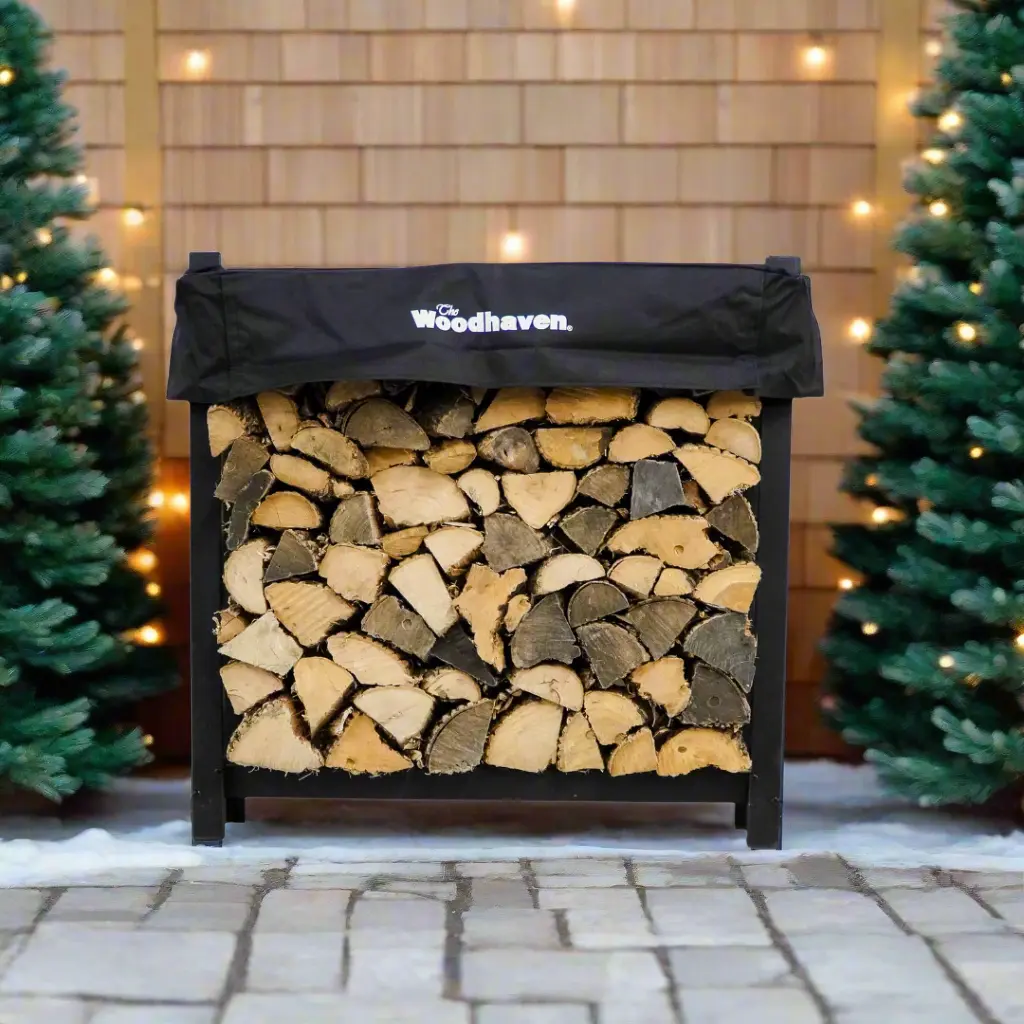
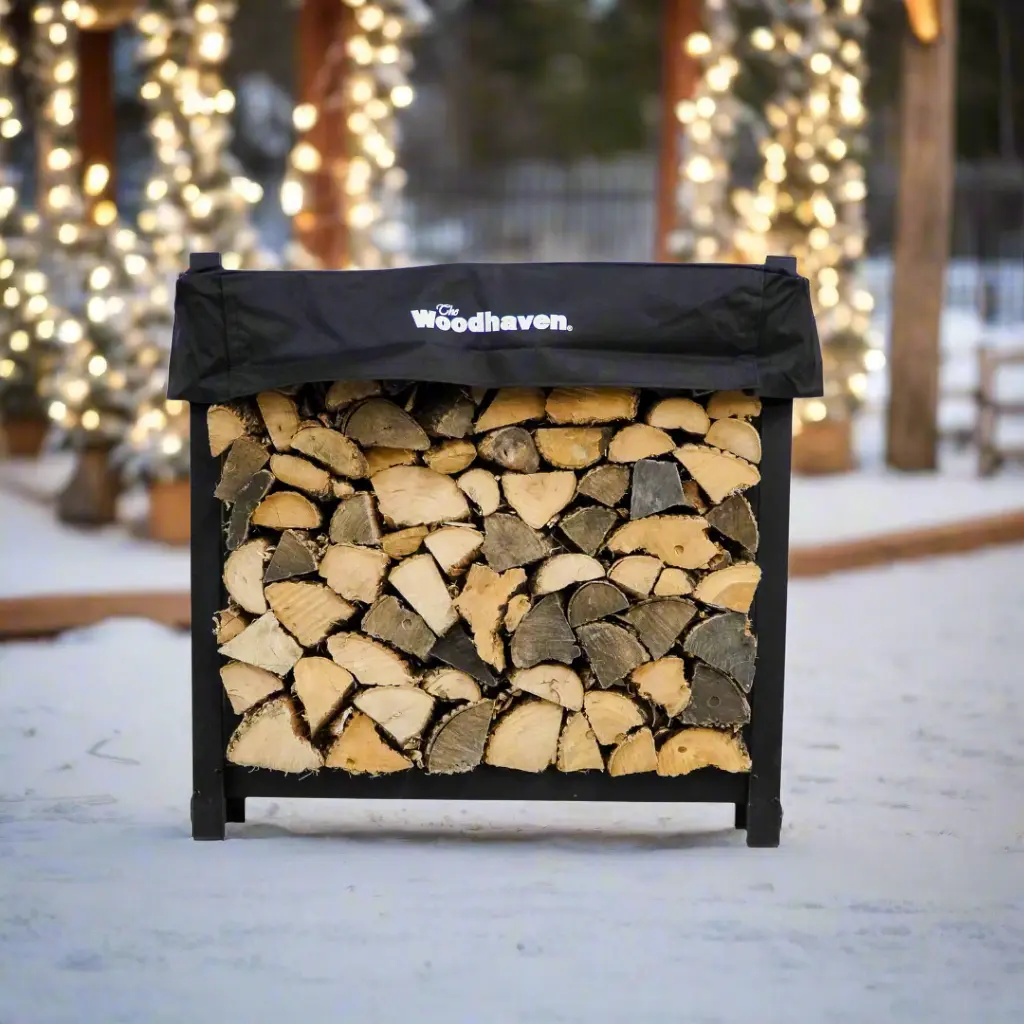
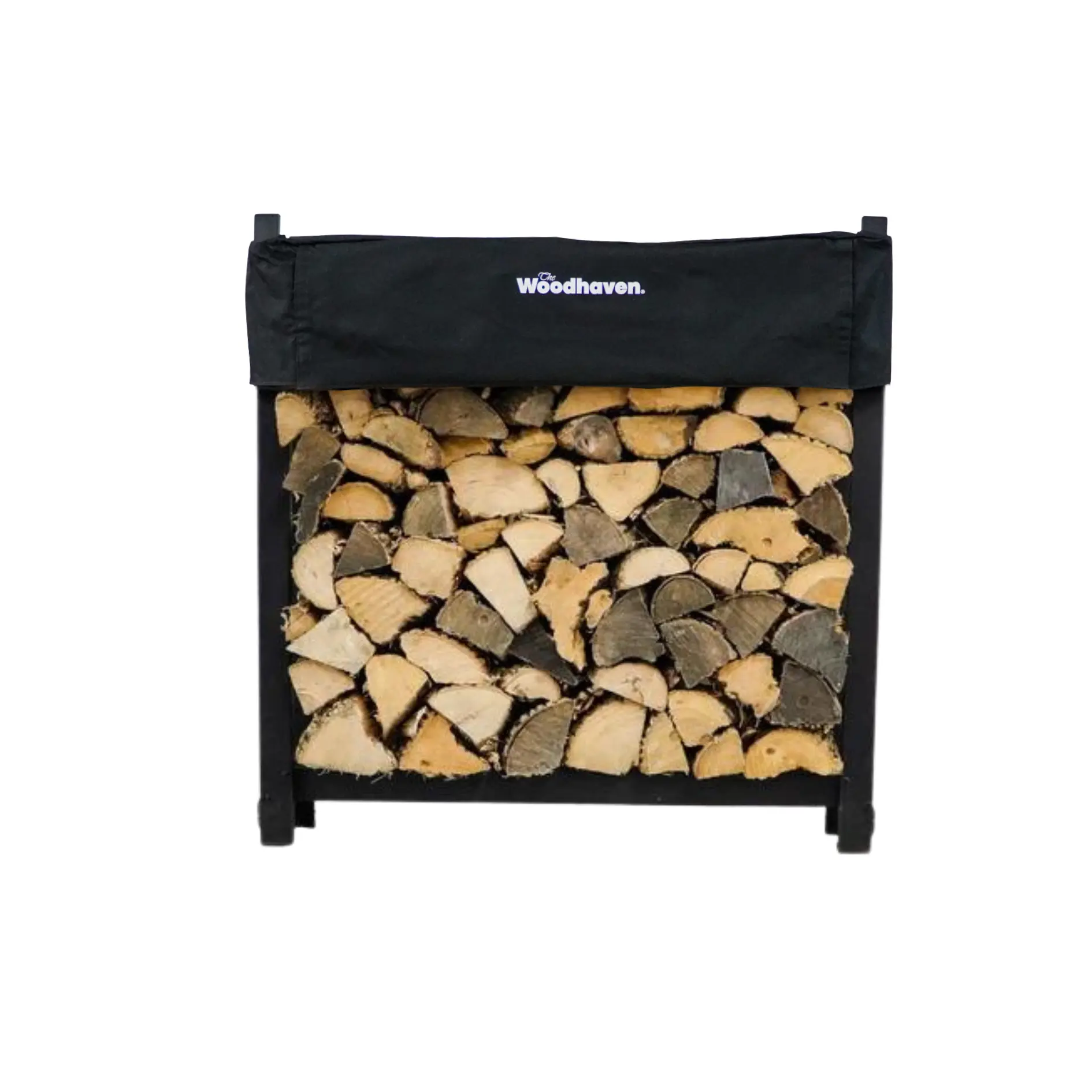
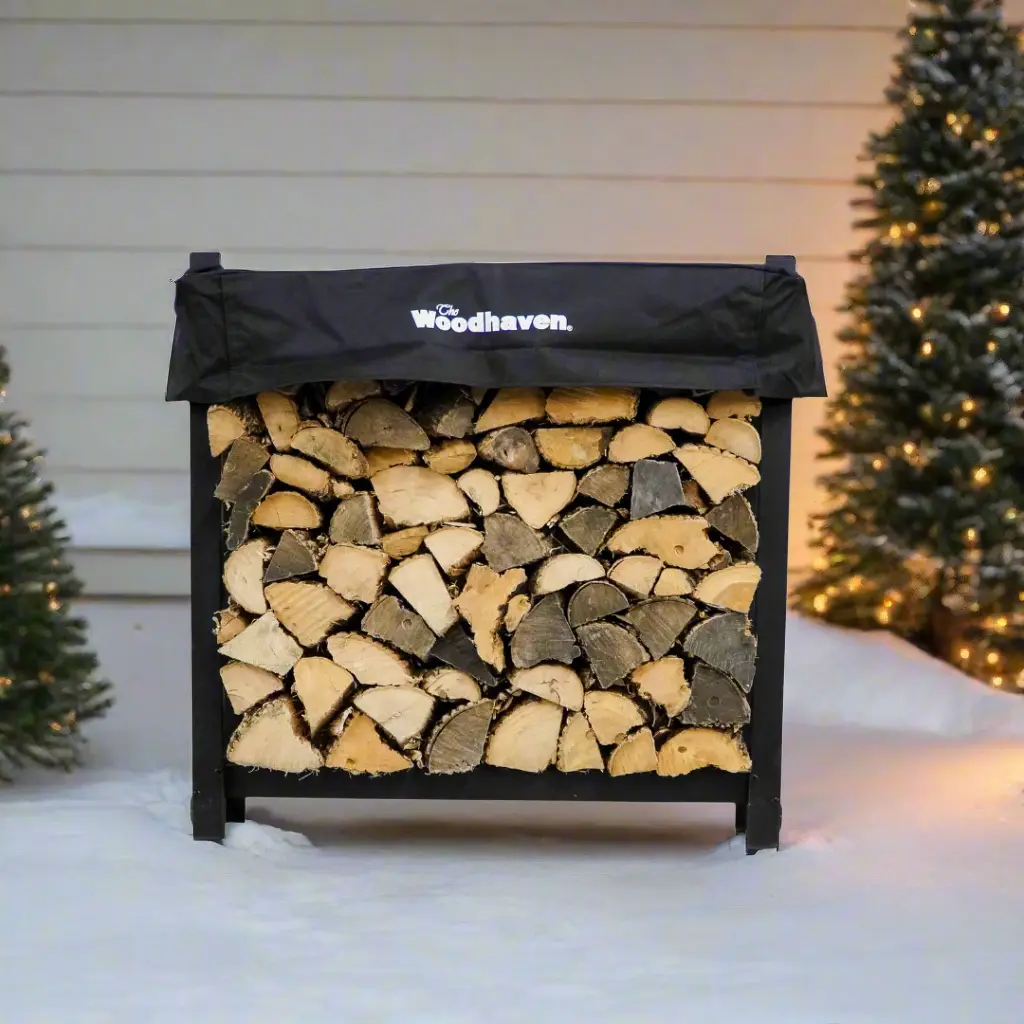
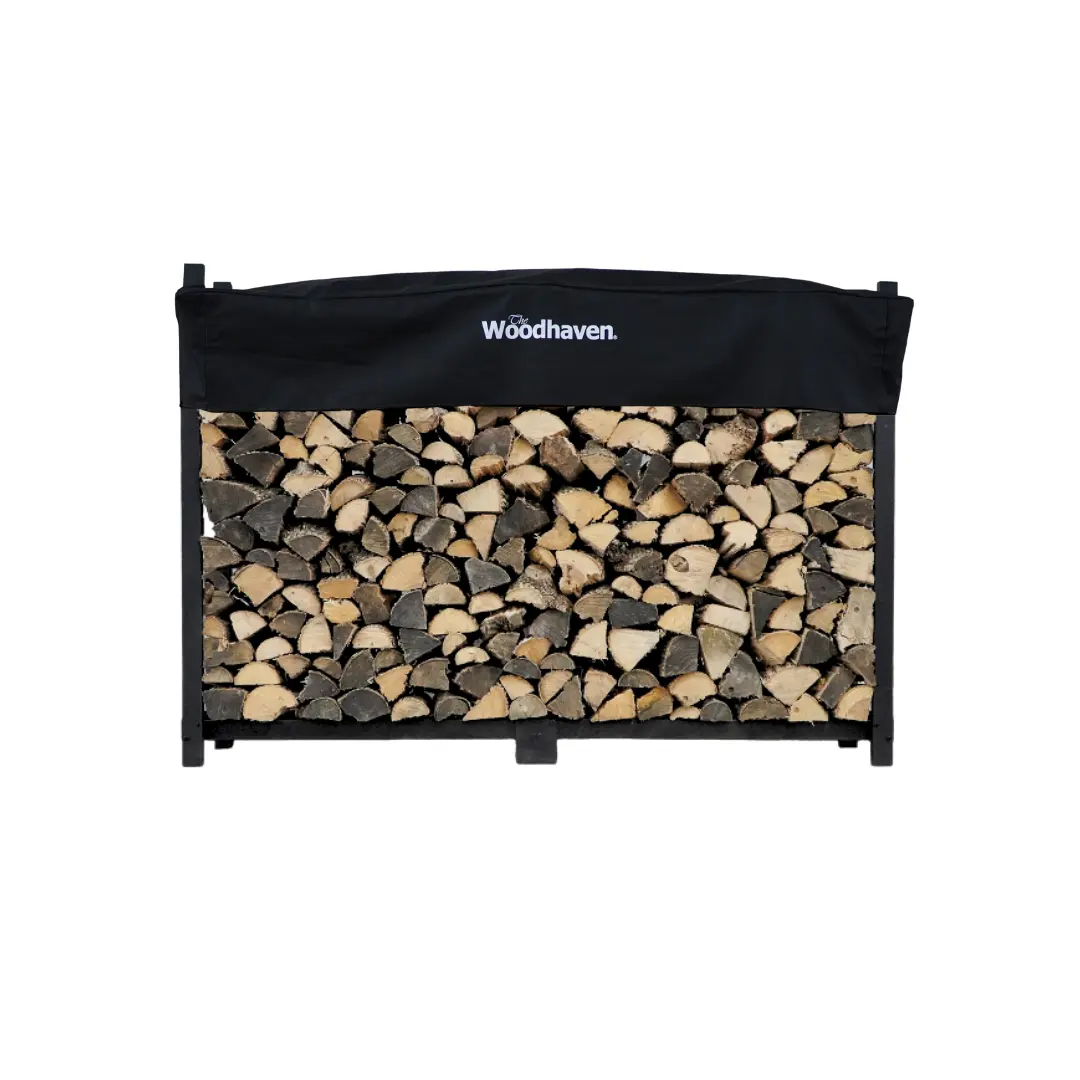
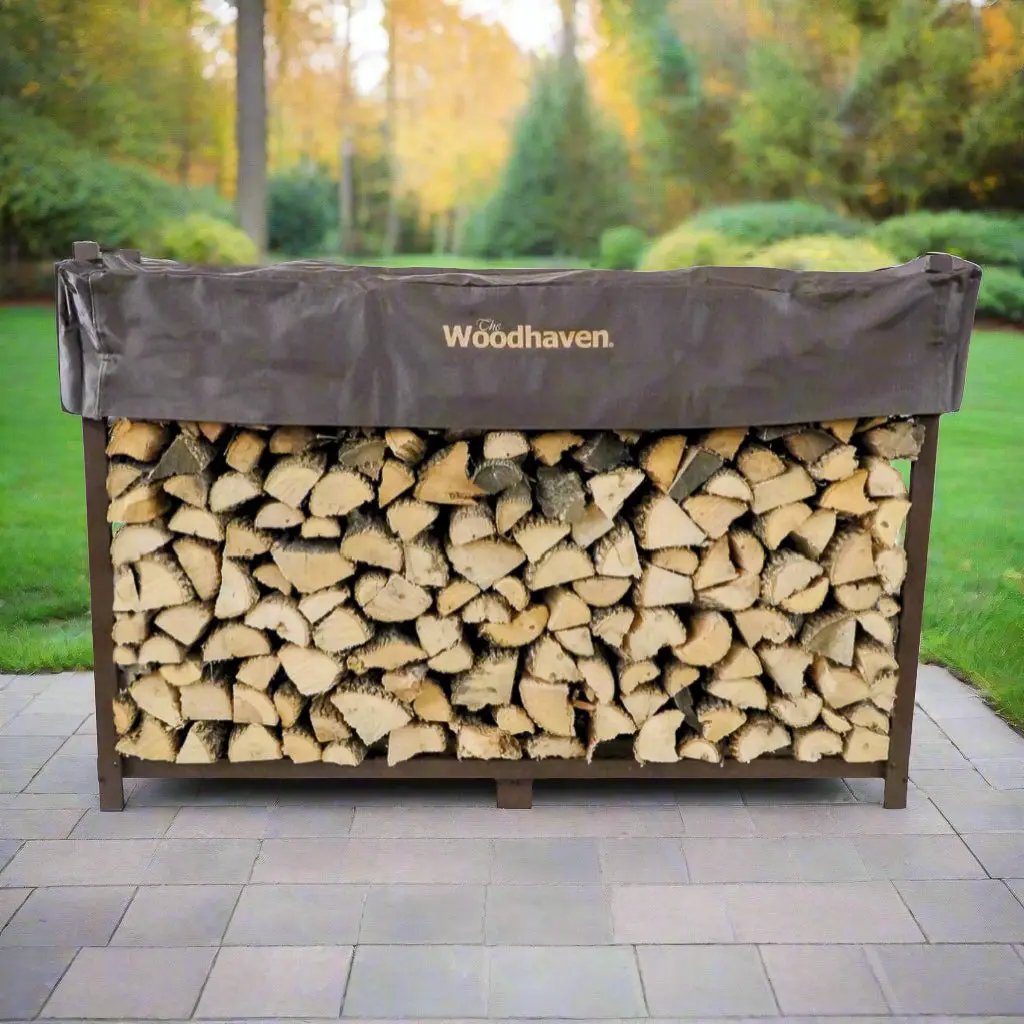
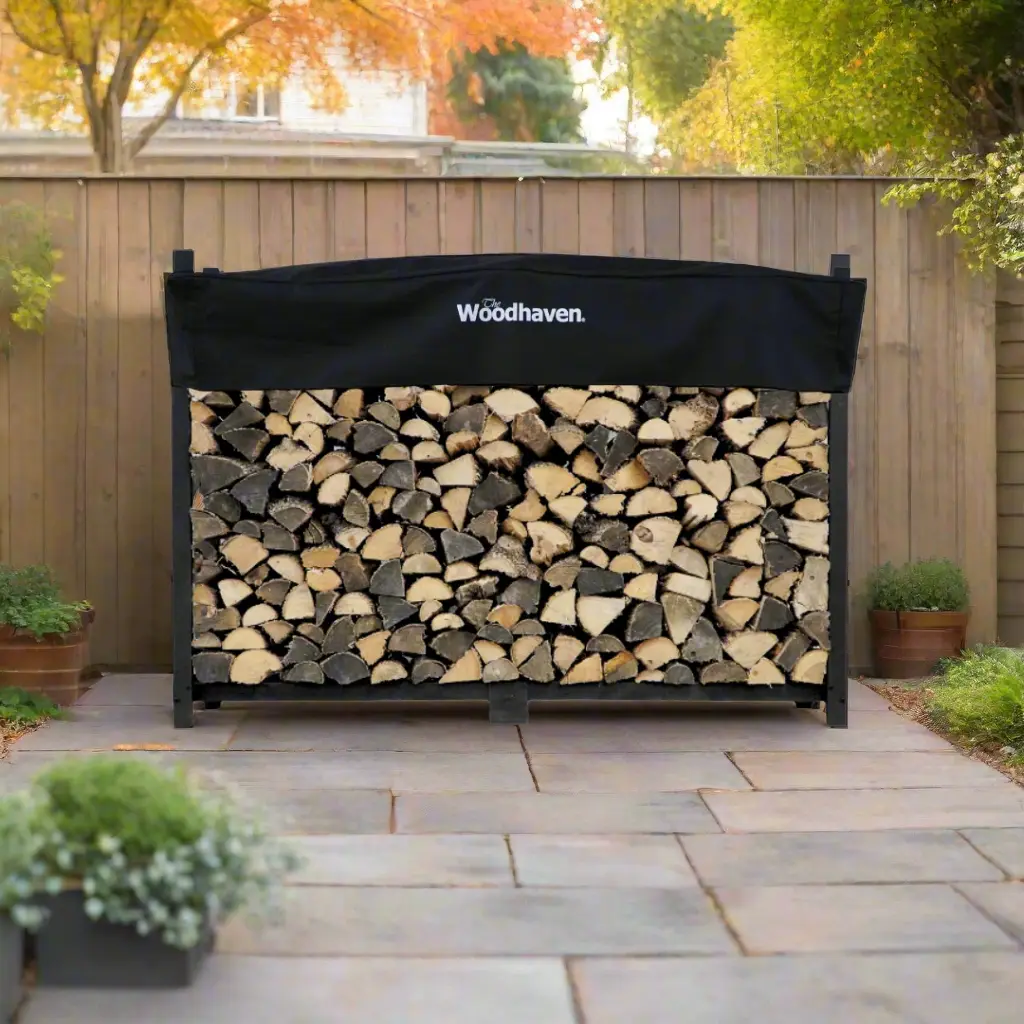
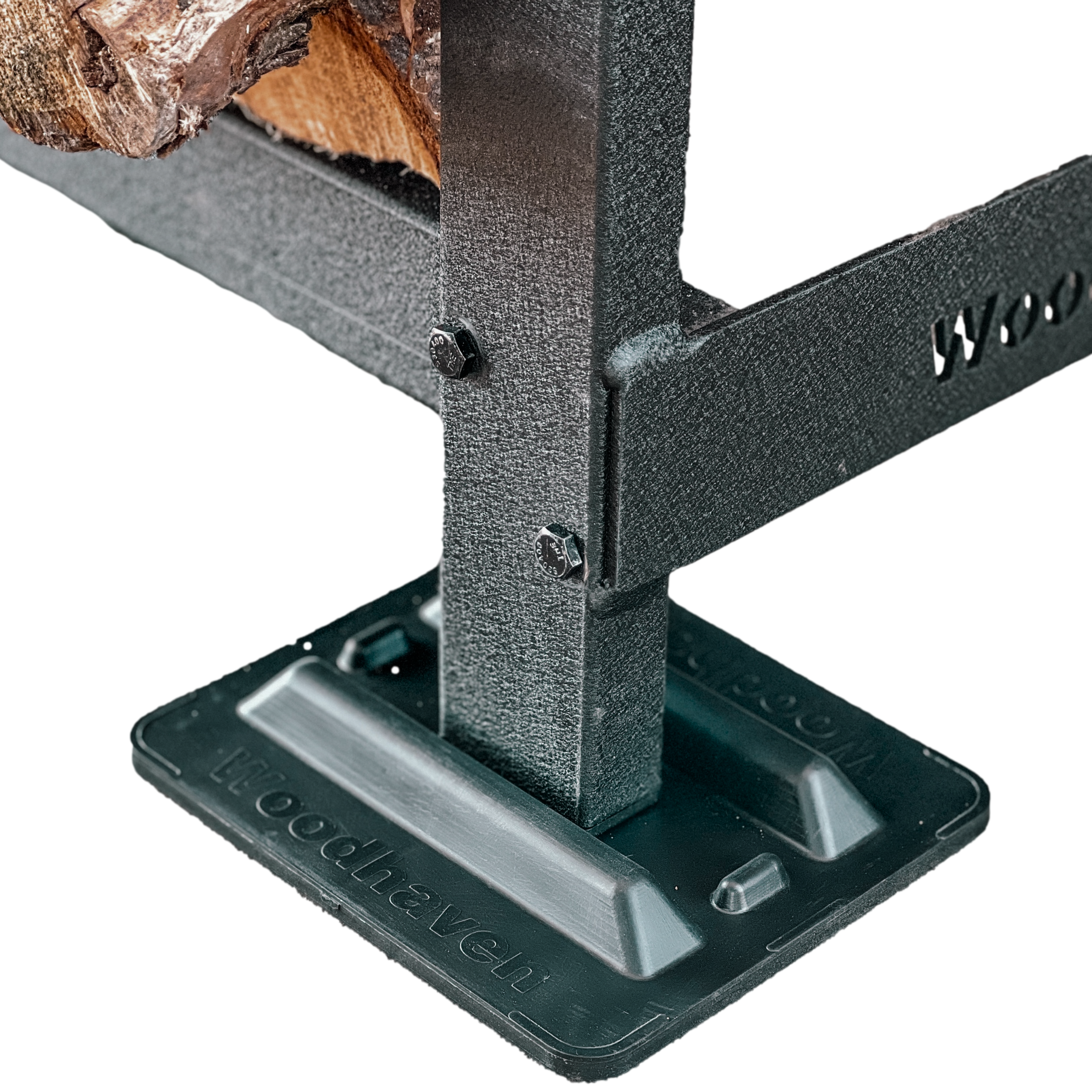
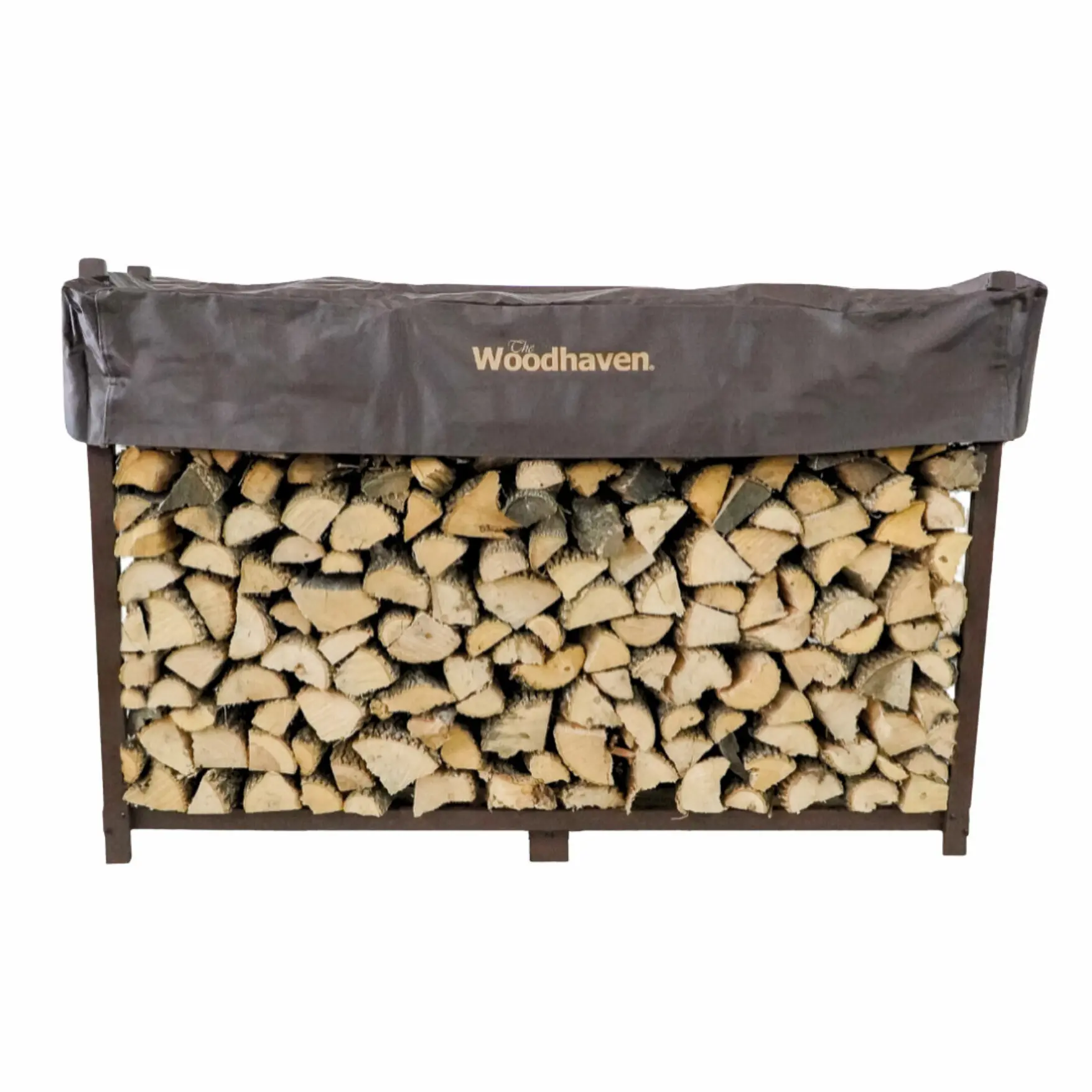
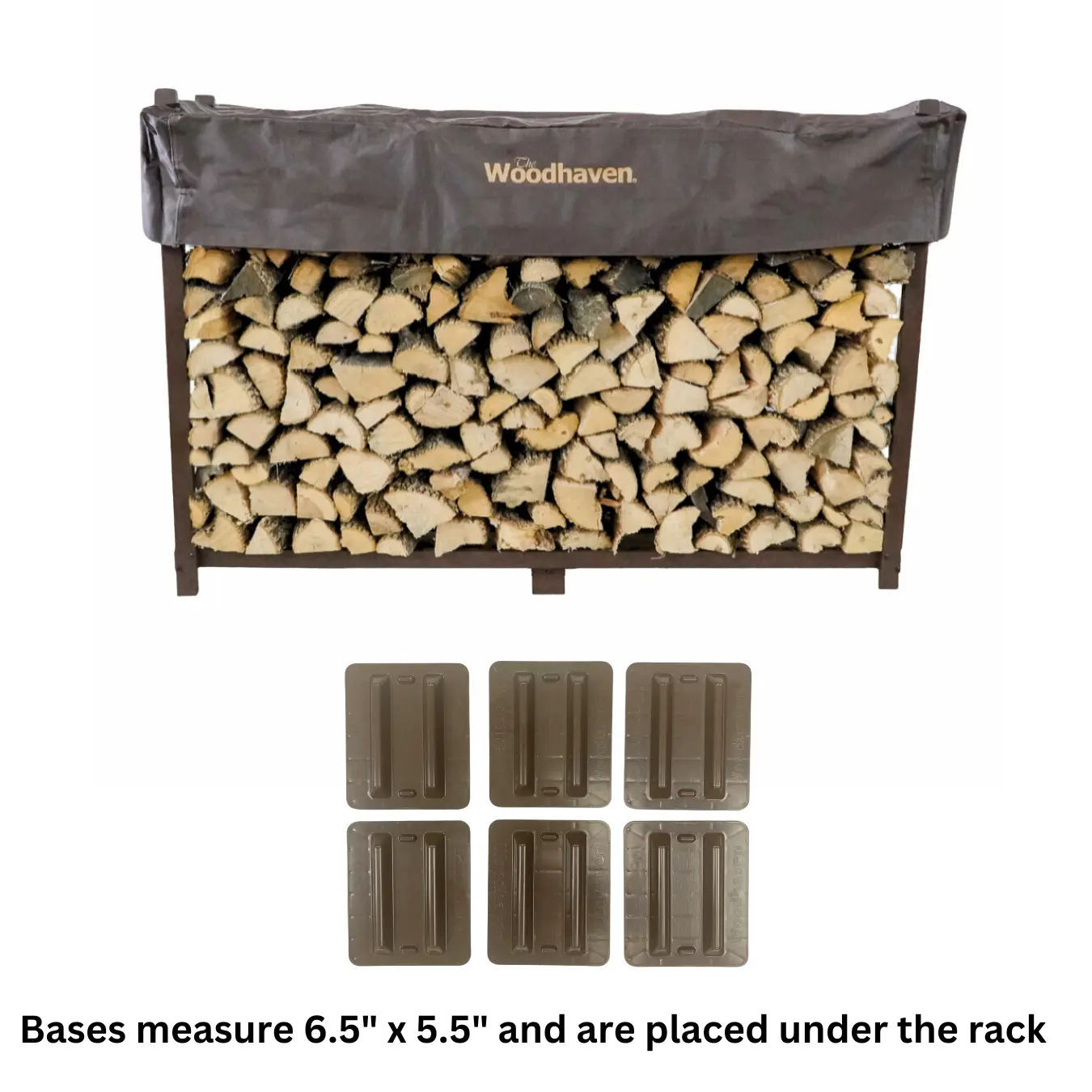
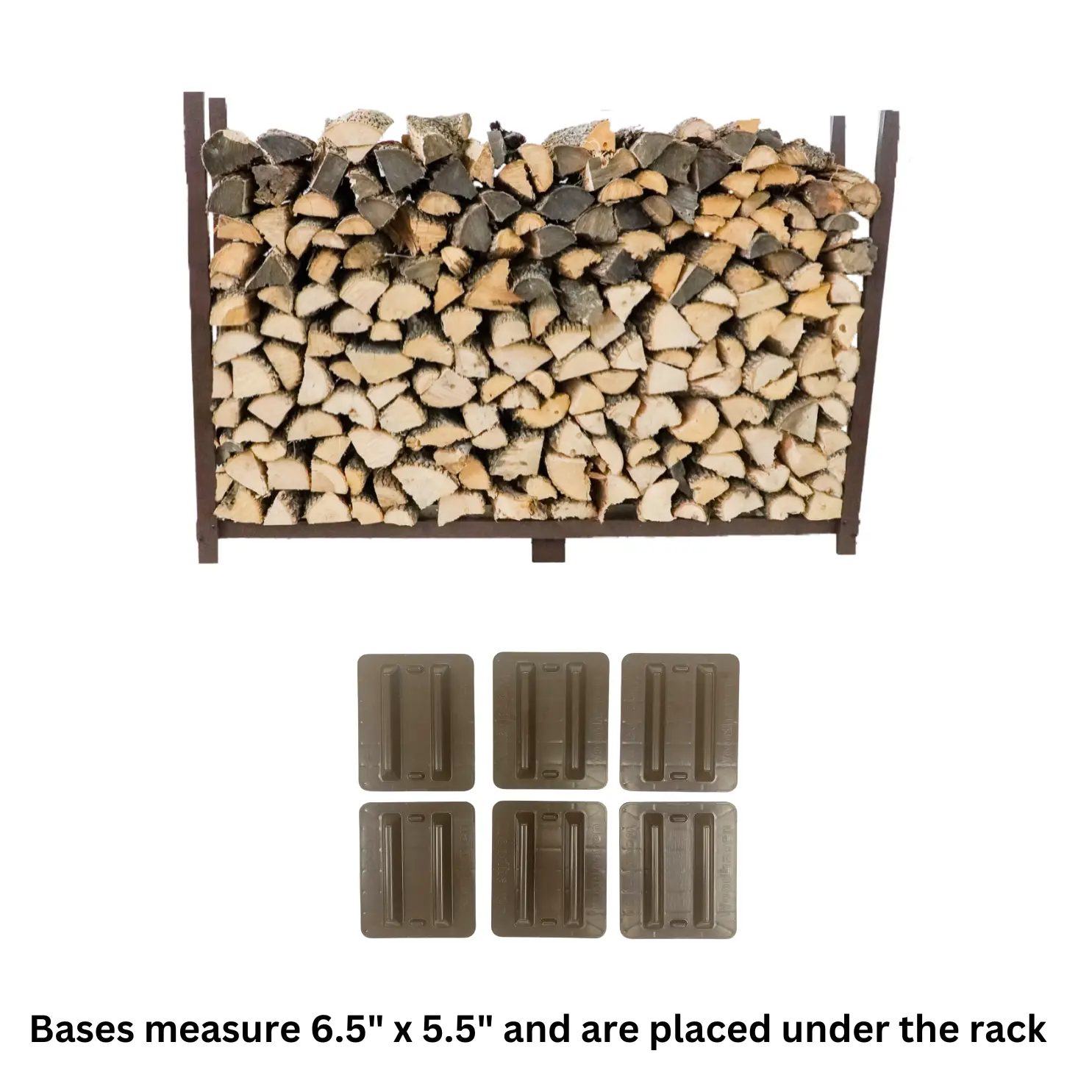
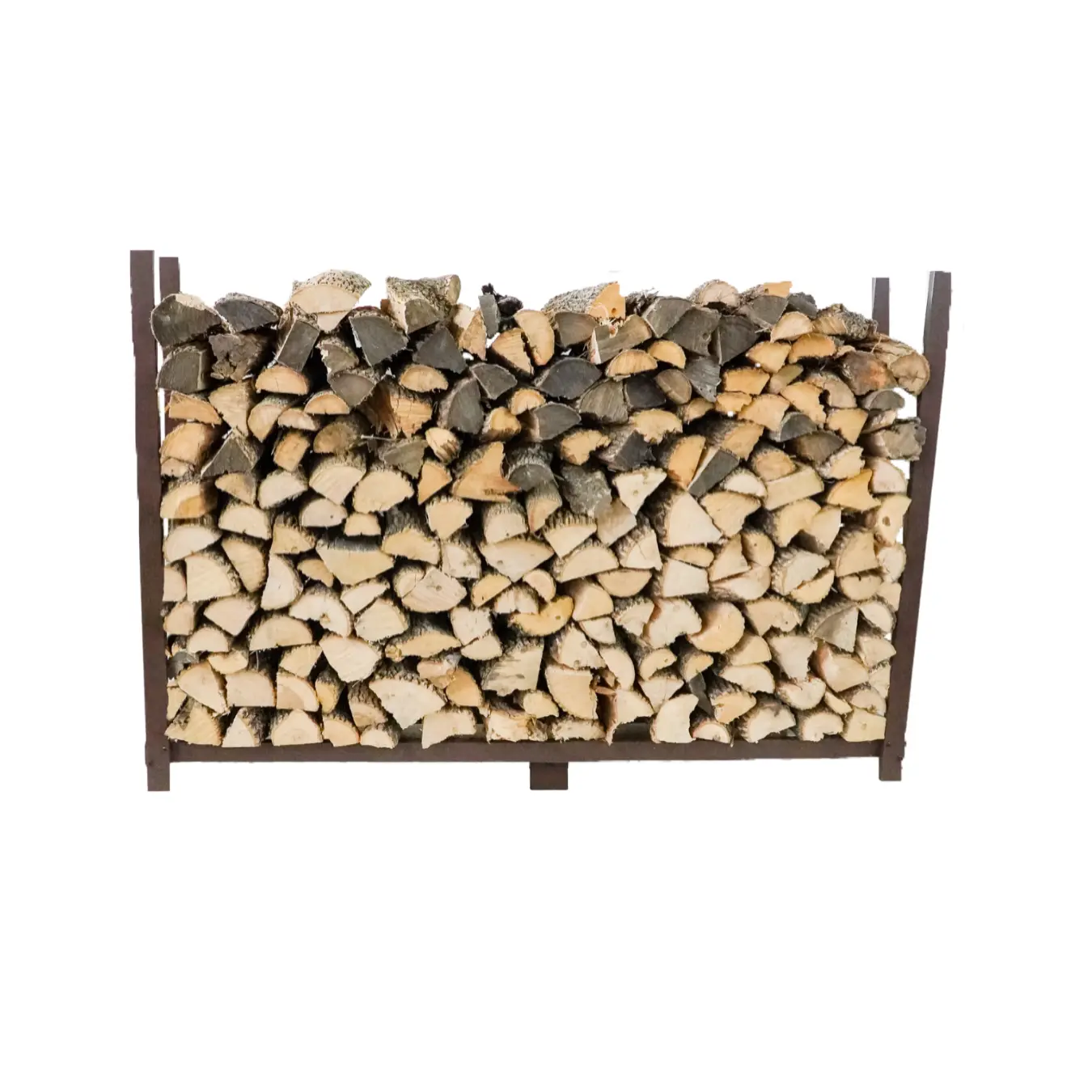
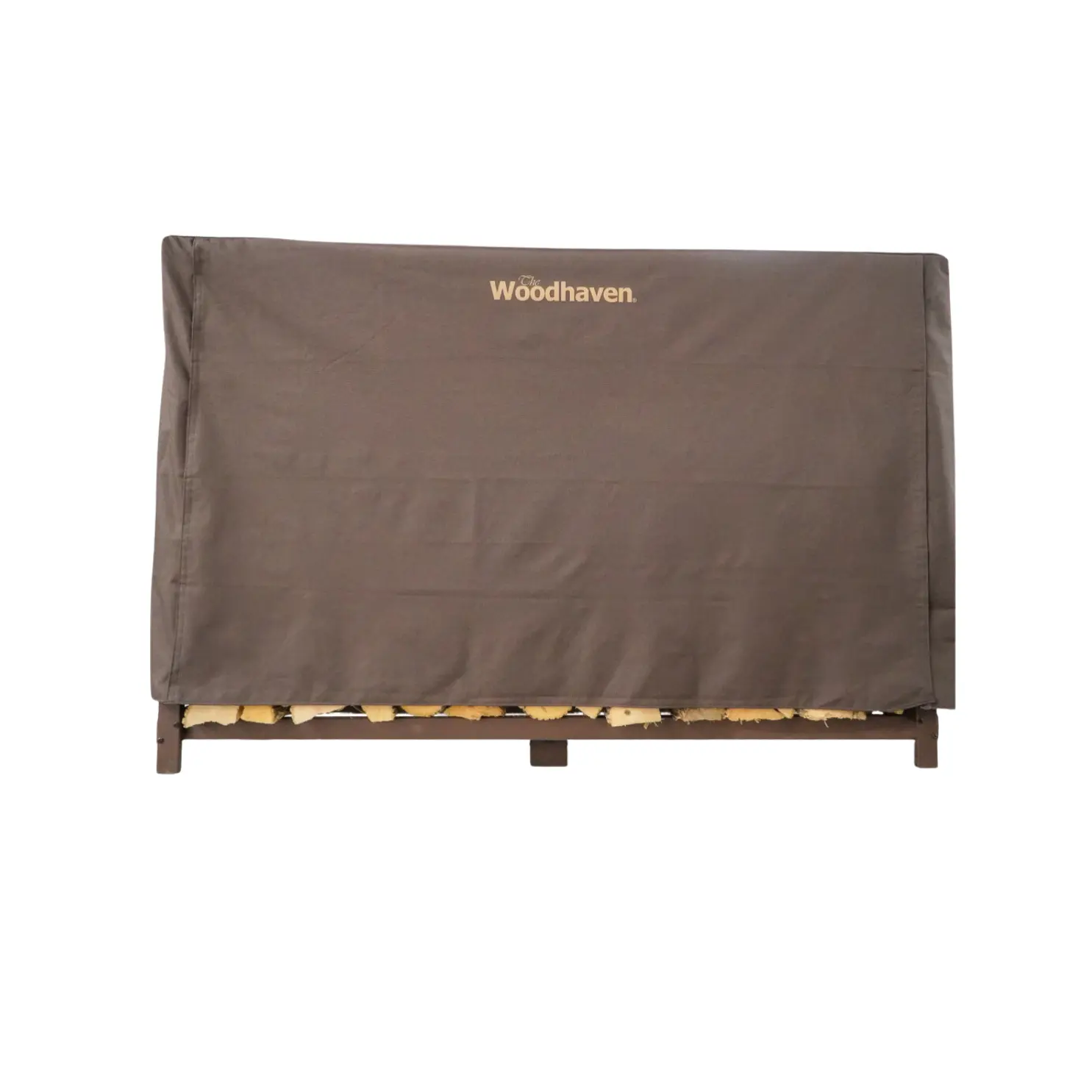
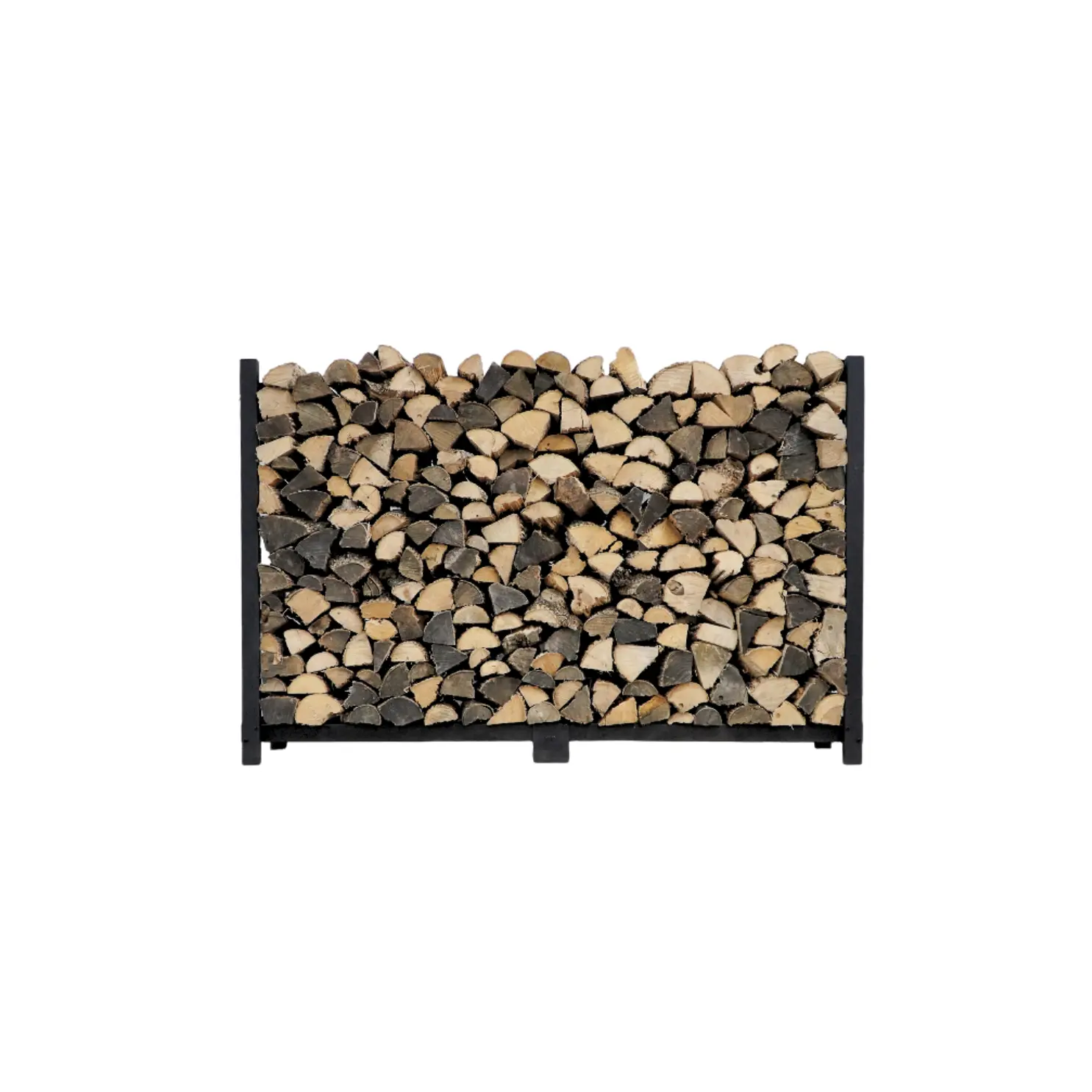
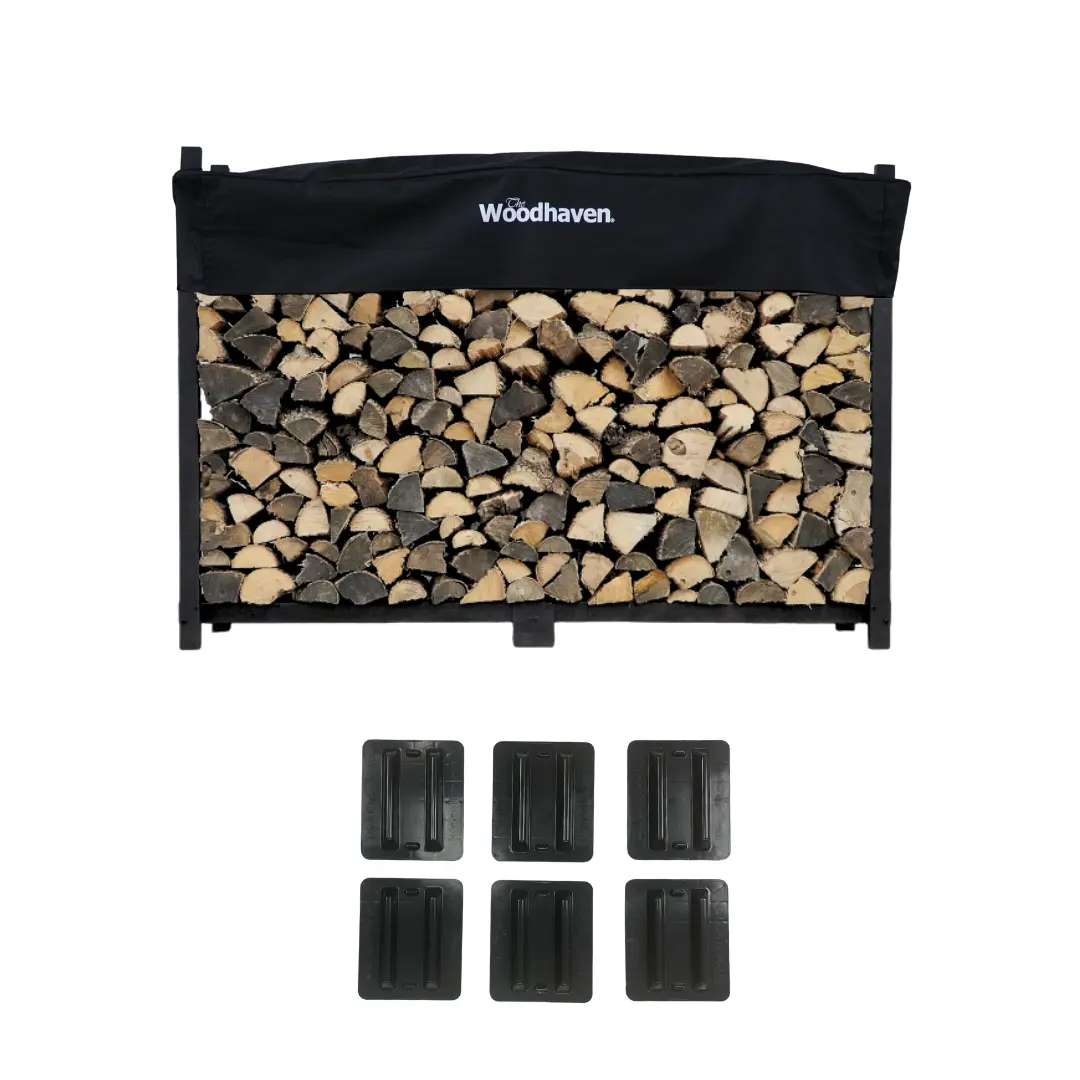
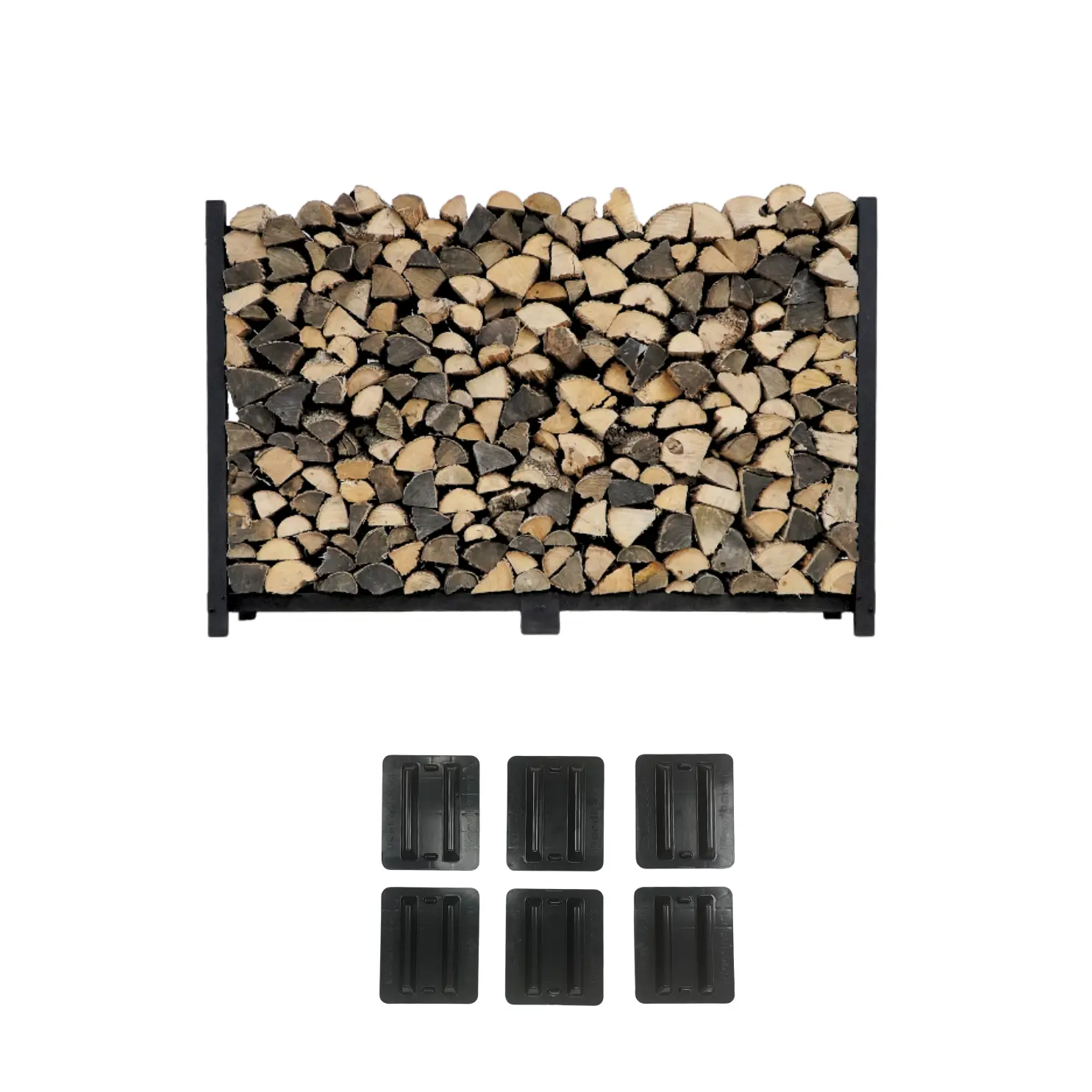
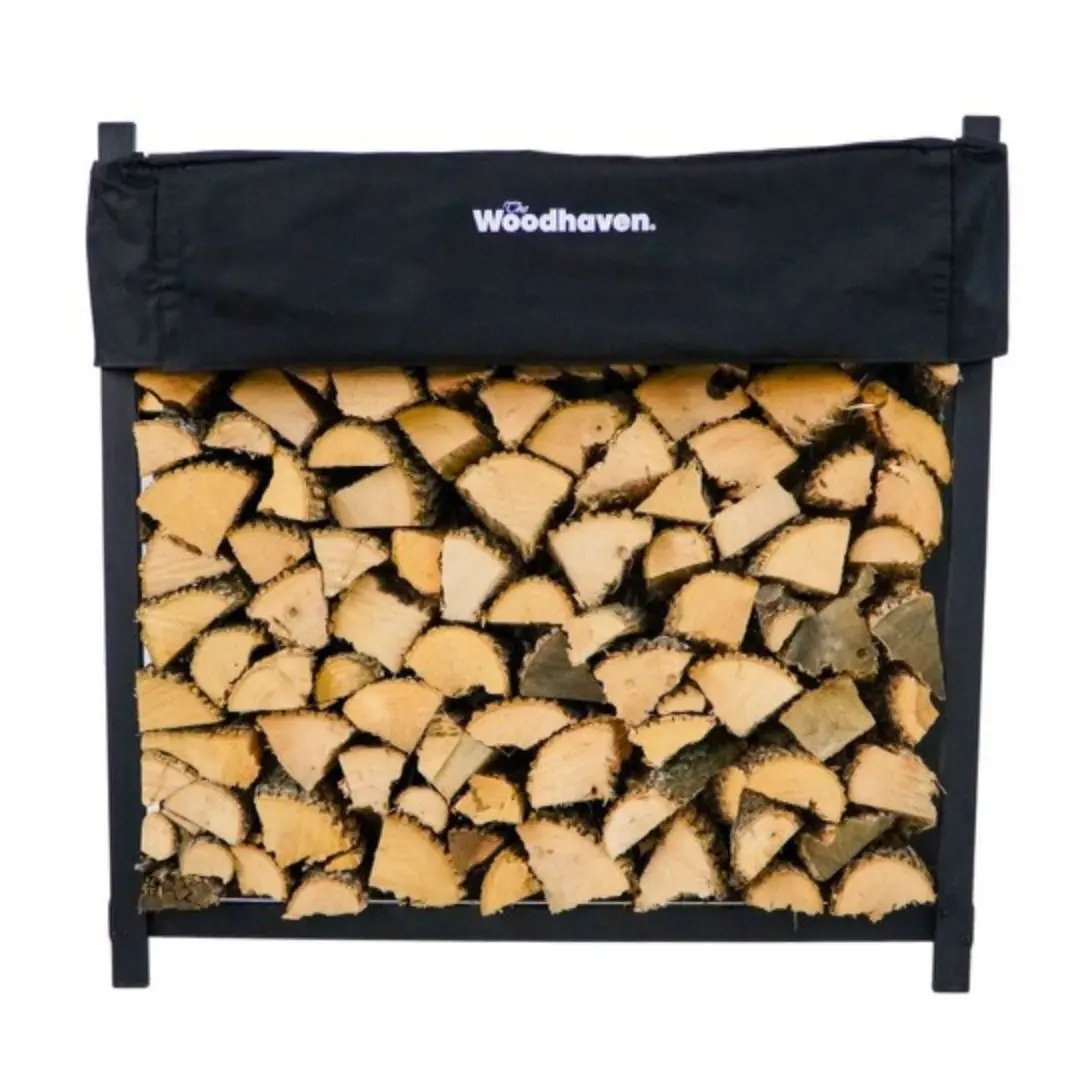
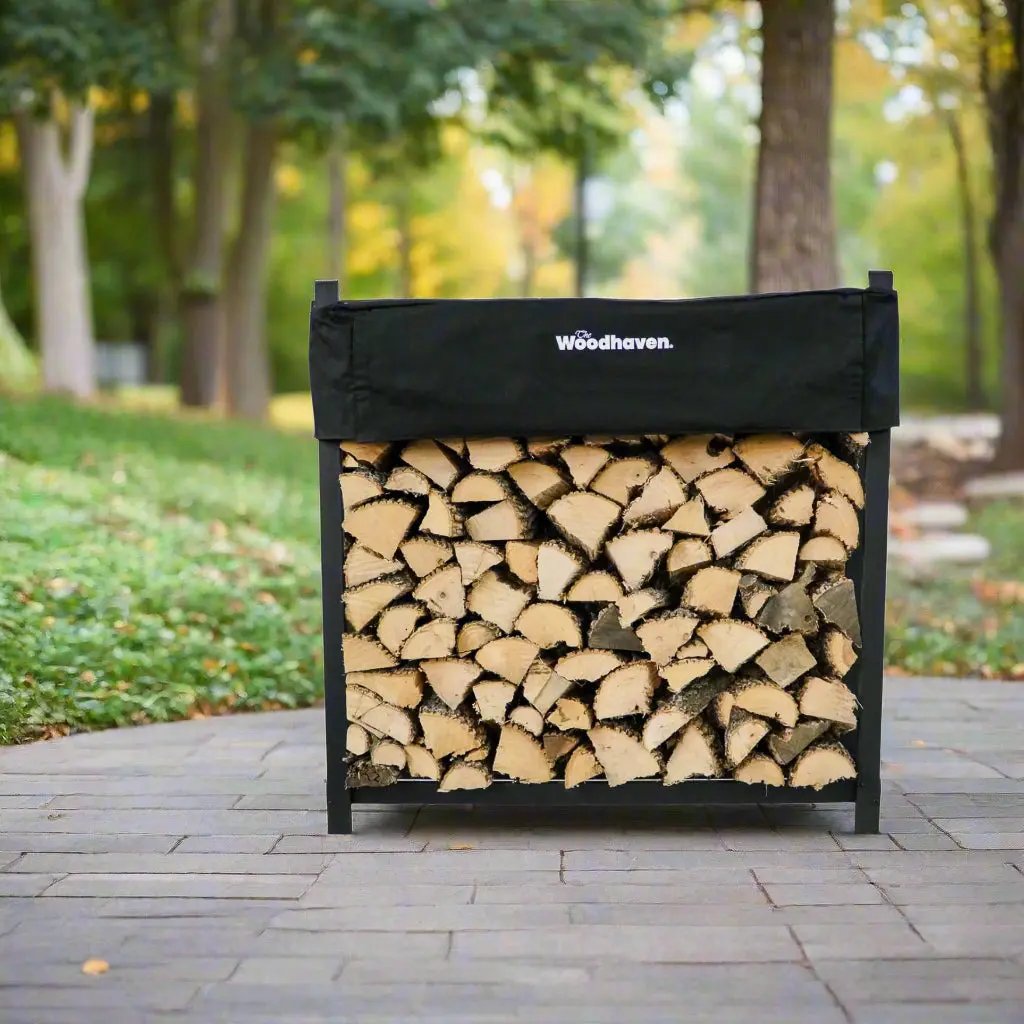
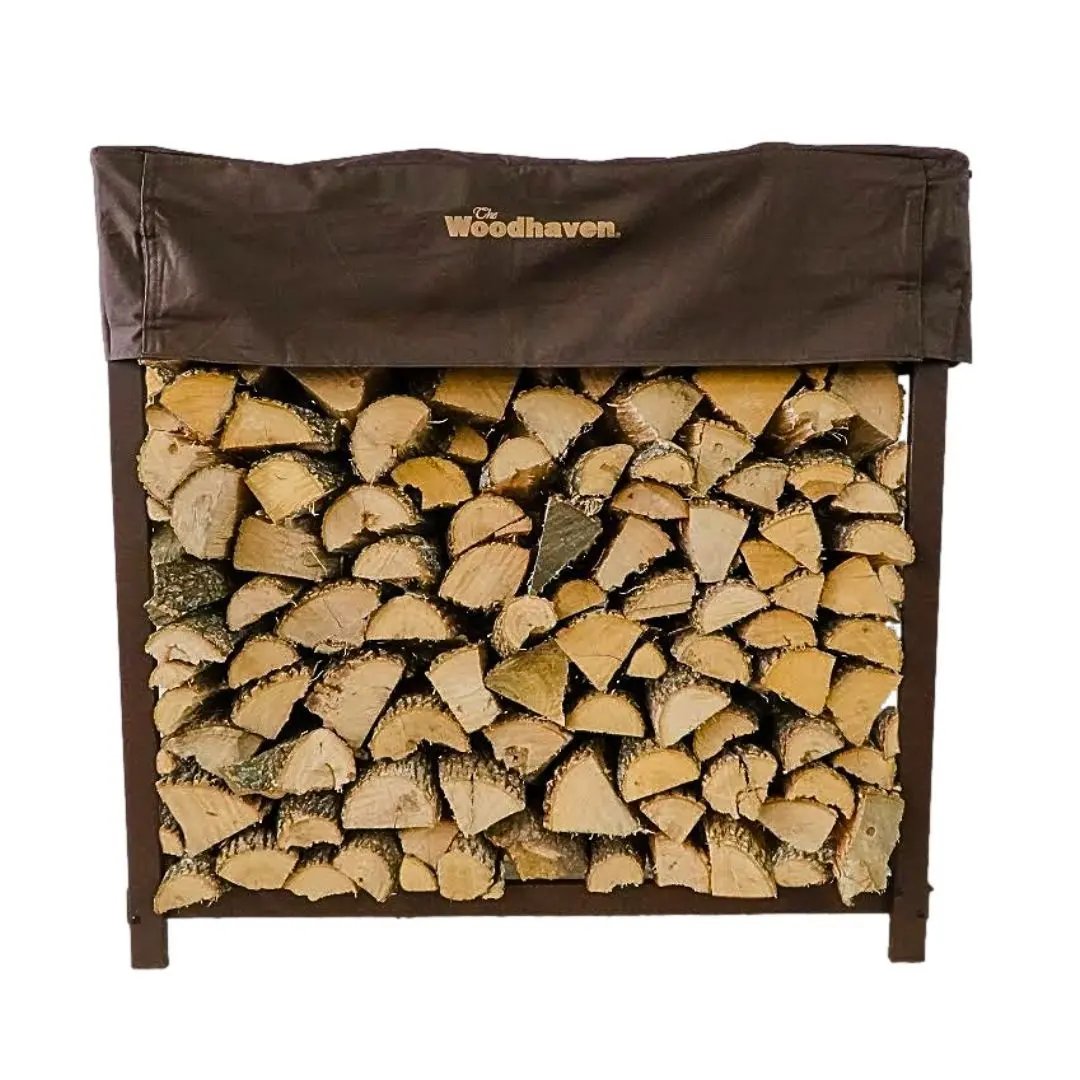
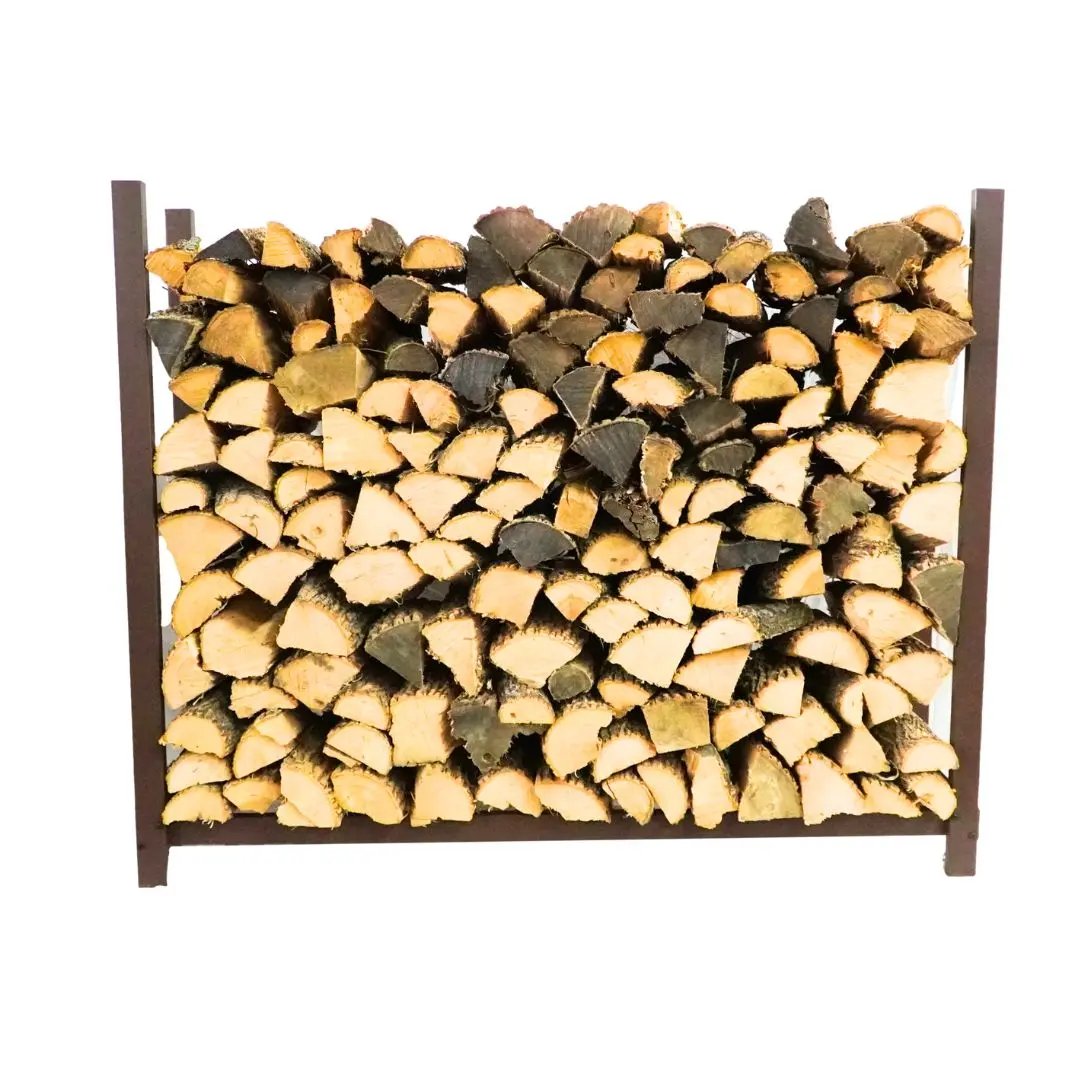
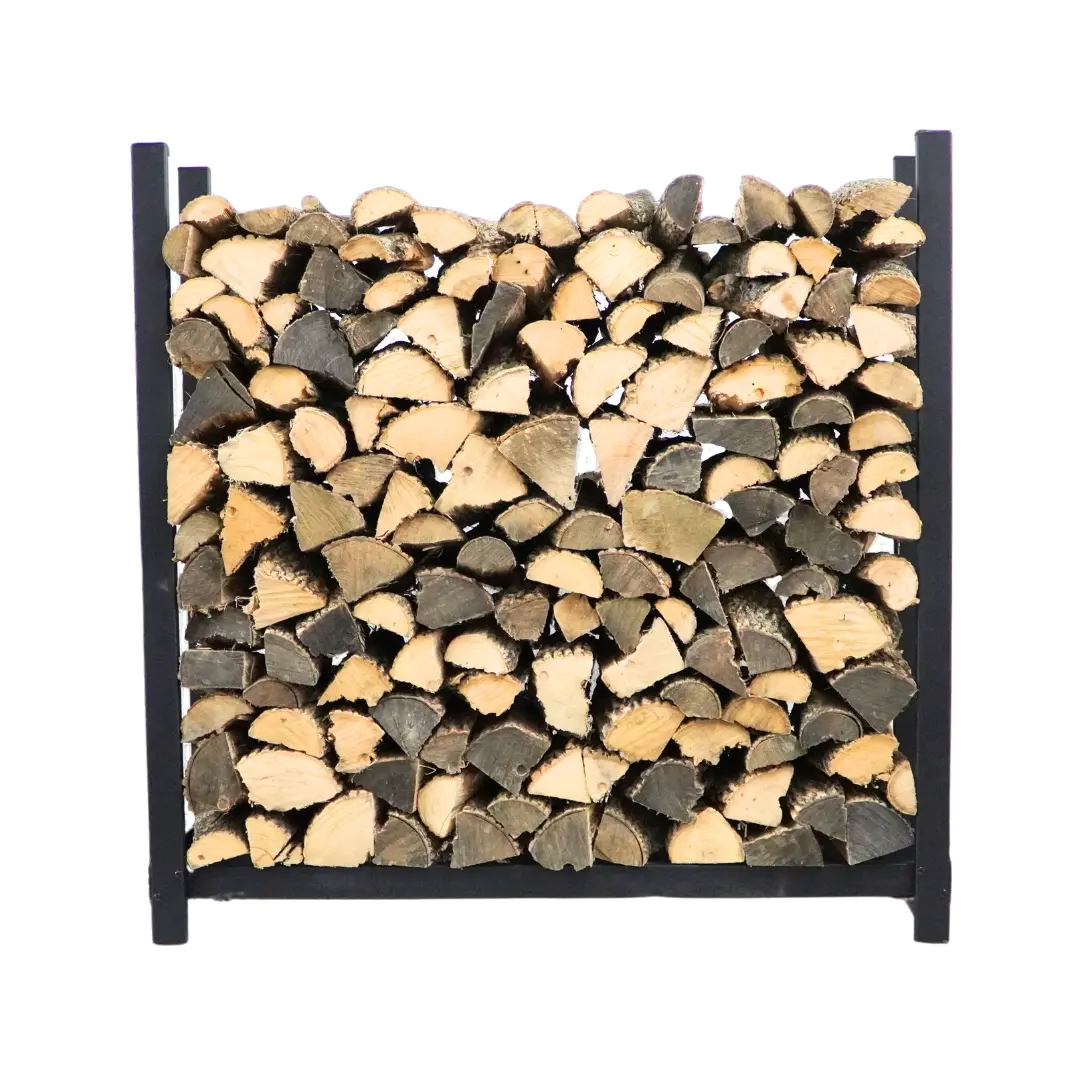
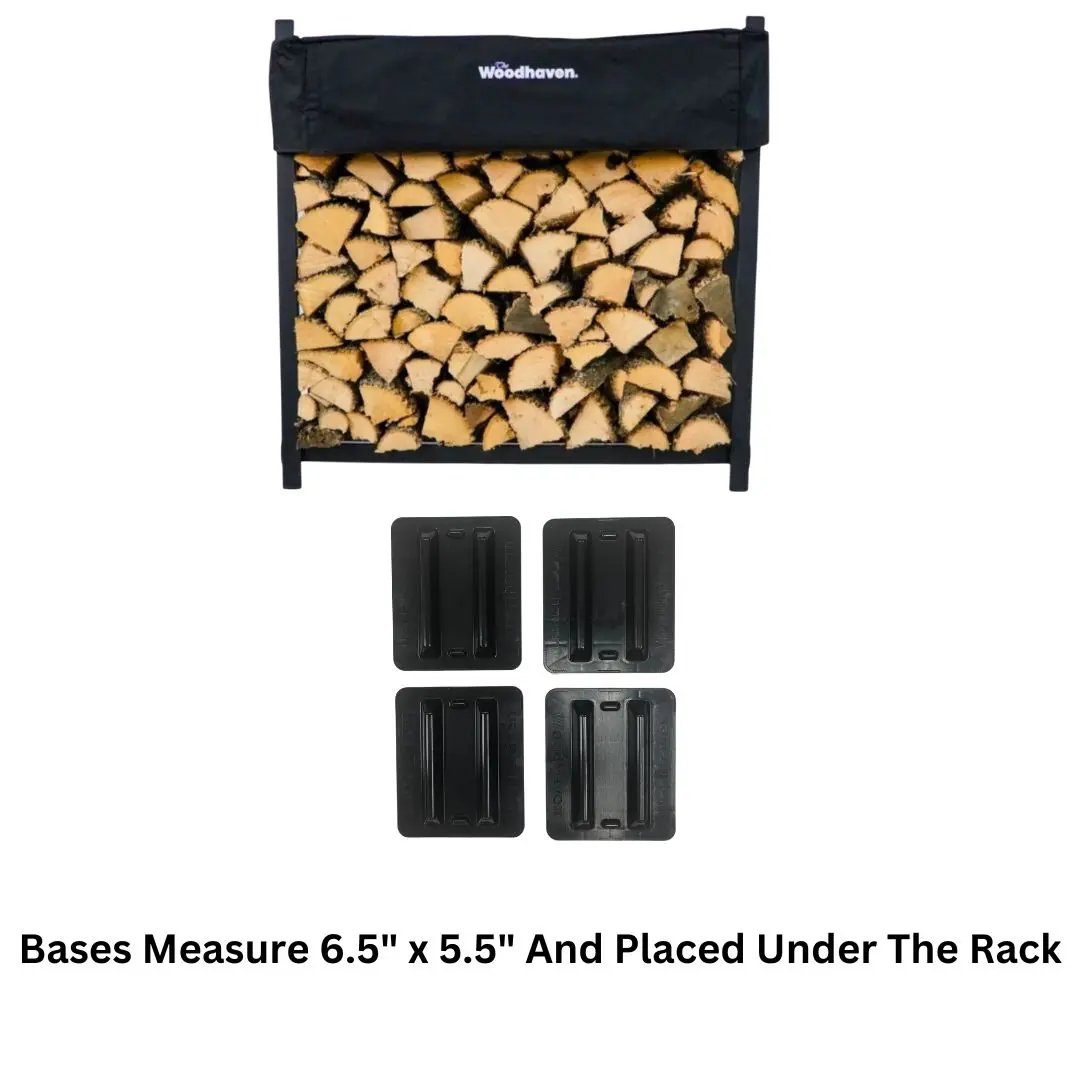
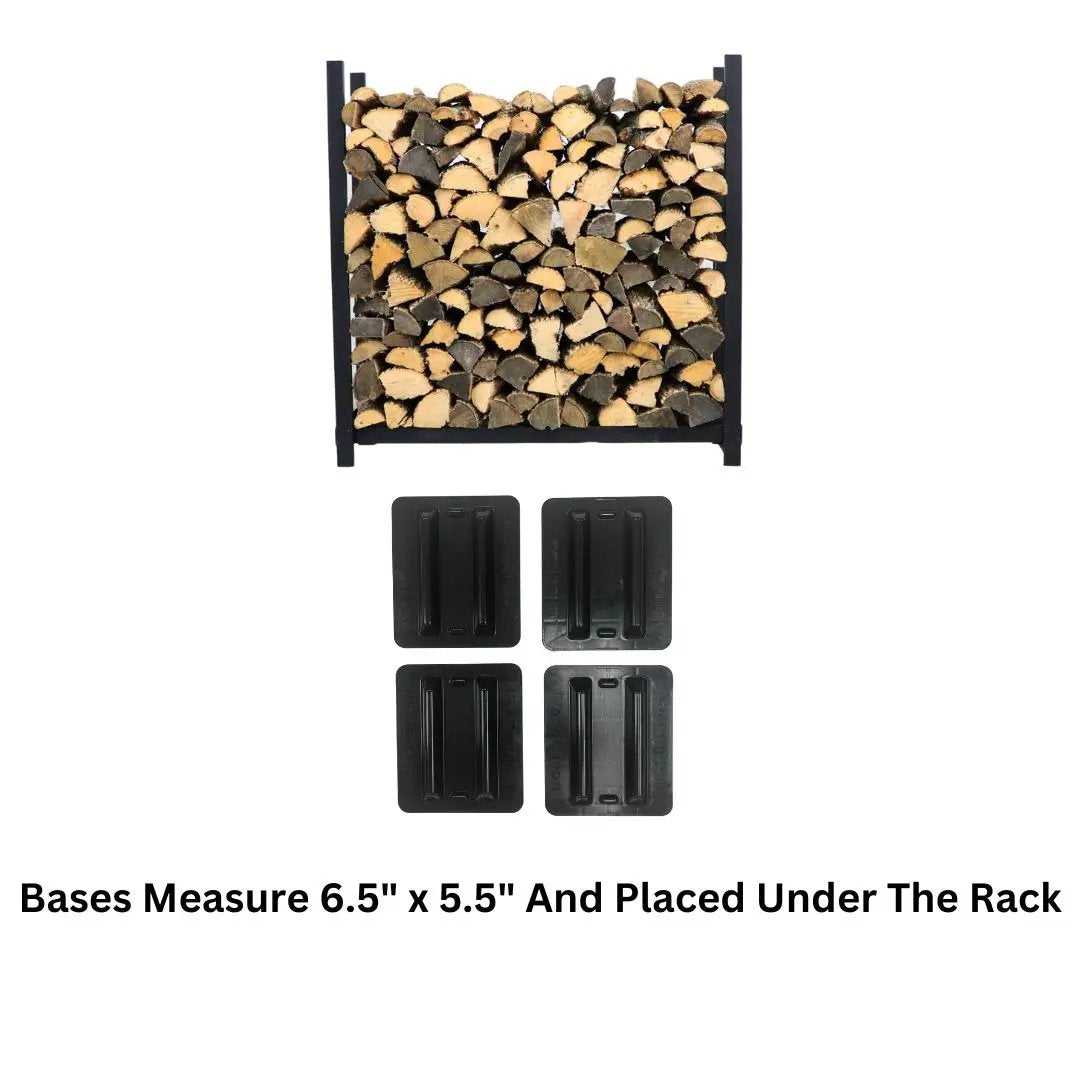
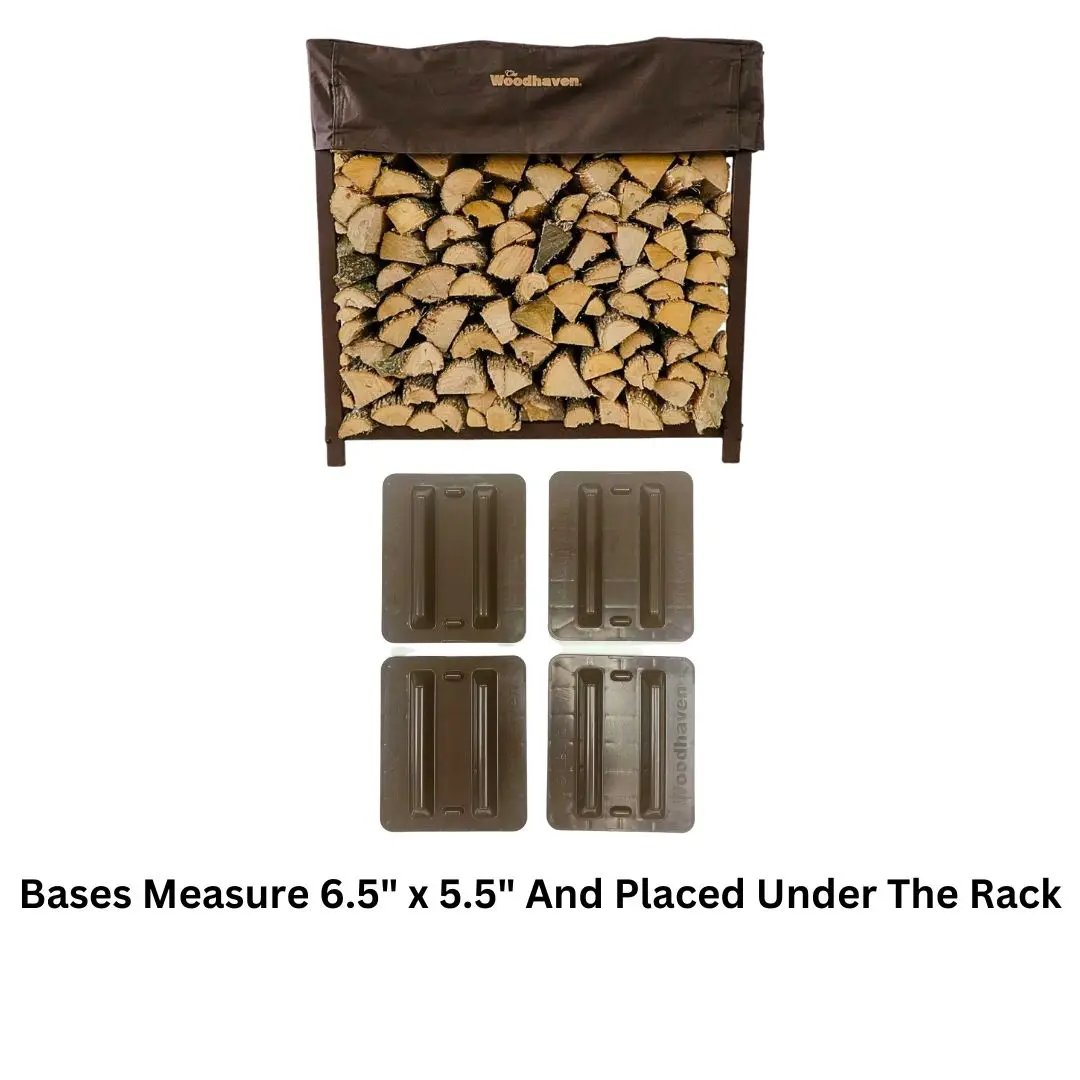
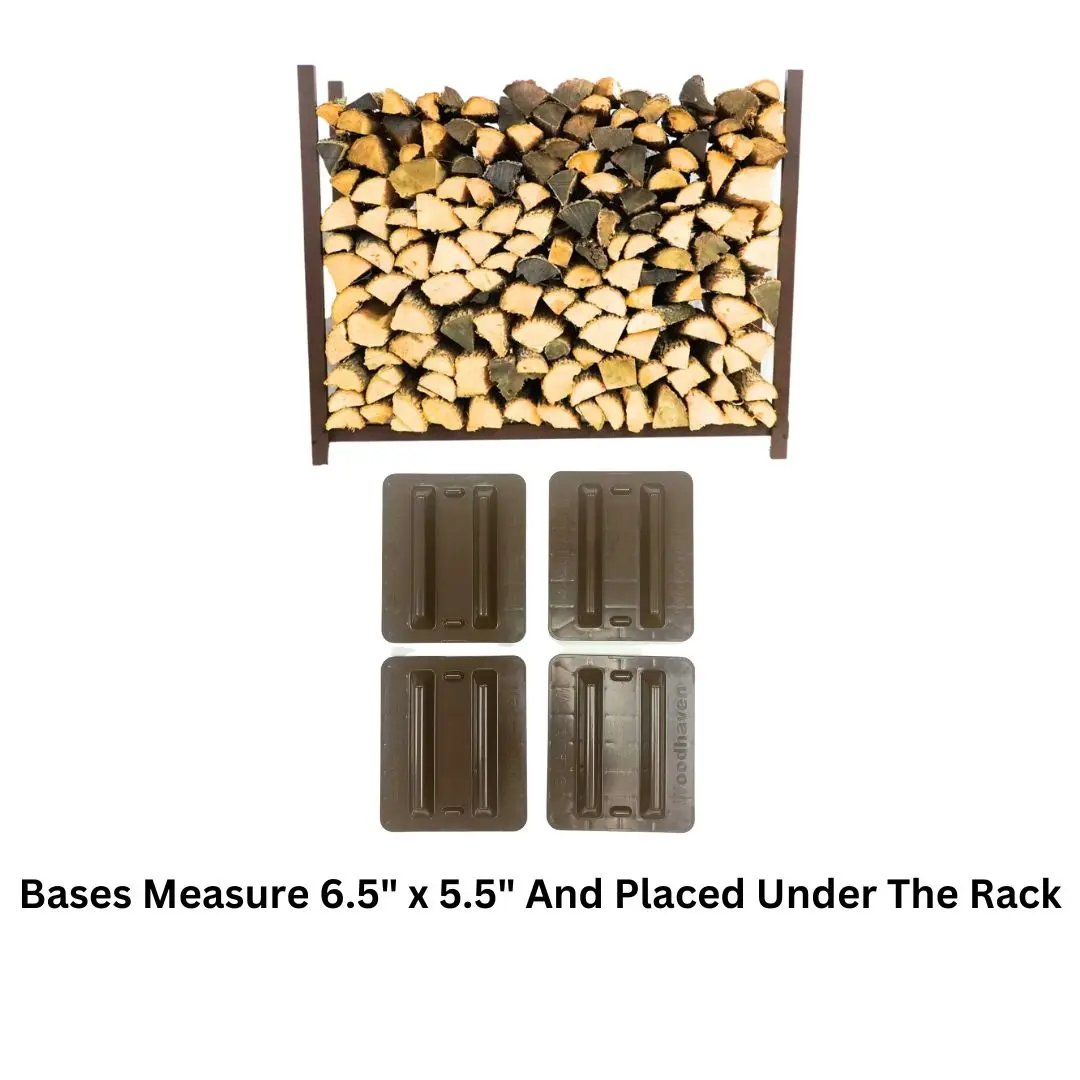
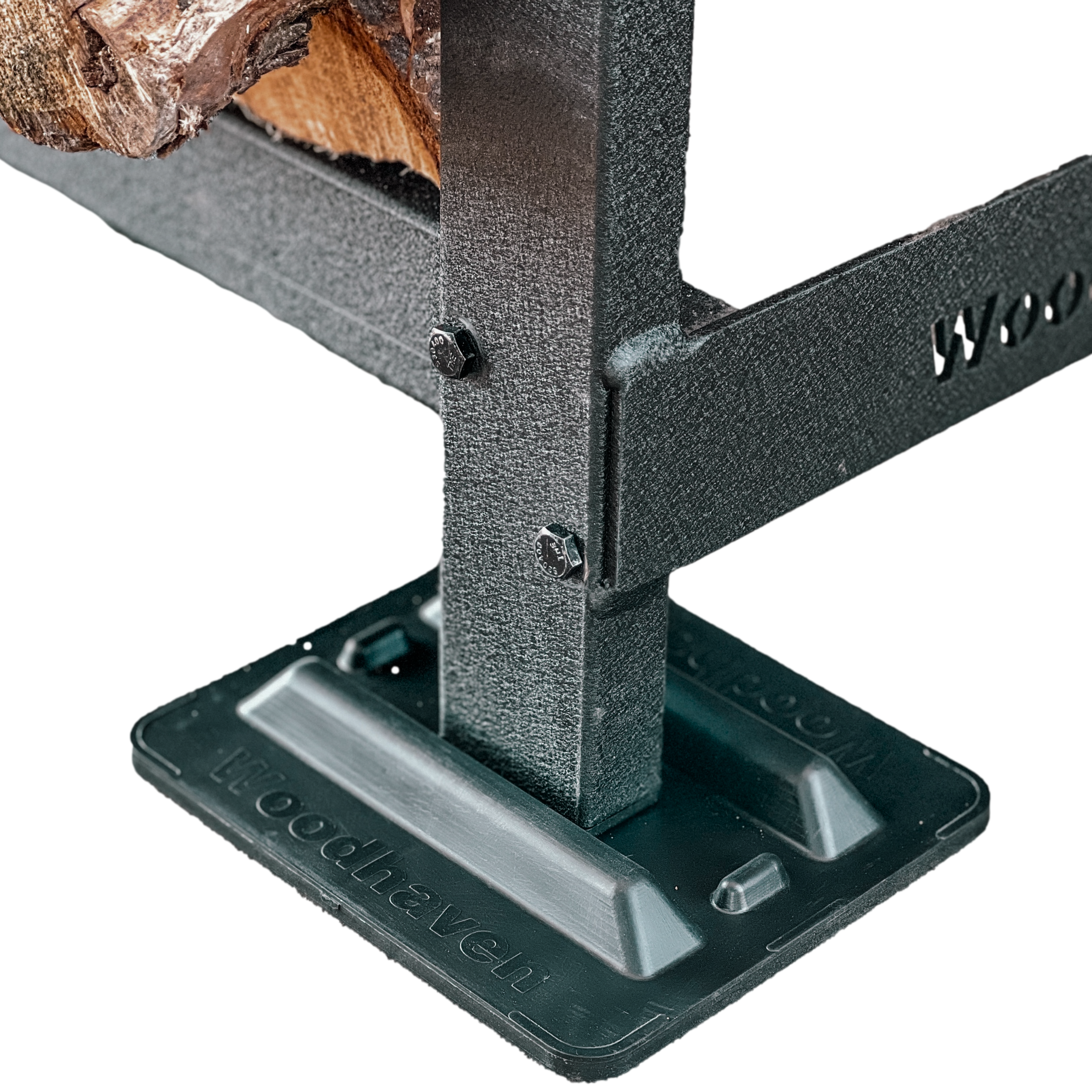
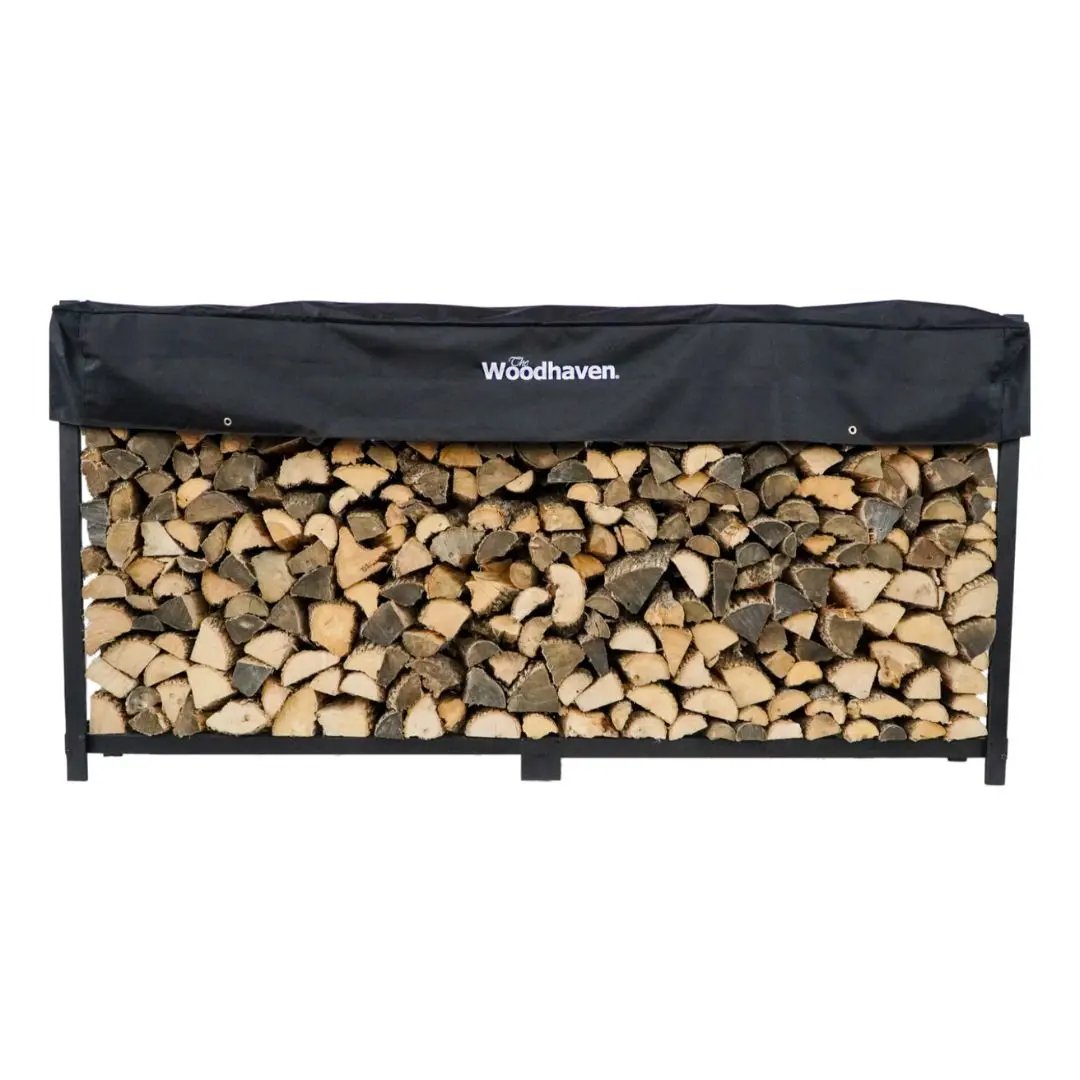
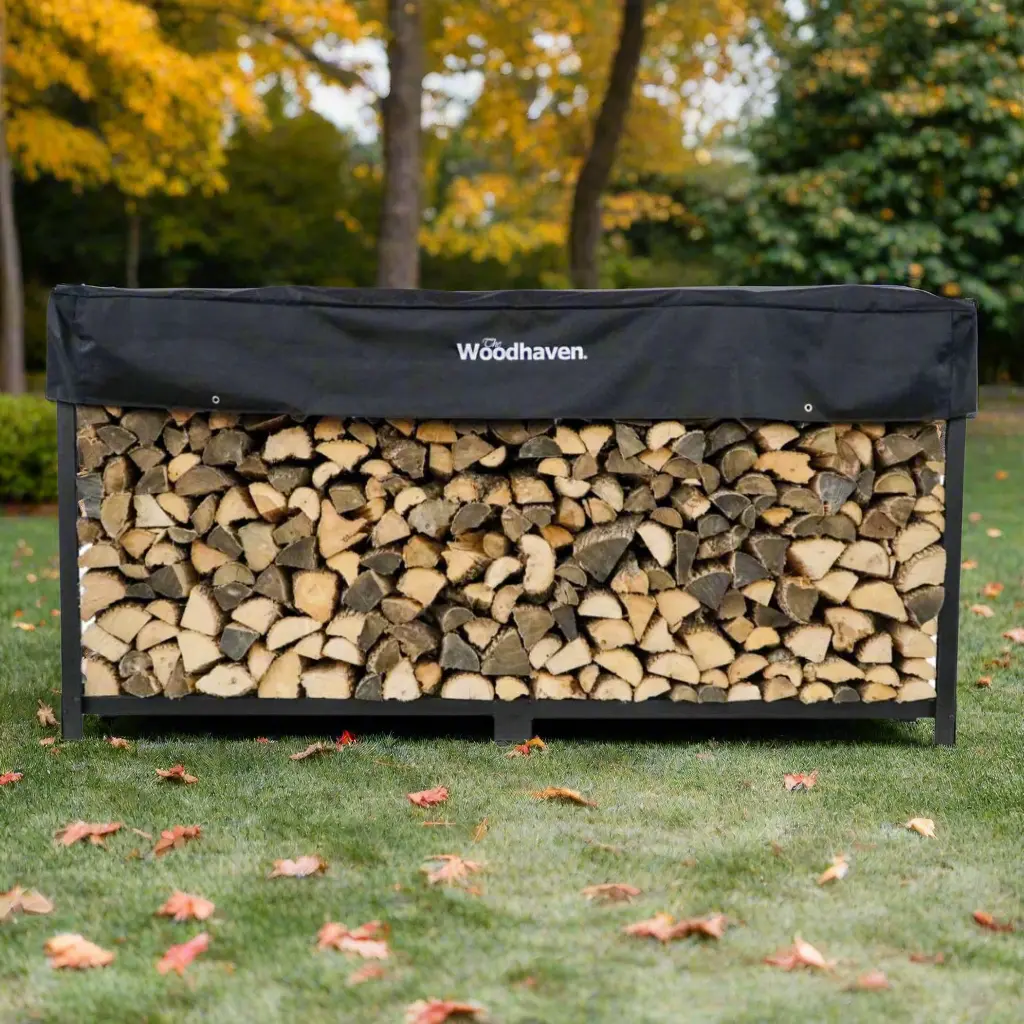
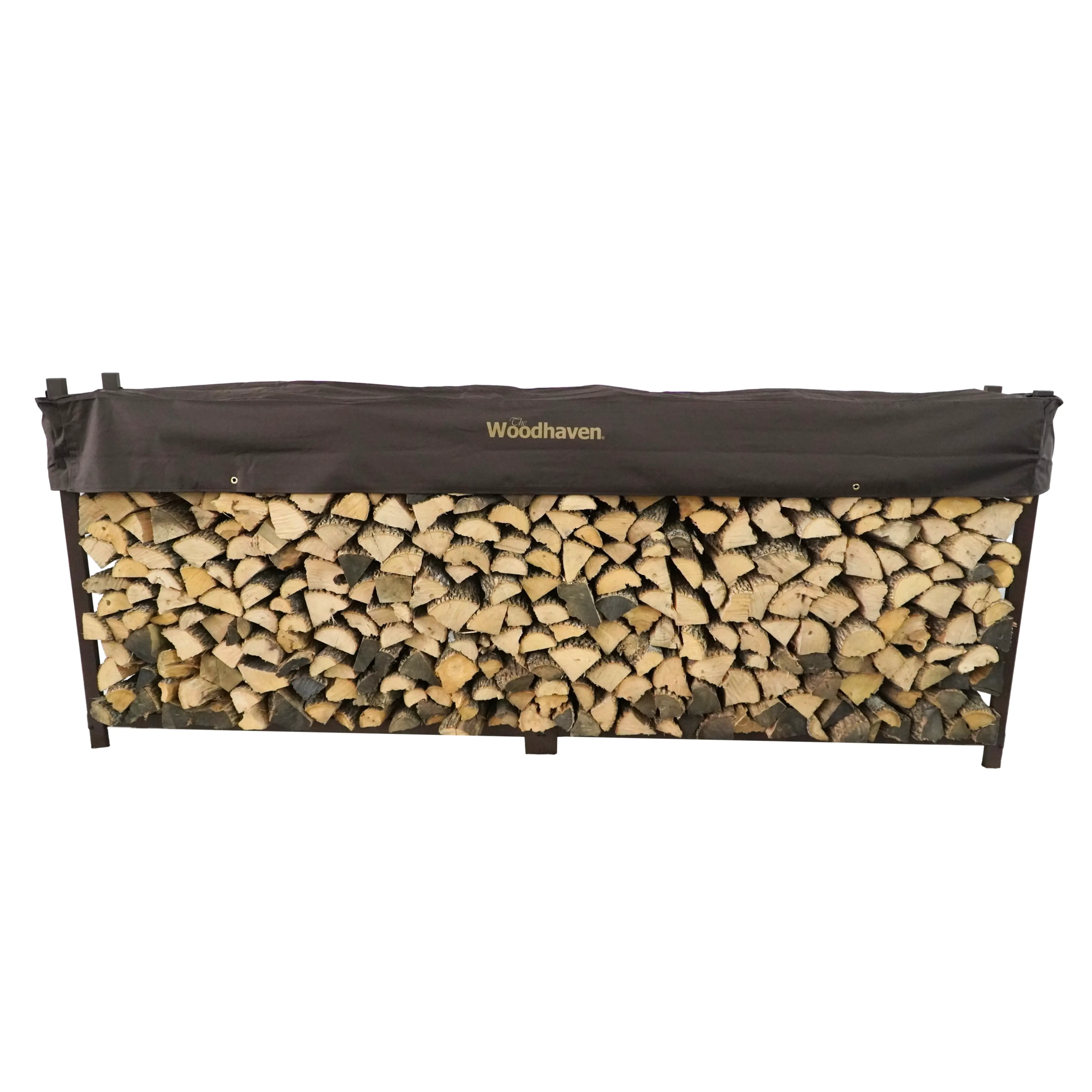
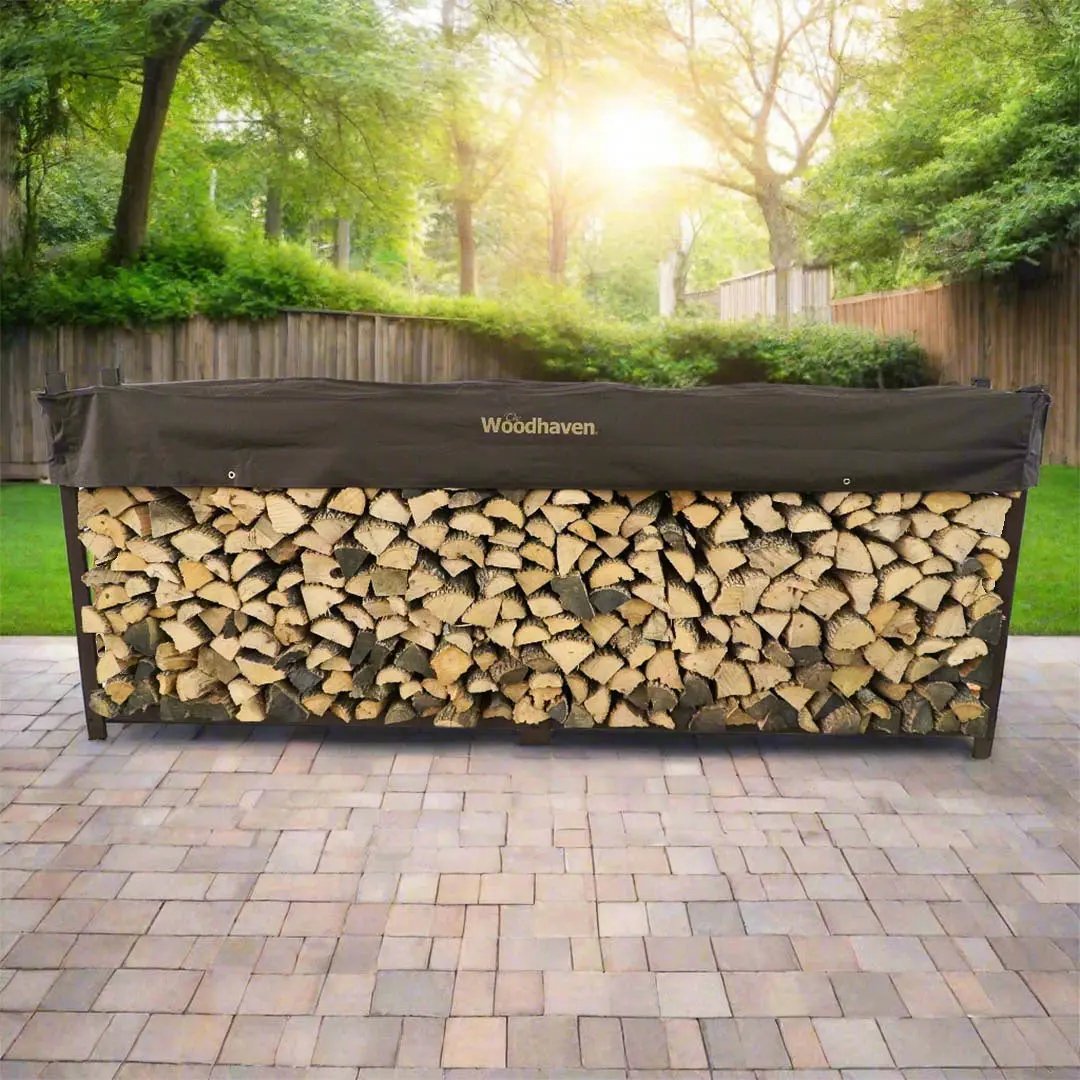
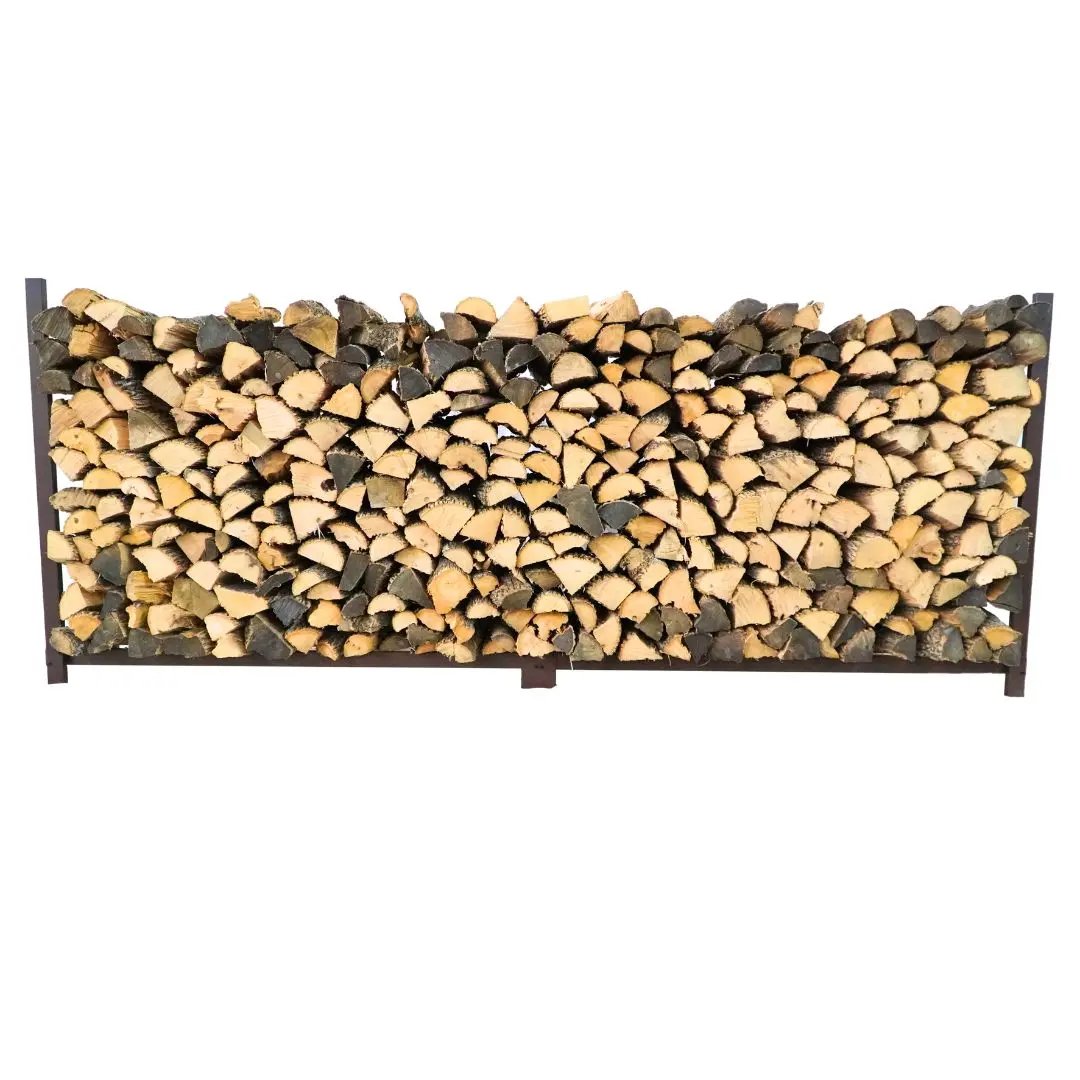
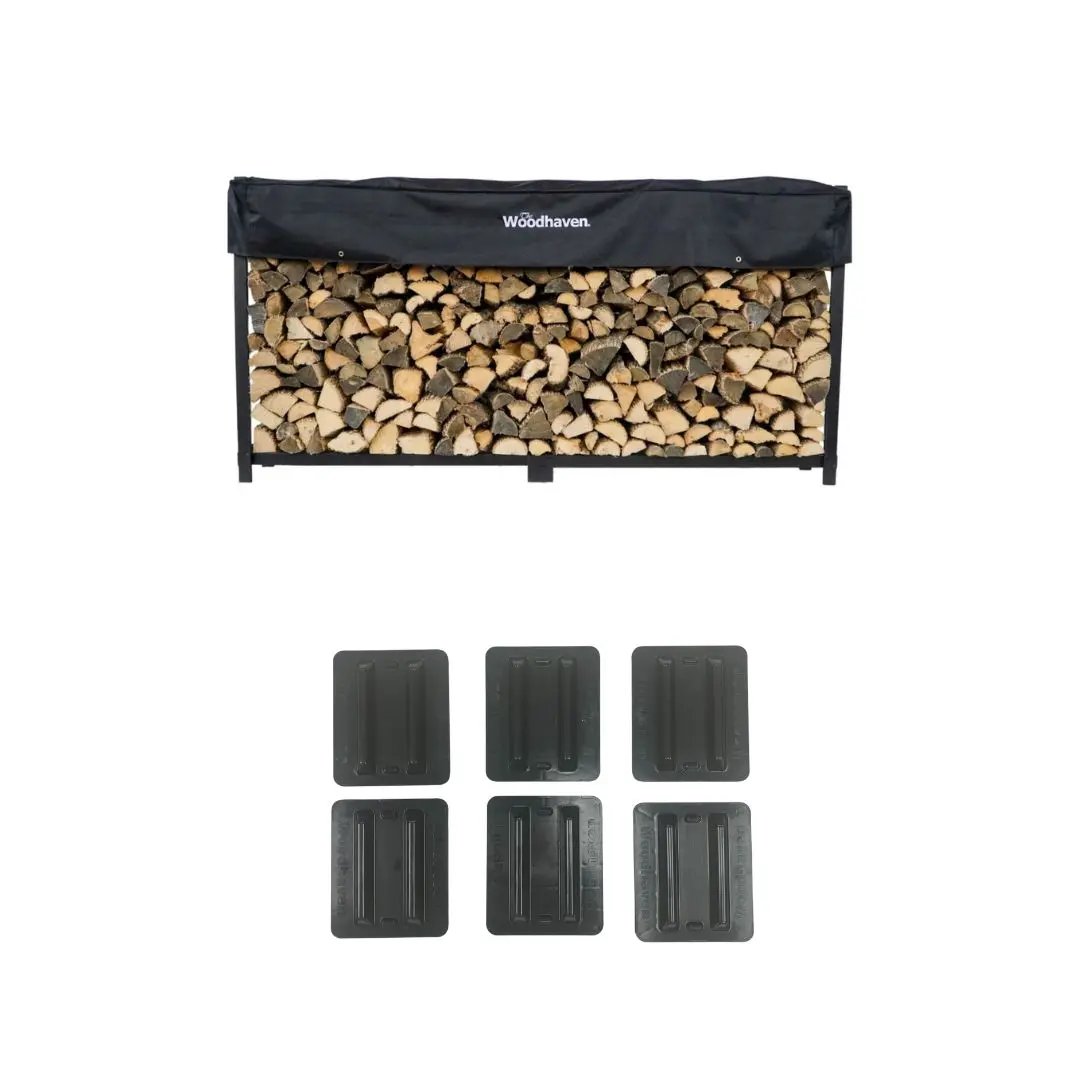
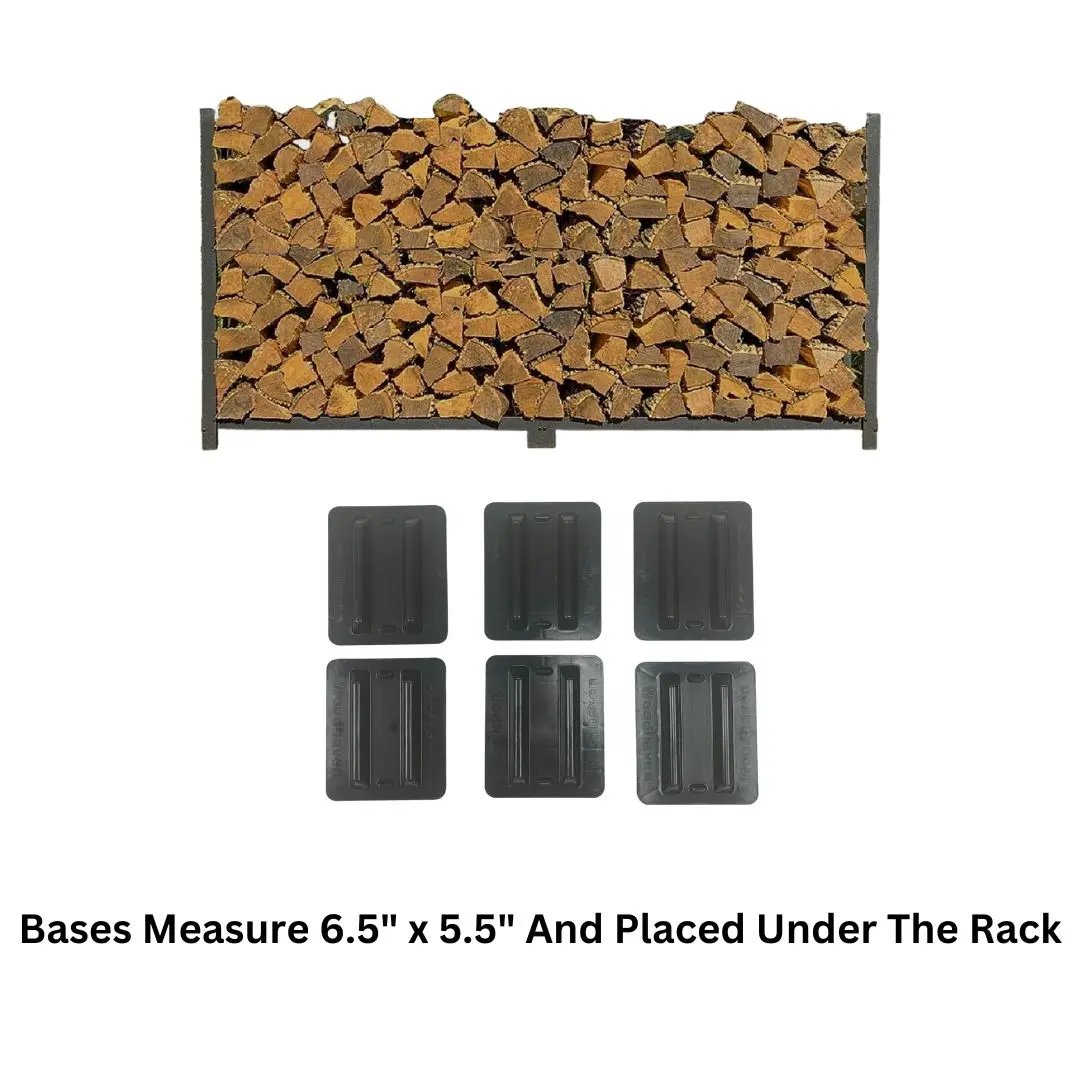
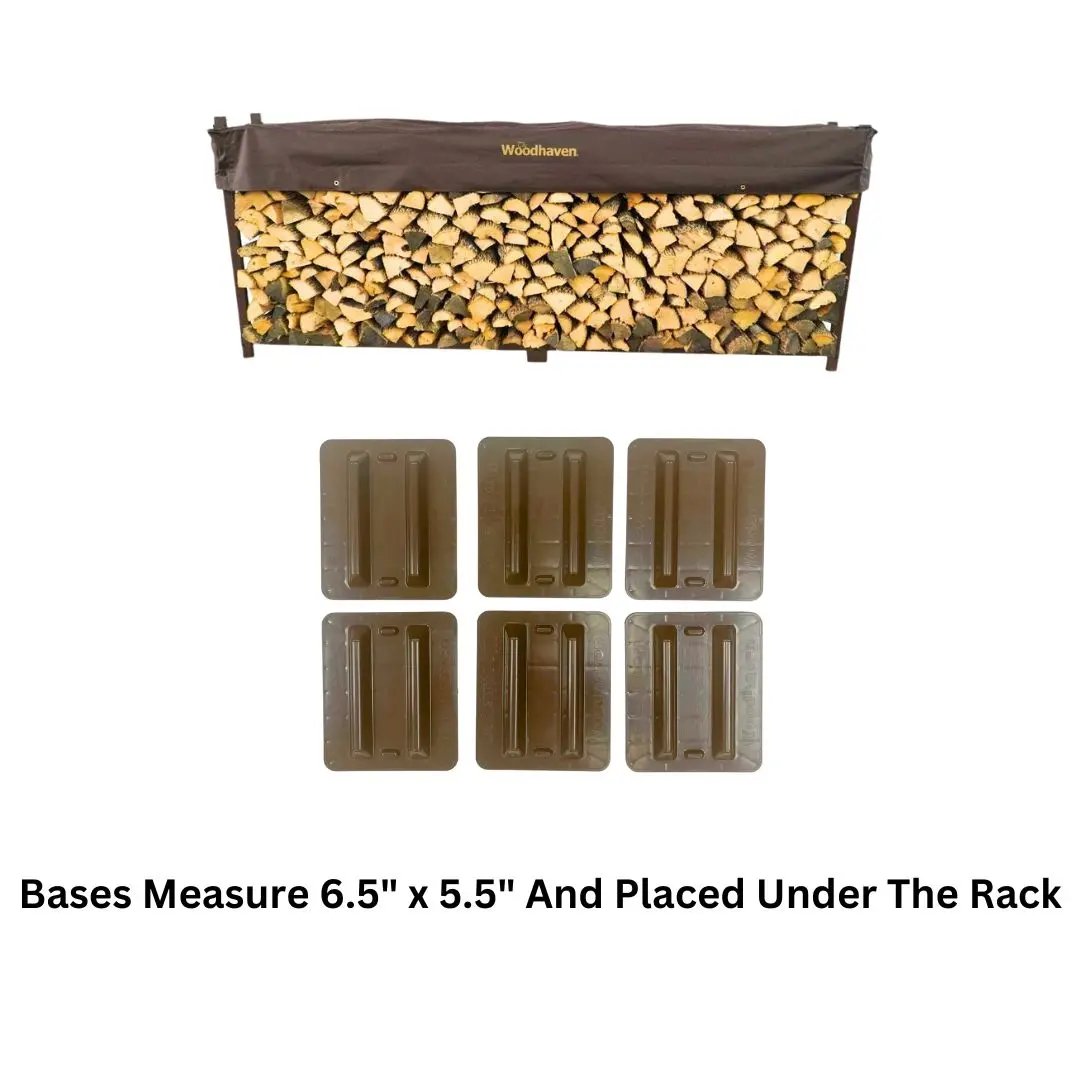
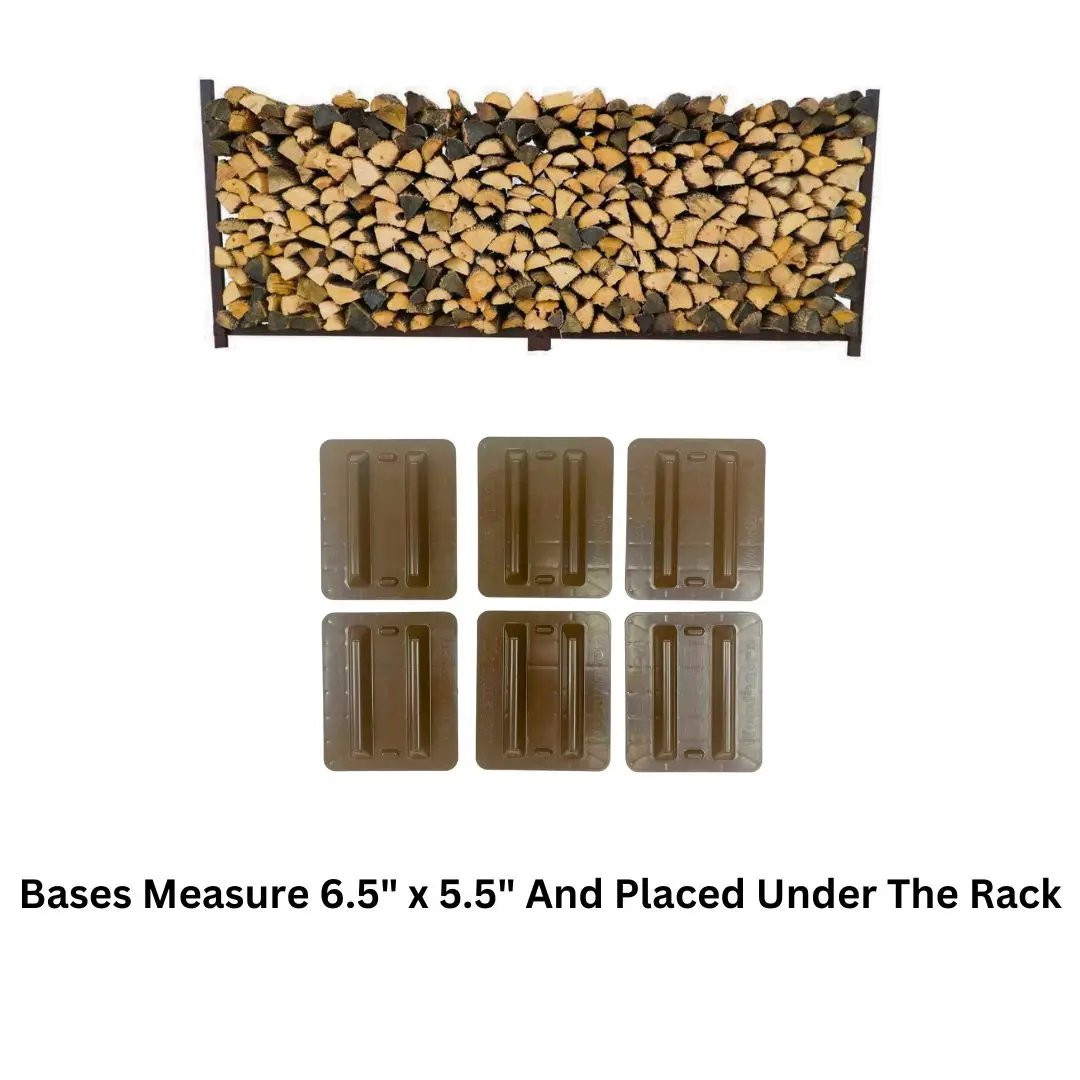
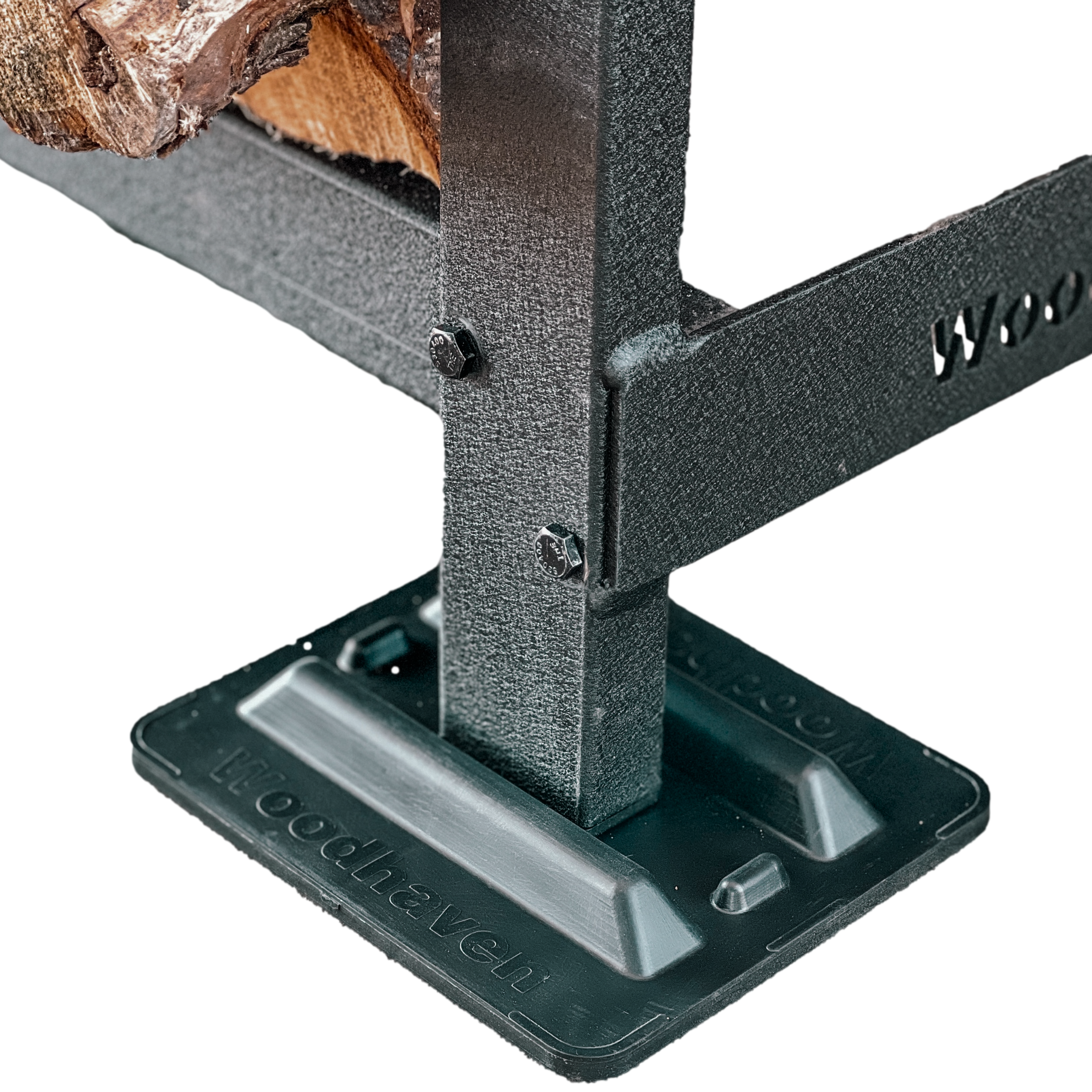
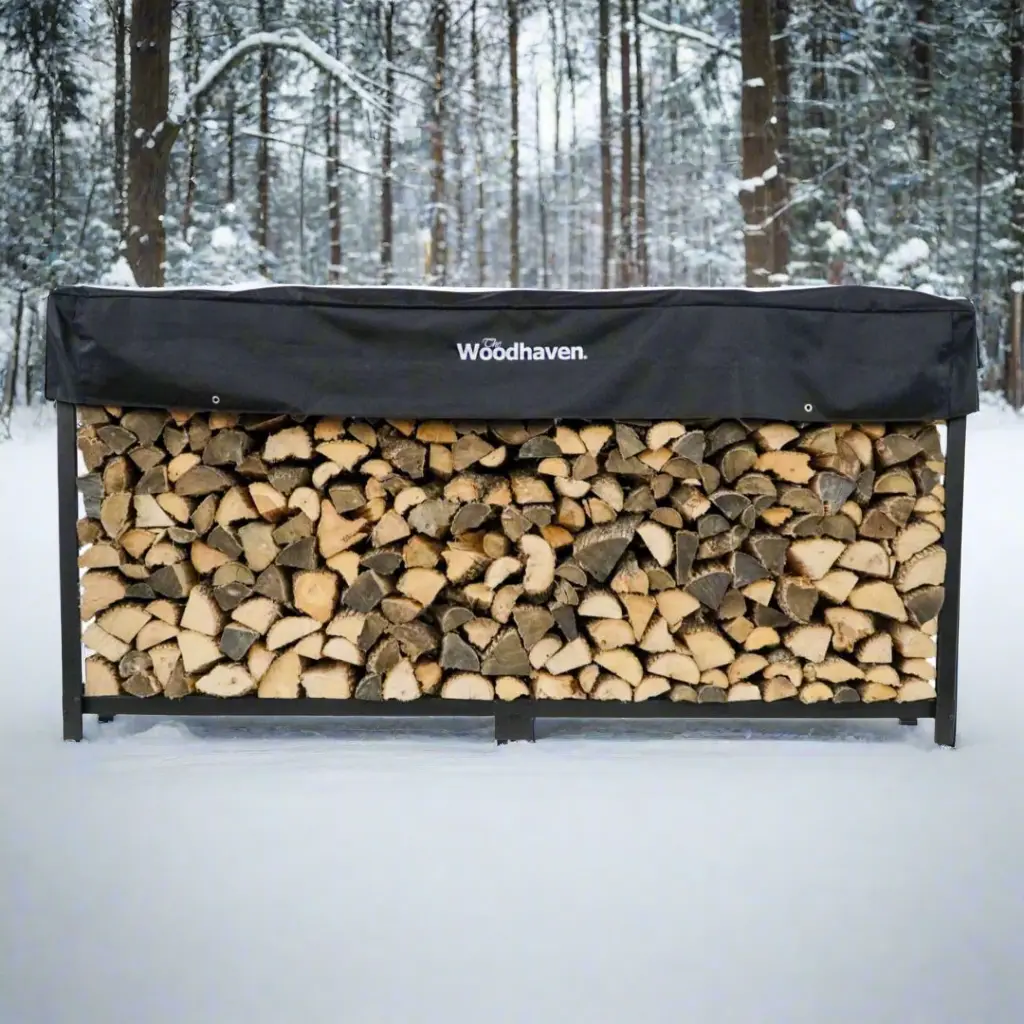
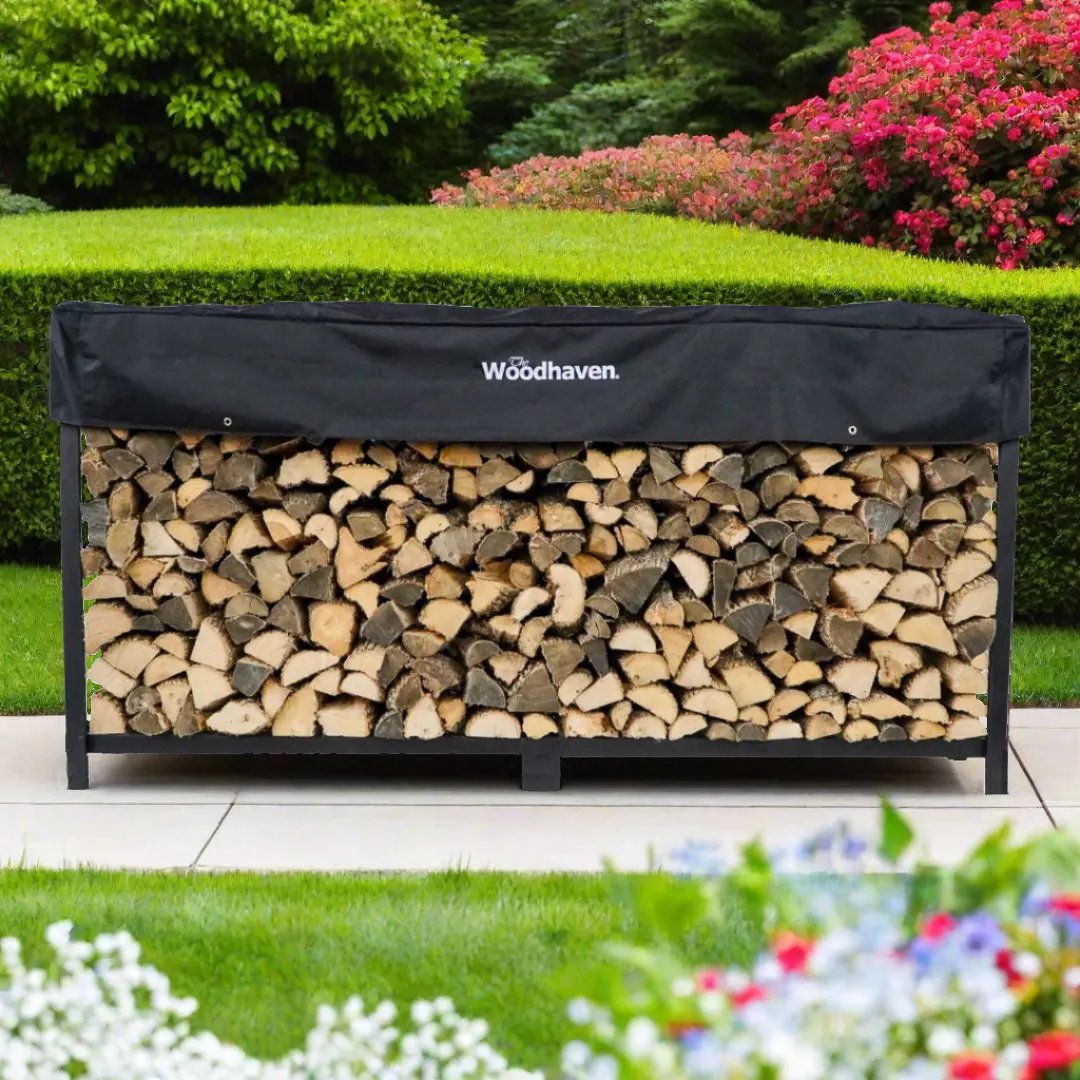
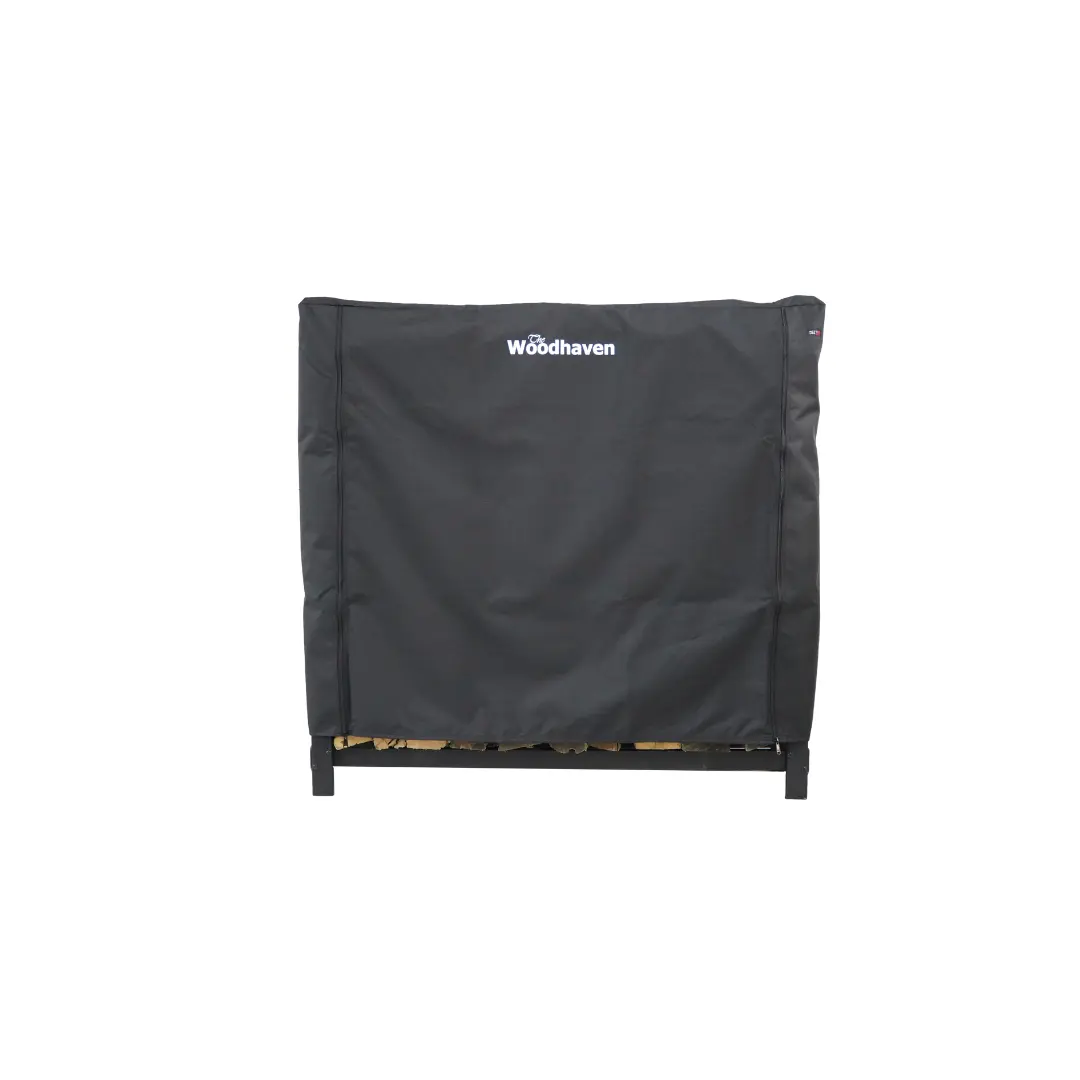
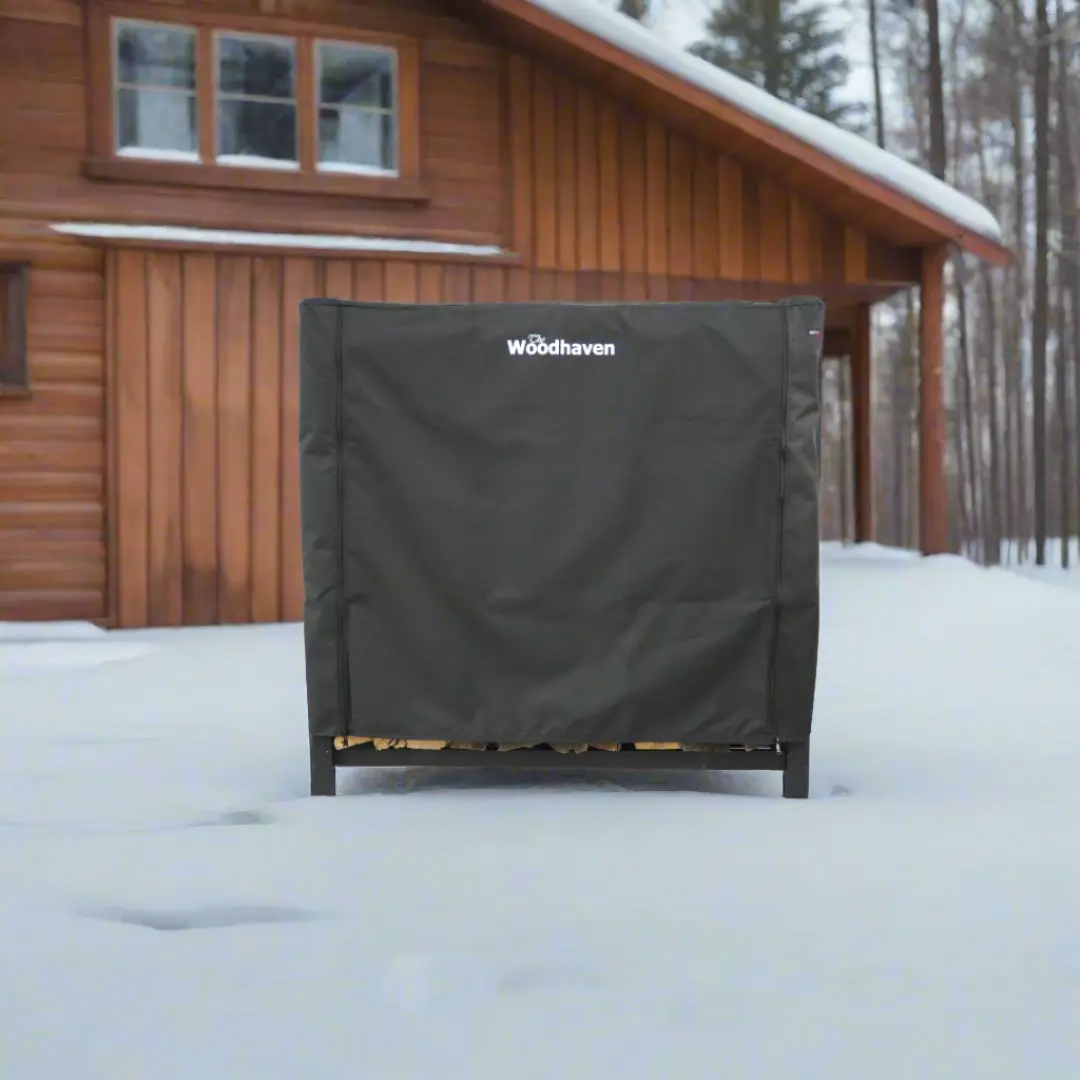
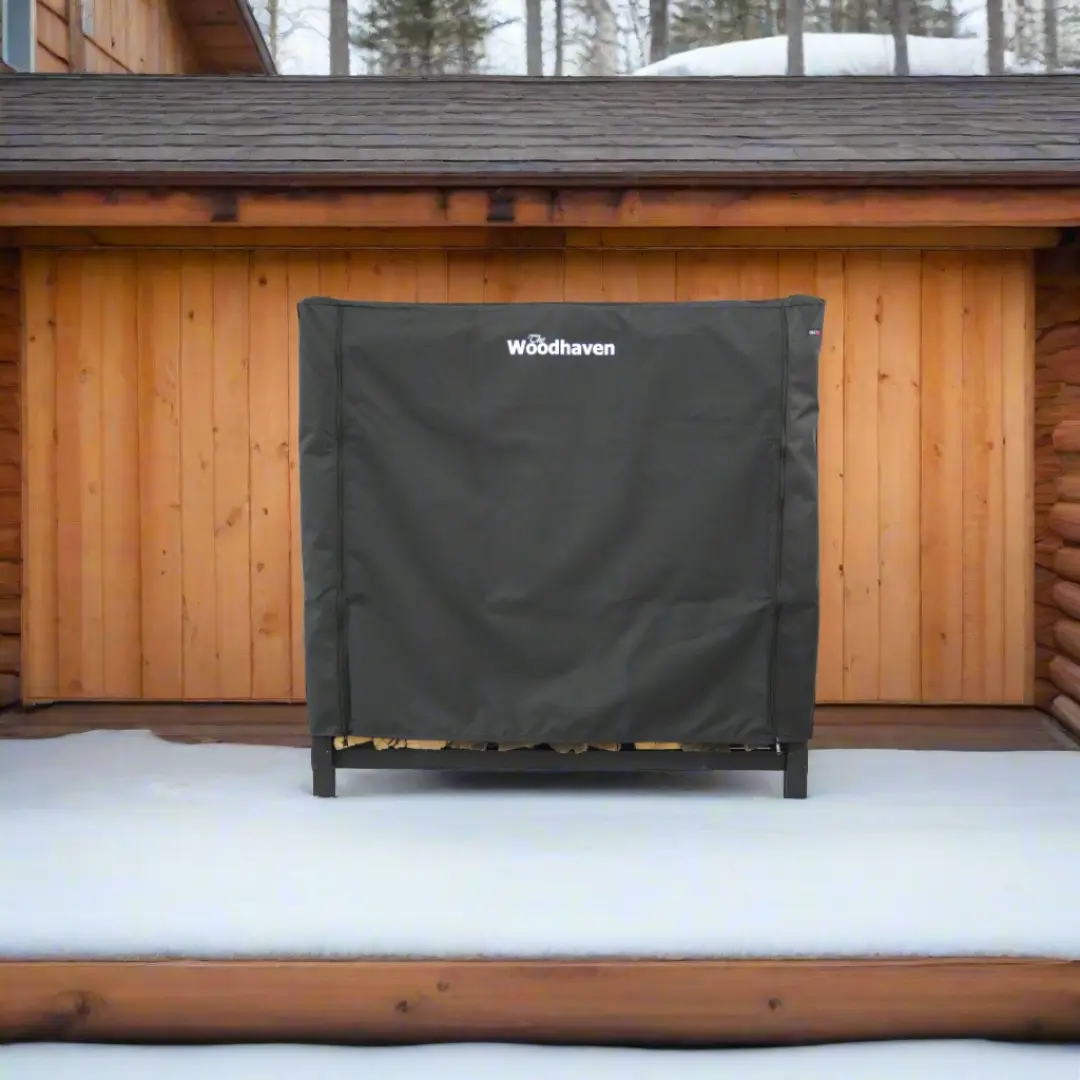
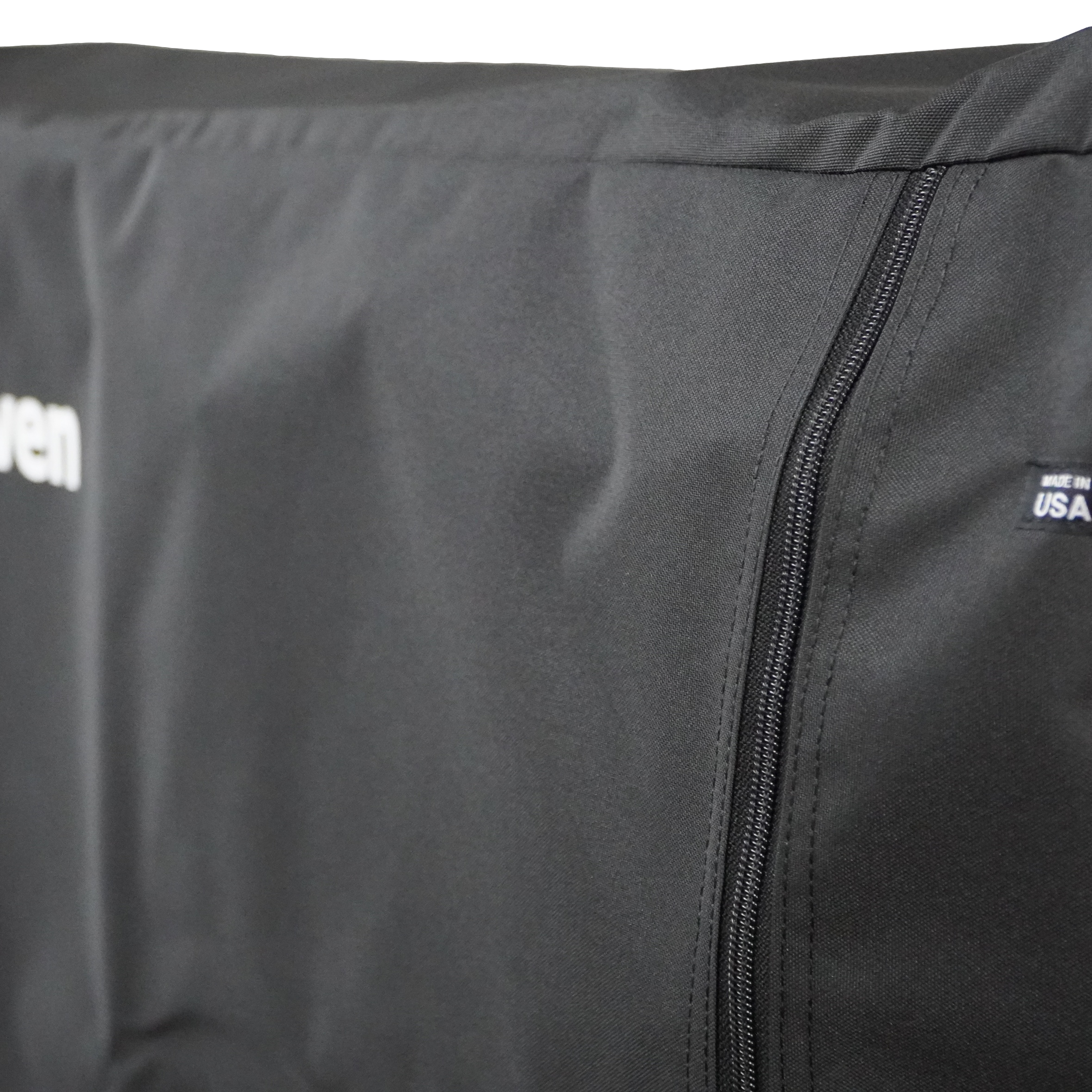
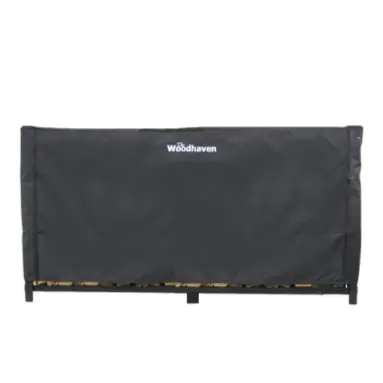
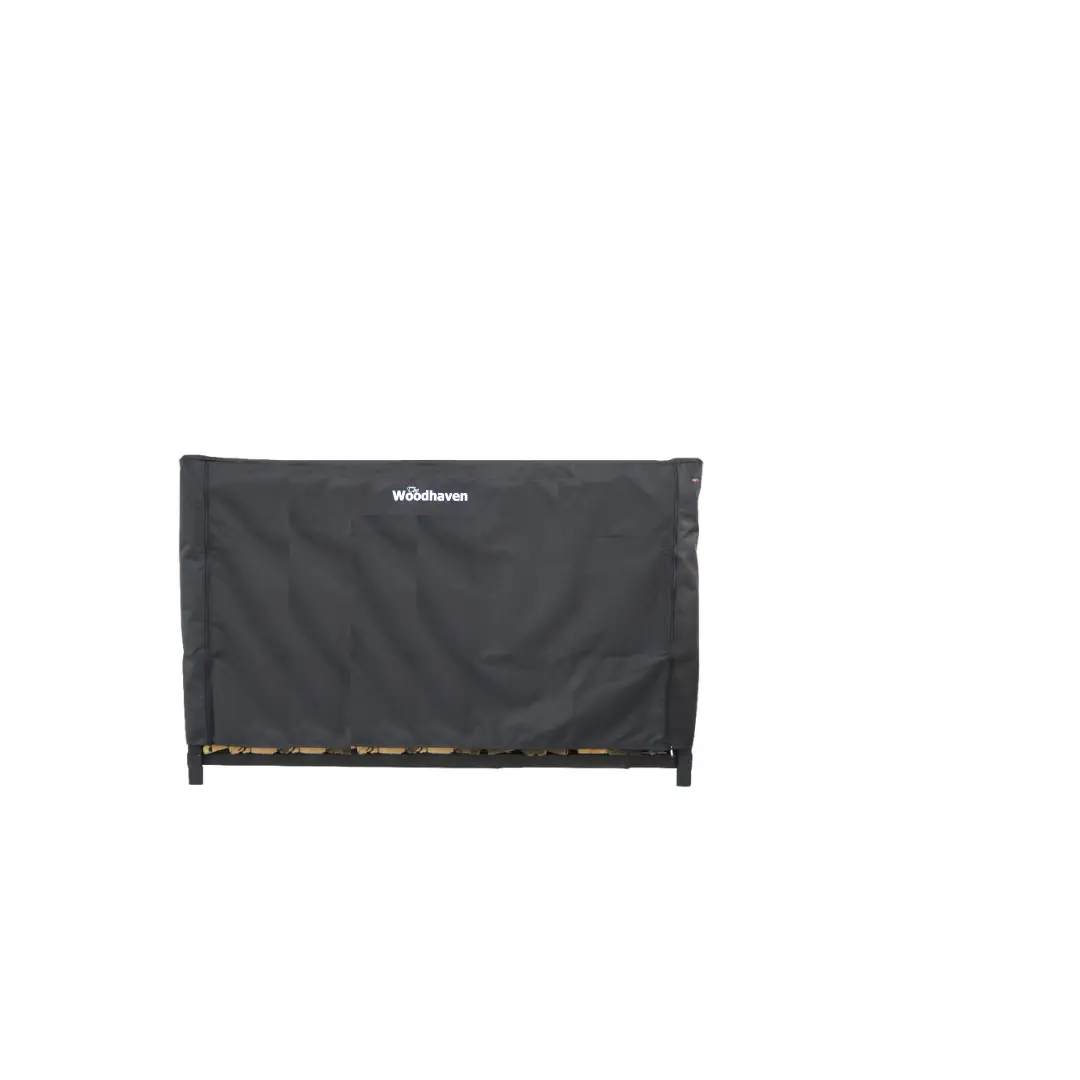
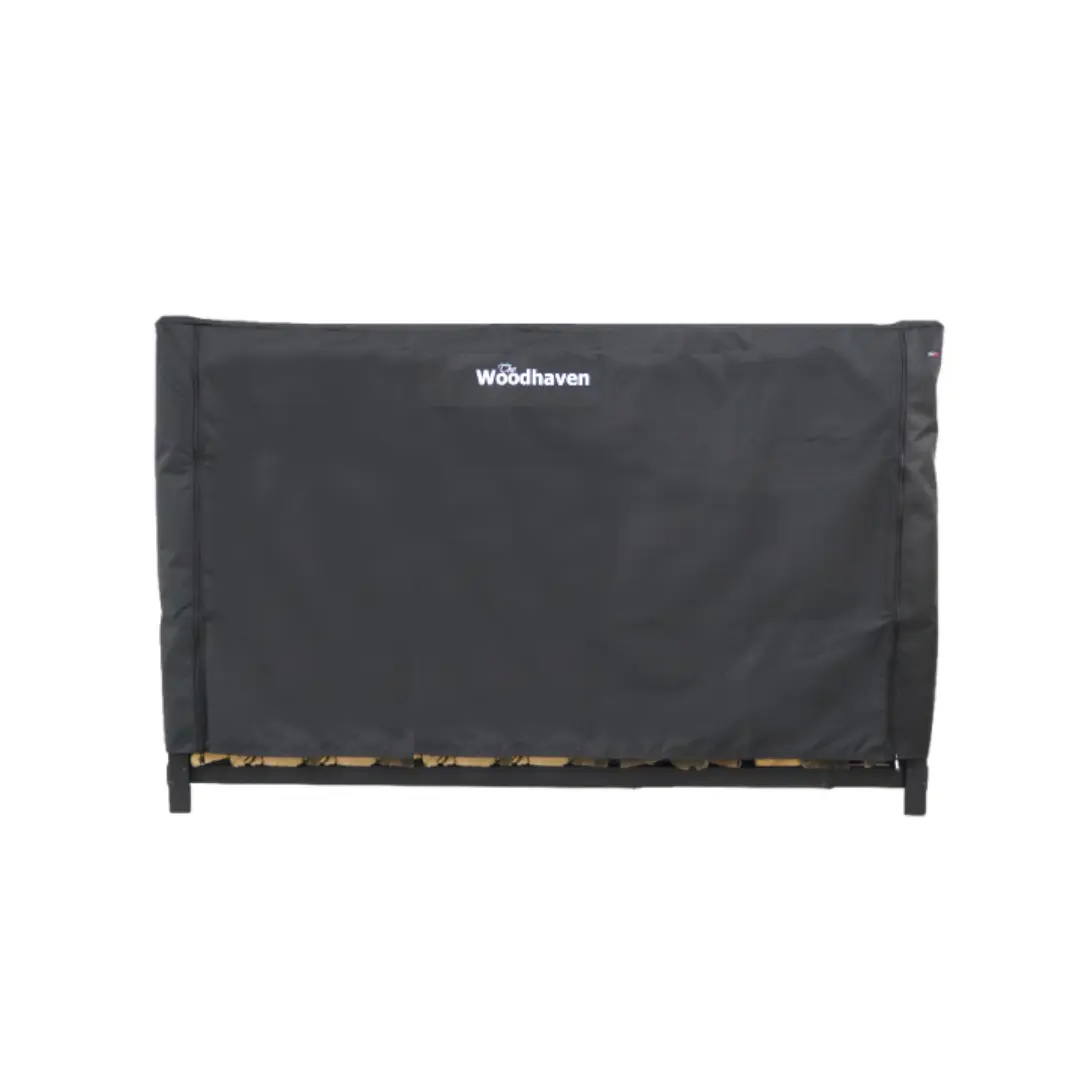
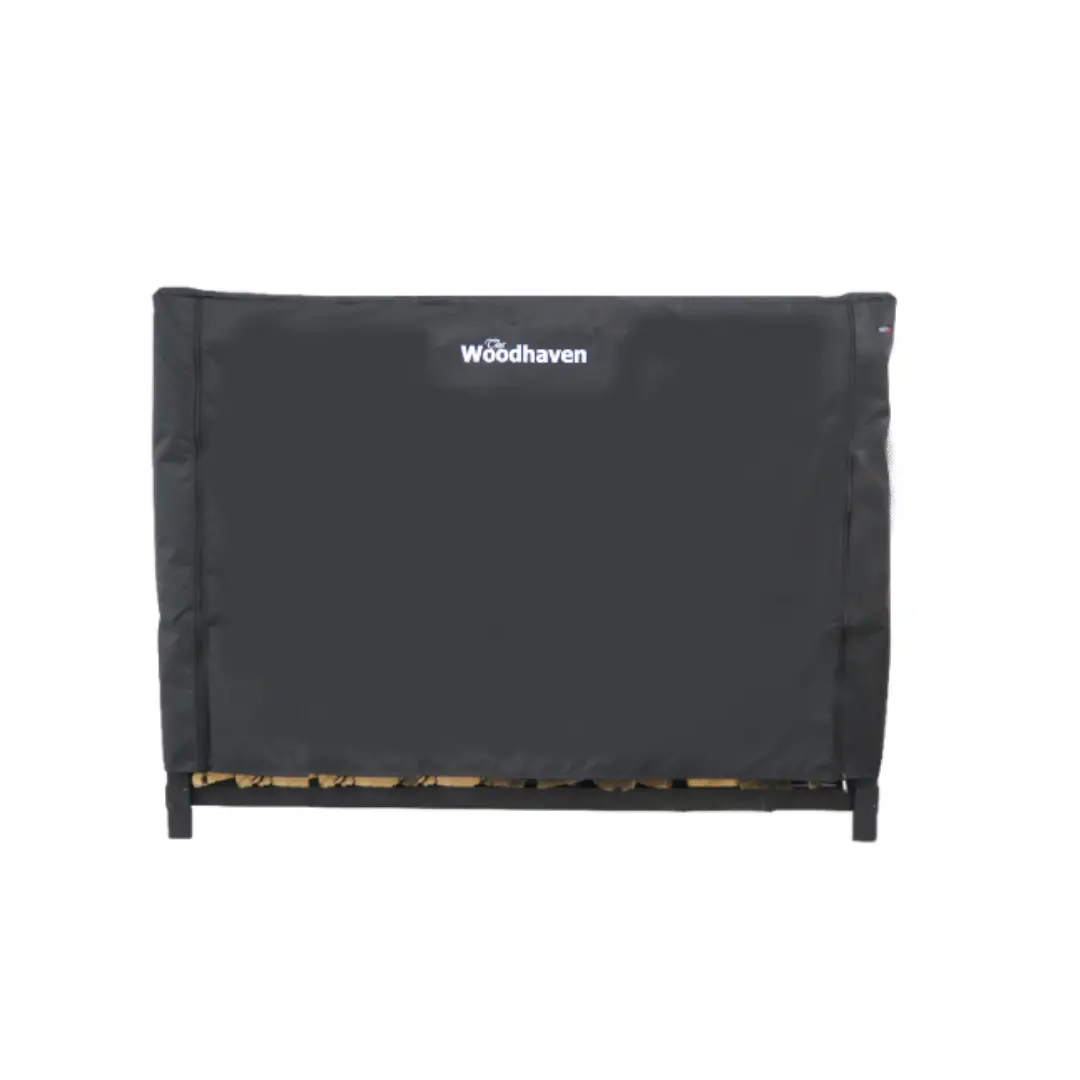
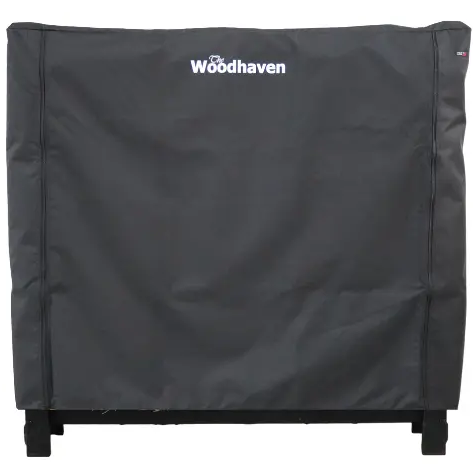
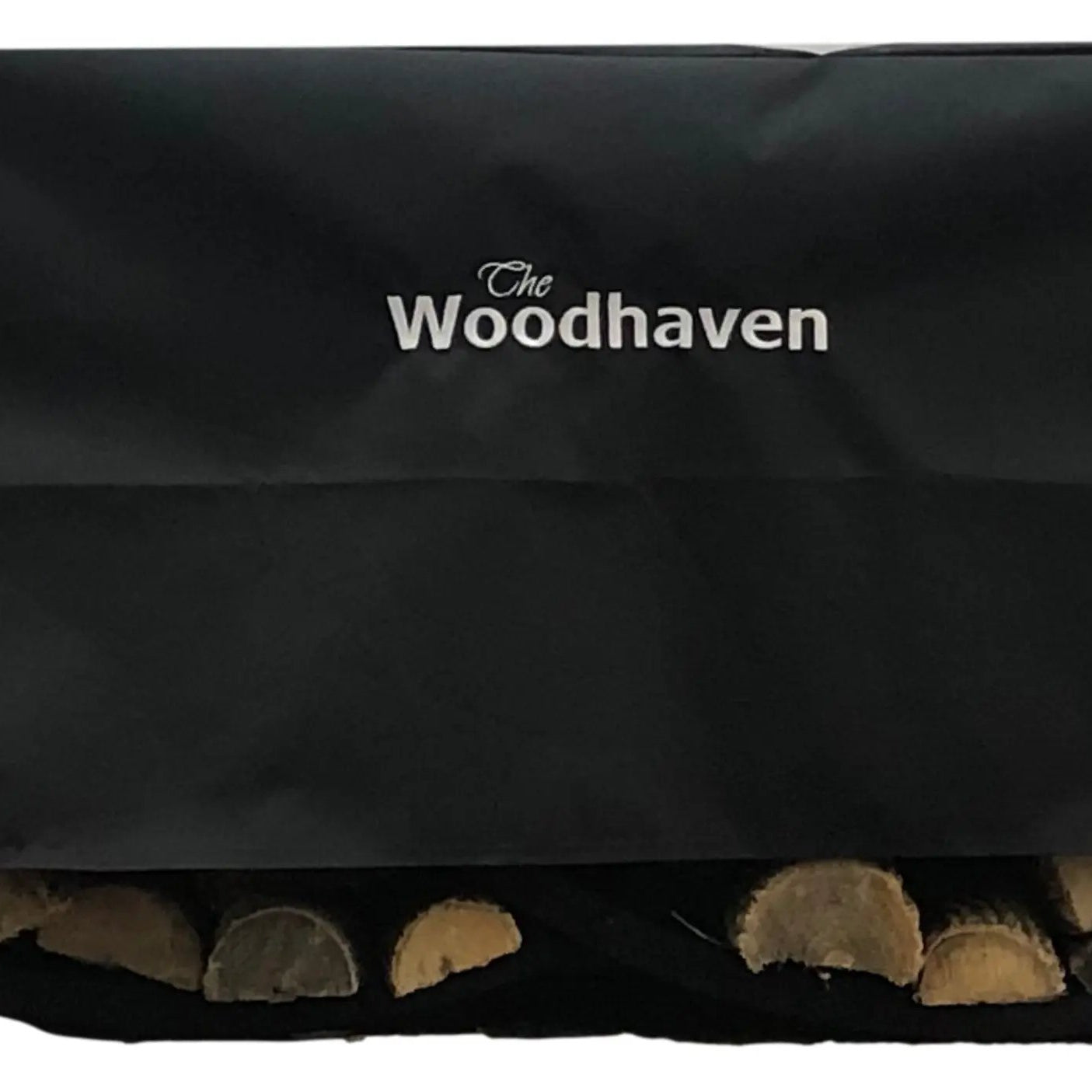
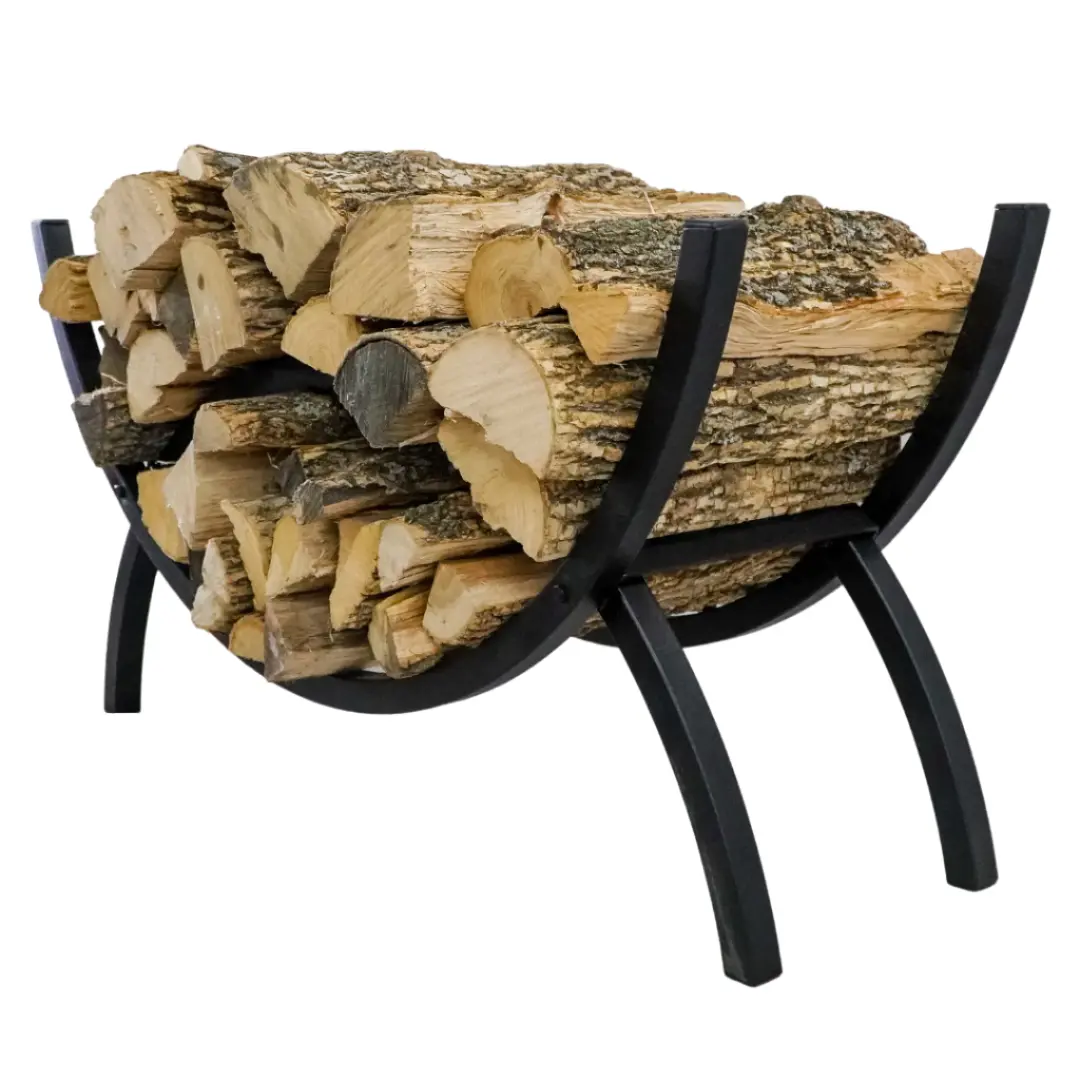
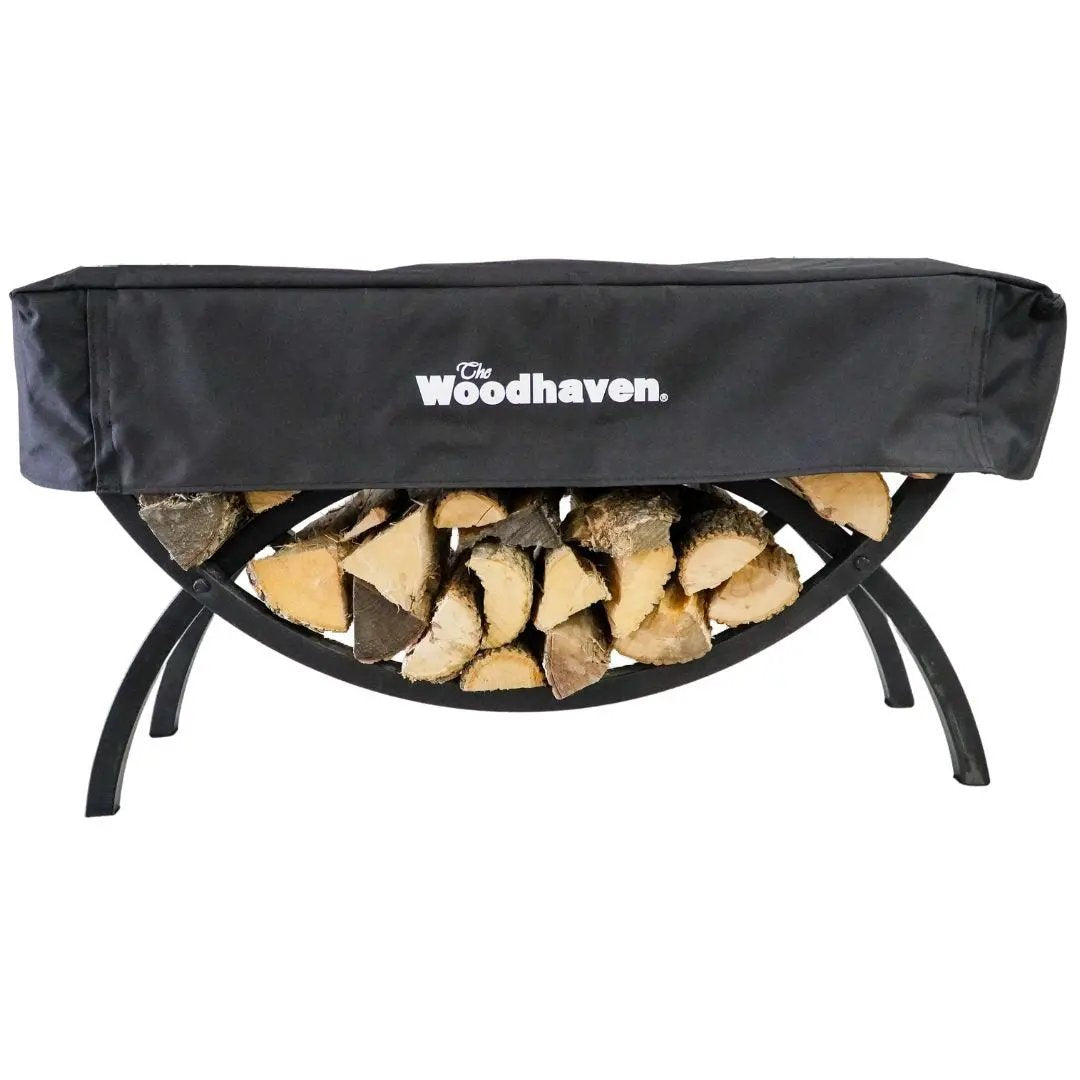
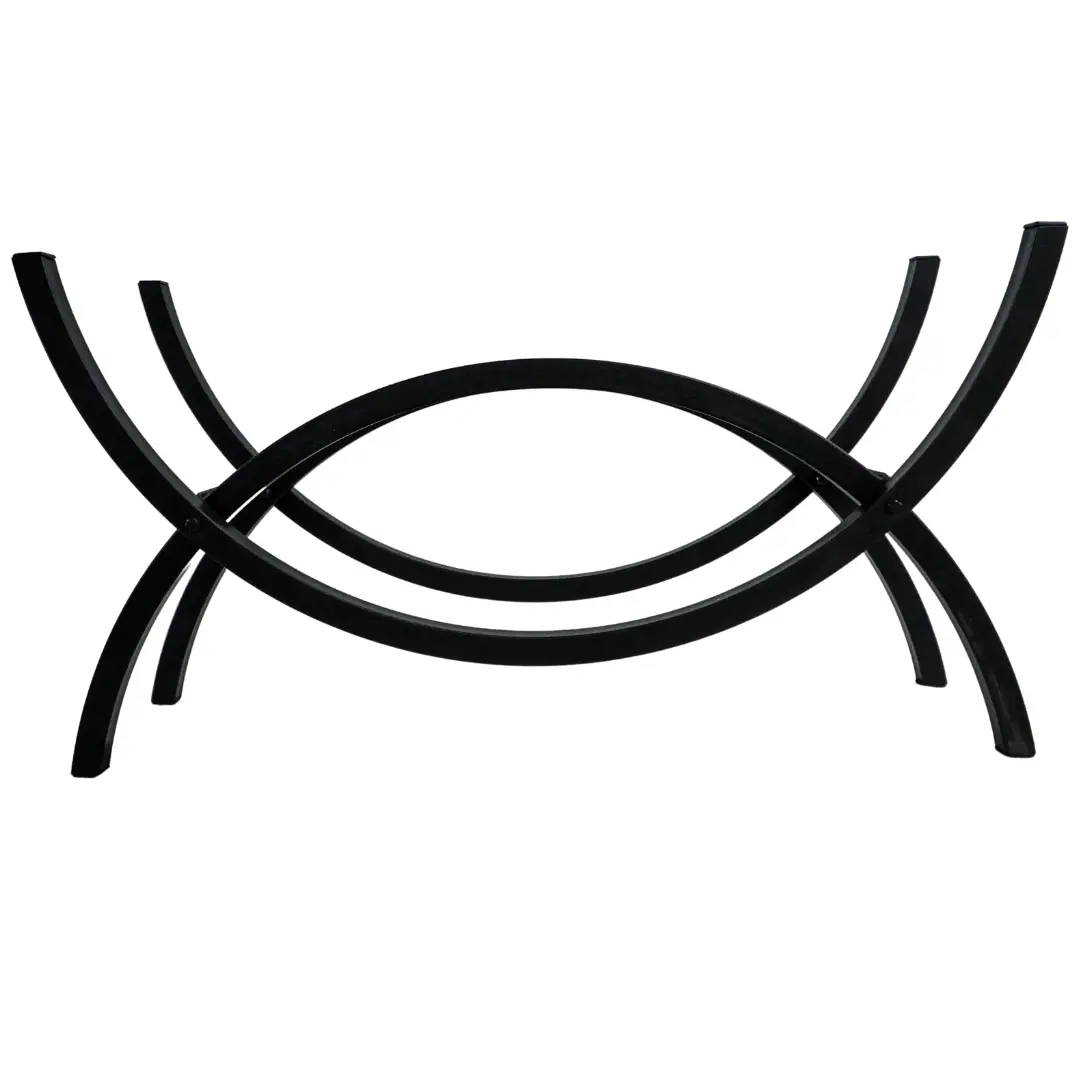
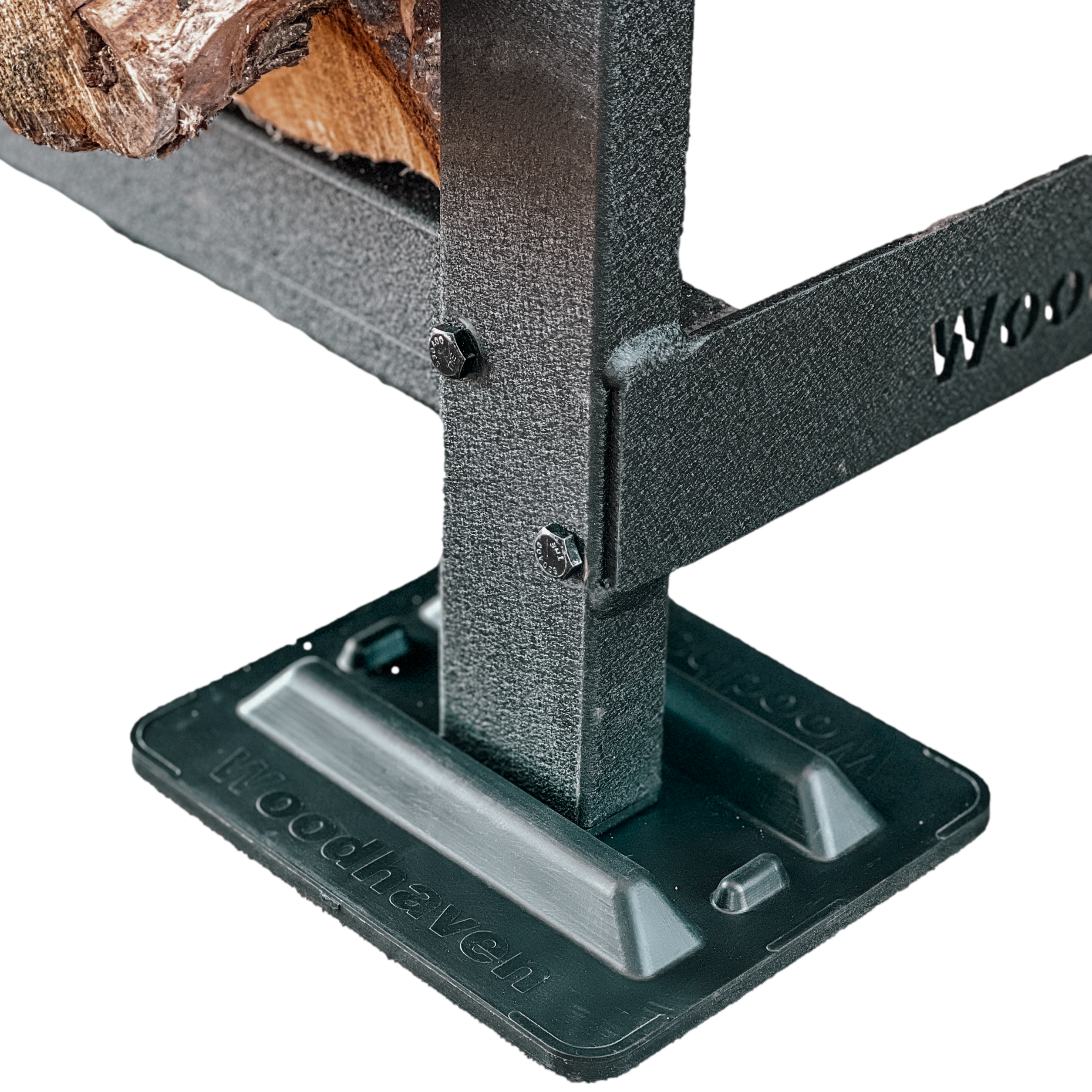
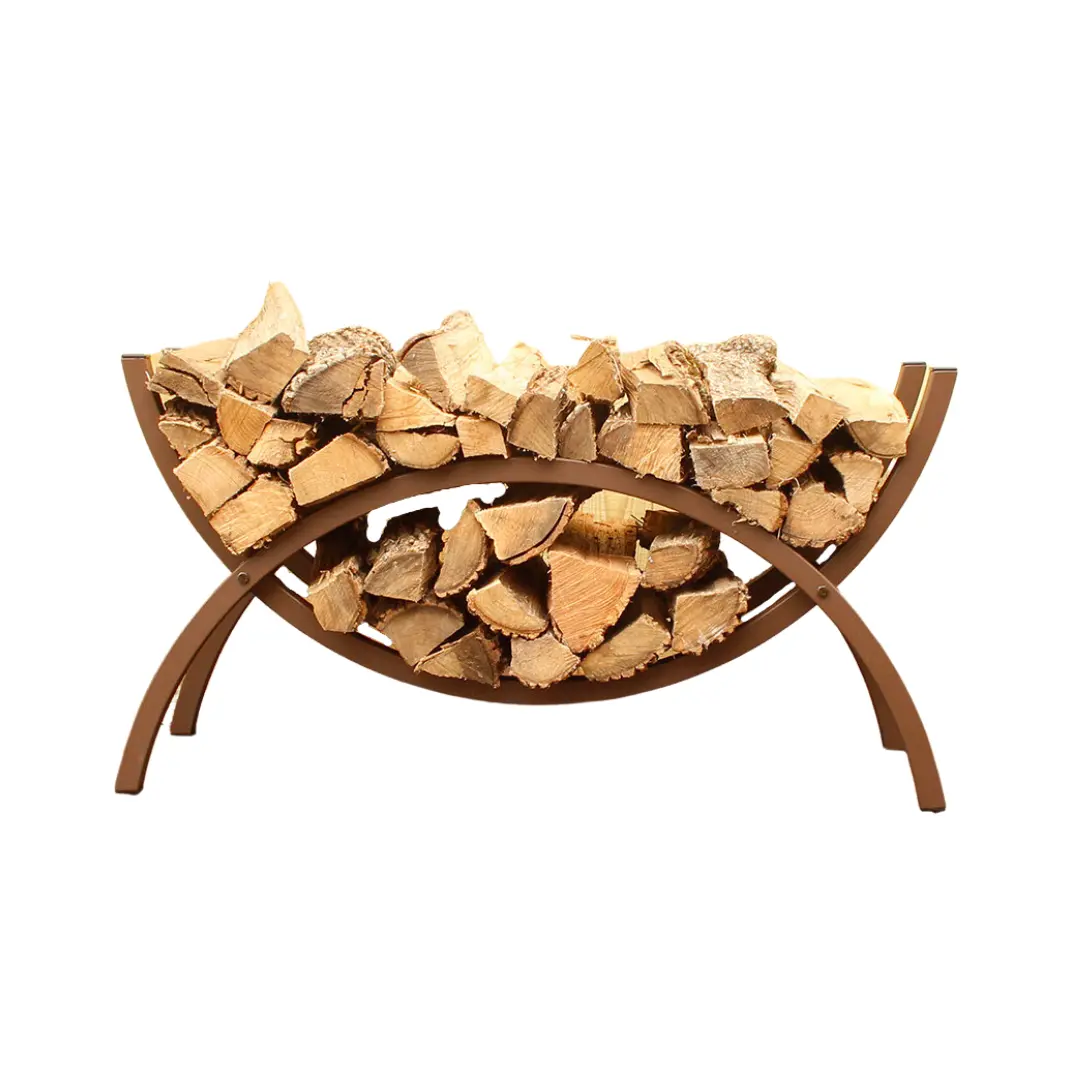
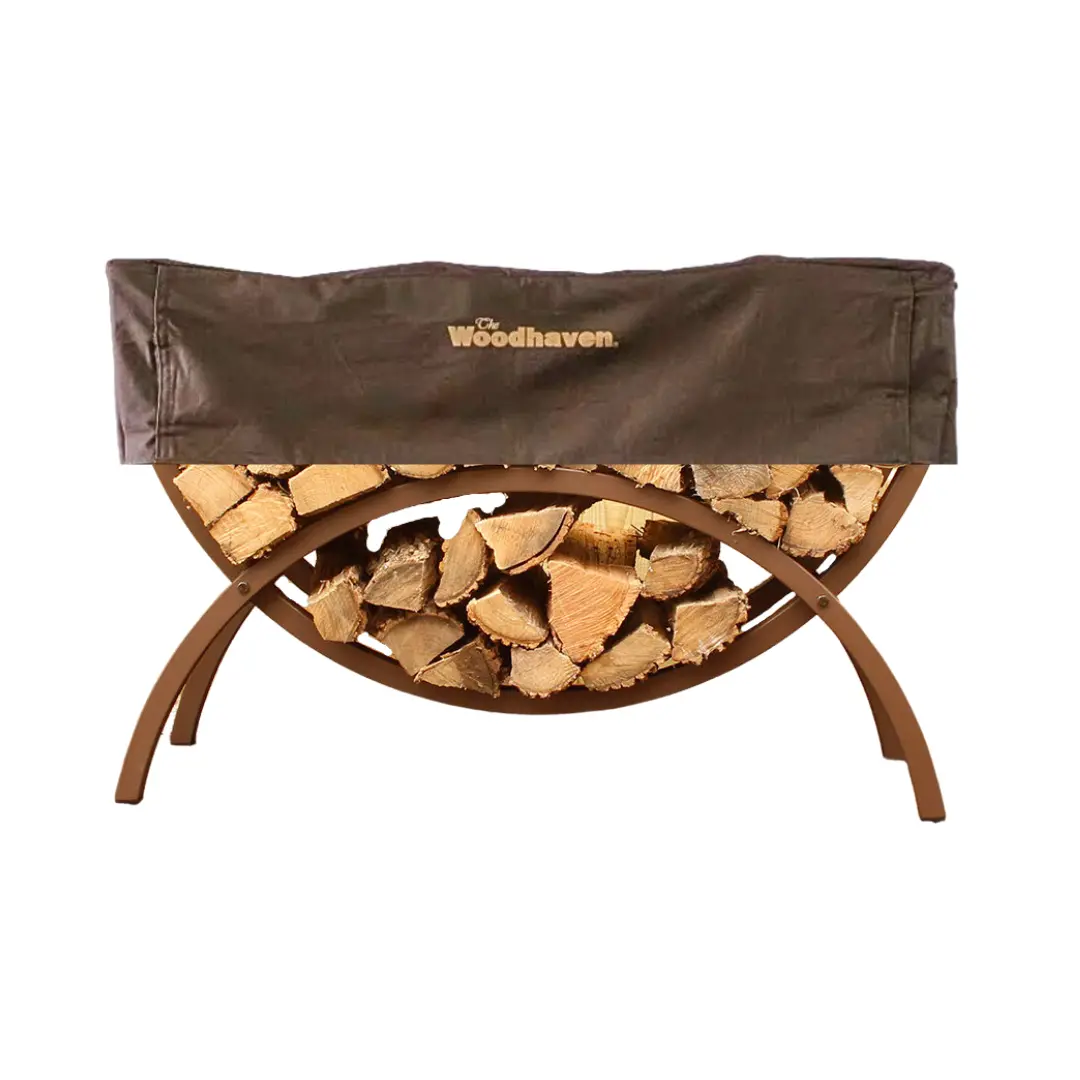
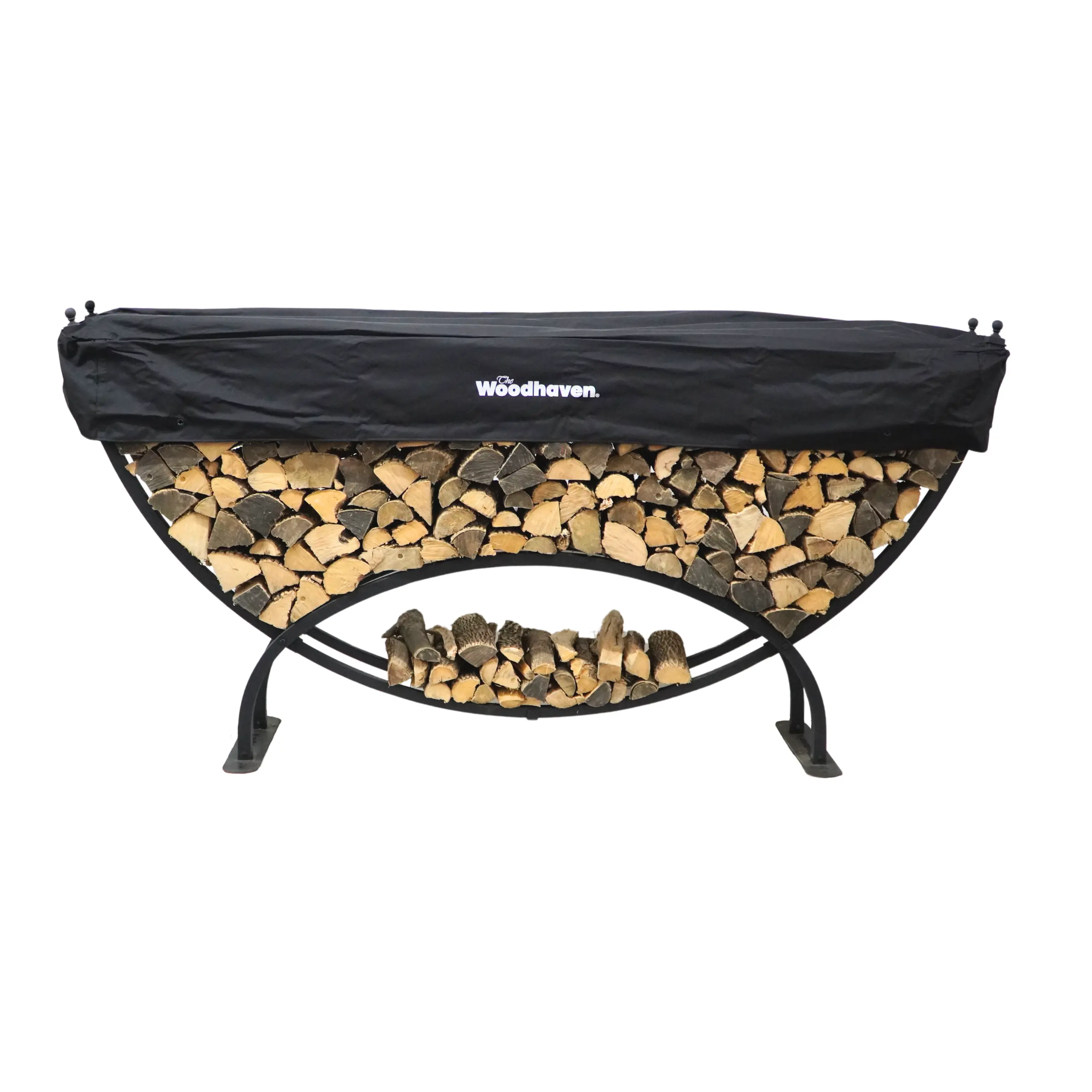
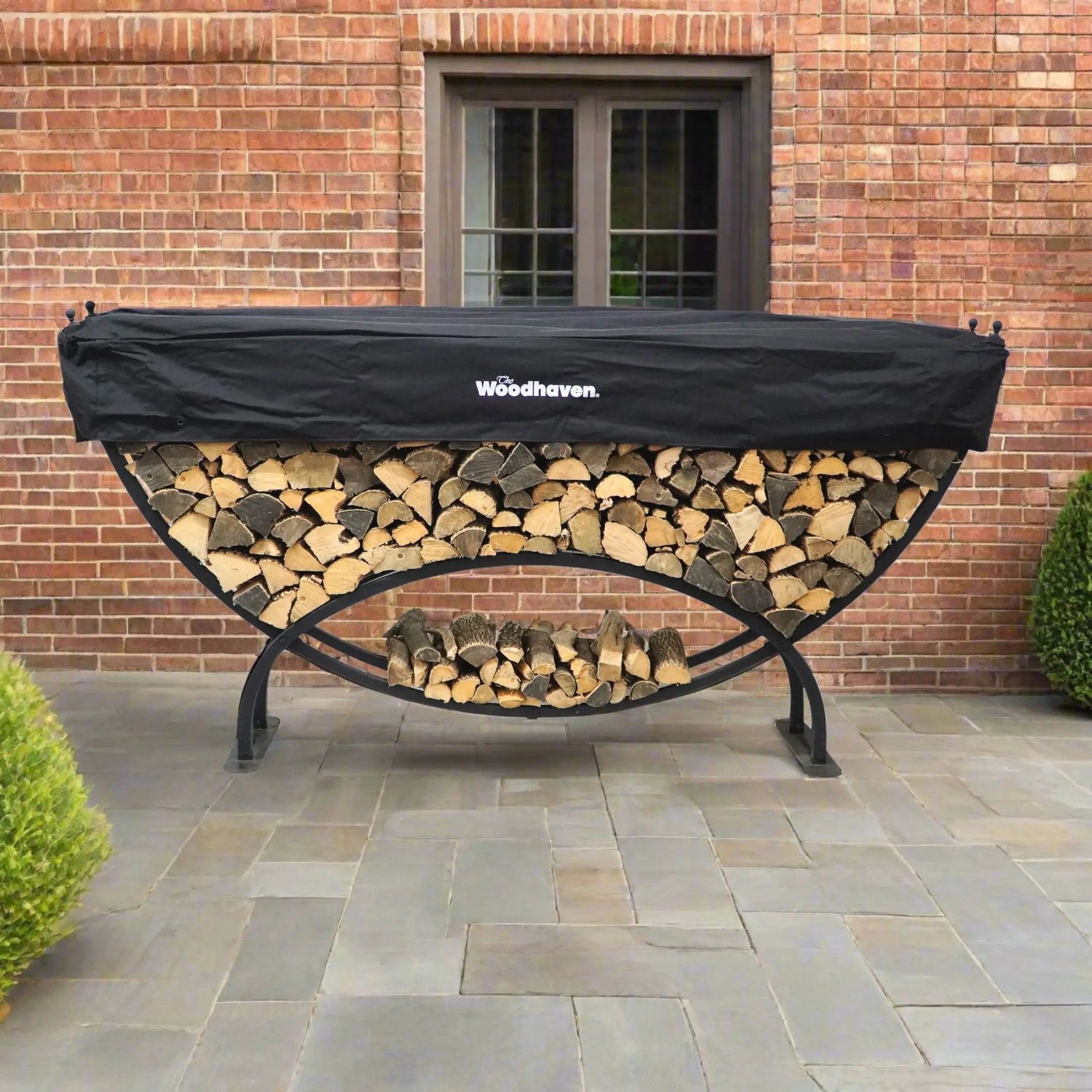
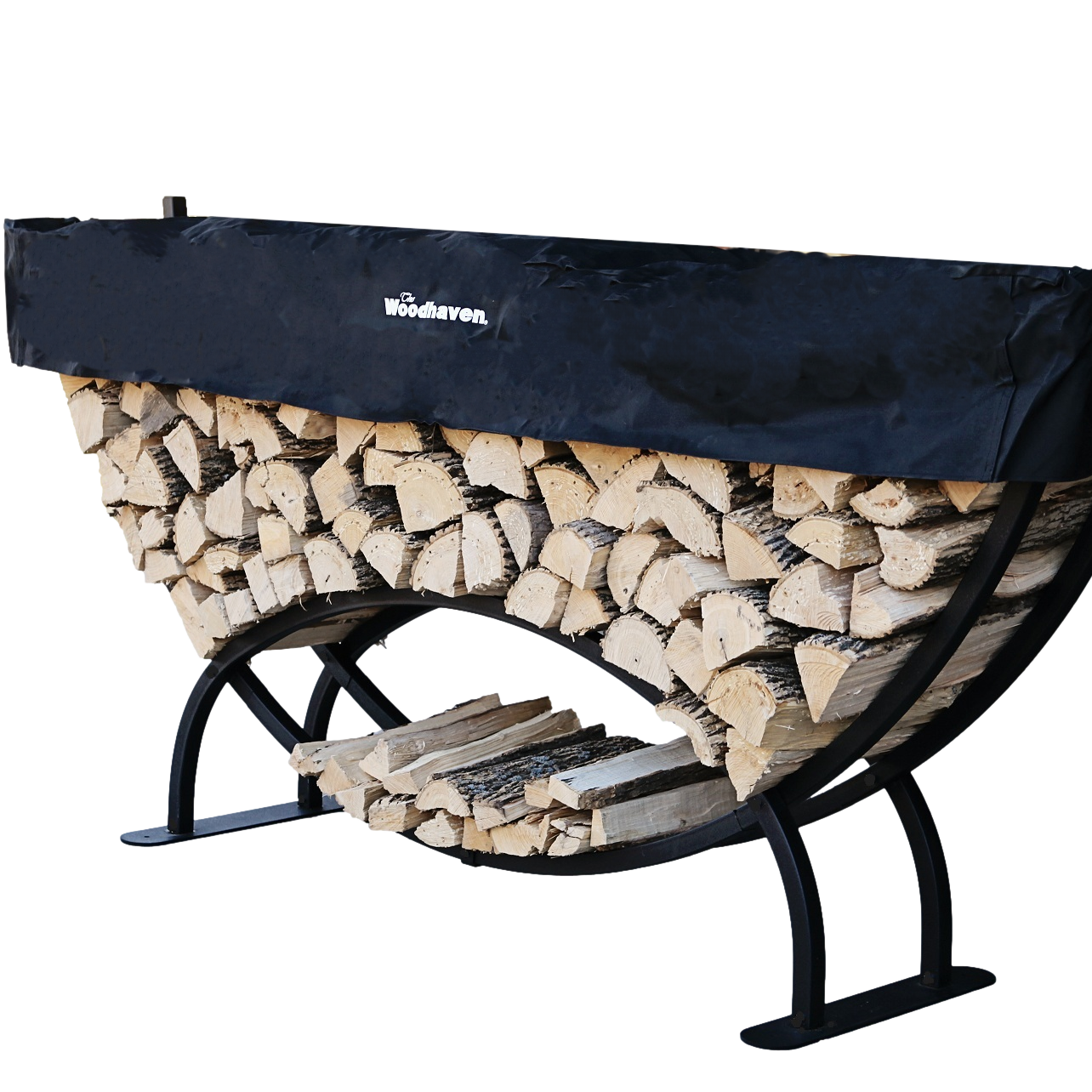
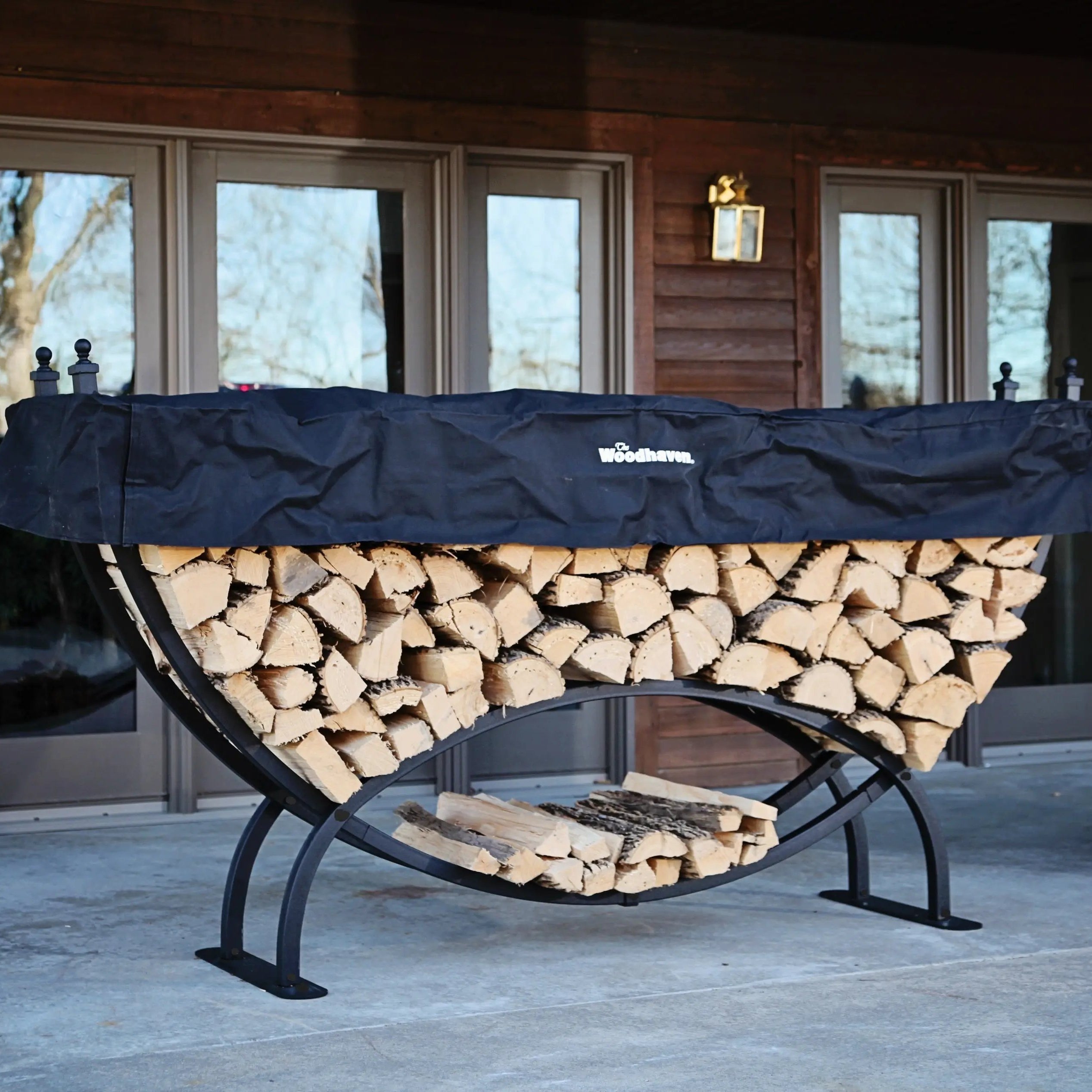
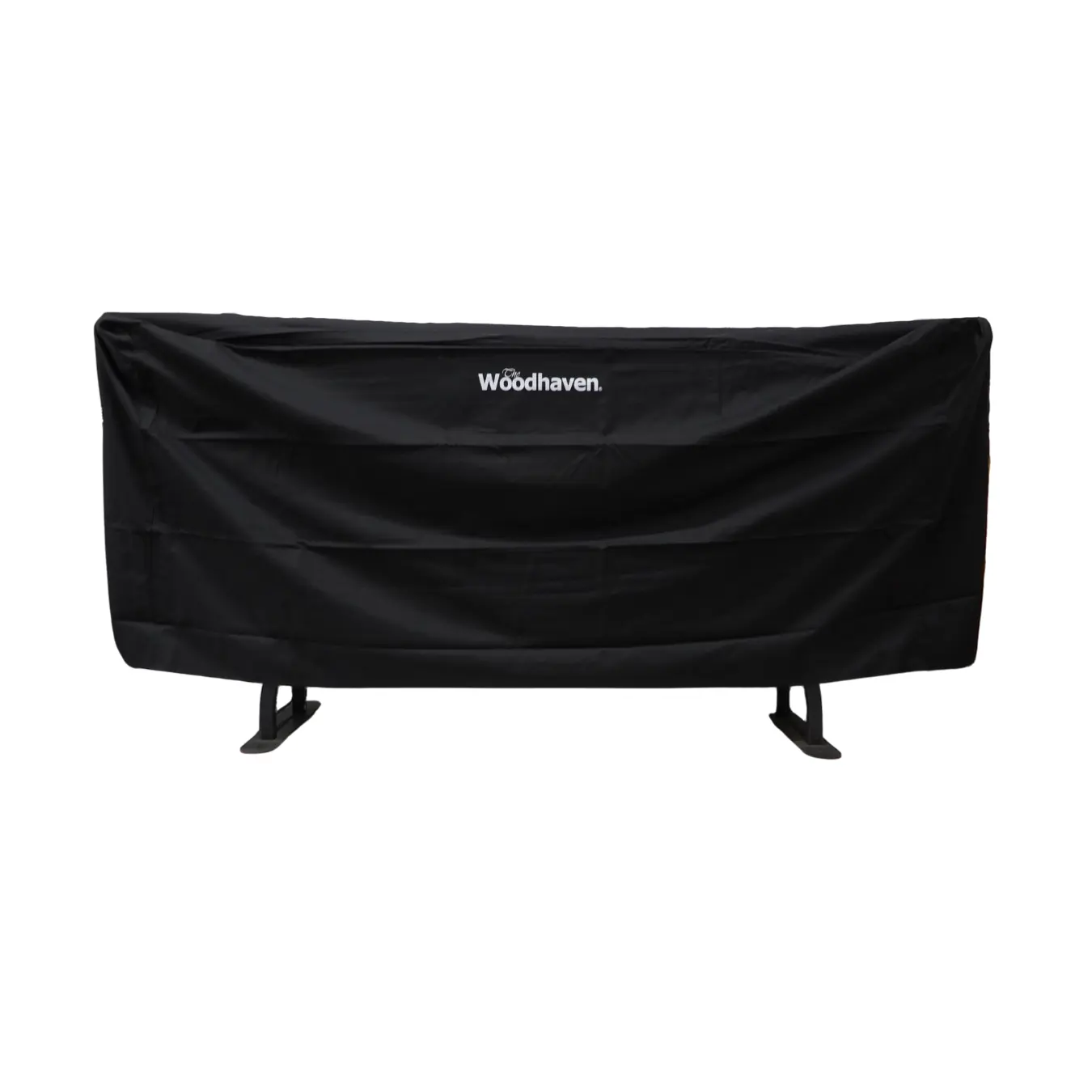
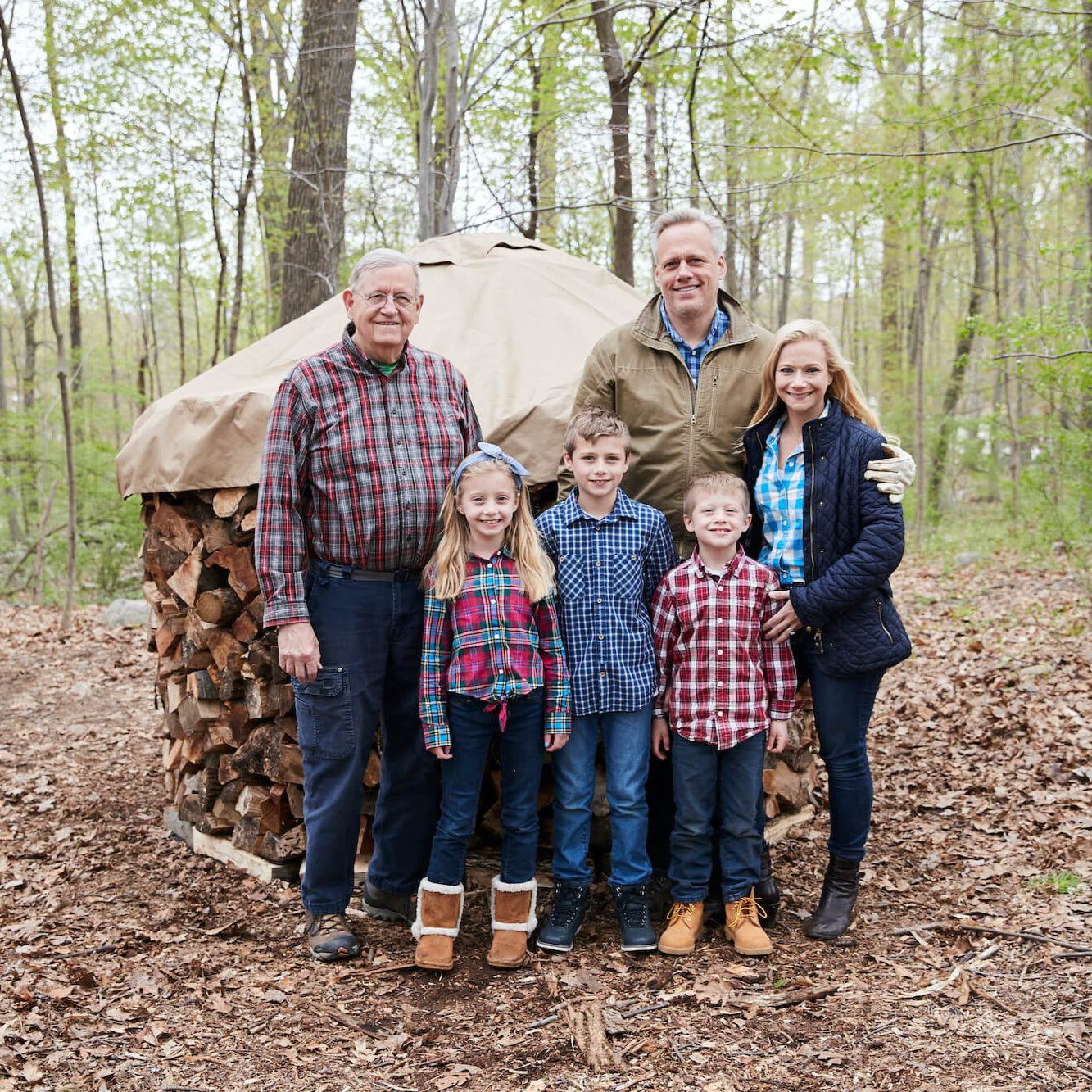
In order to season logs, keep them raised off the ground on a firewood stand and protect them with a cover. This will ensure they stay dry and prevent rot. Be sure to stack the wood so that one side is exposed to sun and wind, allowing moisture to evaporate. If your firewood gets rained on, simply let it dry—rotting only occurs with prolonged exposure. If stored correctly, seasoned wood will last for many years.
How Long to Season Firewood by Wood Type
The time it takes to season firewood varies depending on the type of wood you're using:
- Ash burns most efficiently when split, stacked, and left for at least 6 months to season.
- Maple can take from 6 months to a year to season properly, depending on whether you have soft or hard maple.
- Oak can take anywhere from 12 to 24 months to season, as it can contain high levels of water.
Frequently Asked Questions About Seasoning Firewood
What is the difference between seasoned and unseasoned firewood?
Seasoned firewood has been dried to reduce moisture content, making it burn hotter, longer, and more efficiently. Unseasoned or "green" wood is still heavy with moisture, burns poorly, produces excessive smoke, and can create dangerous creosote buildup in your chimney.
How can I tell if firewood is properly seasoned?
Look for brown coloring rather than green, coarse texture on the ends with visible cracking, lighter weight, easily peelable bark, and a hollow sound when the logs are struck together.
How long does it take to season firewood?
Seasoning time ranges from 6 months to 2 years depending on the wood type and storage conditions. Ash seasons fastest at 6 months, maple takes 6 months to a year, and oak can require 12 to 24 months.
What is the best way to store firewood while it seasons?
Store logs on a raised firewood stand with a protective cover to keep them dry and prevent rot. Stack the wood so one side is exposed to sun and wind for proper moisture evaporation. Rain exposure is not harmful if the wood is allowed to dry afterward.
Can seasoned firewood be stored long-term?
Yes, if stored correctly on a stand with a cover and proper air circulation, seasoned wood will last for many years without deteriorating.