

Understanding Holz Hausen vs. Traditional Woodpiles
When it comes to stacking firewood, the method you choose can significantly impact both the time and effort required. Let's compare the amount of wood that's actually stacked in a holz hausen versus a traditional woodpile to help you decide which approach works best for your needs.
For this comparison, we'll assume you have two cords of split wood to stack. One cord of split firewood equals 128 cubic feet, so two cords total 256 cubic feet. We'll also assume a typical split log is 16 inches long.
Traditional Woodpile Dimensions and Stacking
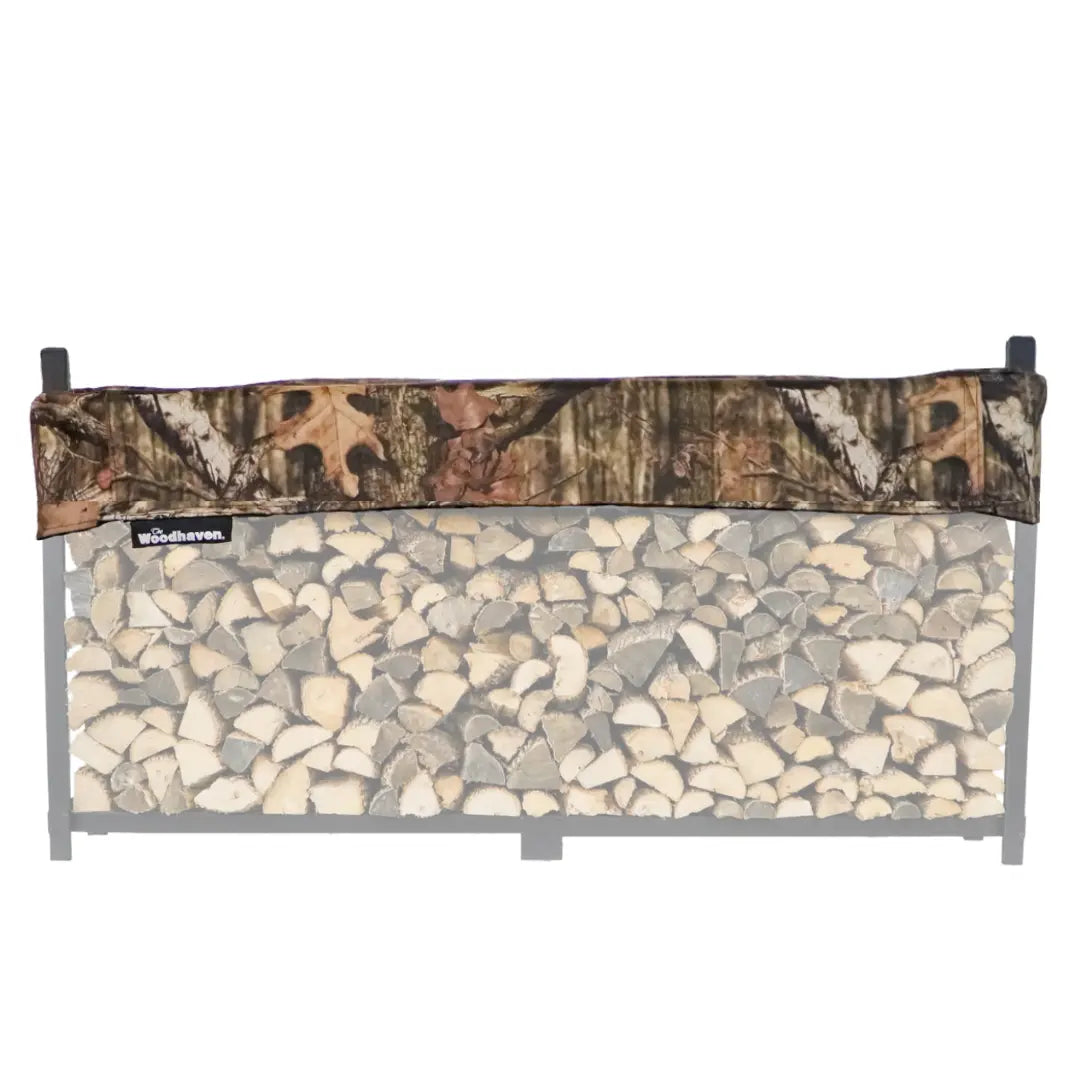
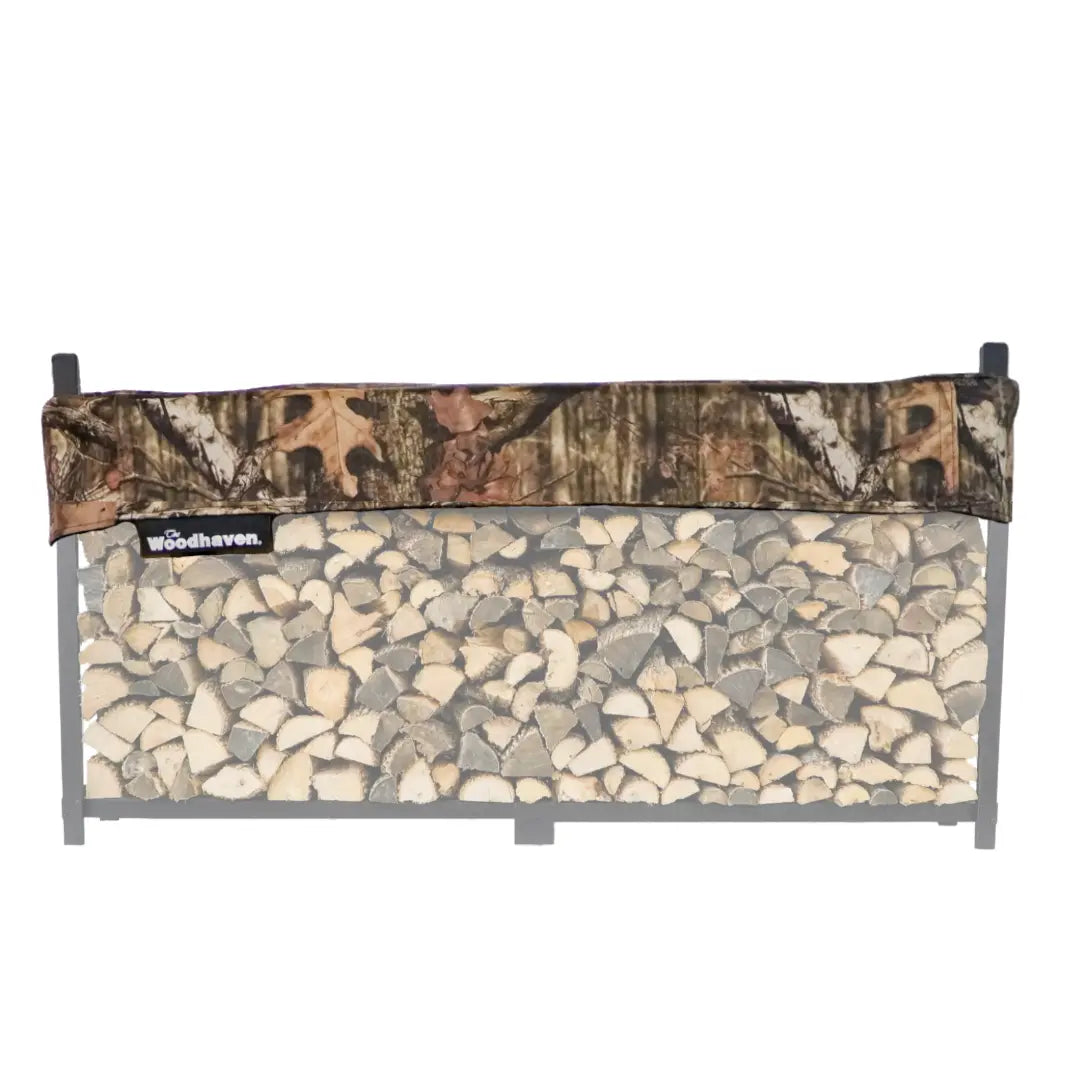
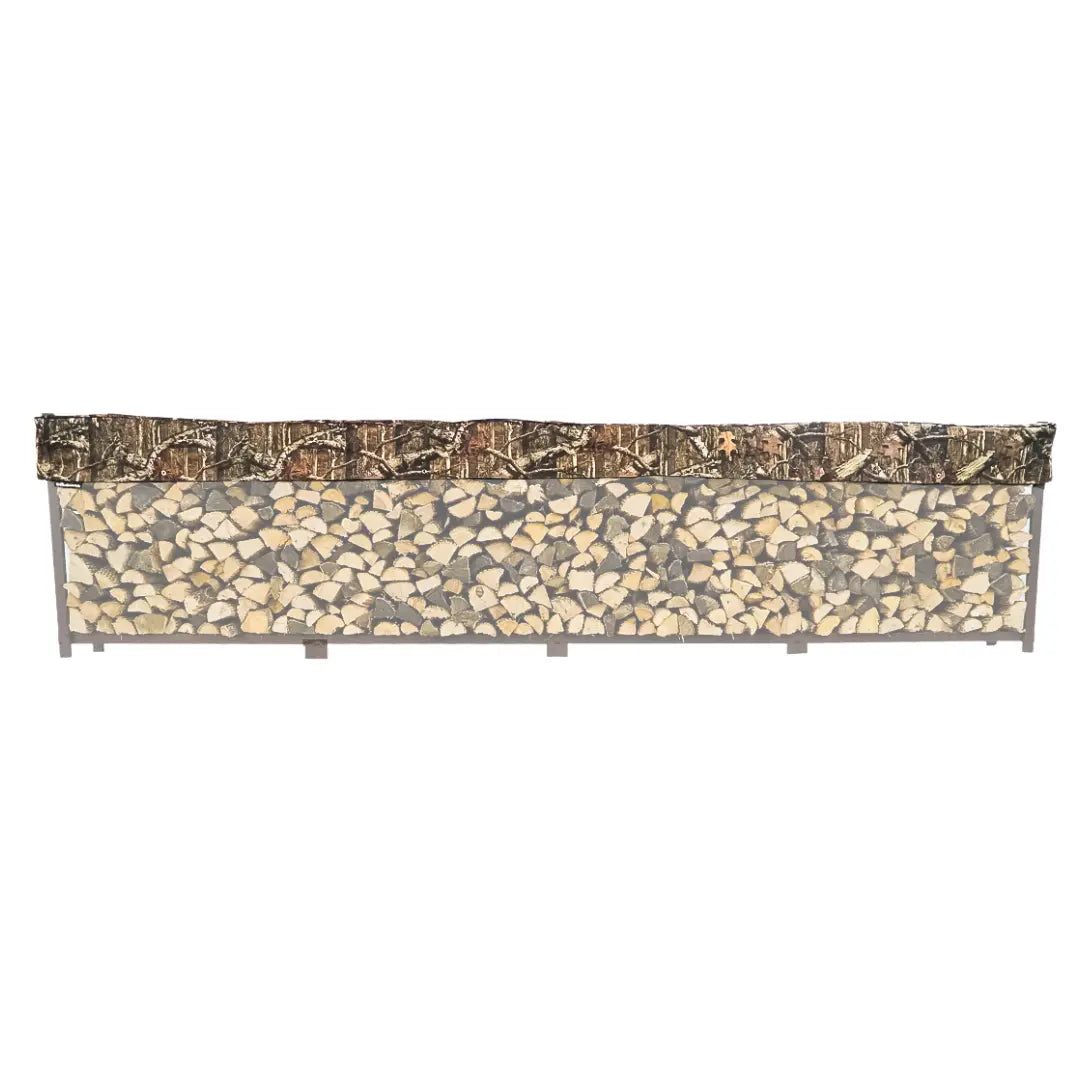
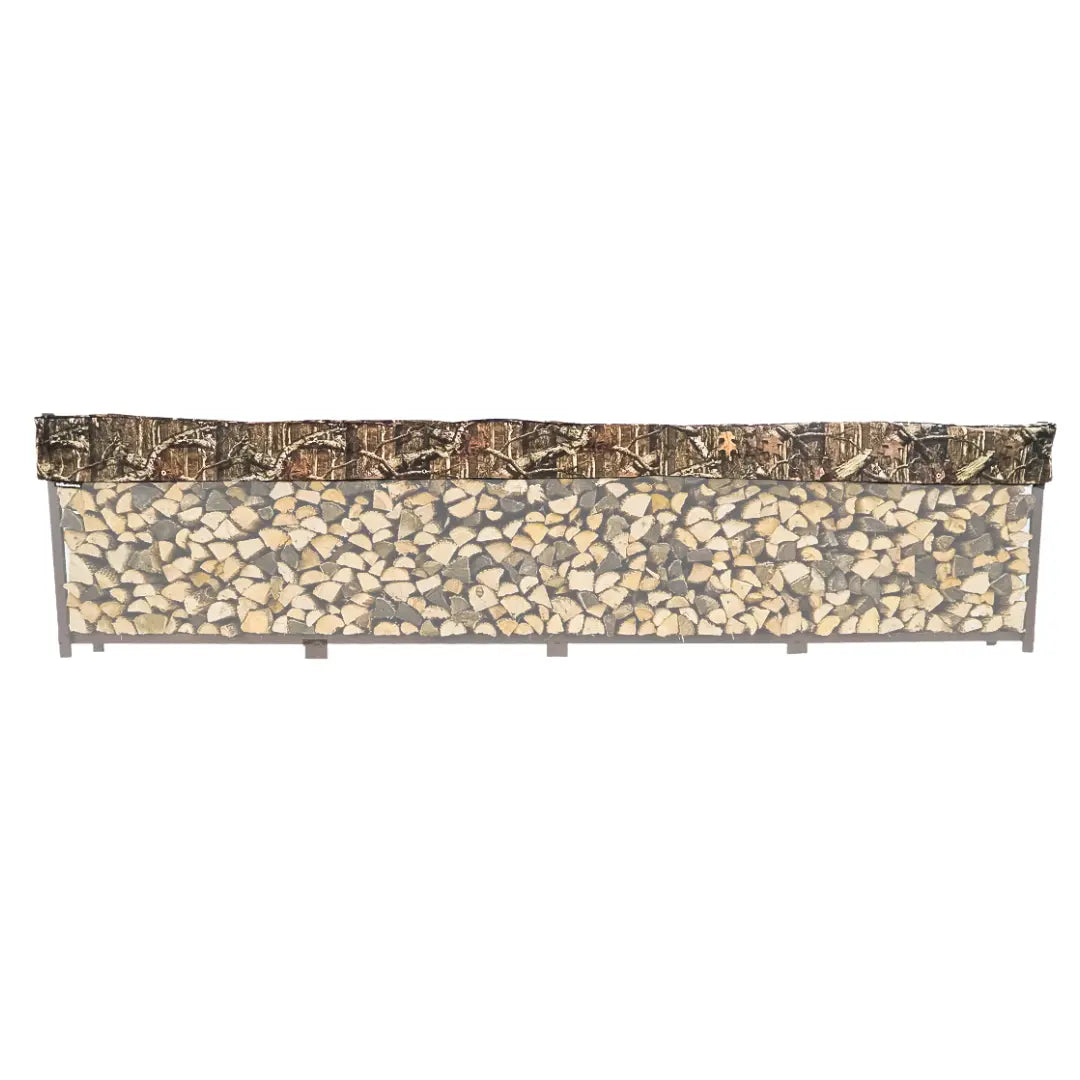
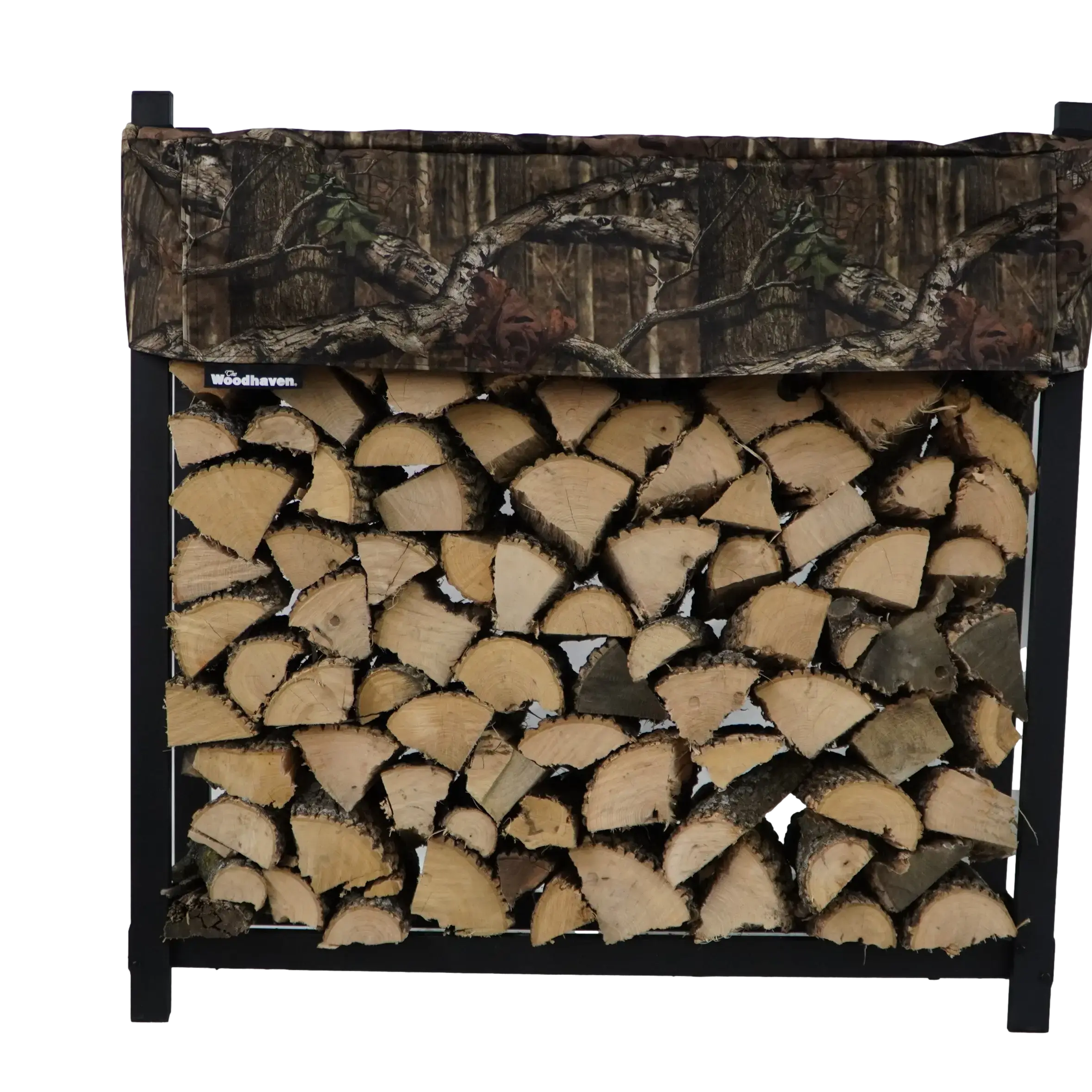
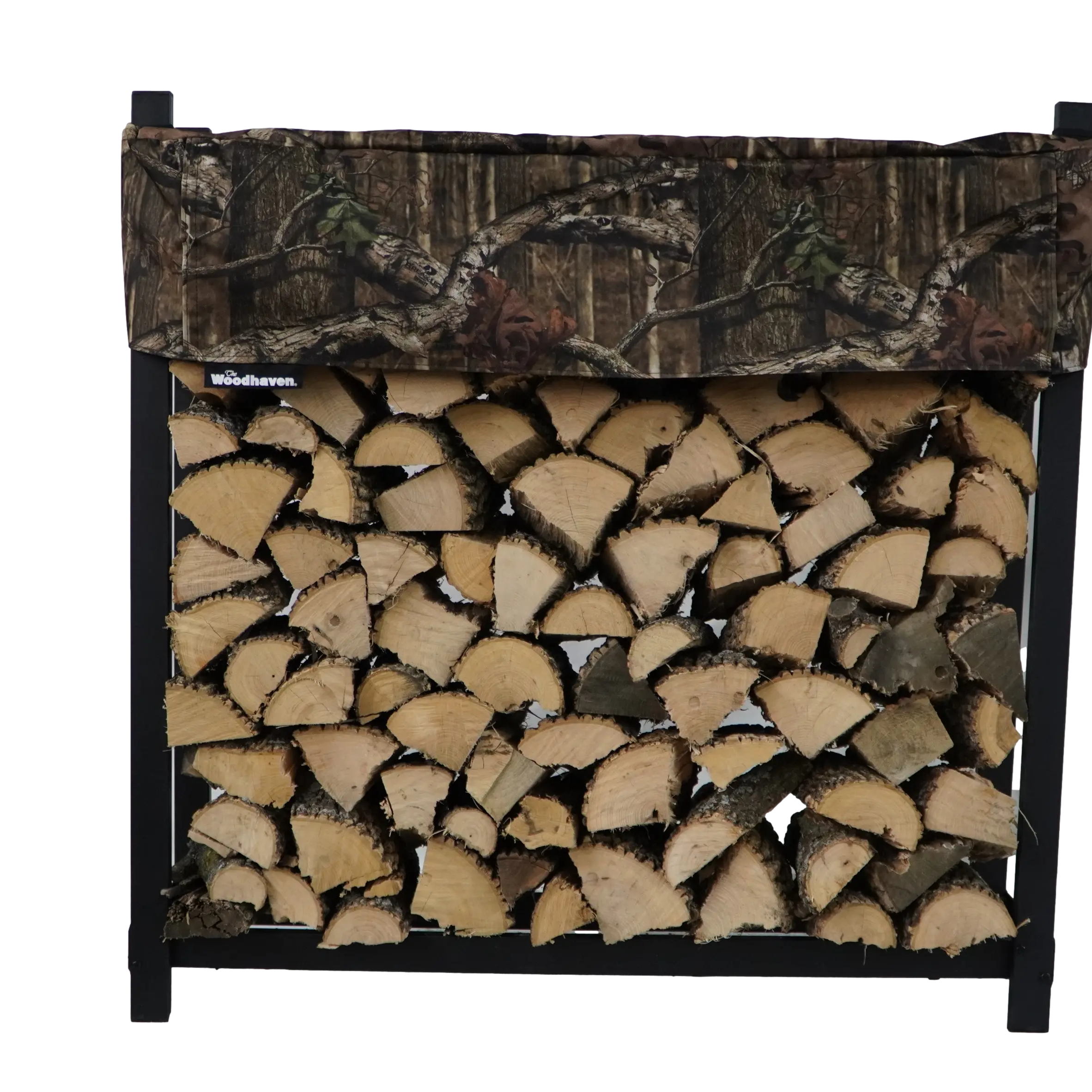
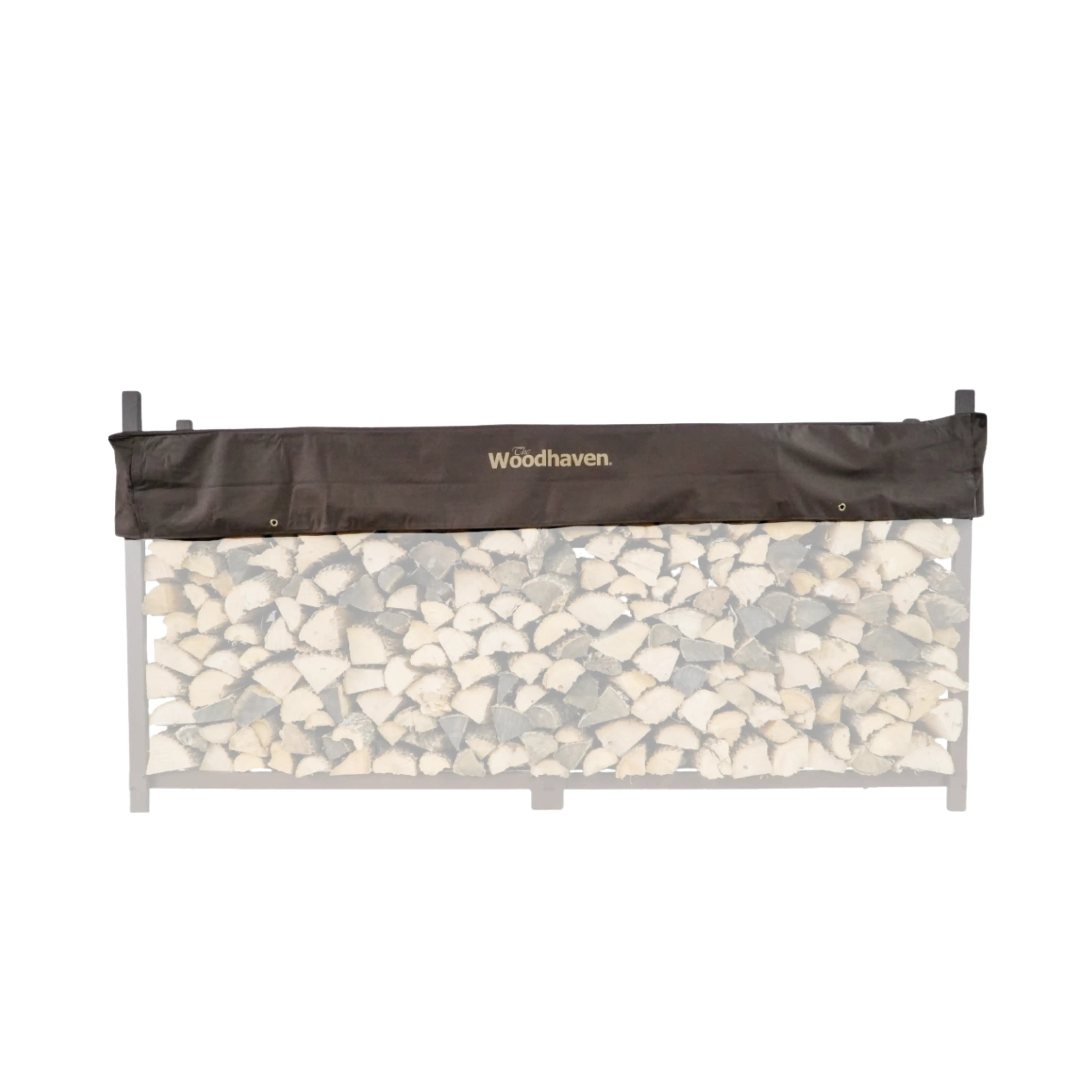
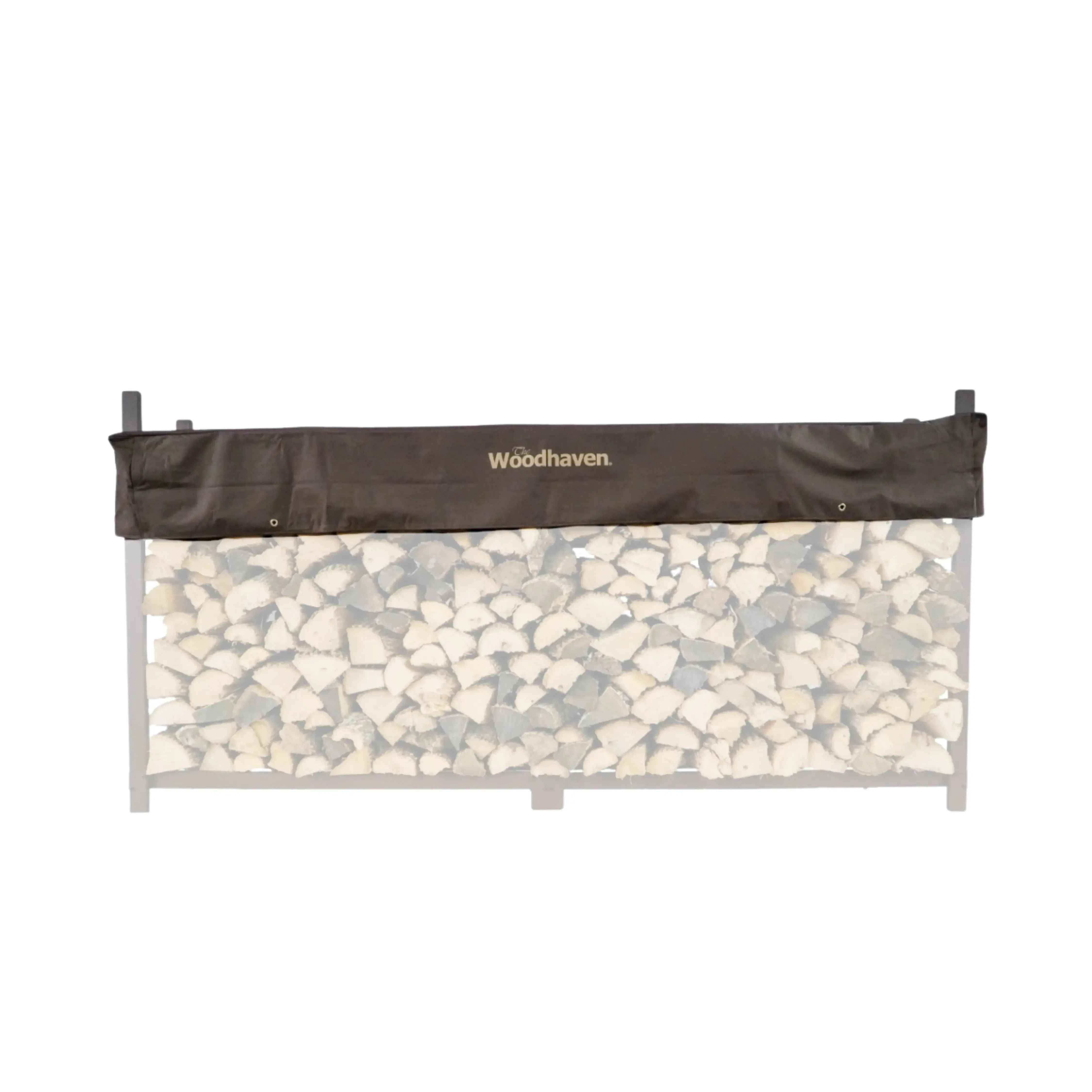
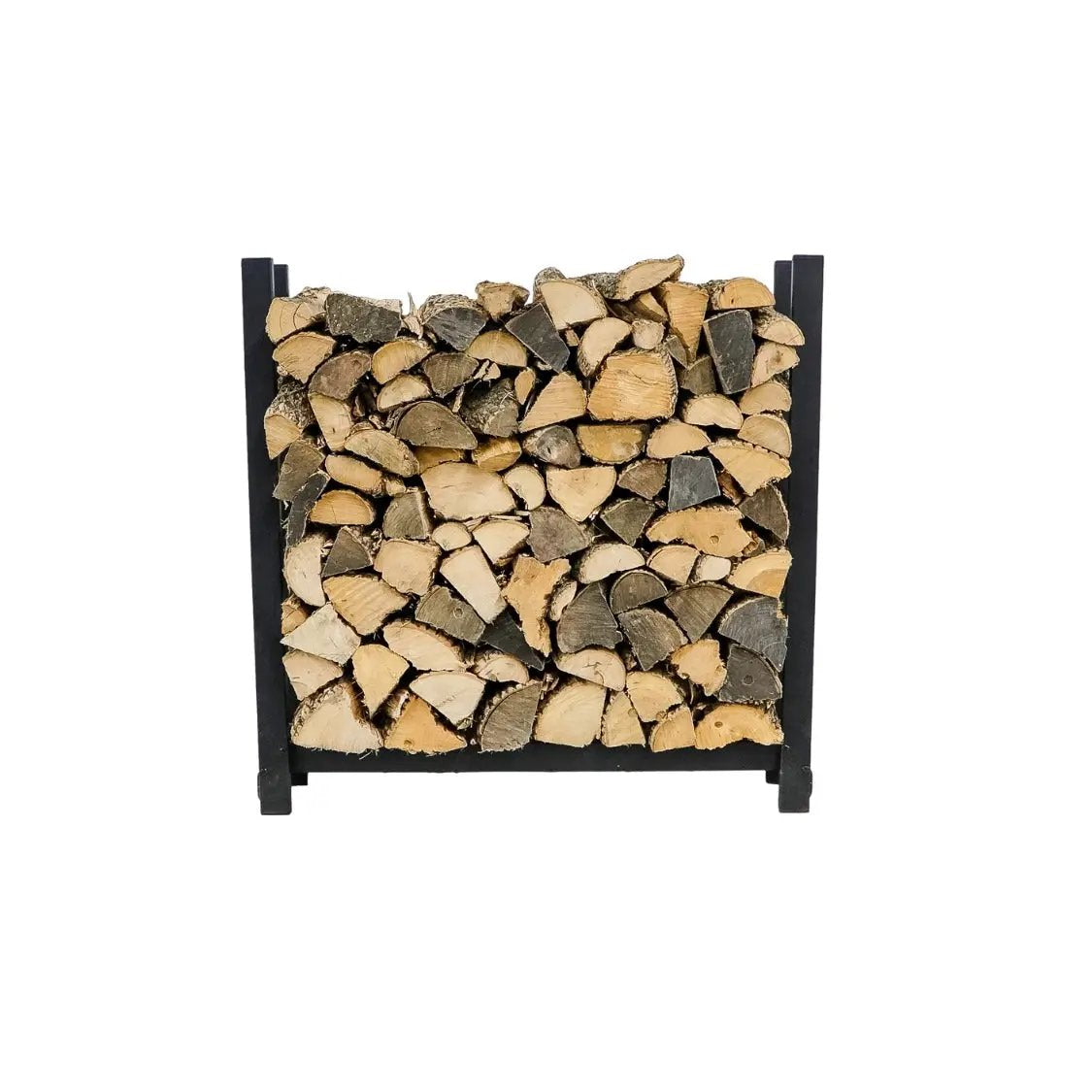
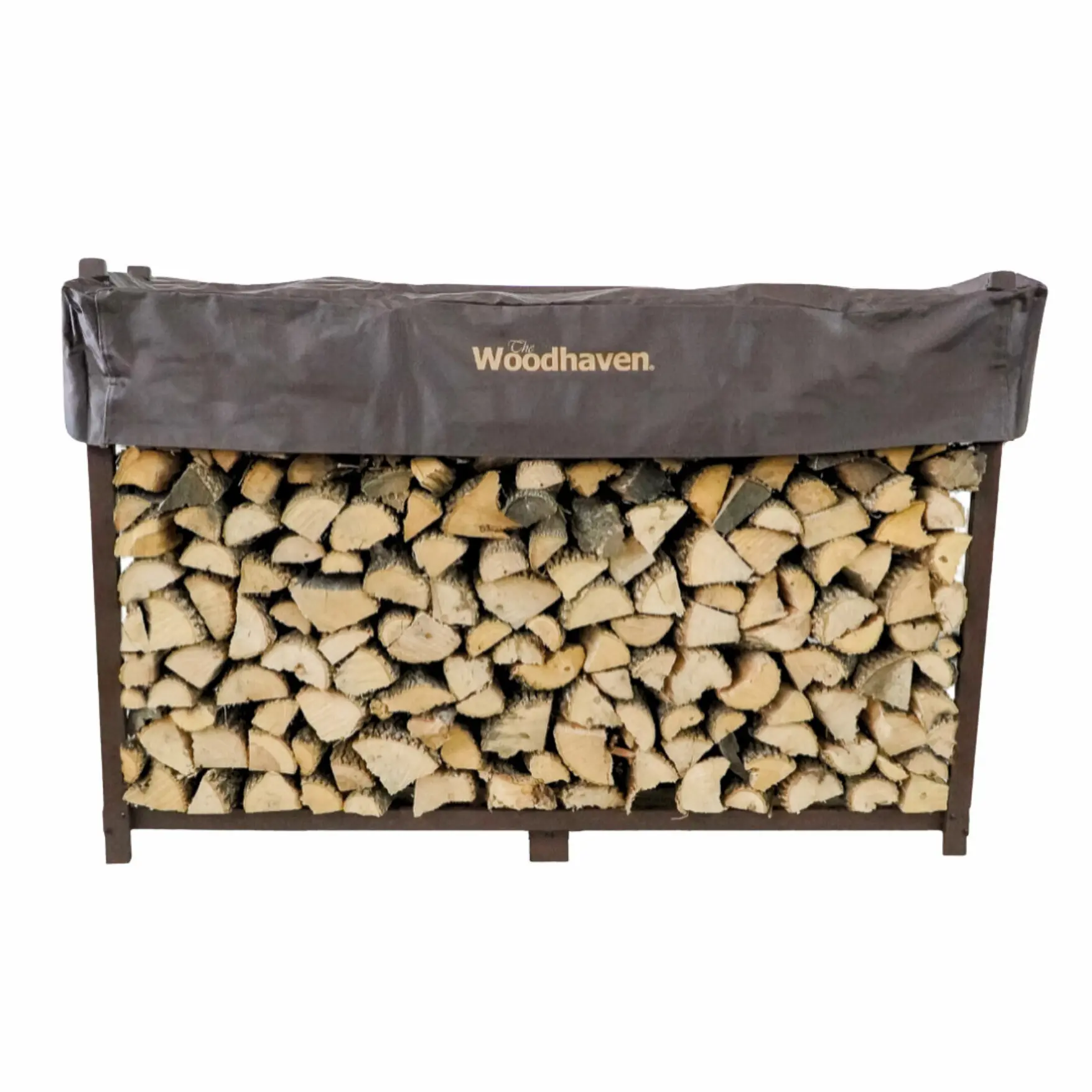
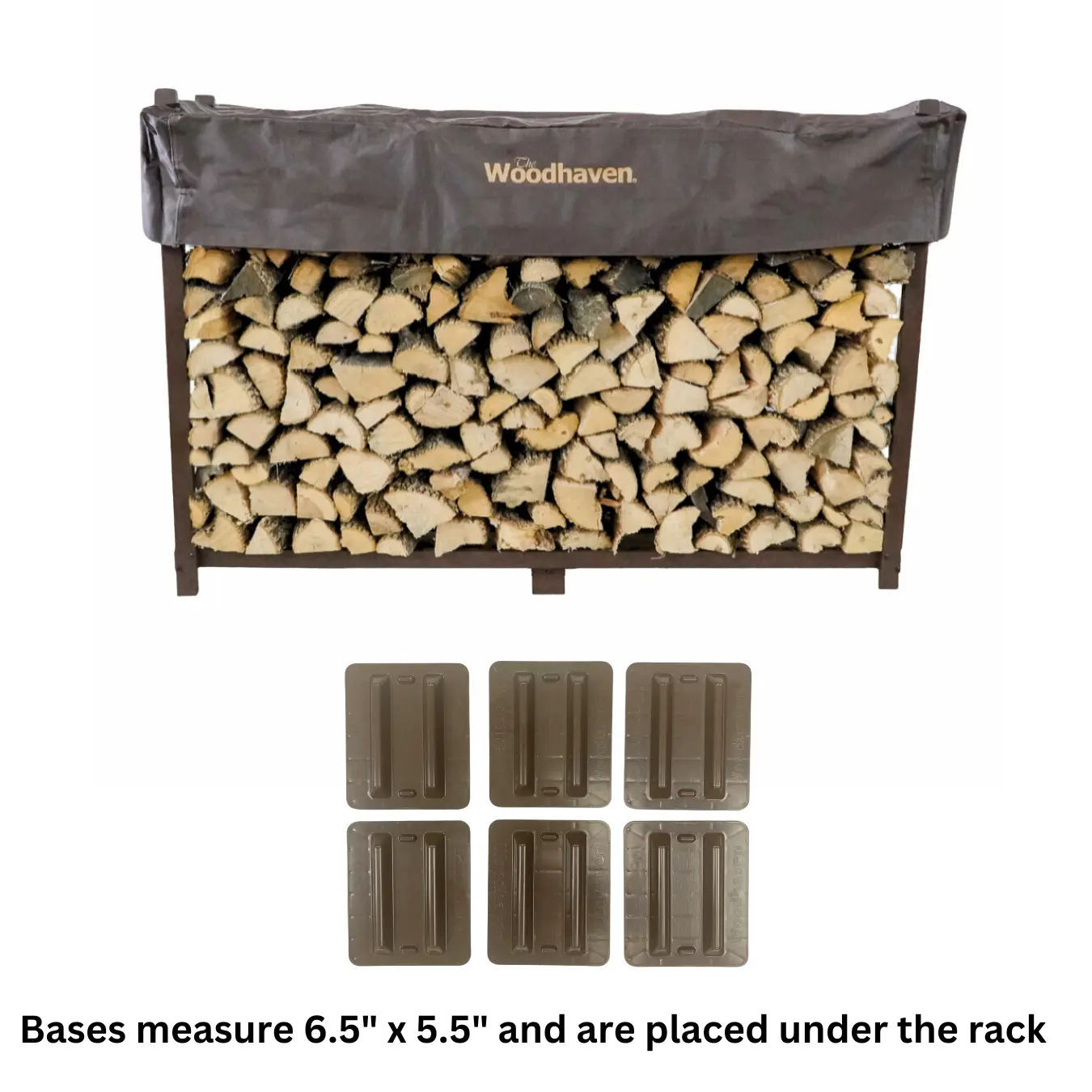
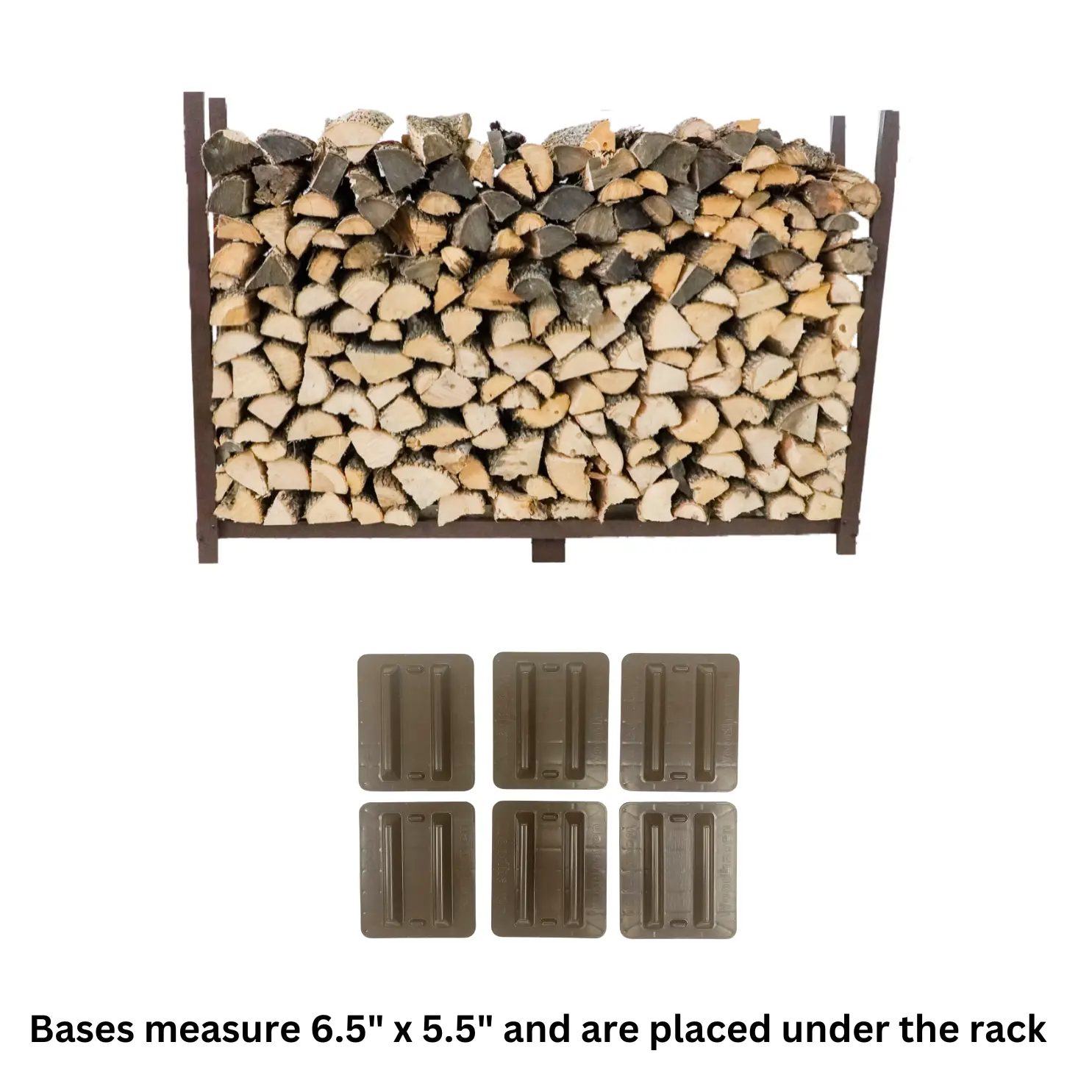
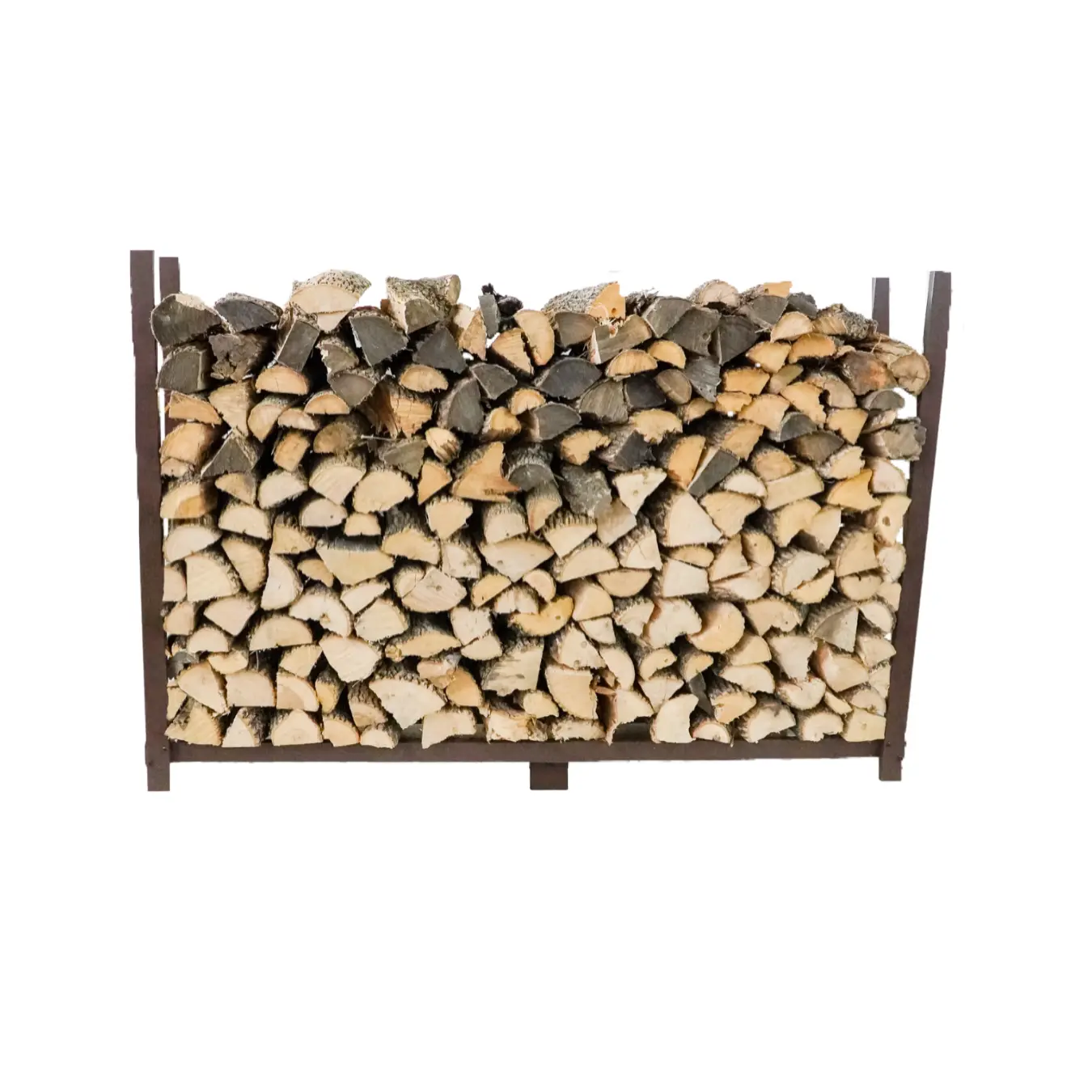
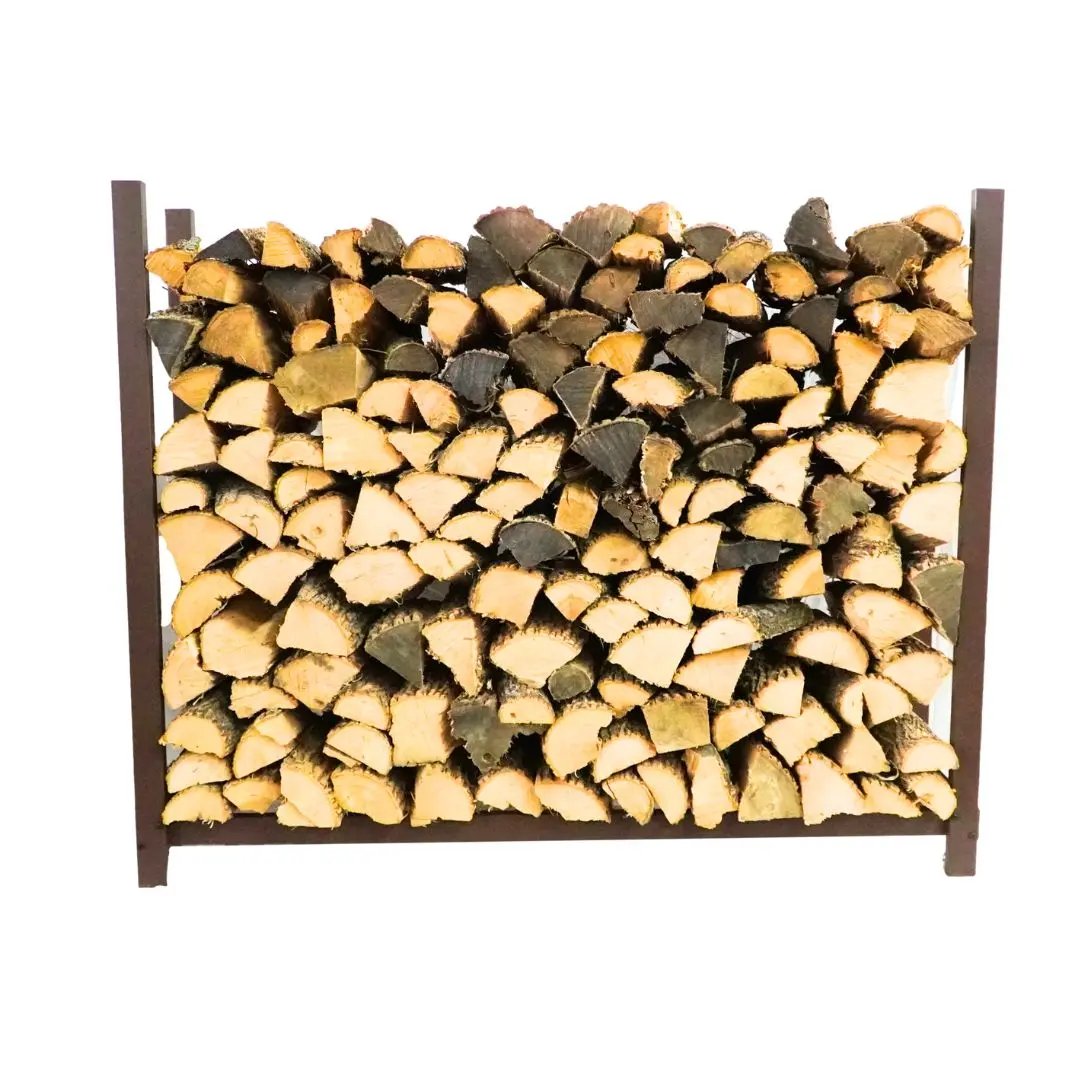
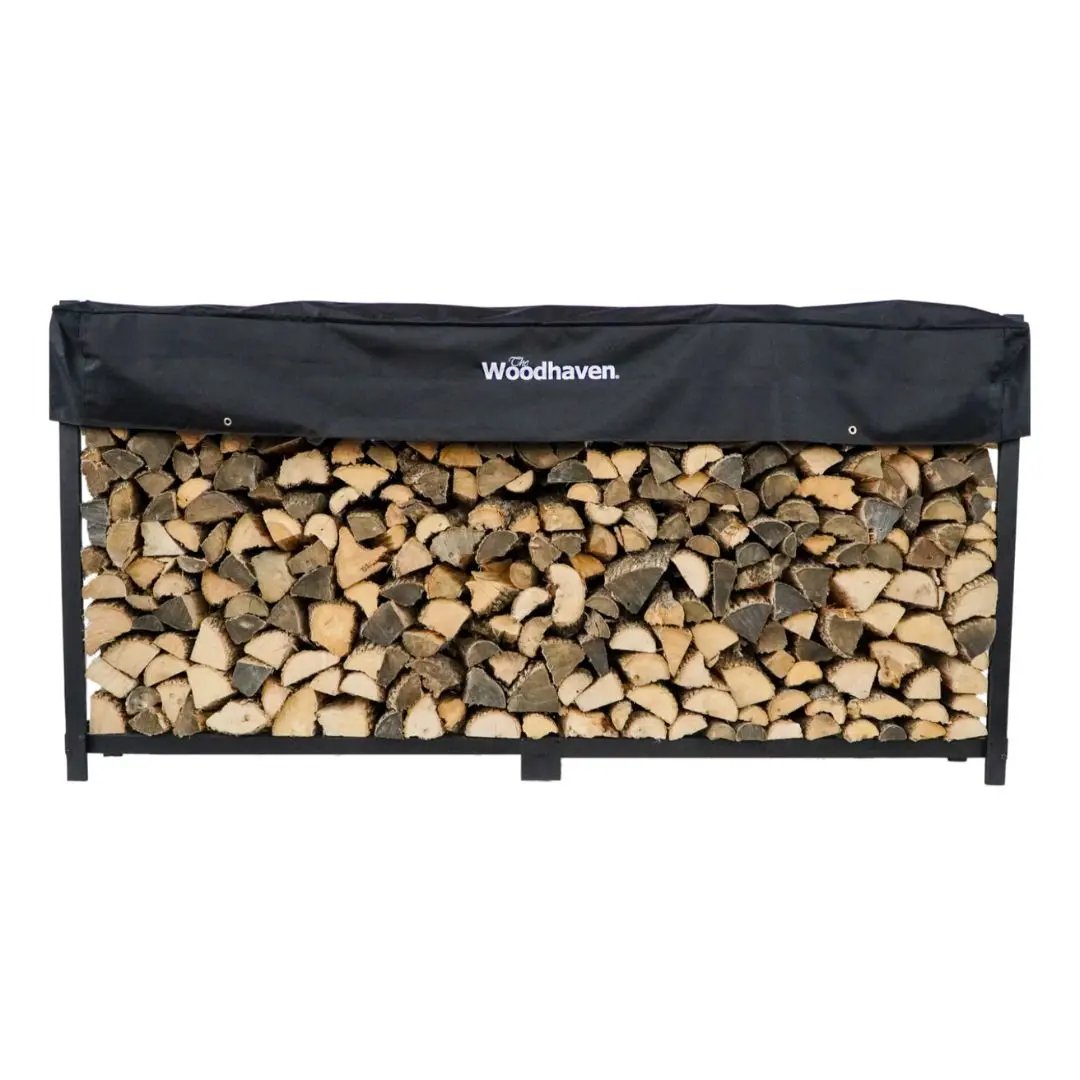
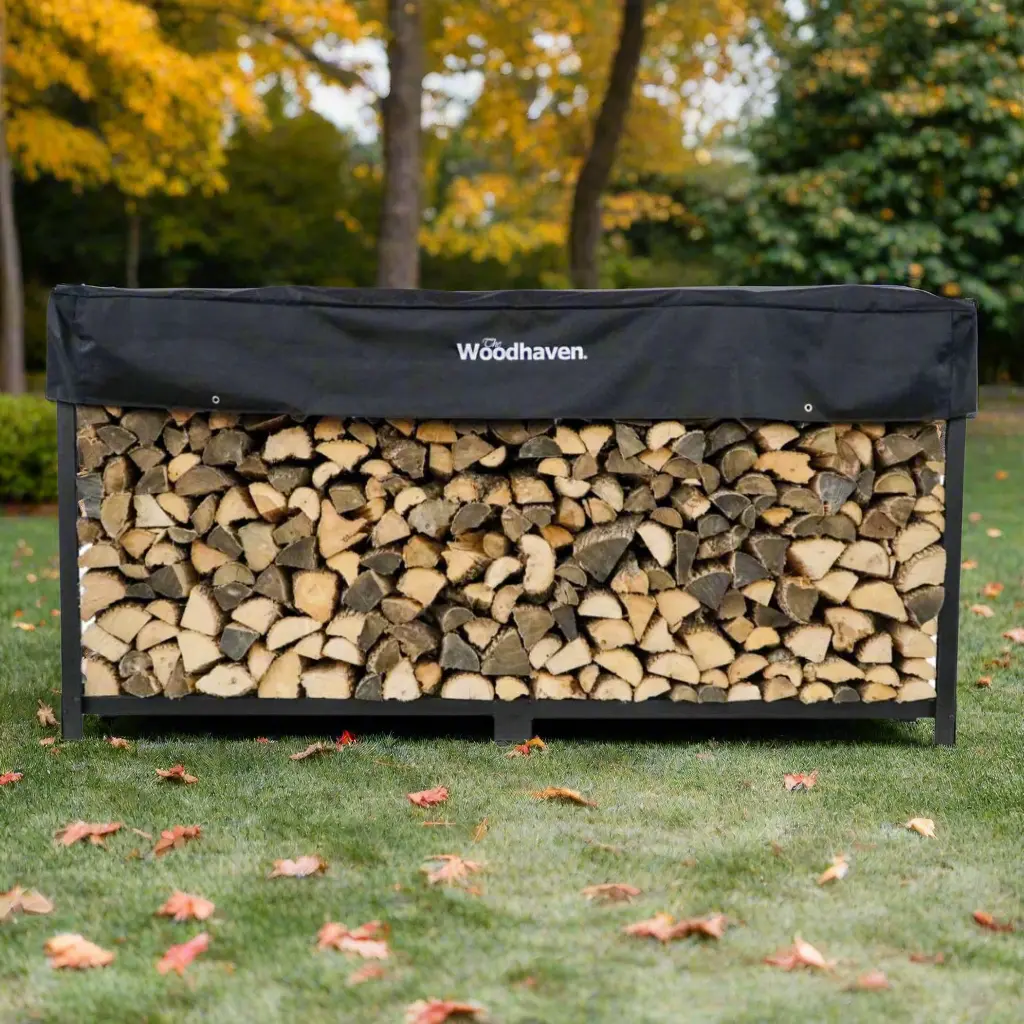
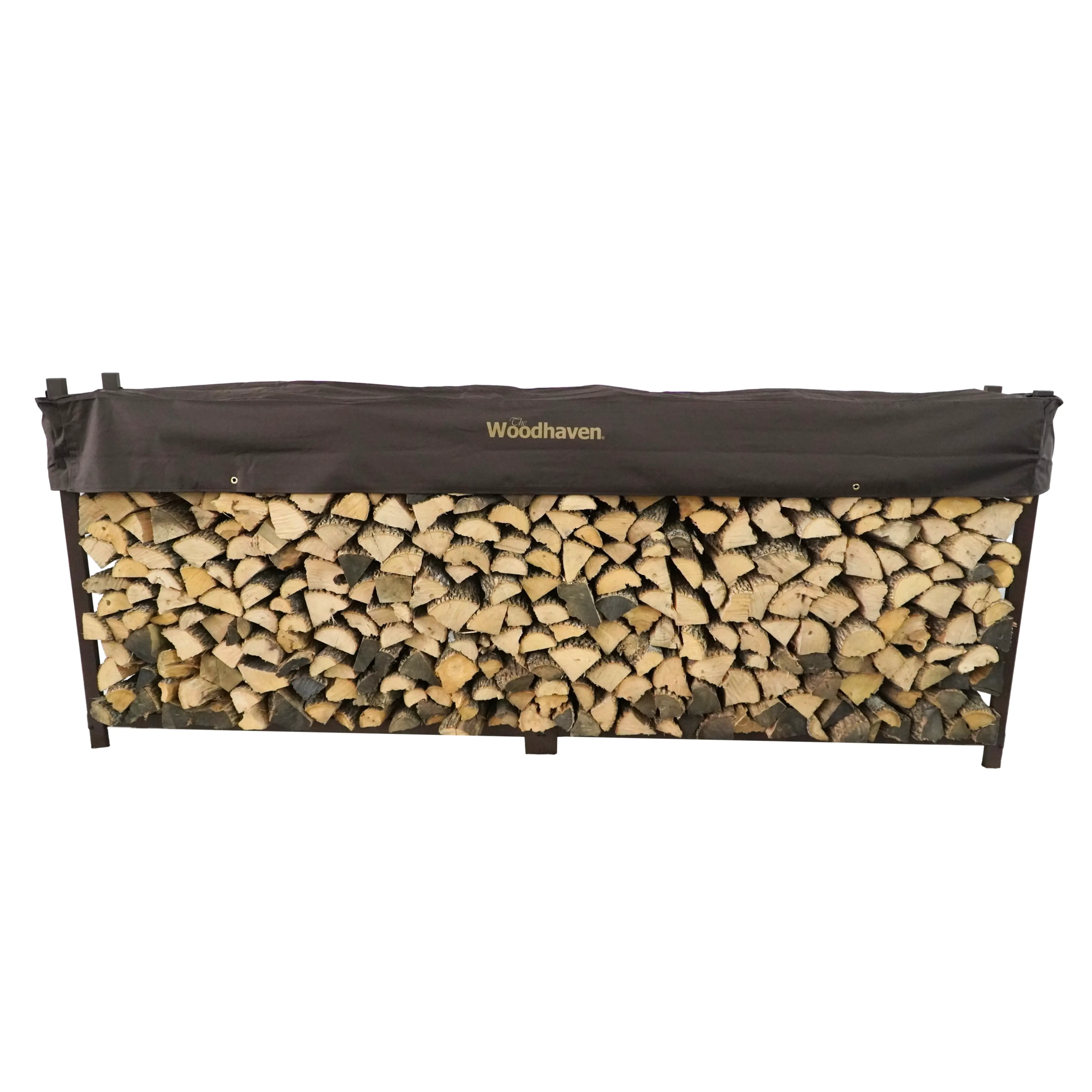
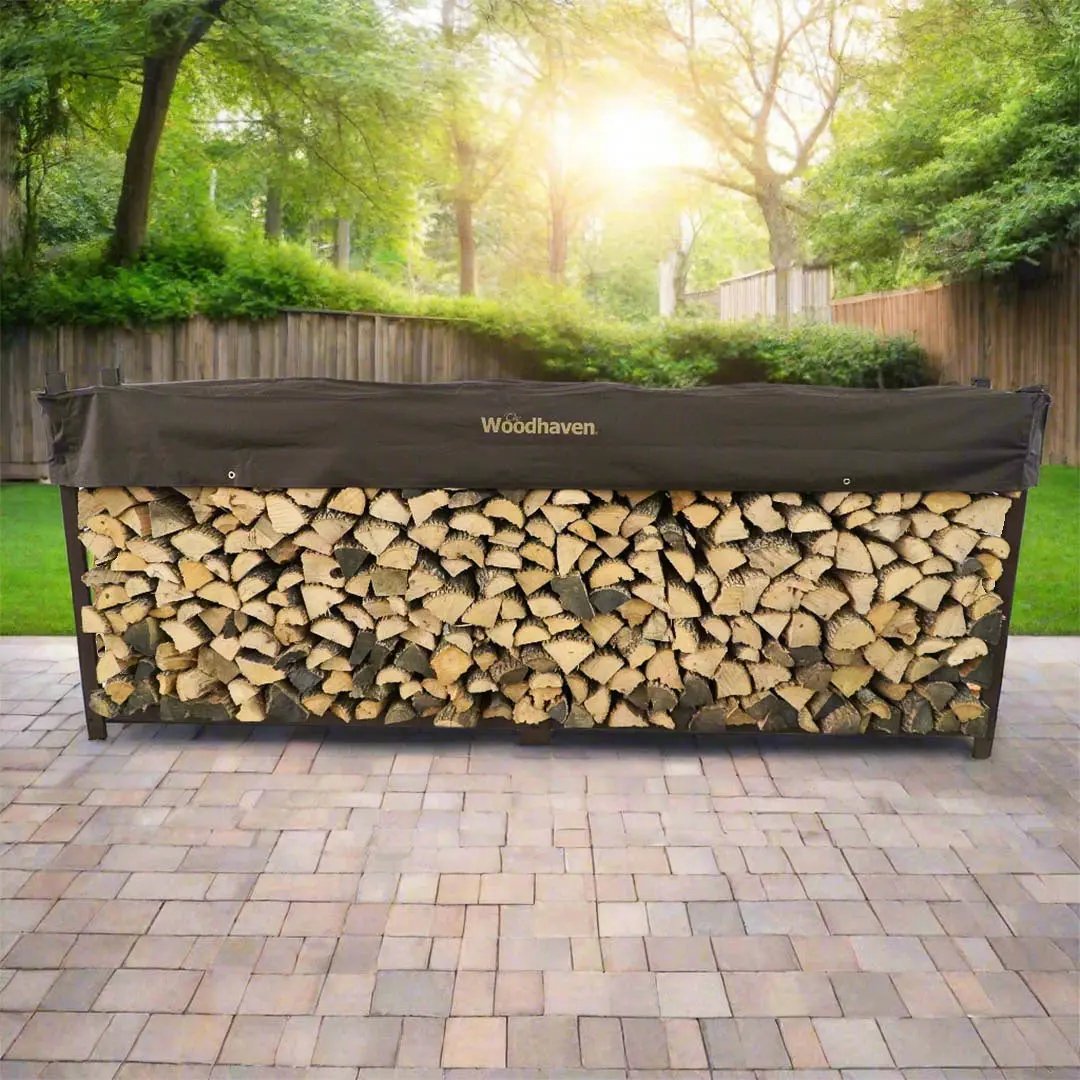
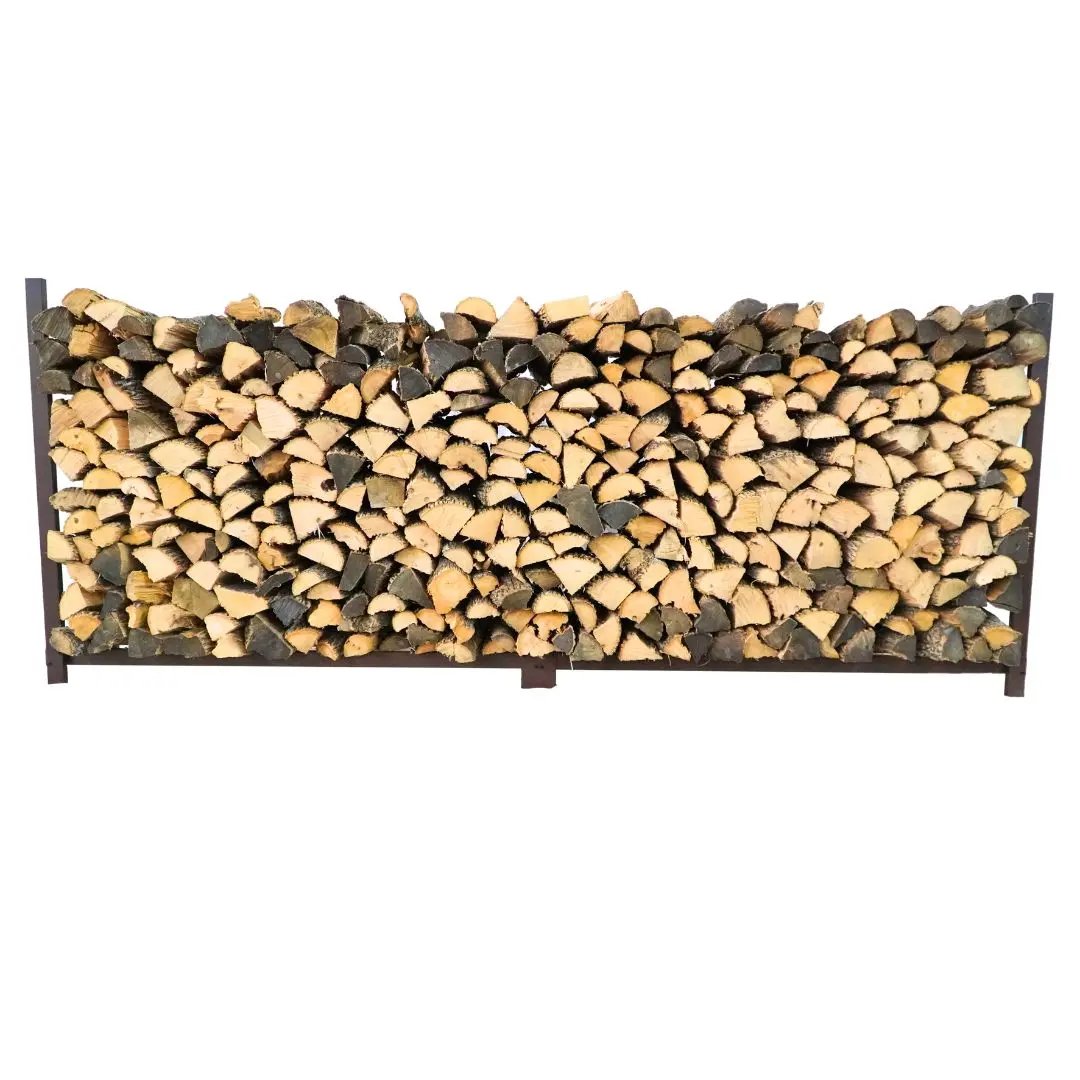
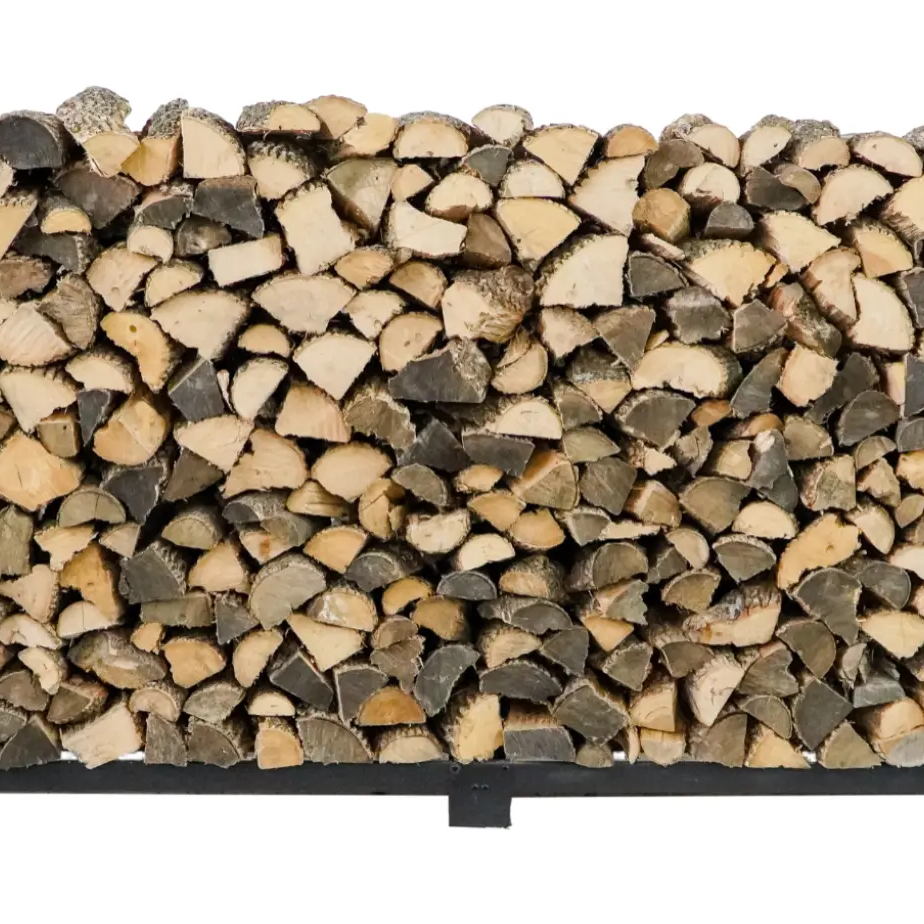
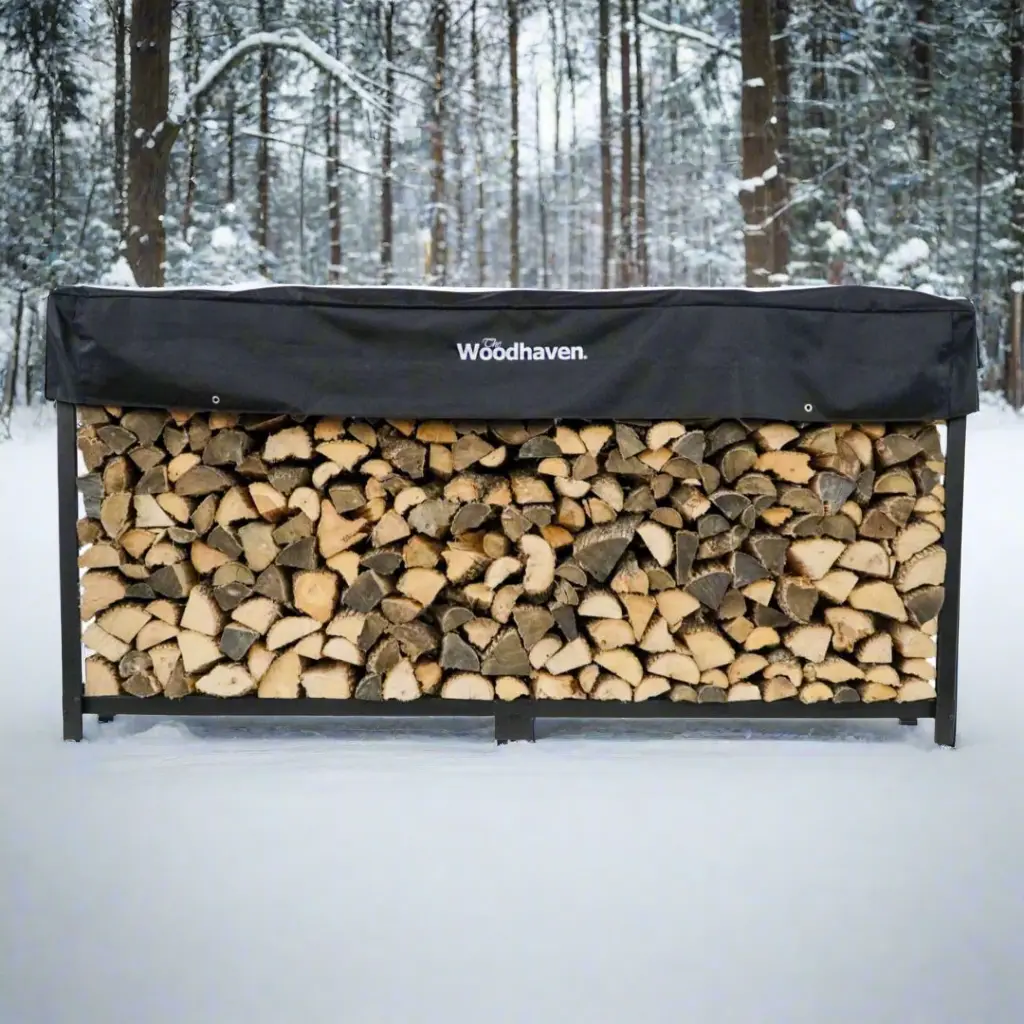
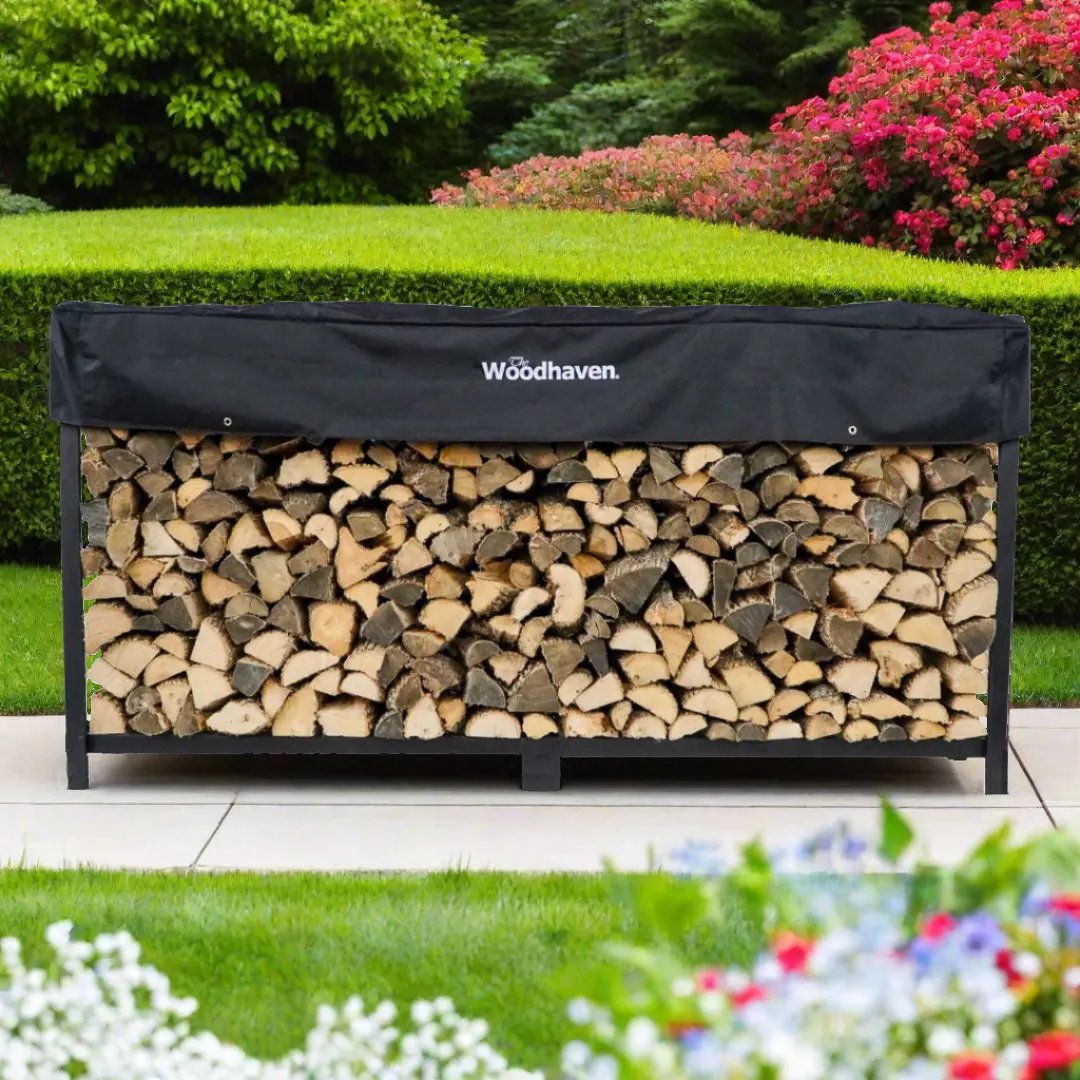
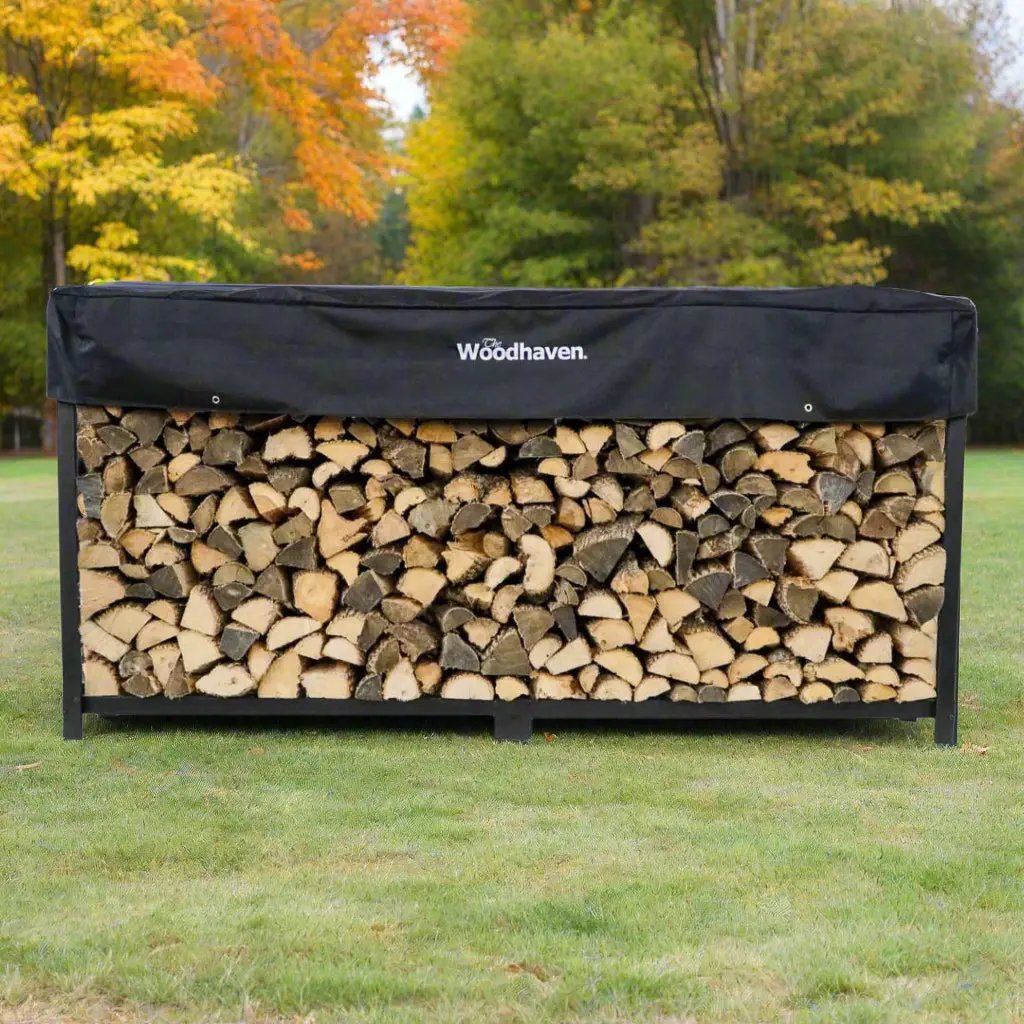
A traditional woodpile that stores one cord of wood measures 4 feet deep by 8 feet long and 4 feet high. To store two cords, the woodpile would need to be twice as long—4 feet by 16 feet by 4 feet high. With a 4-foot-wide pile, you're looking at three rows of 16-inch-long logs stacked throughout.
Since every piece of wood goes into the traditional woodpile individually, all 256 cubic feet of wood requires hands-on stacking. This method demands consistent placement and careful arrangement to ensure stability and proper air circulation.
Holz Hausen Design and Efficiency
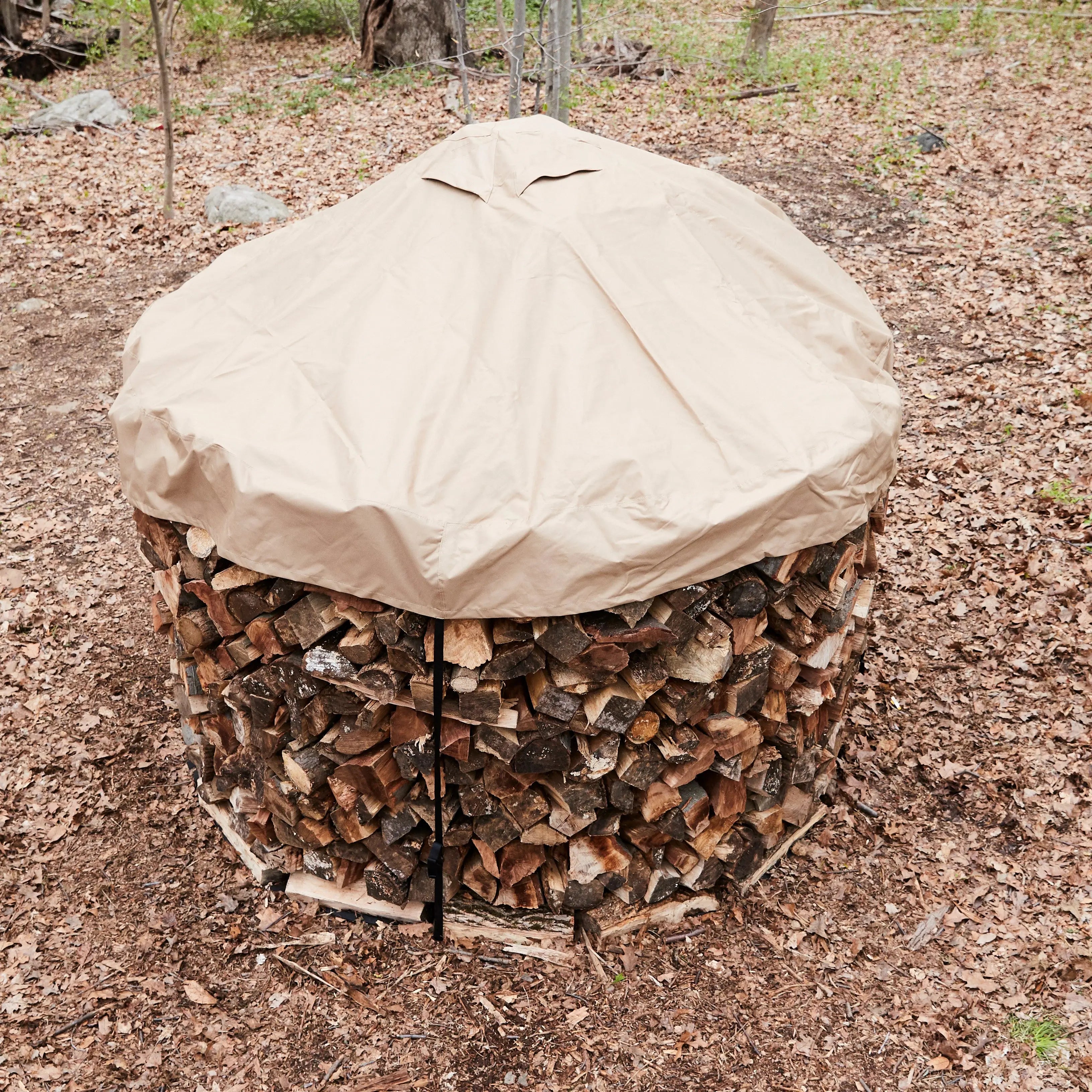
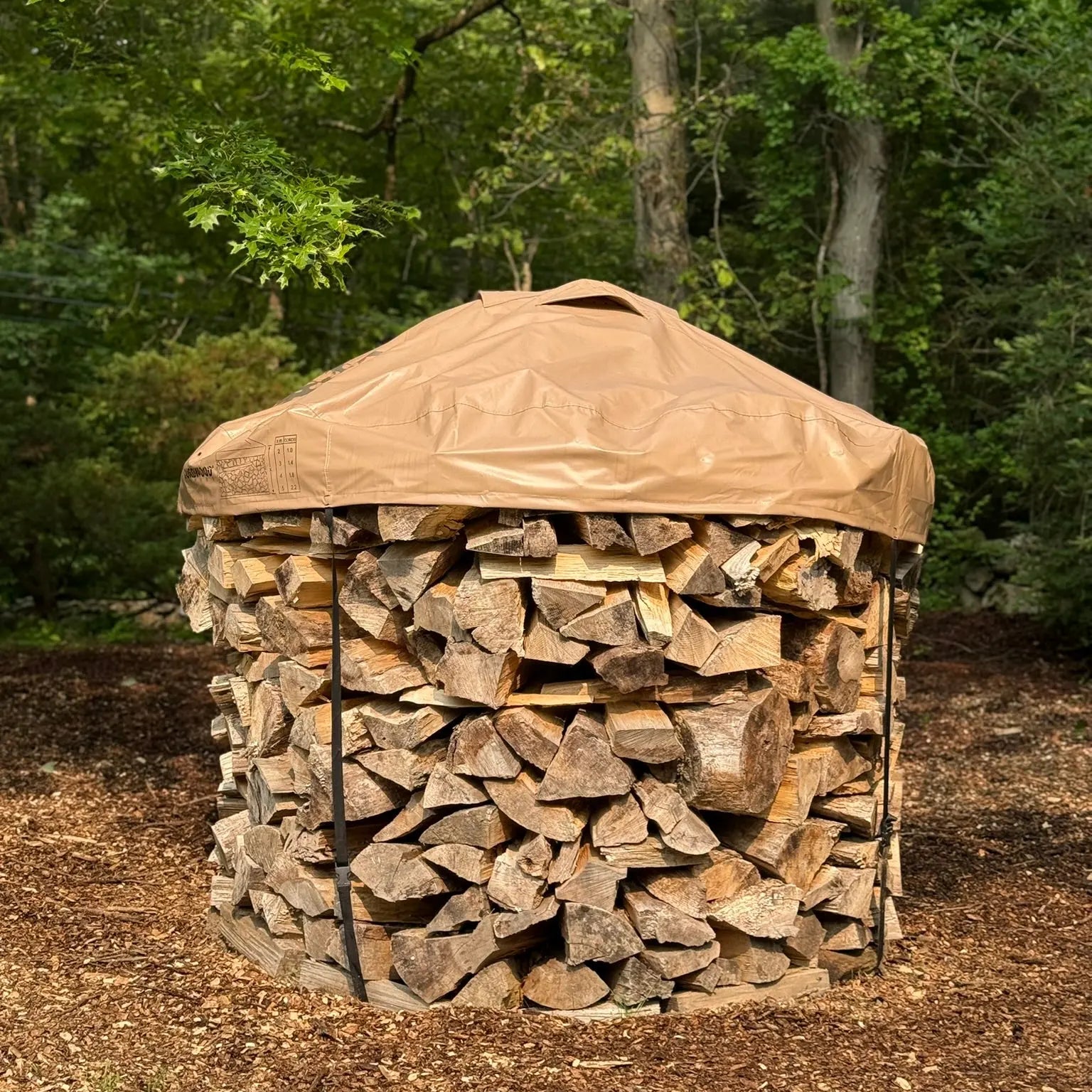
A holz hausen built at 8 feet in diameter, standing 4.5 feet high with a 25-degree roof pitch, can also contain two cords of wood. However, the stacking approach differs significantly.
With a holz hausen, you only need to stack the outer perimeter of the woodpile. Since the holz hausen is 8 feet wide, the inner diameter of the pile that remains unstacked is 5 feet in diameter (8 feet minus 2 times 1.5 feet). A 5-foot-diameter cylinder that is 4.5 feet high equals 88 cubic feet.
This means that of your 256 cubic feet of wood, only 168 cubic feet are actually stacked. The remaining 88 cubic feet can be thrown inside the stack without individual placement. This is where the holz hausen truly shines in terms of efficiency.
Side-by-Side Comparison
Traditional Woodpile: 4 feet deep × 16 feet long × 4 feet high = 256 cubic feet of stacked wood
Holz Hausen: 8 feet diameter × 4.5 feet high with 25-degree roof = 168 cubic feet of stacked wood
The Efficiency Advantage
Holz hausen woodpiles are easier and quicker to build because there is 34% less stacked wood compared to a traditional woodpile. Although you still need to handle the 88 cubic feet of interior wood, the advantage lies in how you place it.
Instead of walking over to carefully position each piece on the stack, you can stand in your truck and throw wood directly inside, dump it using your tractor, or toss it from your wheelbarrow. This approach saves considerable time and reduces physical strain.
The holz hausen design also provides a practical benefit for kindling management. Kindling scraps from splitting can be tossed inside the pile during construction. When winter arrives and you're gathering firewood to bring indoors, you can grab a few pieces of kindling that you stored inside along with your regular firewood.
Frequently Asked Questions
How much wood can a holz hausen hold?
An 8-foot-diameter holz hausen standing 4.5 feet high with a 25-degree roof pitch can hold approximately two cords of split firewood (256 cubic feet total).
Why do you only stack the perimeter of a holz hausen?
The circular design of a holz hausen allows the outer perimeter to support the structure while the interior space can be filled with loosely placed wood. This reduces the amount of individual stacking required while still holding the same volume of wood.
Is a holz hausen faster to build than a traditional woodpile?
Yes. Because a holz hausen requires 34% less stacked wood, you can build it more quickly. You can throw or dump wood into the interior rather than carefully placing each piece, which significantly reduces construction time.
Can I store kindling inside a holz hausen?
Absolutely. One of the advantages of a holz hausen is that you can toss kindling scraps and smaller pieces inside during construction. This keeps them organized and easily accessible when you need them during the winter months.
What are the space requirements for each stacking method?
A traditional woodpile for two cords requires 4 feet of depth and 16 feet of length (64 square feet of ground space). A holz hausen with an 8-foot diameter requires approximately 50 square feet of ground space, making it more compact.
Which method is better for my situation?
Choose a traditional woodpile if you have limited interior space or prefer a linear design. Choose a holz hausen if you want faster construction, easier wood placement, and a more compact footprint that maximizes your available space.