

Every fall I hear the same story. Somebody bought a cord in April, stacked it against the garage, threw a tarp over the whole thing, and now it's October and the wood hisses in the stove. The wood wasn't bad. The storage was.
Firewood stored outside needs two things: air has to move through the stack, and rain has to stay off the top. Miss either one and you're burning wet wood. Here's how to get both, whether you're storing two weeks of wood by the back door or three cords for the season.
Let the sides breathe
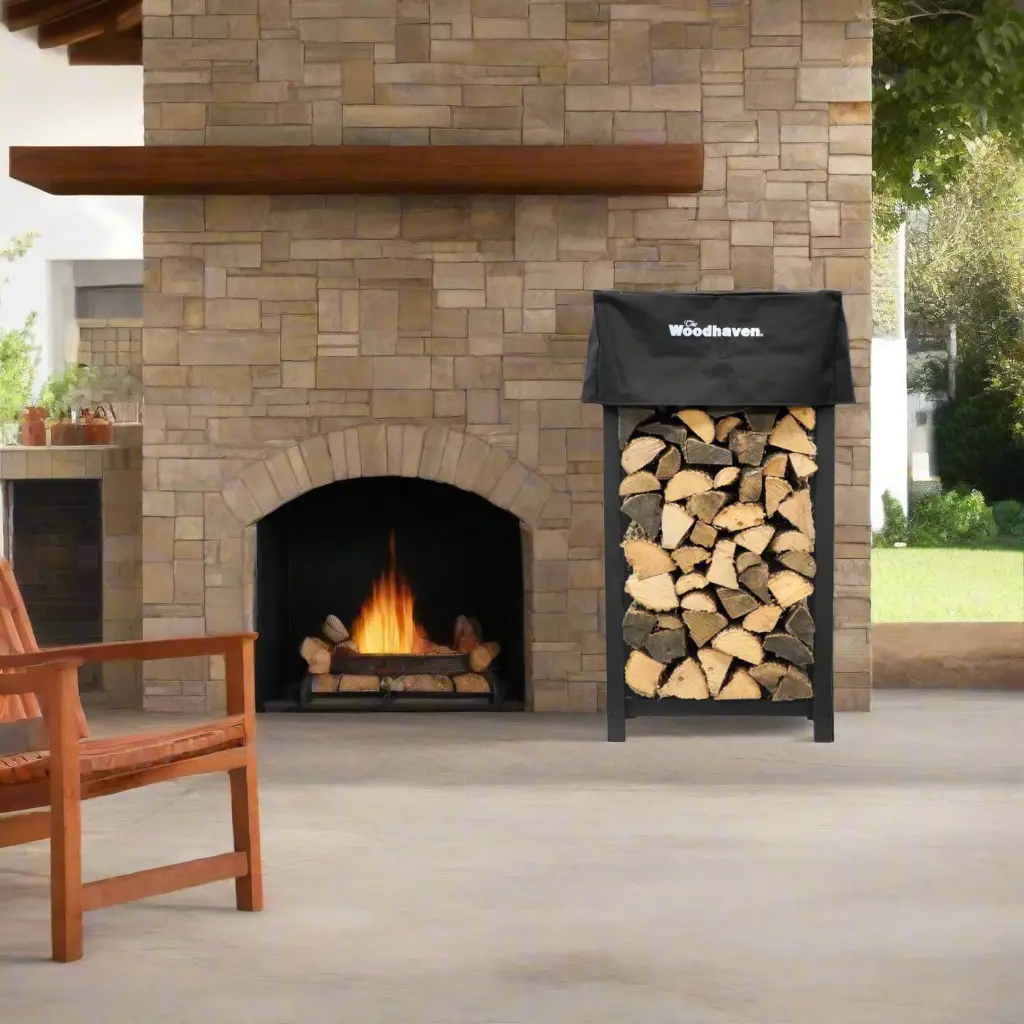
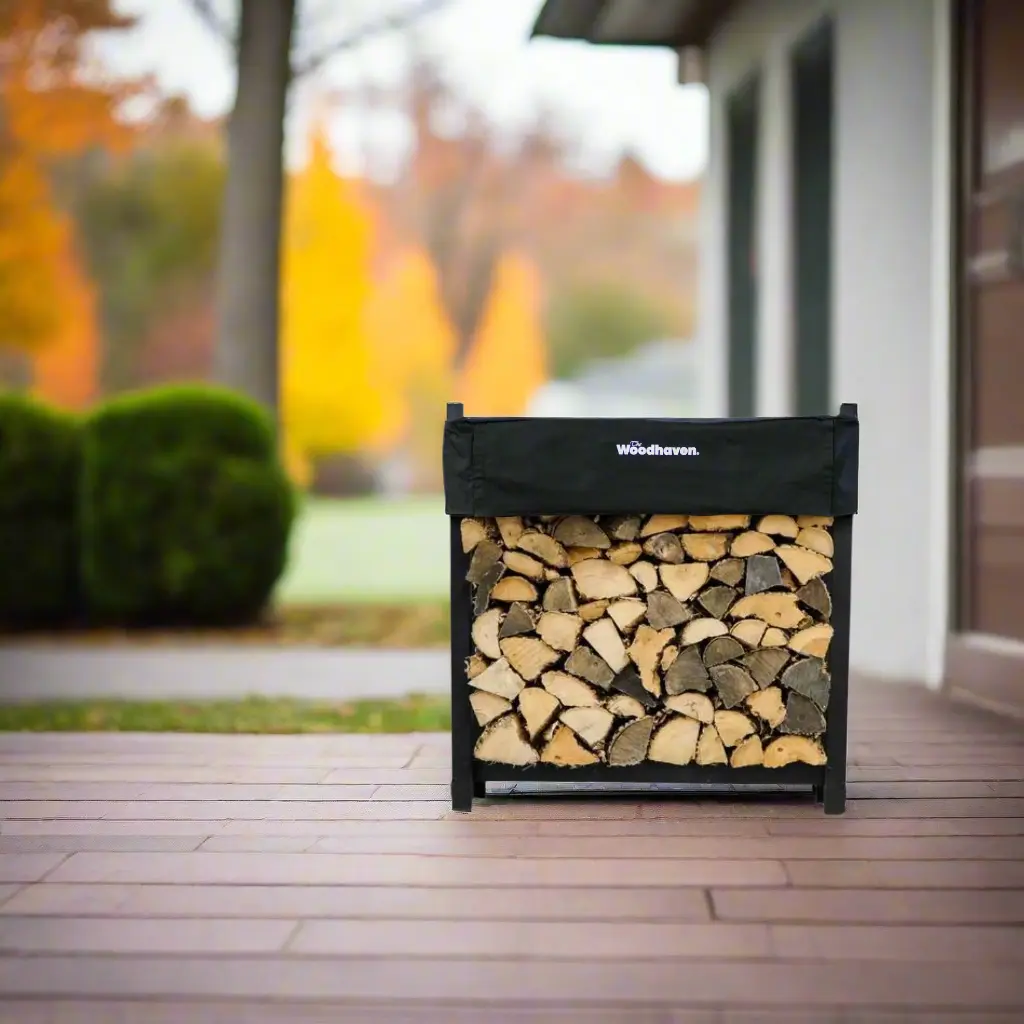
Wood dries through airflow, mostly out the cut ends. So the stack wants sun if you can give it sun, and wind more than sun if you have to choose. A single row facing the prevailing wind dries fastest. Leave a hand's width between rows if you stack more than one, and keep the whole pile at least a few inches from any wall. Wood stacked tight against the house stays wet on the house side and invites pests to move indoors, which is why the old advice says 20 feet from the foundation. I small rack on the porch is ok if you make sure the wood if not touching the siding.
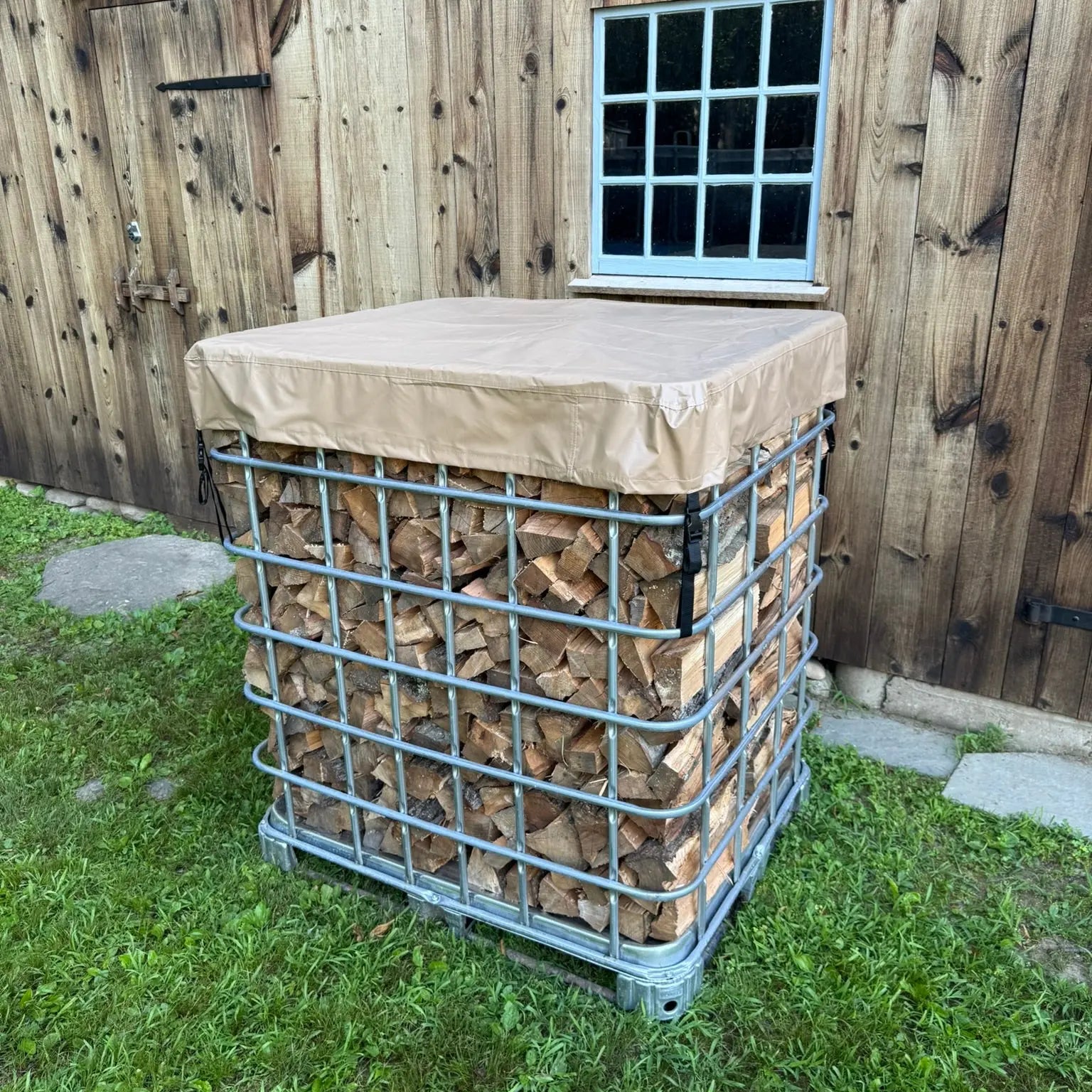
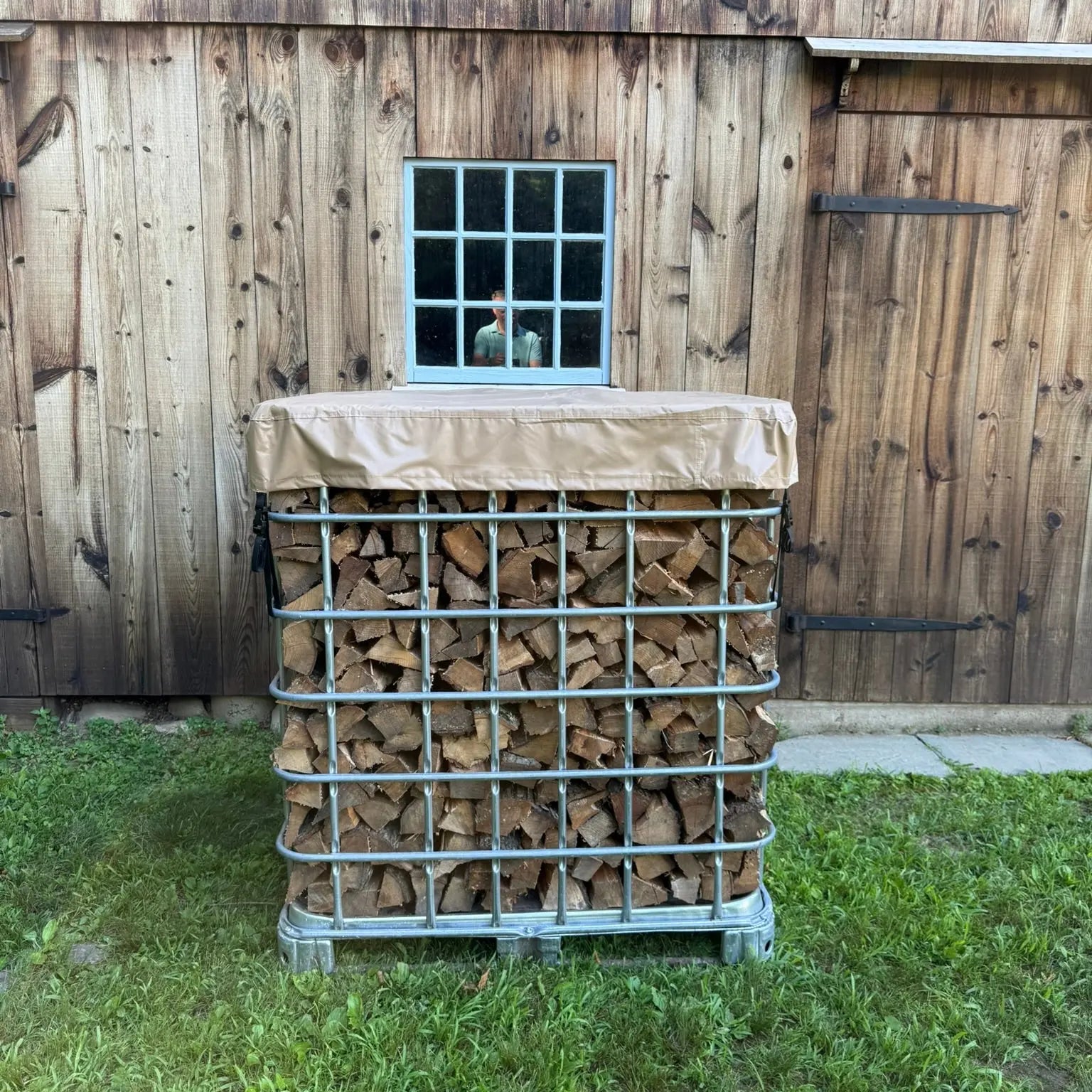
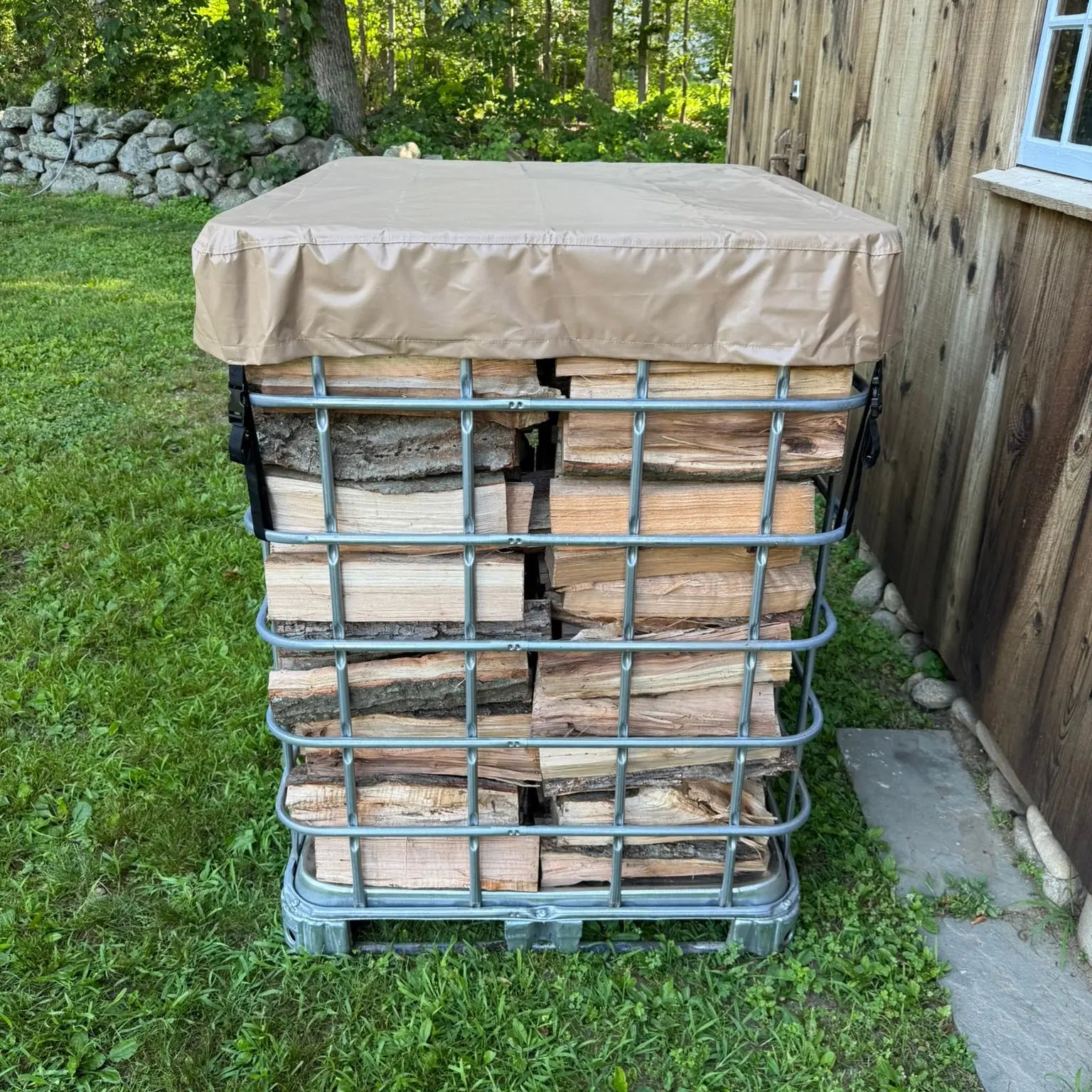
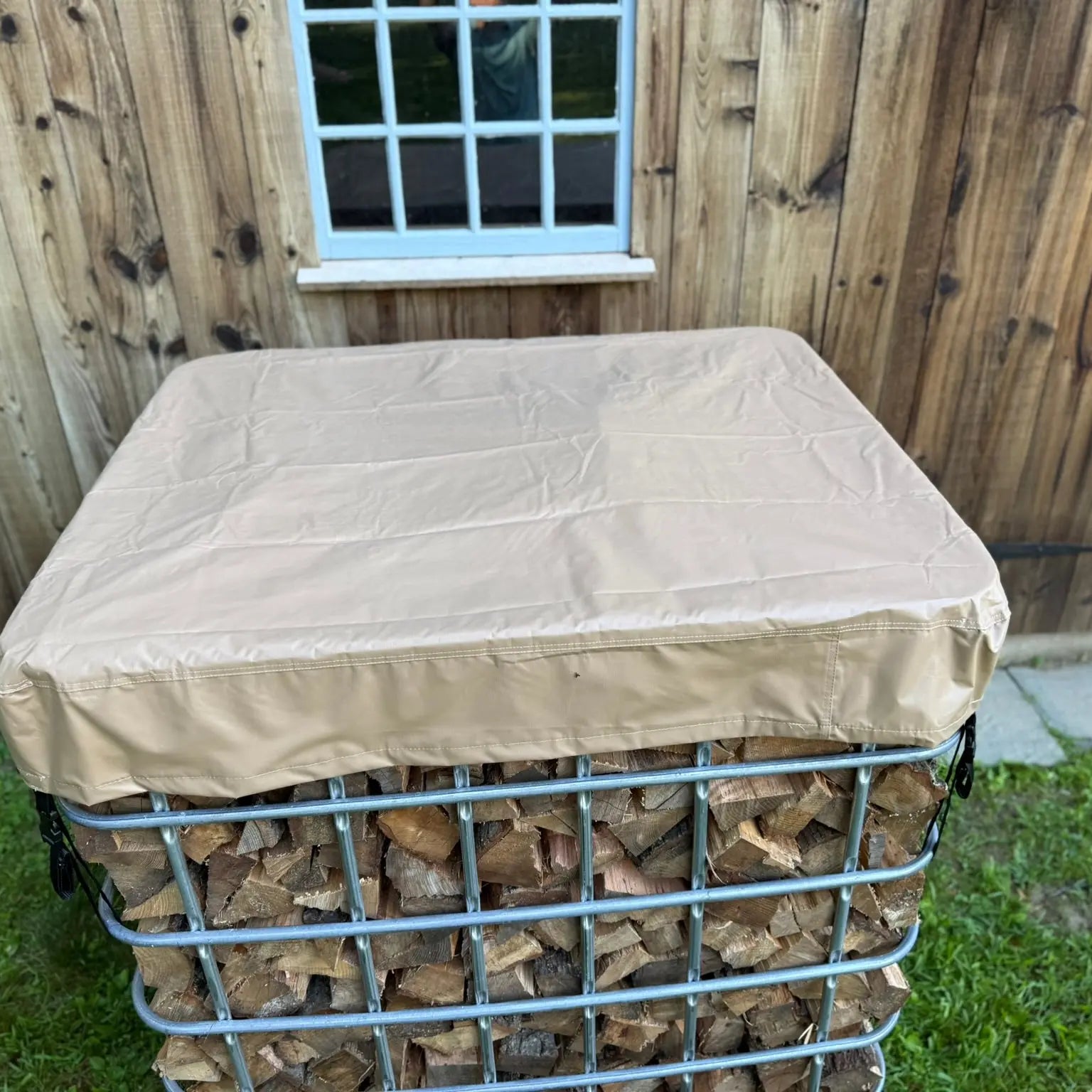
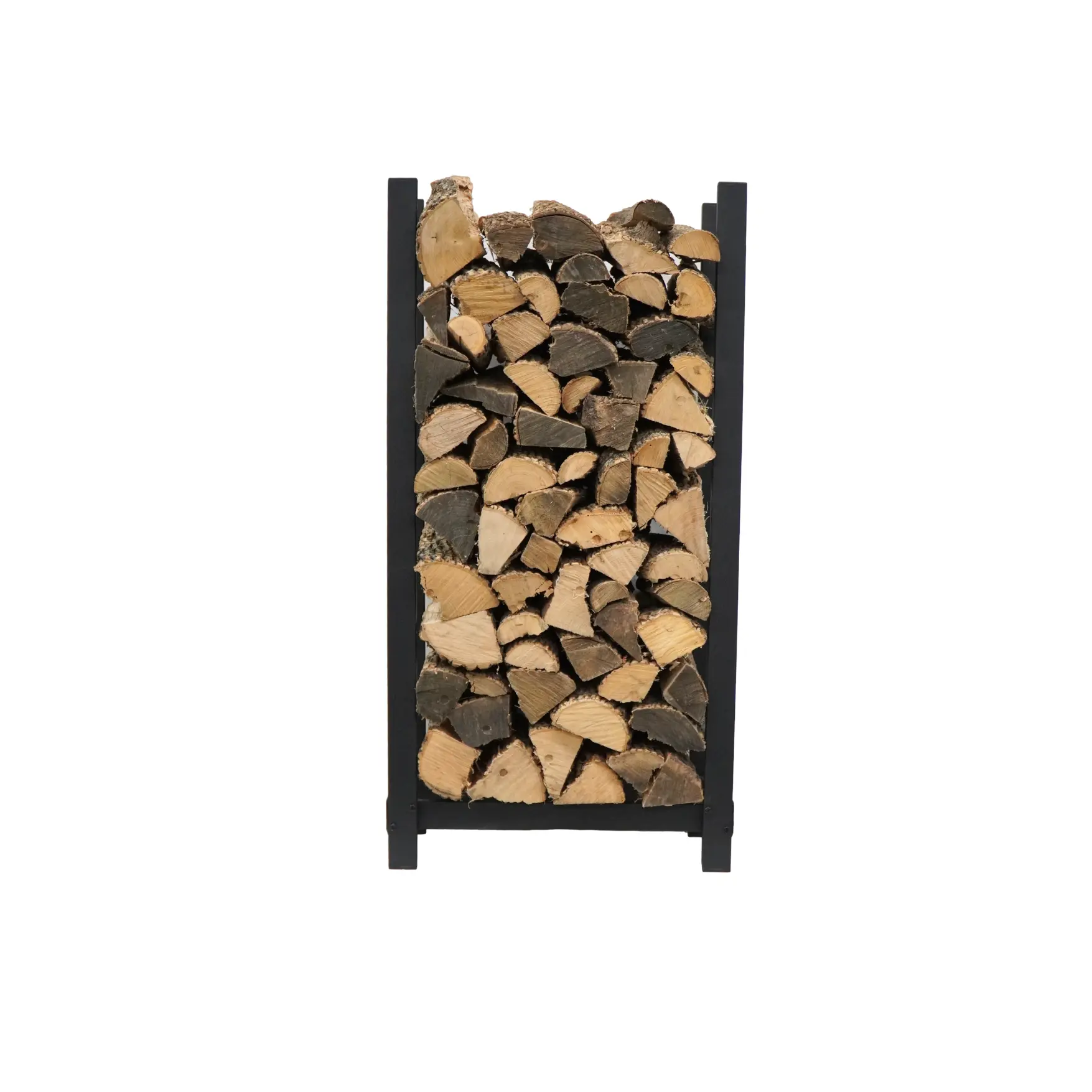
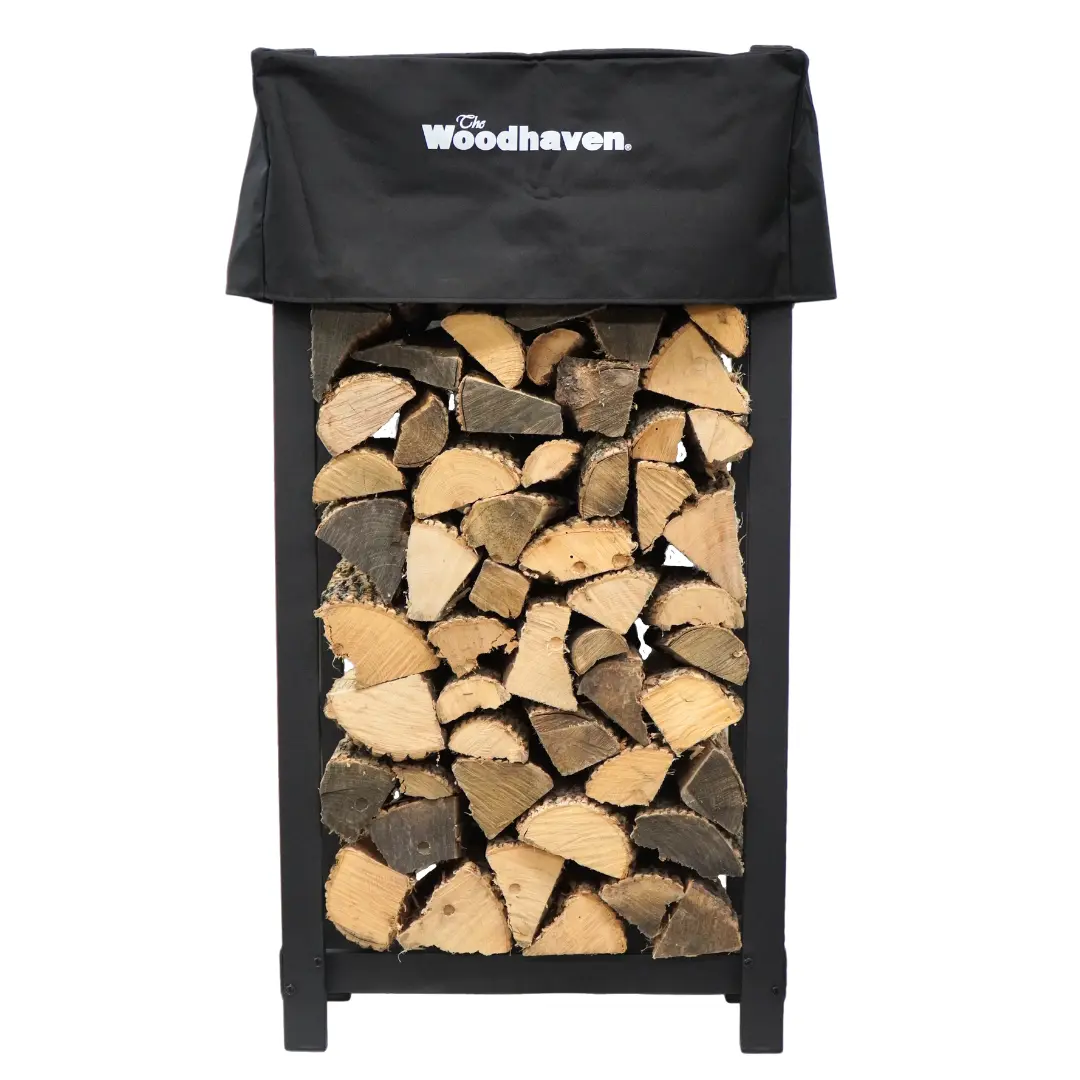
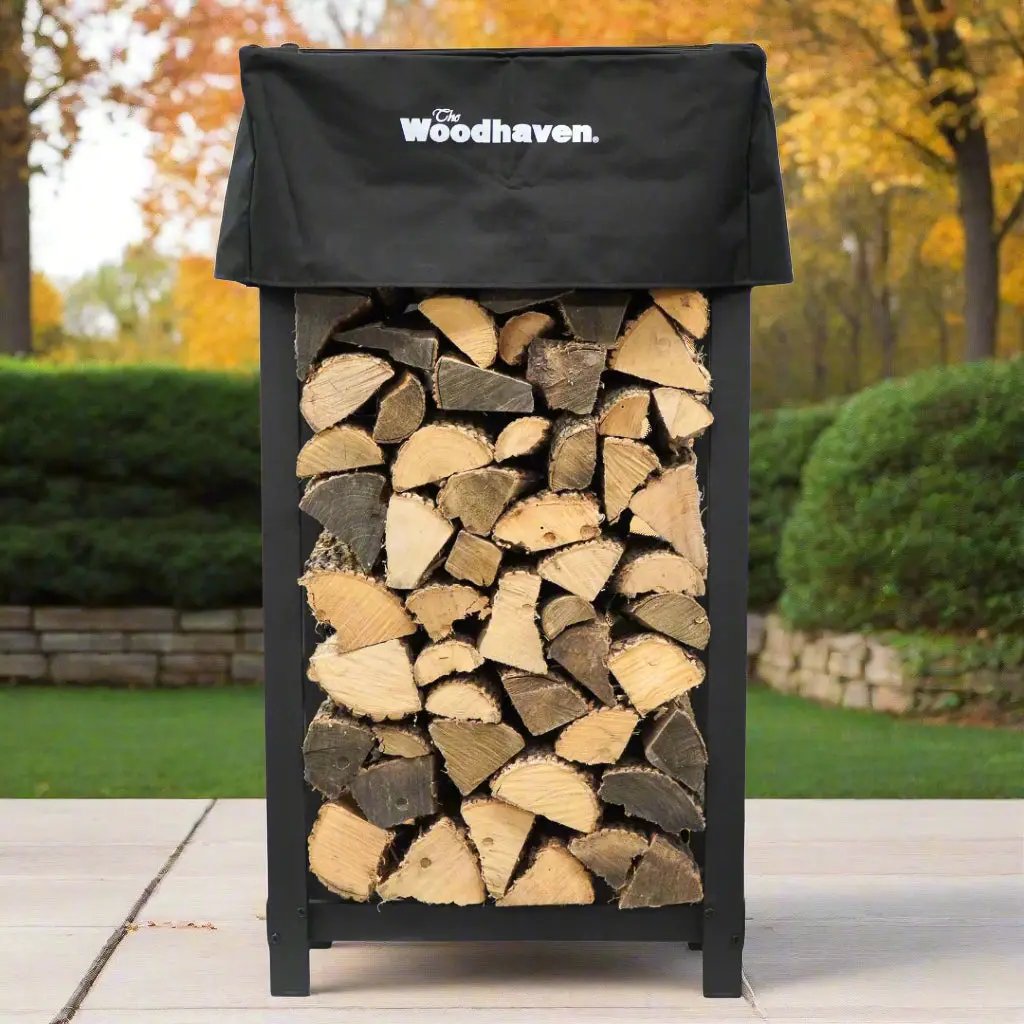
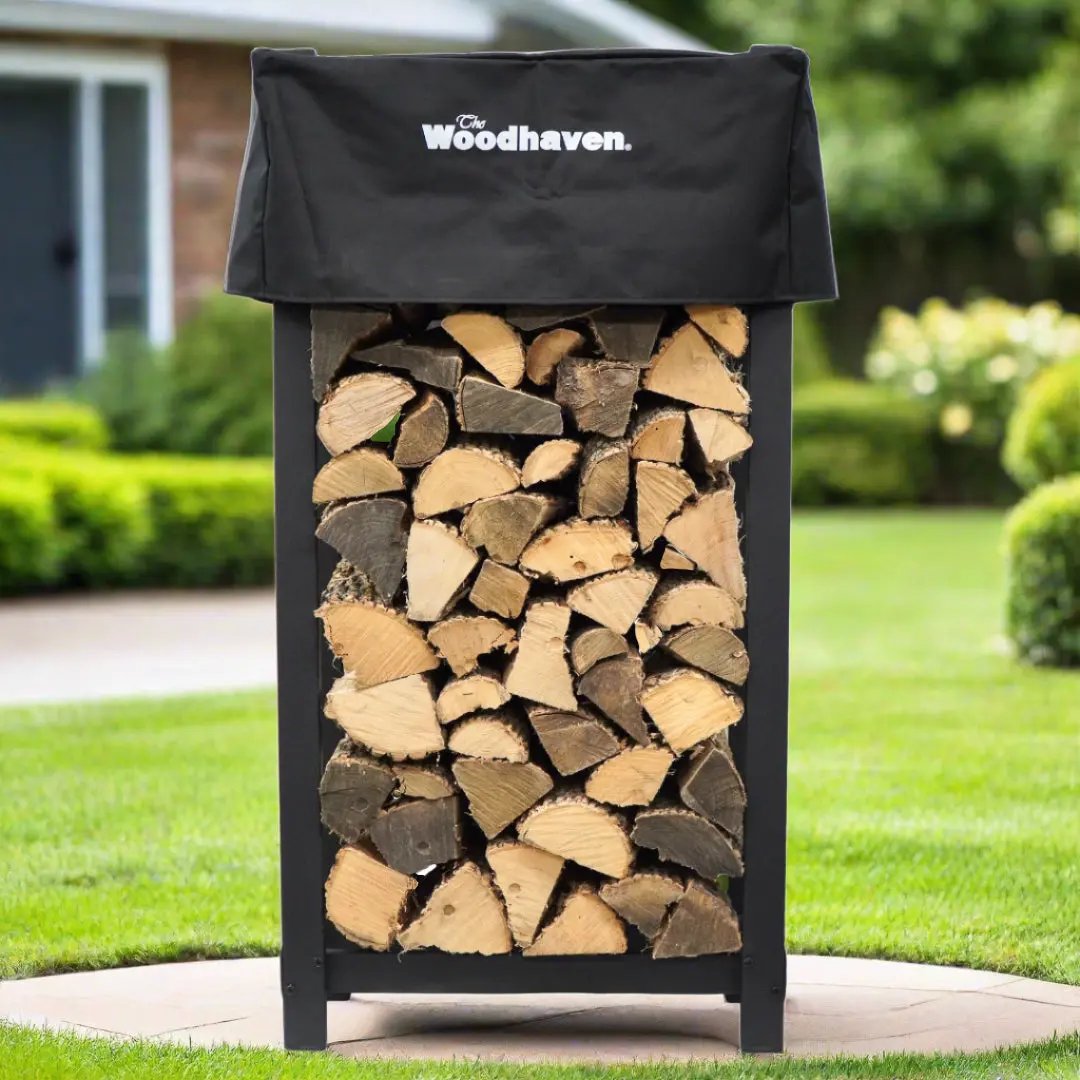
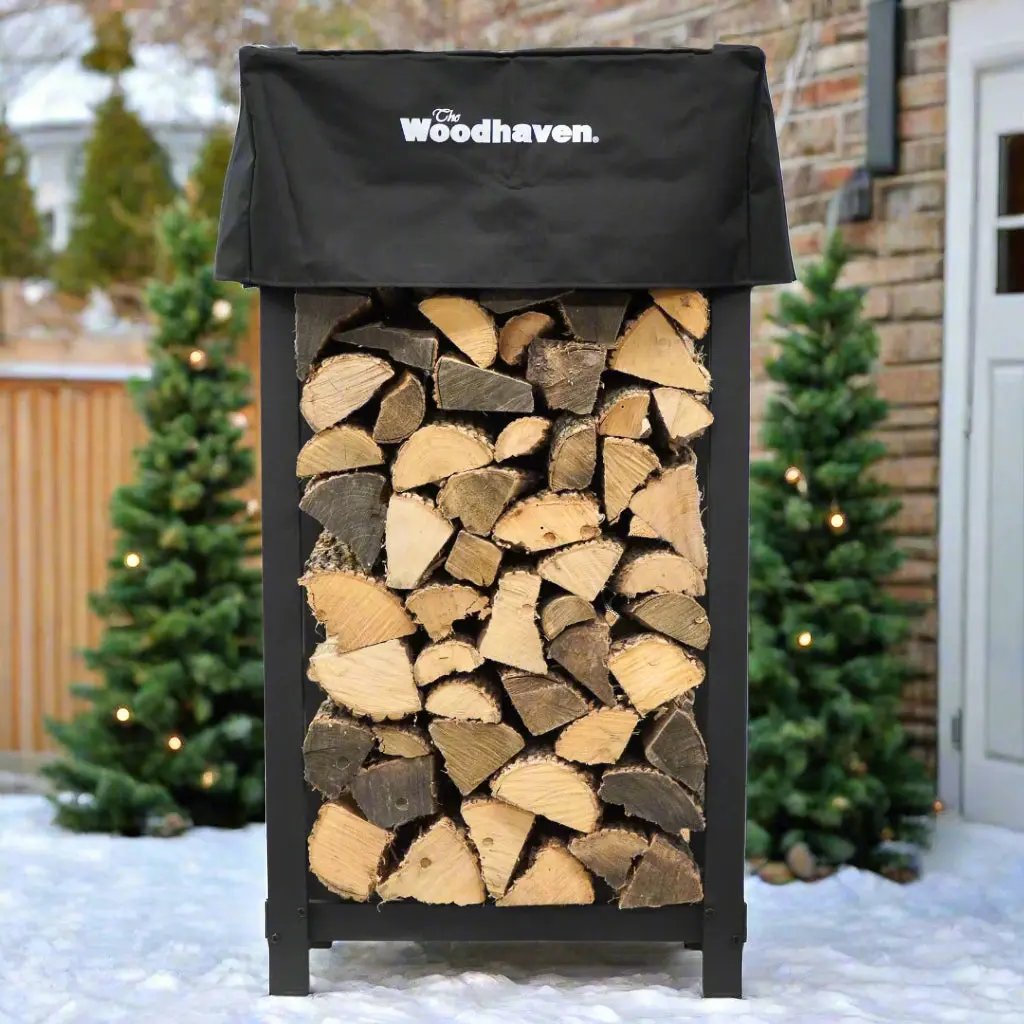
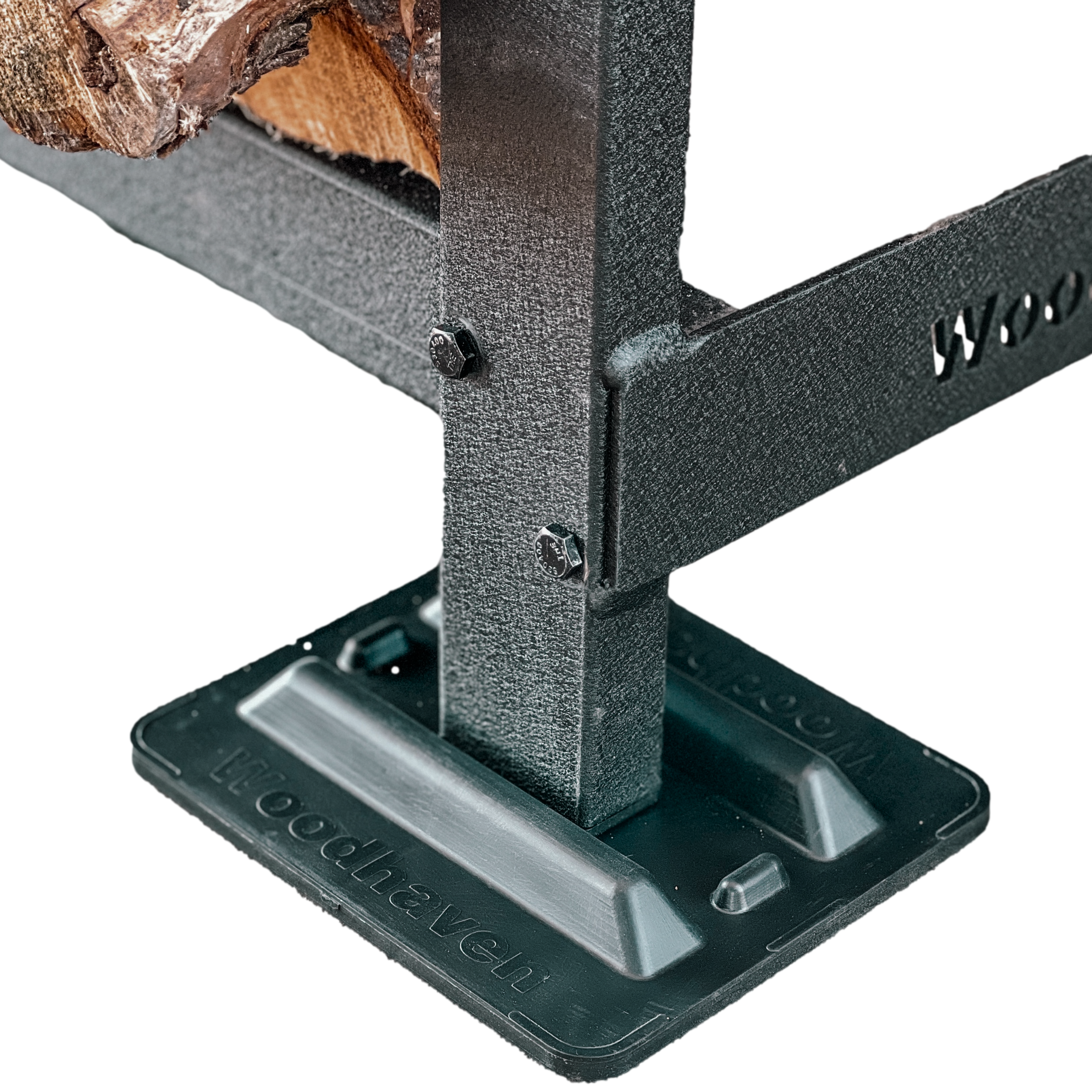
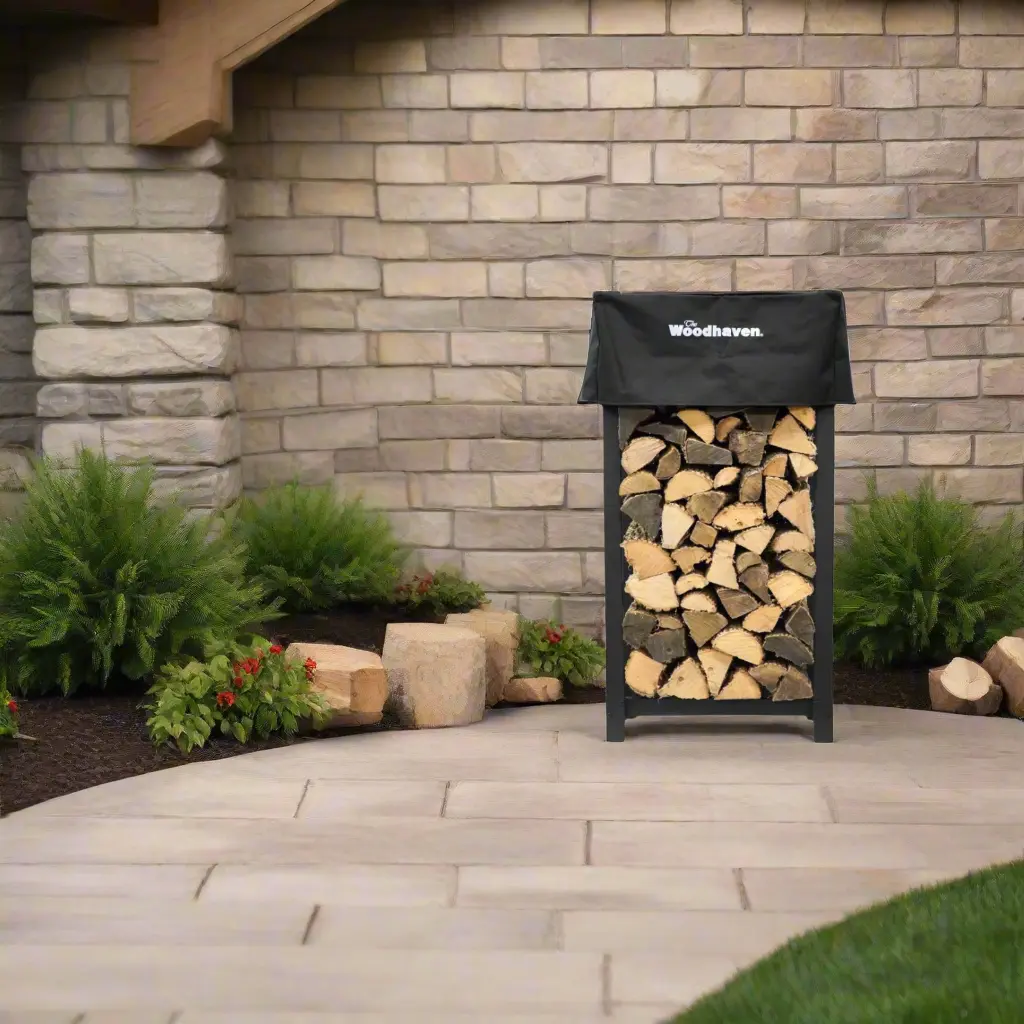
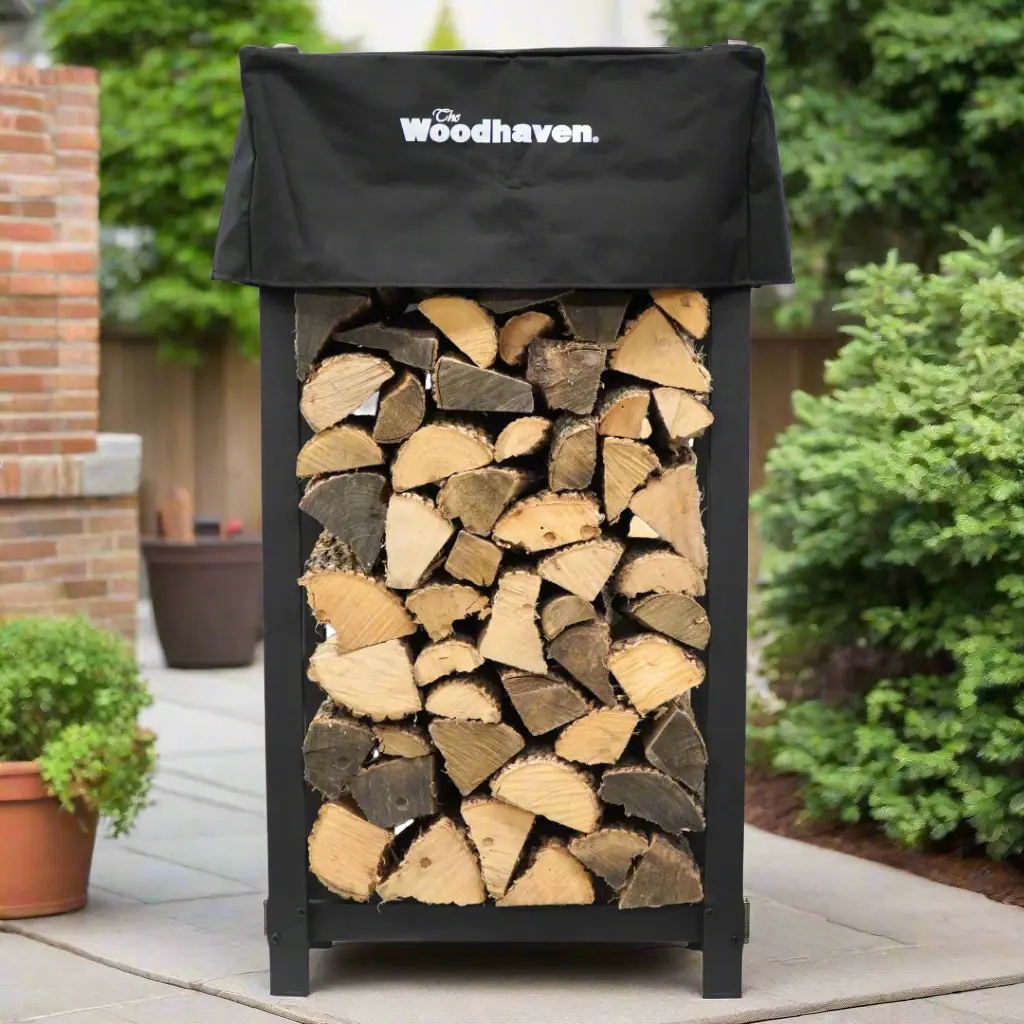
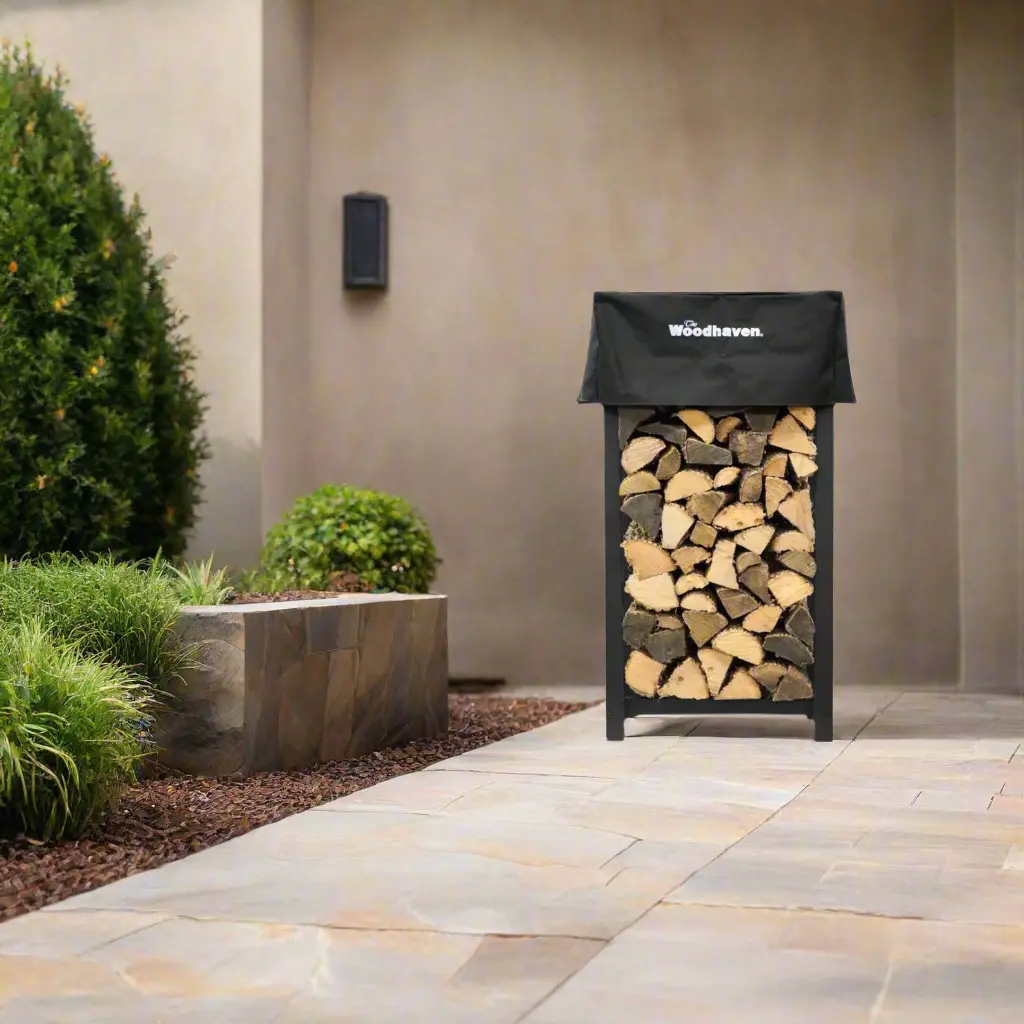
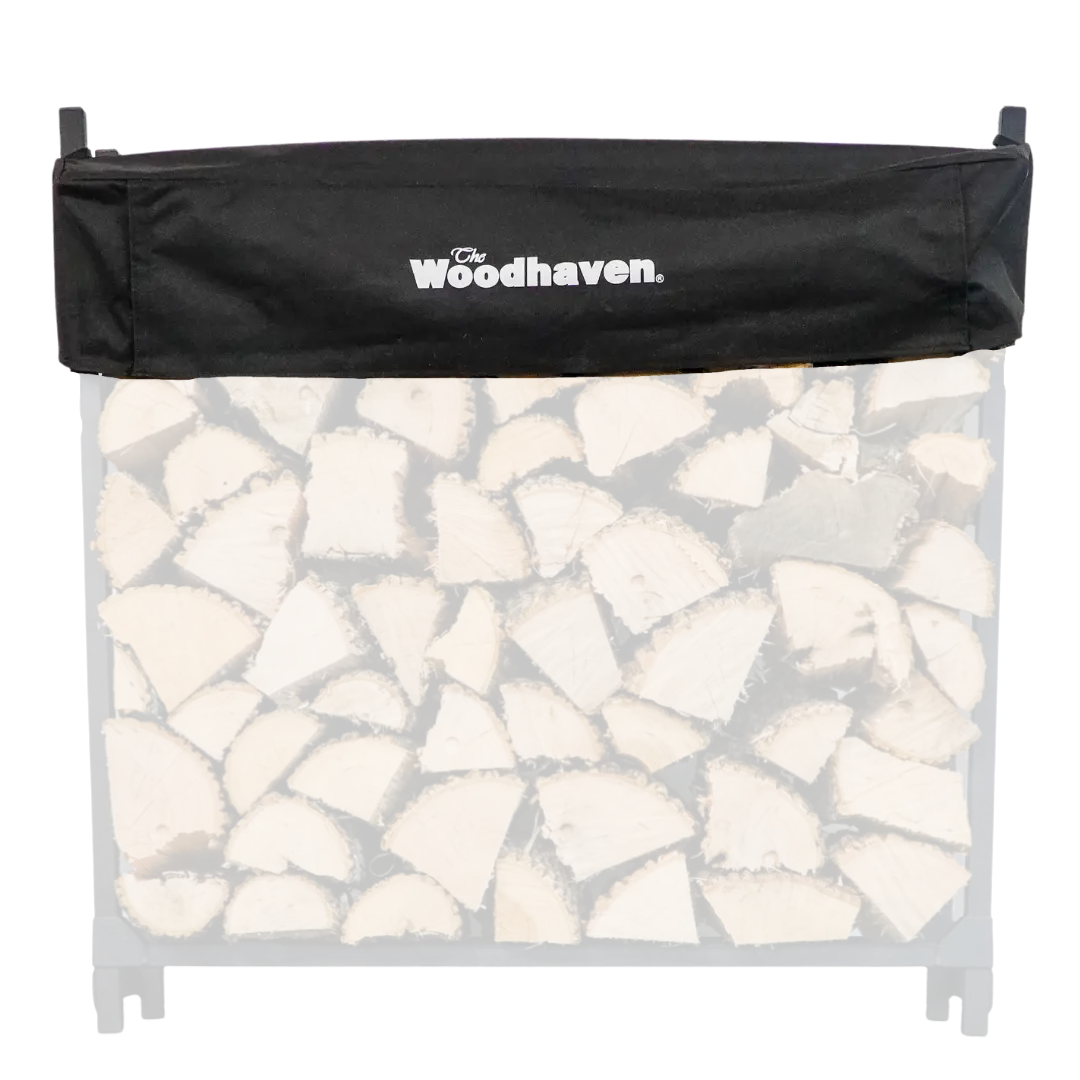
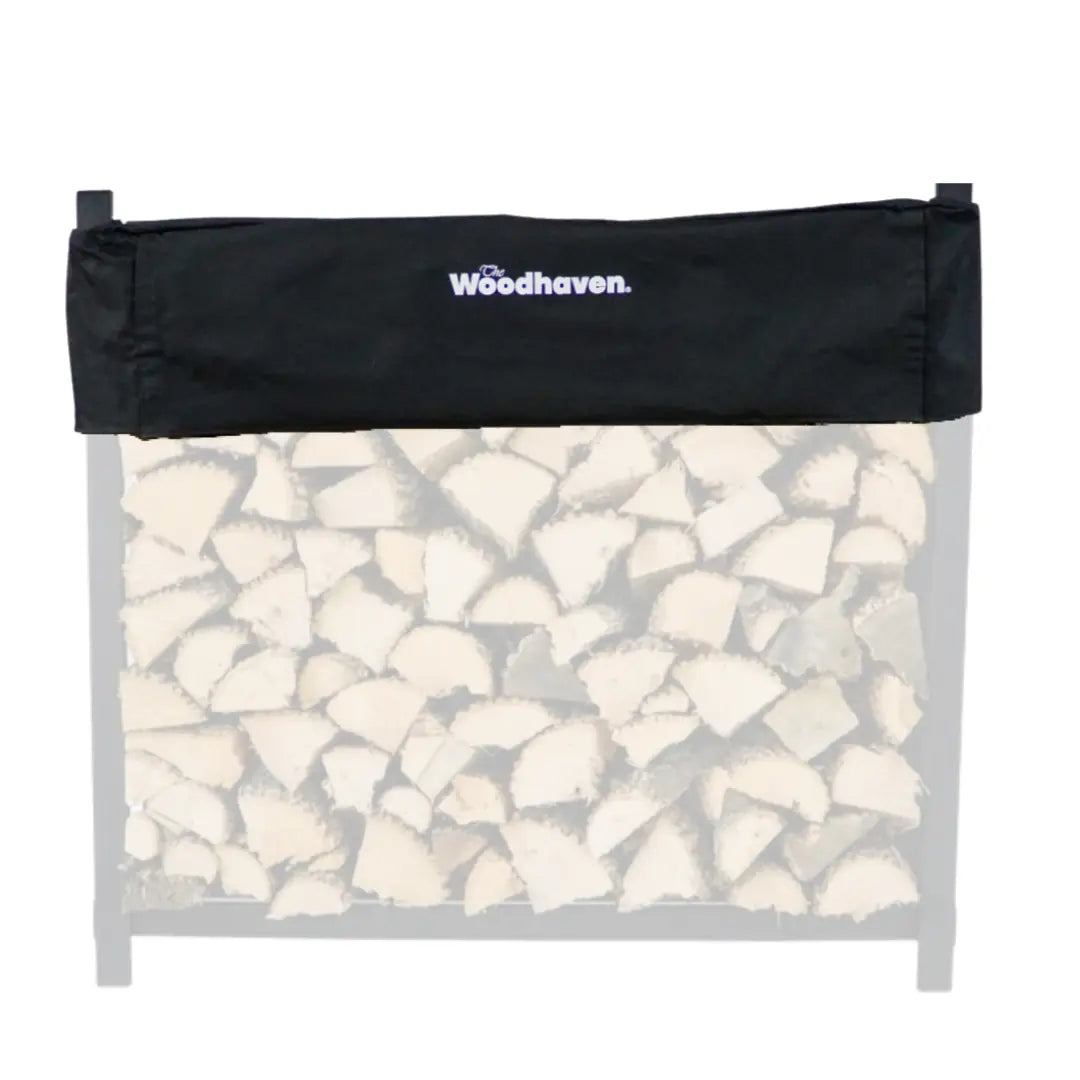
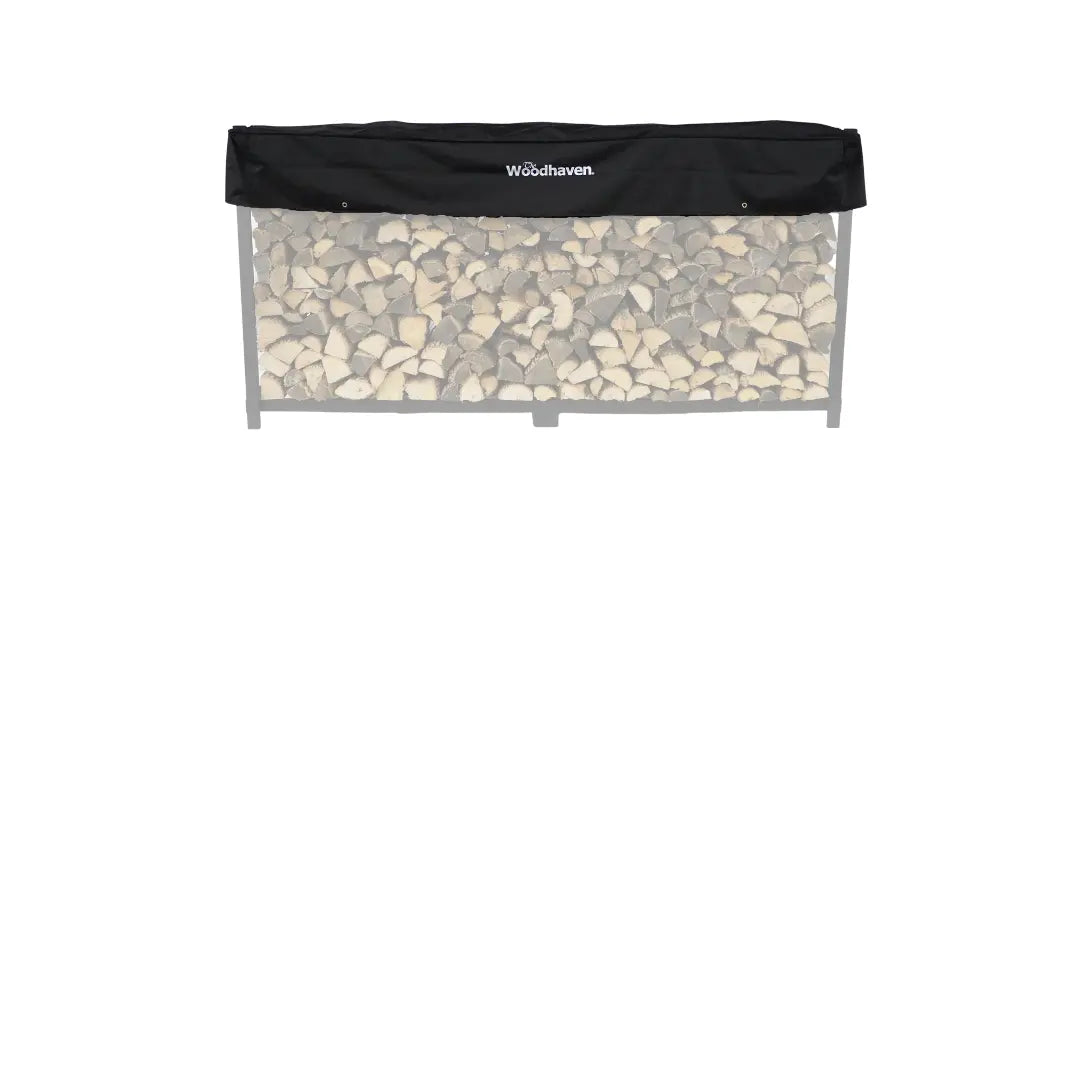
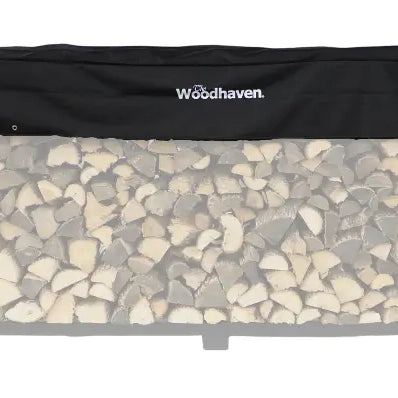
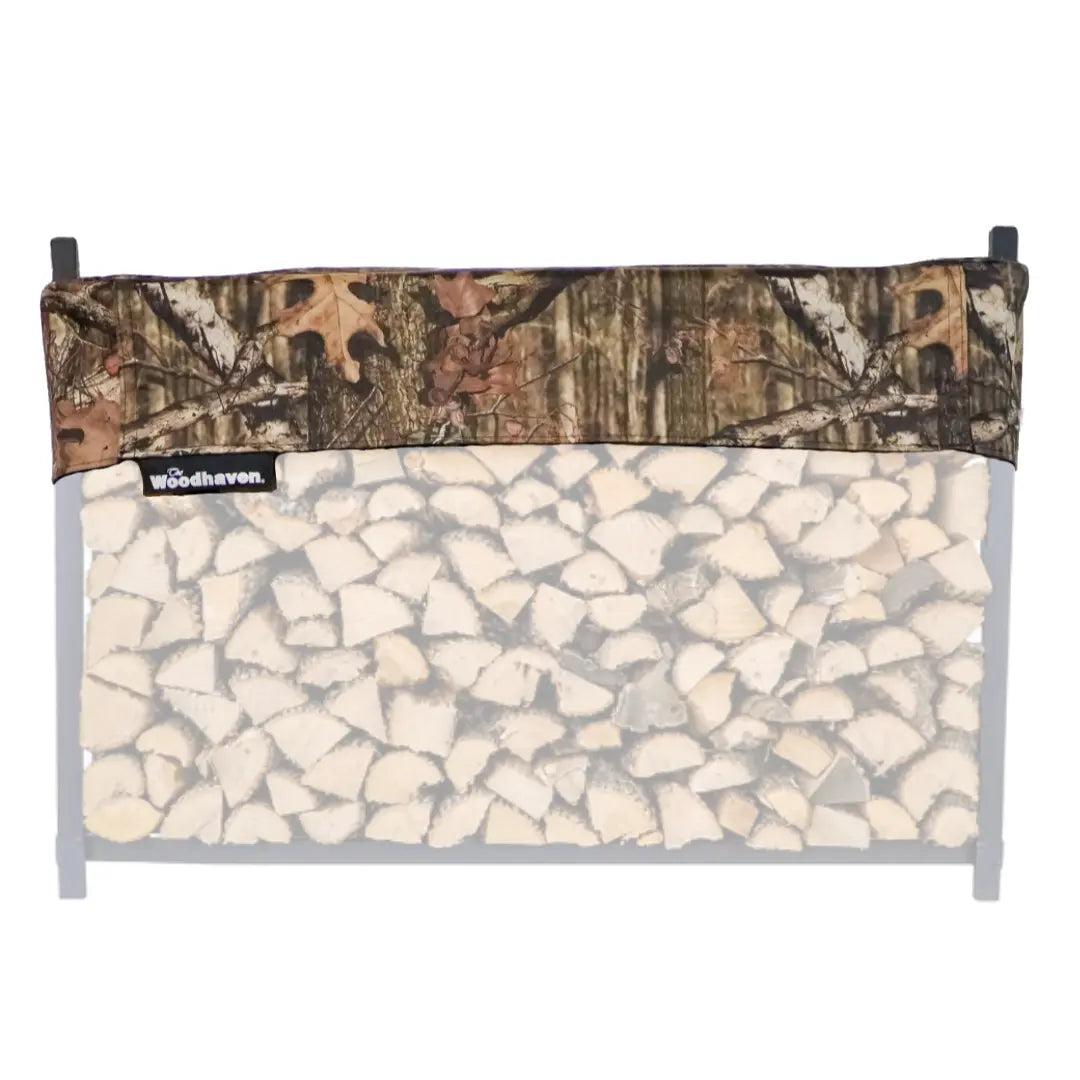
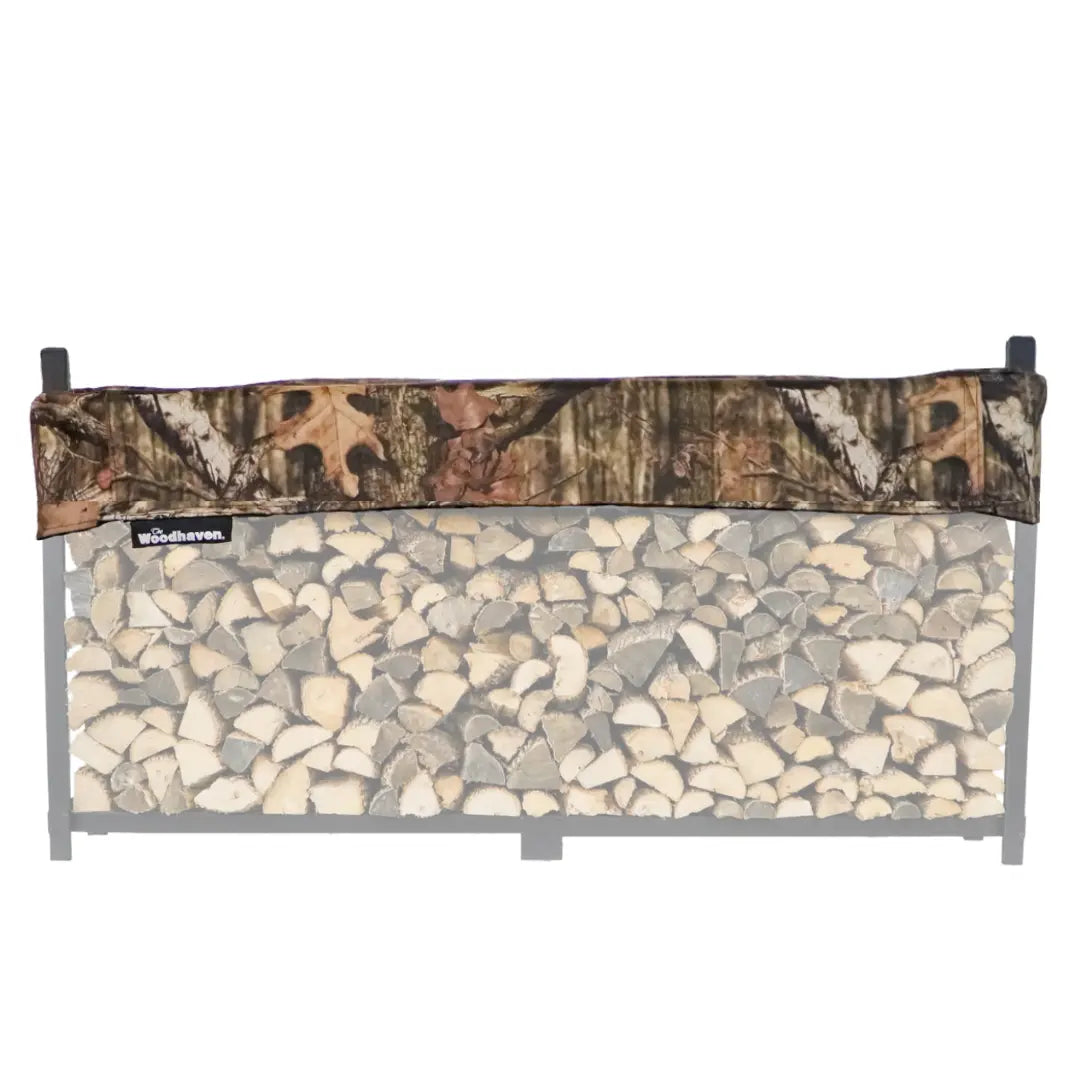
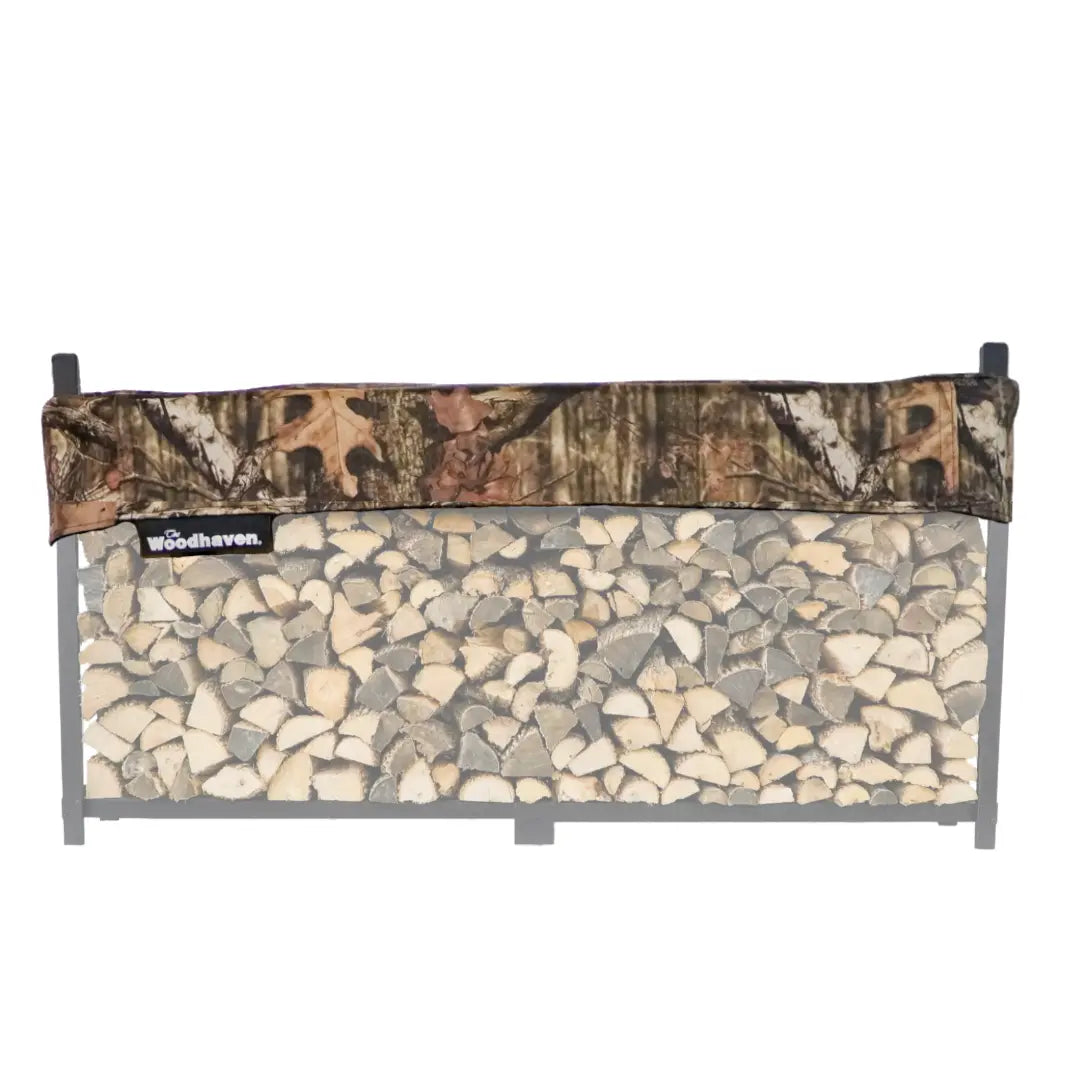
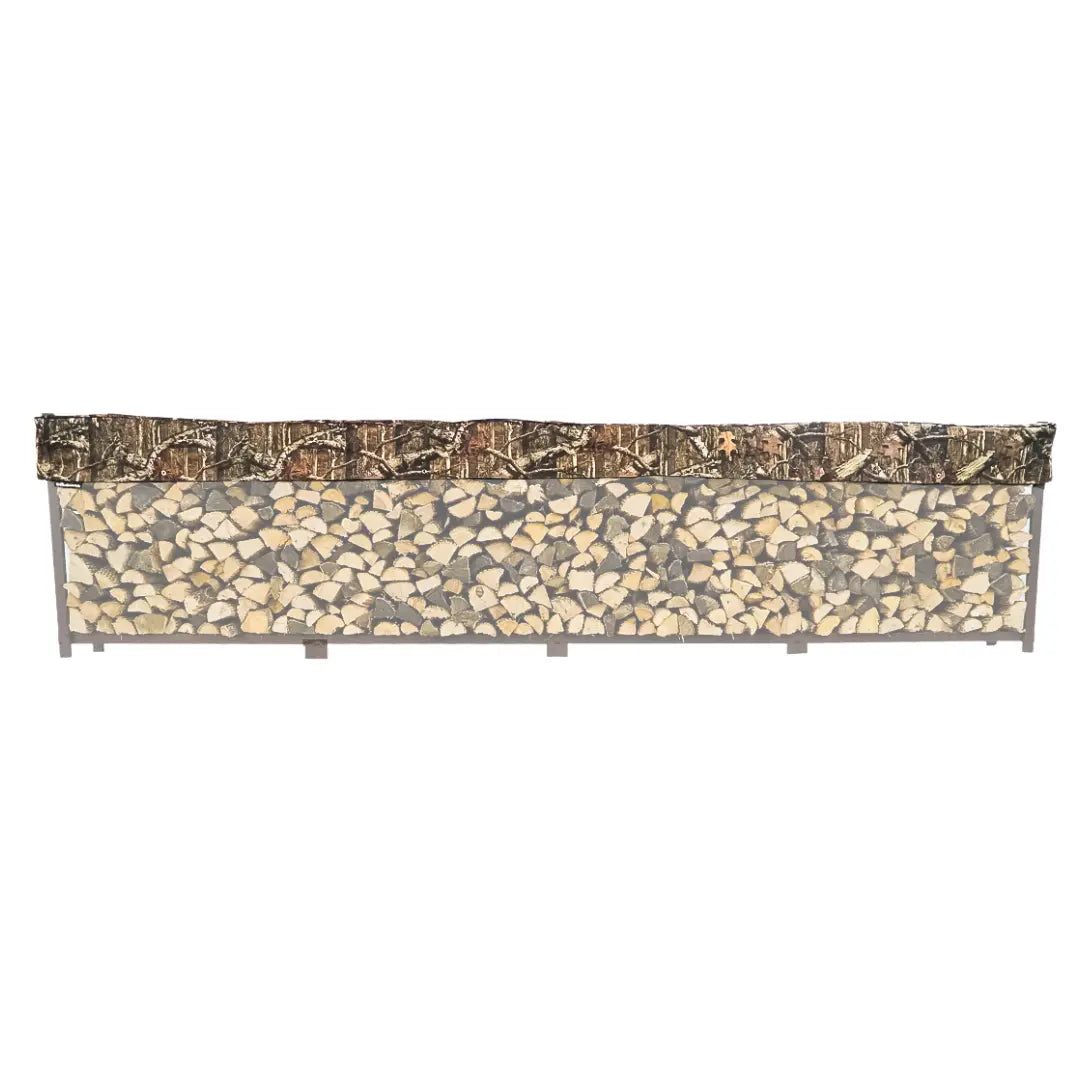
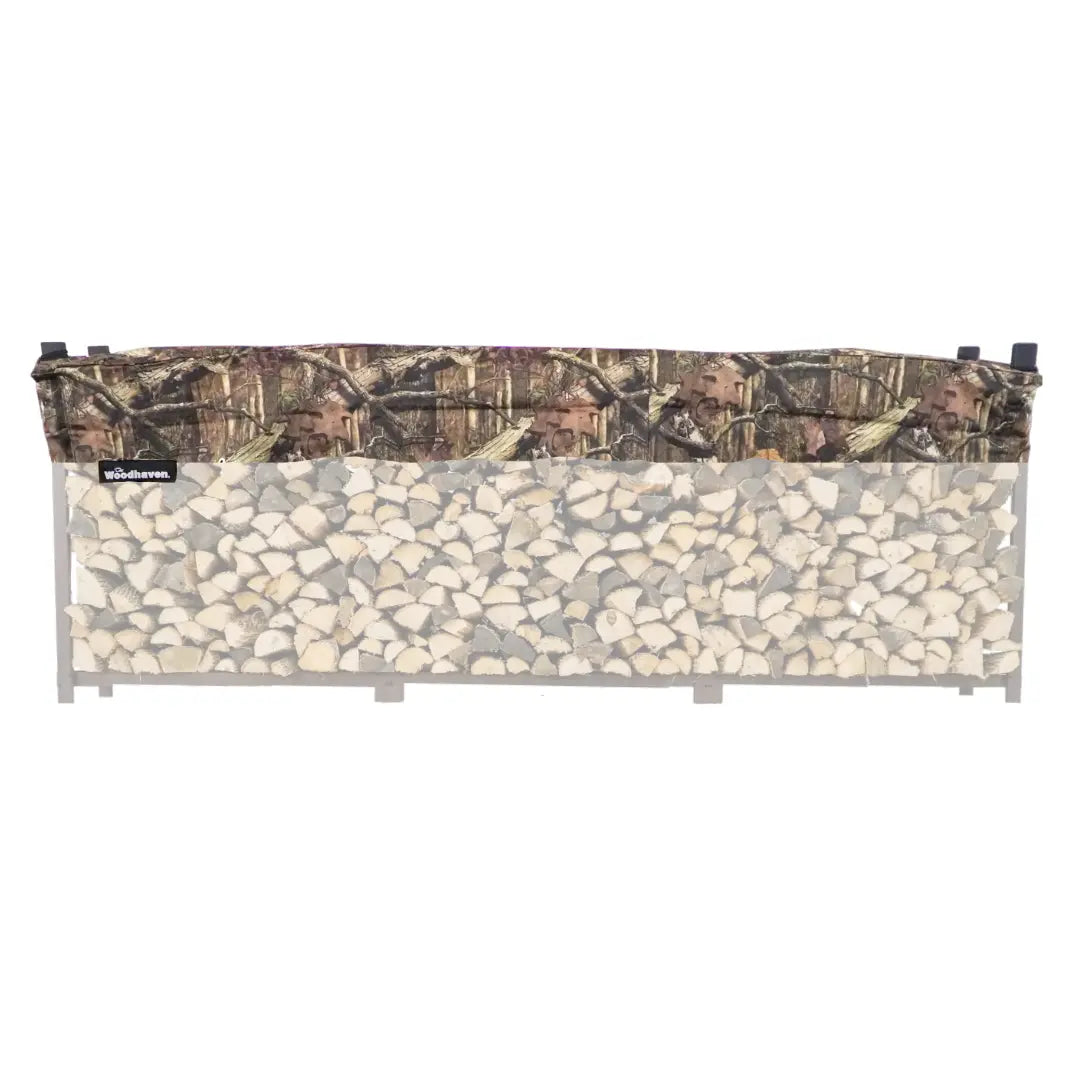
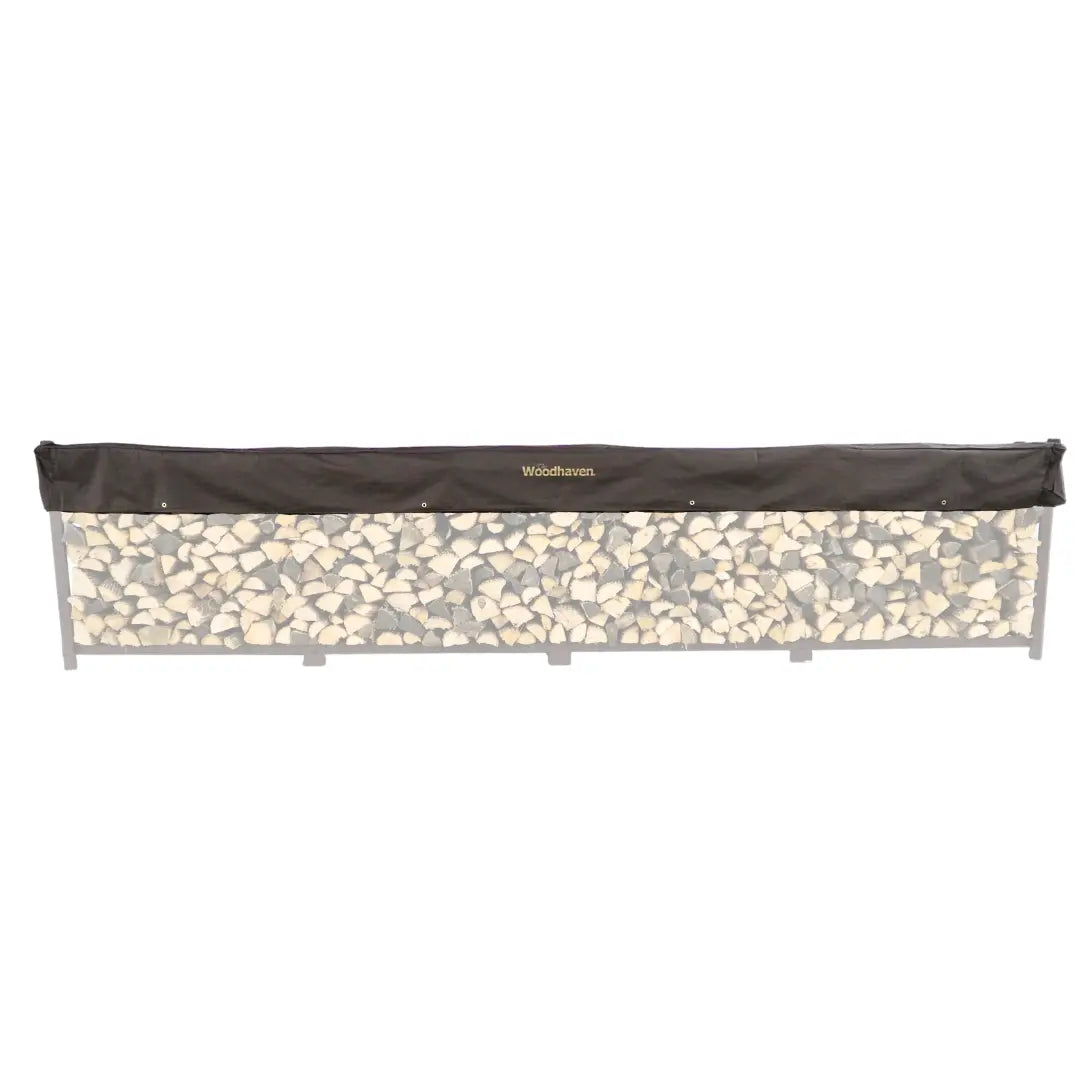
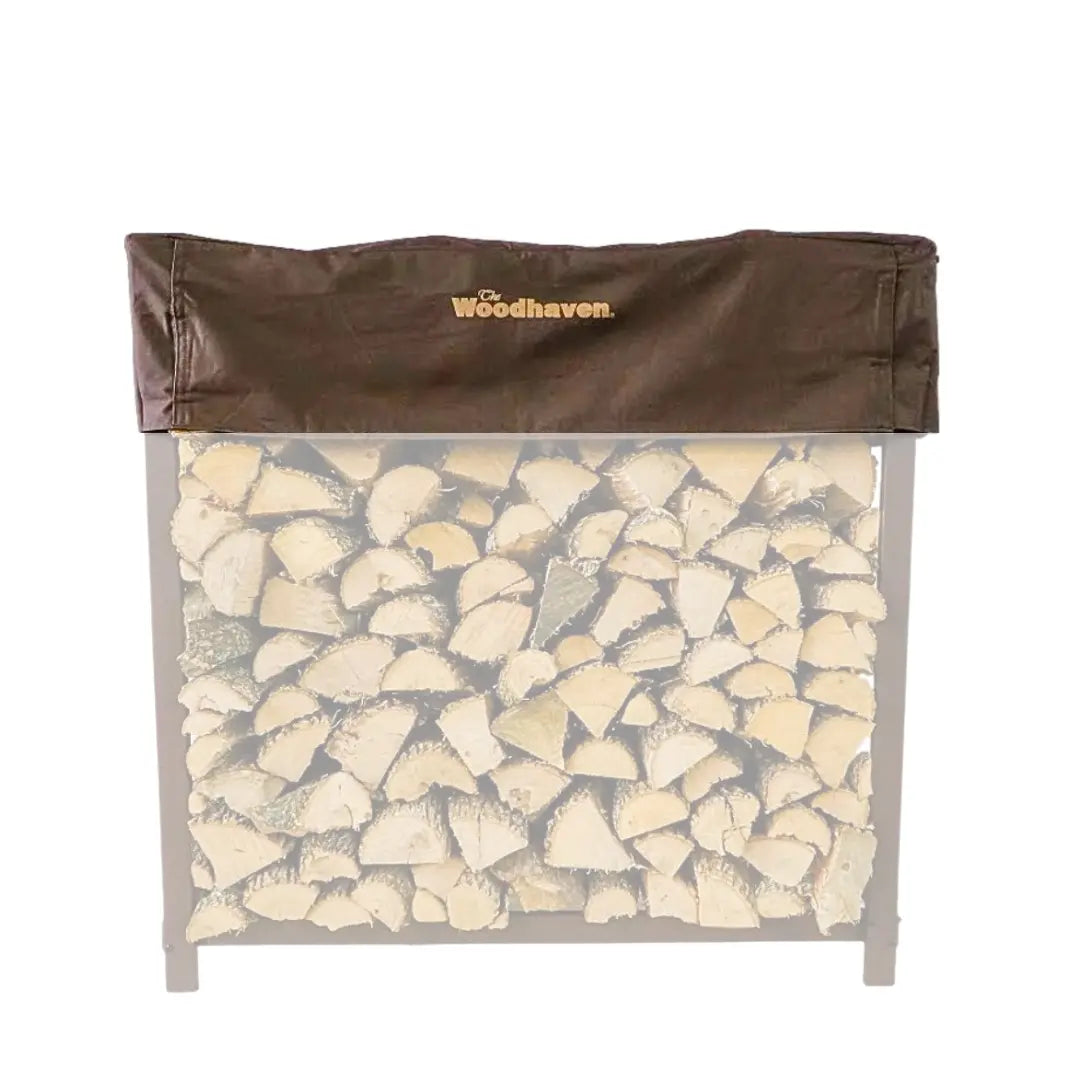
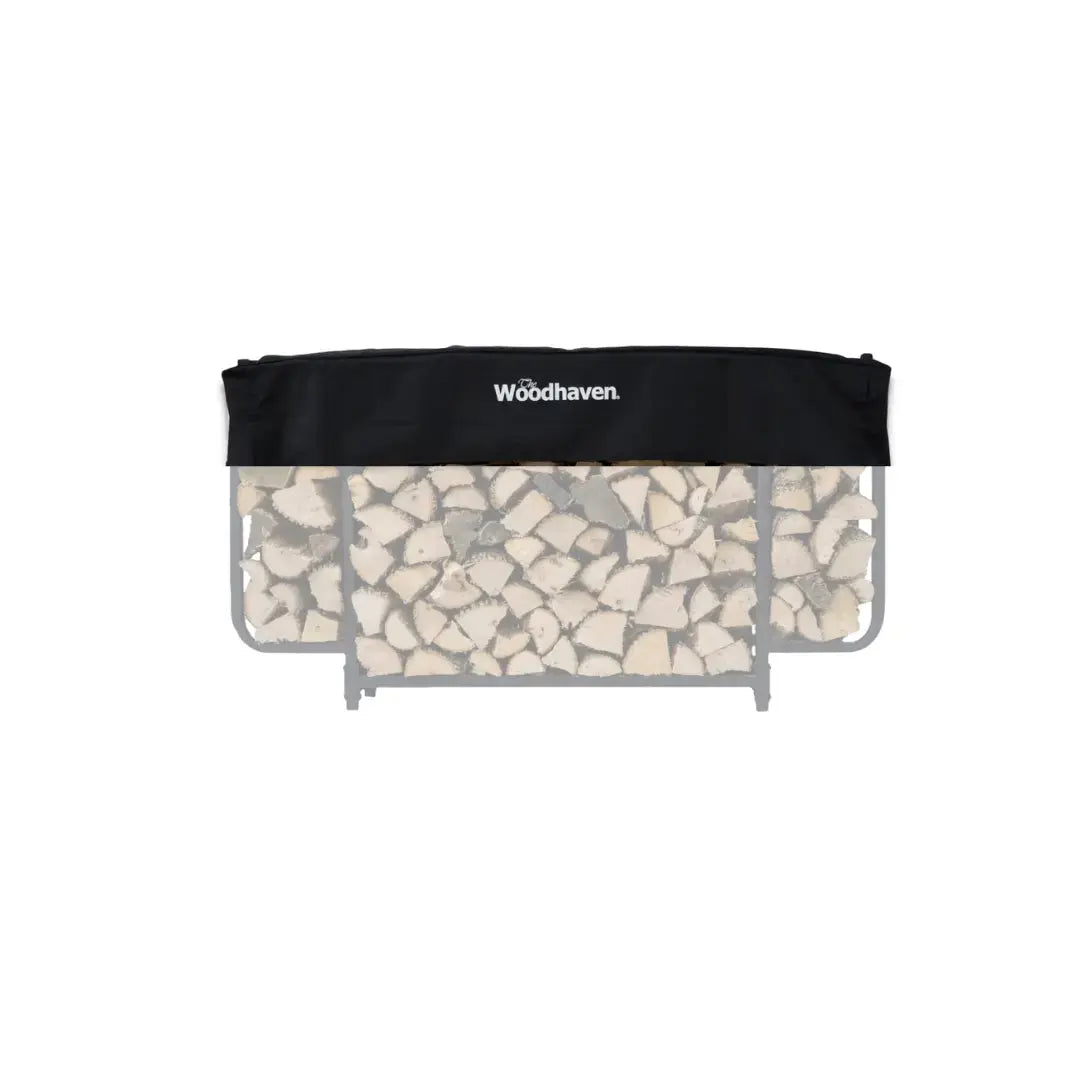
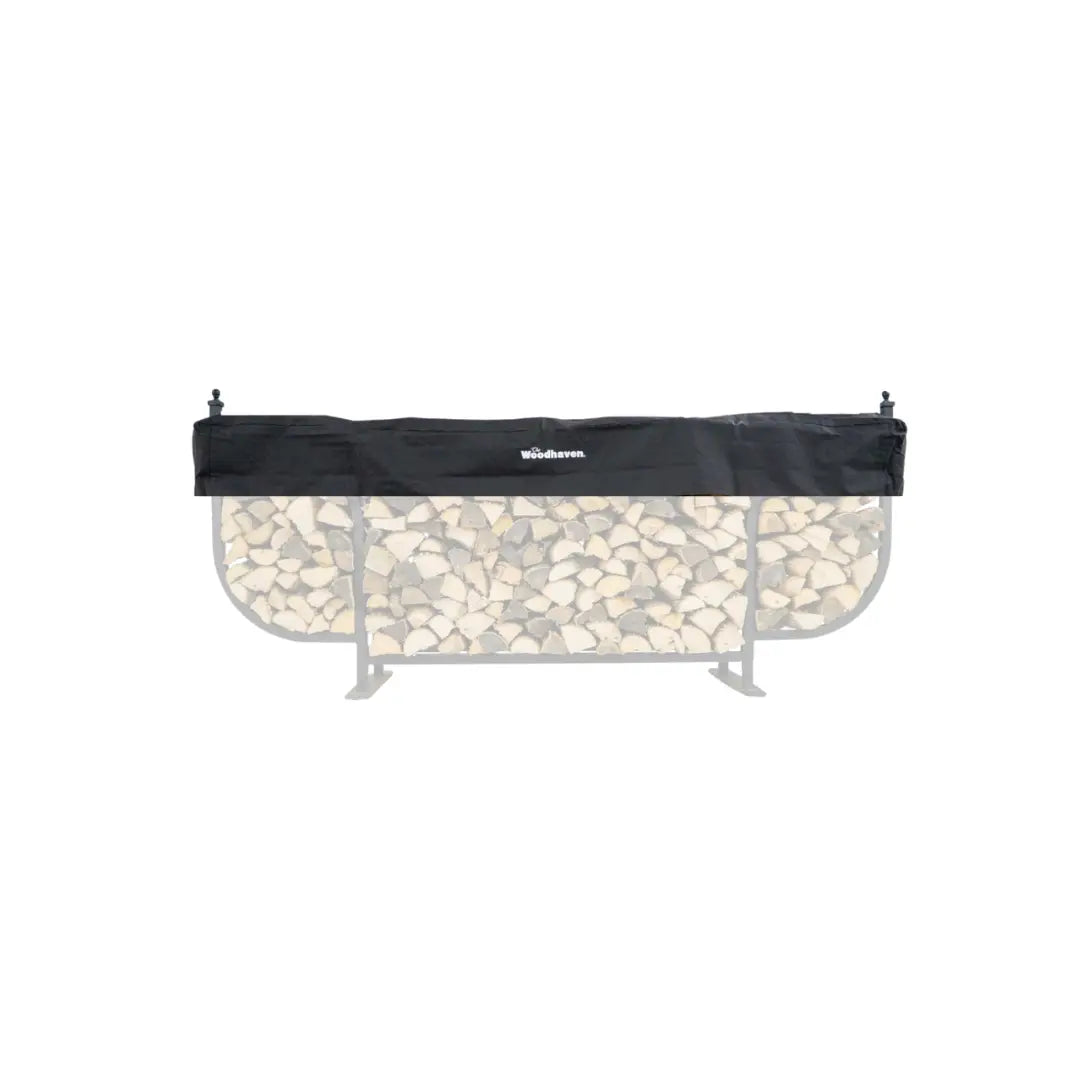
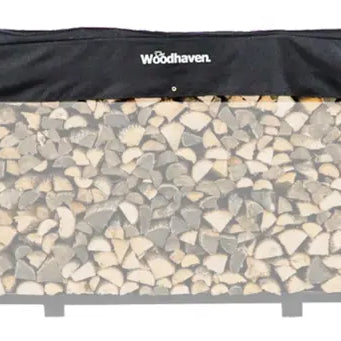
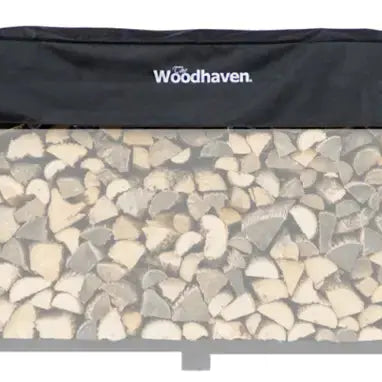
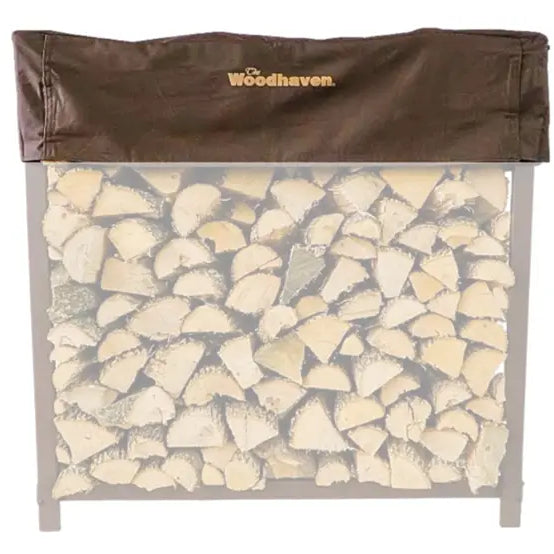
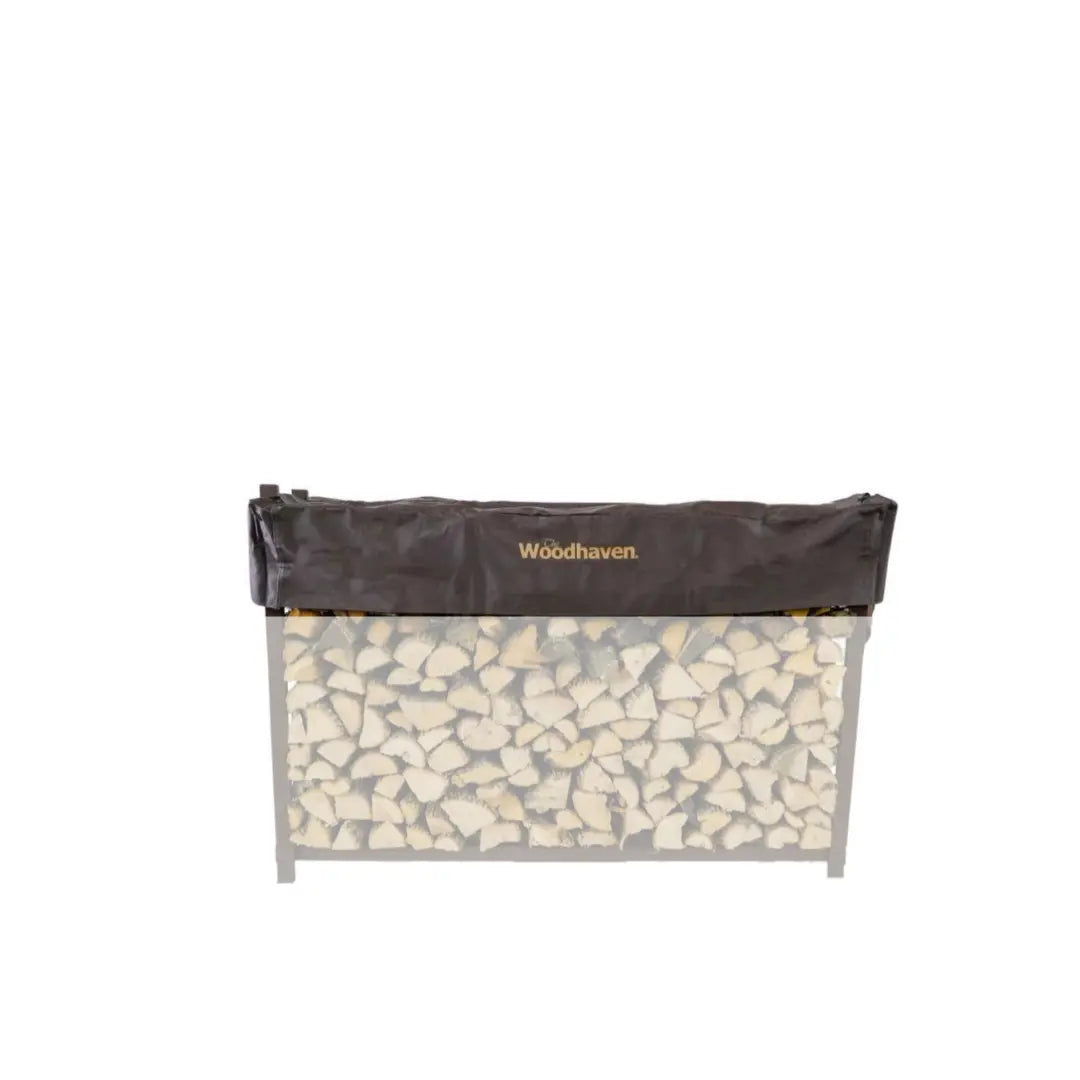
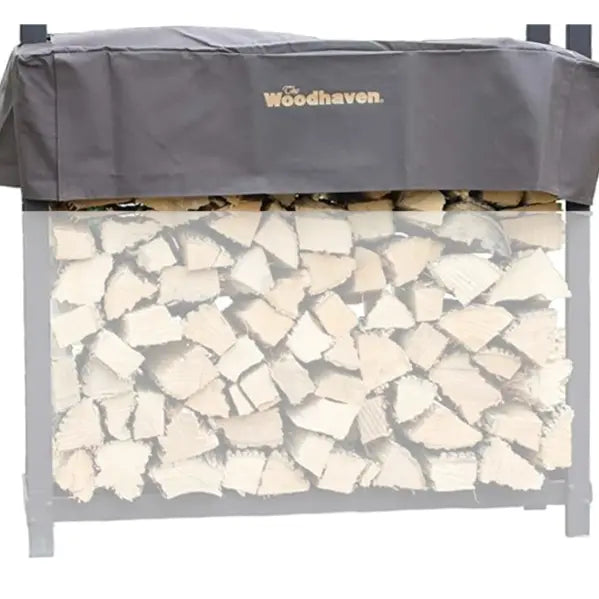
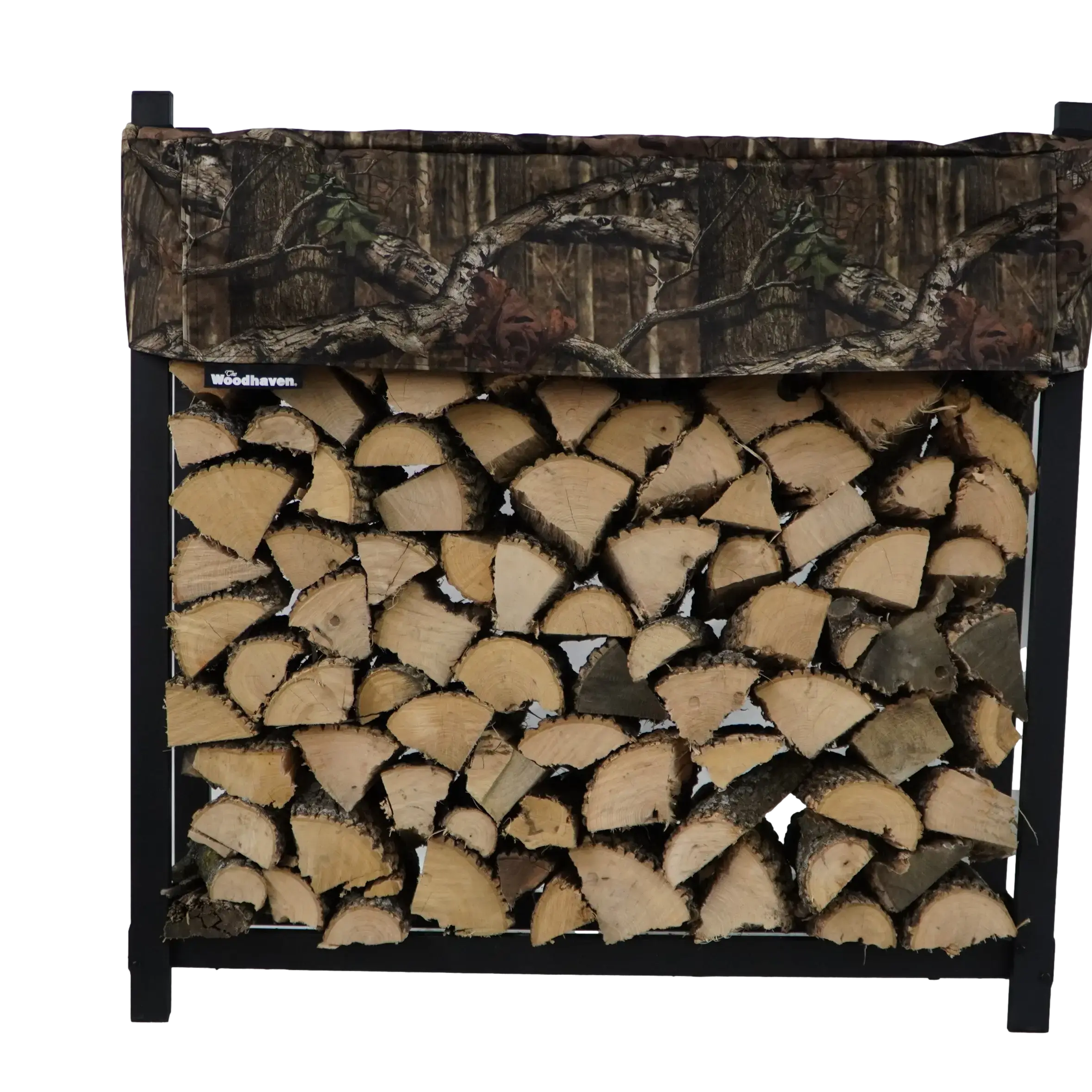
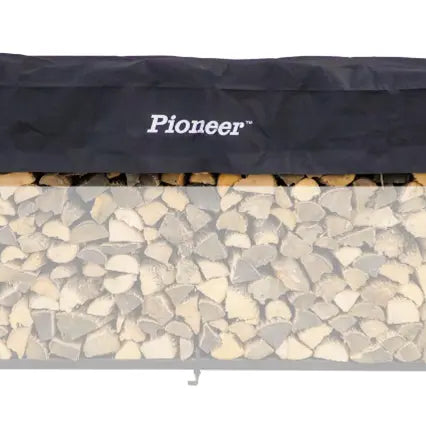
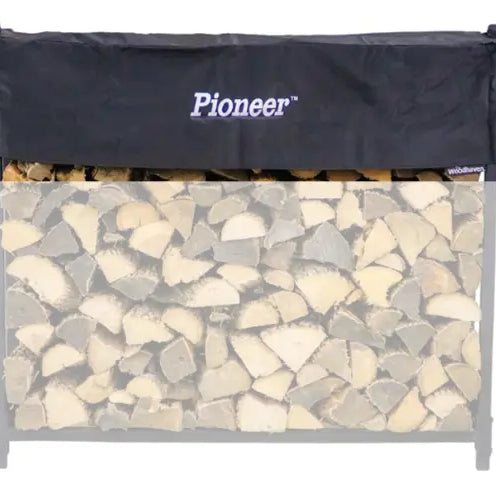
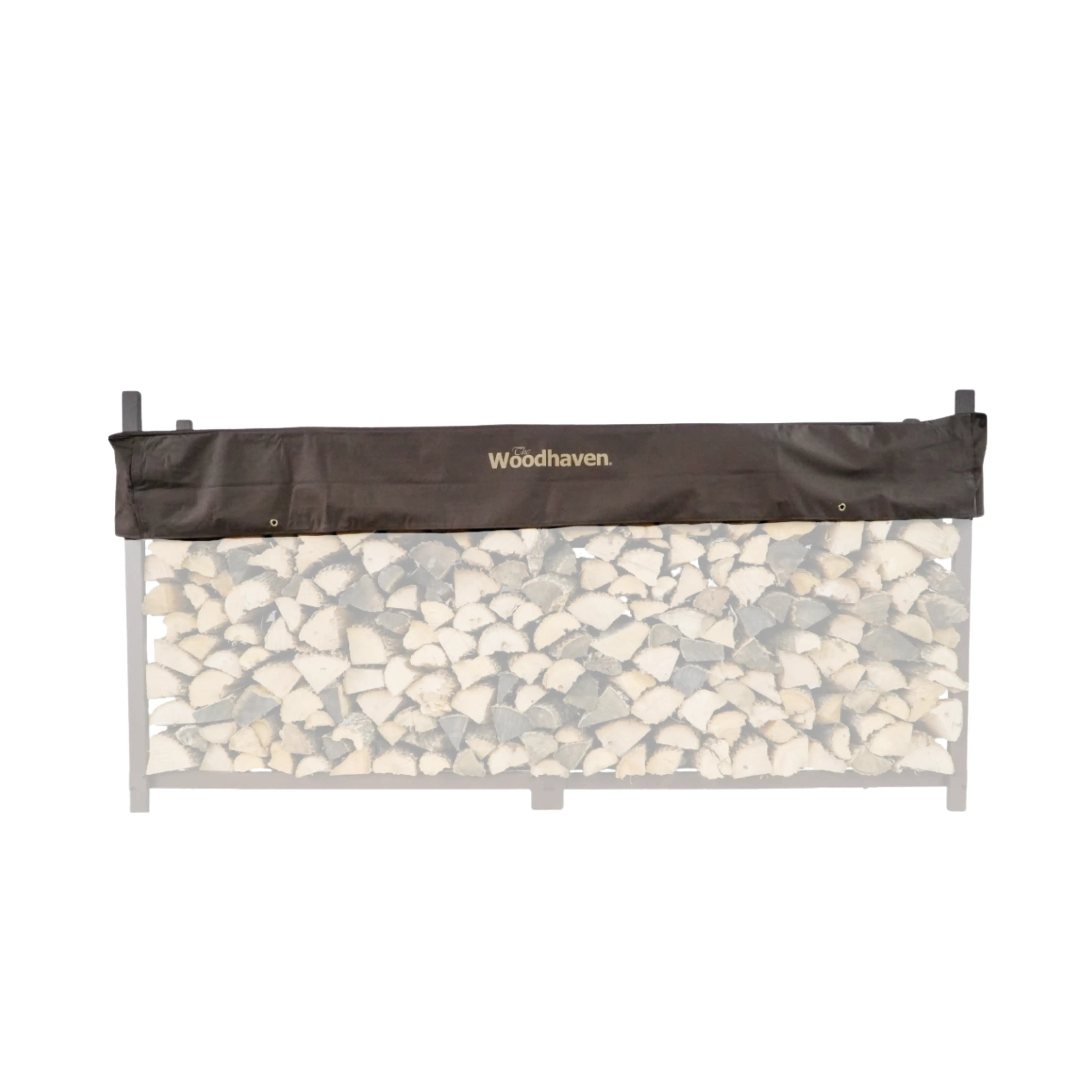
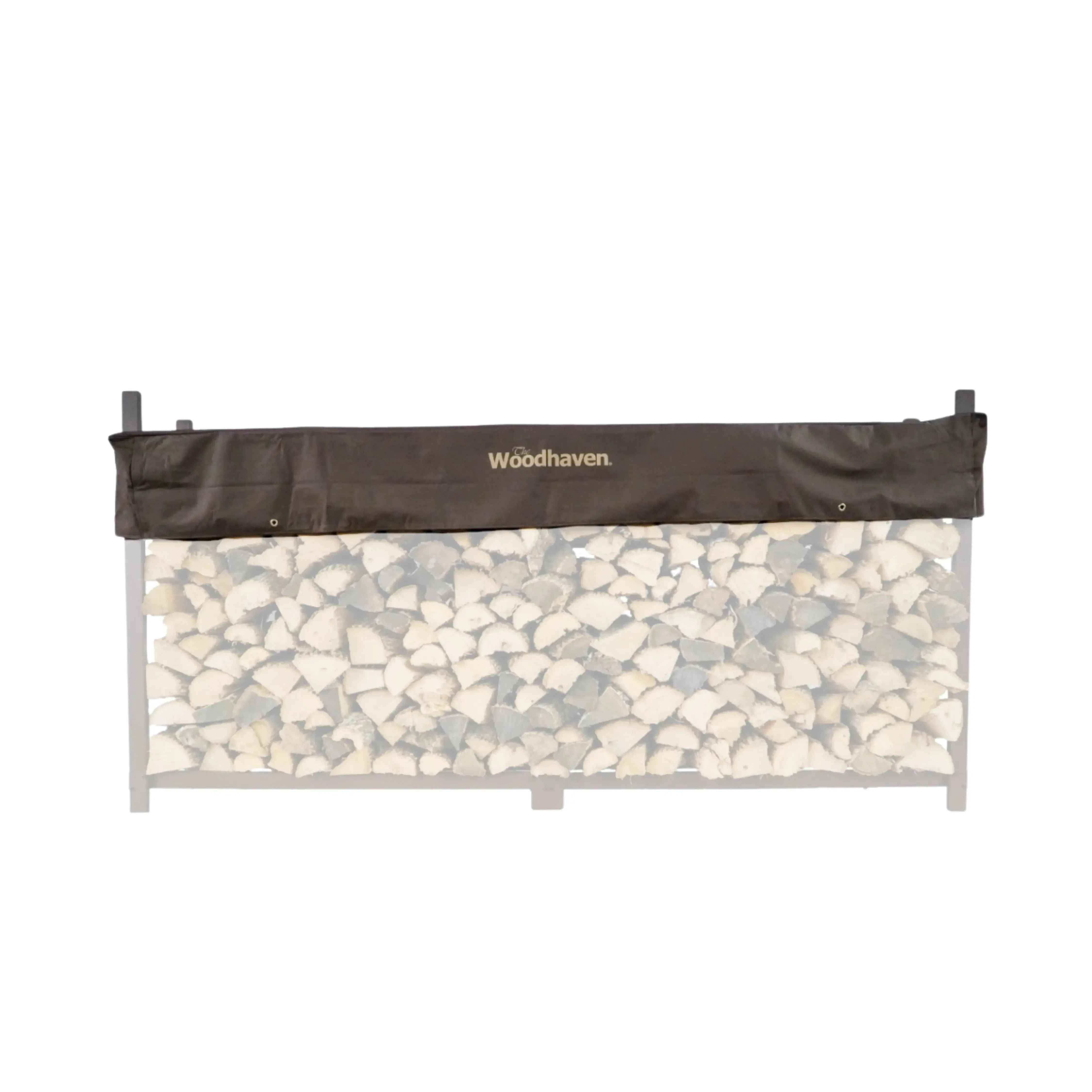
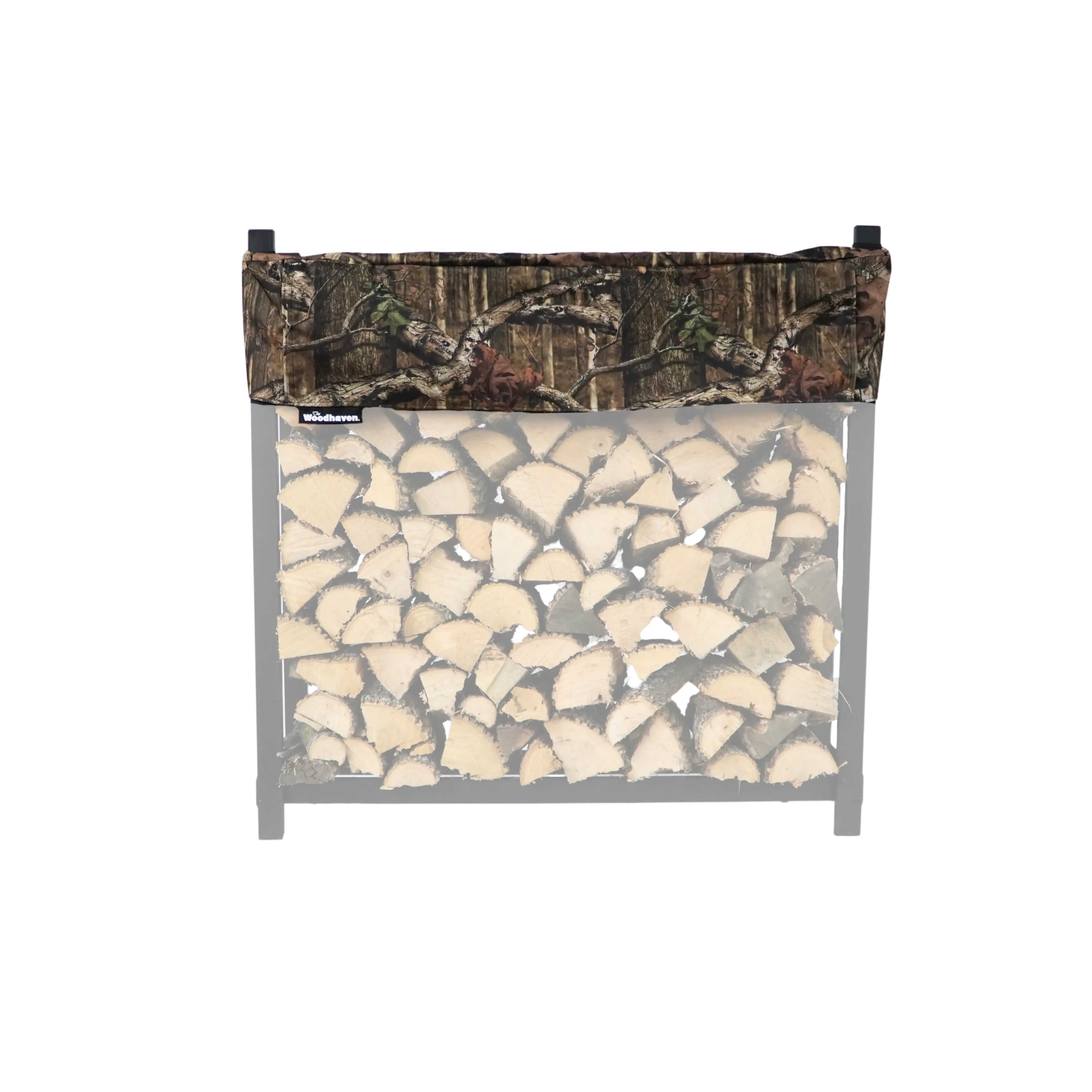
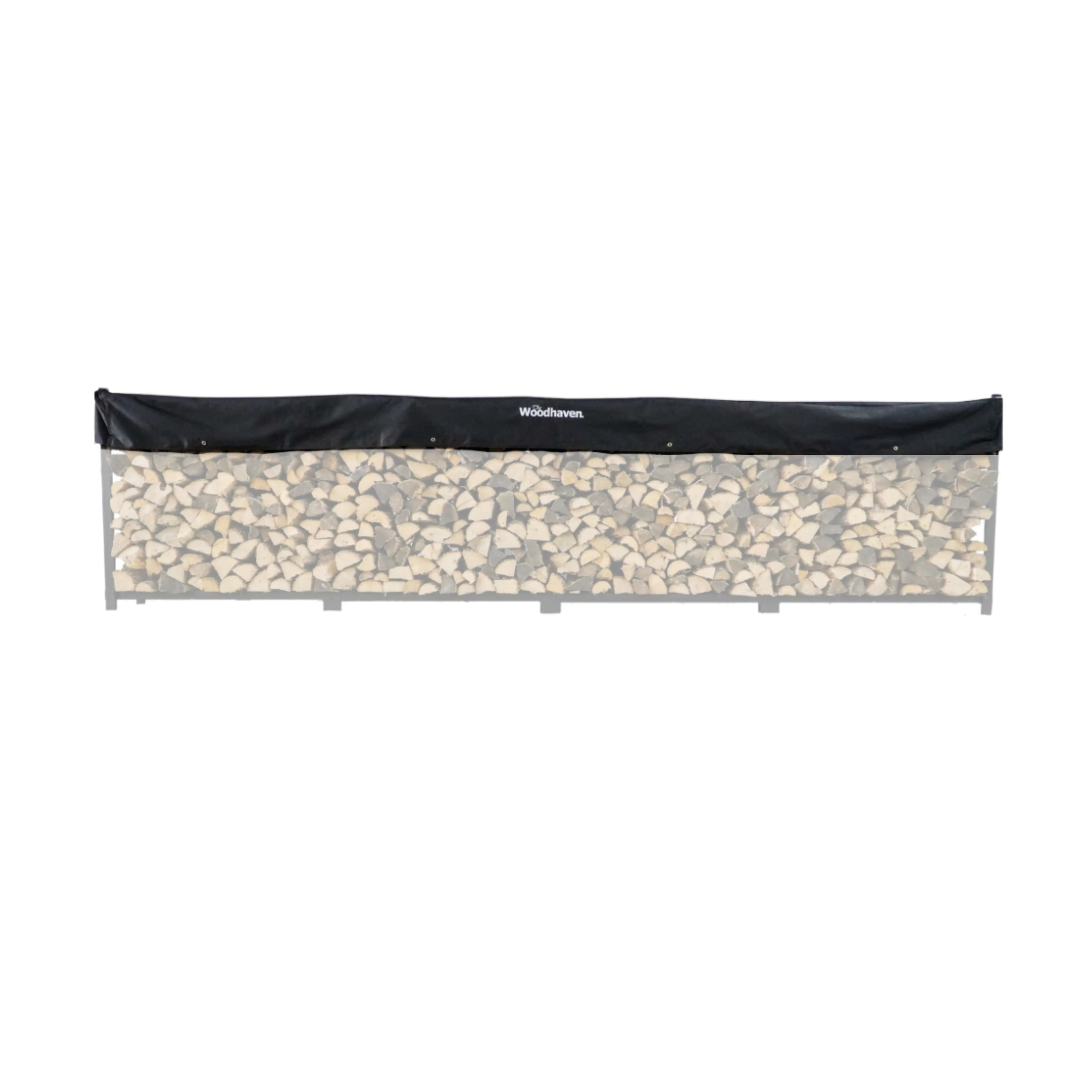
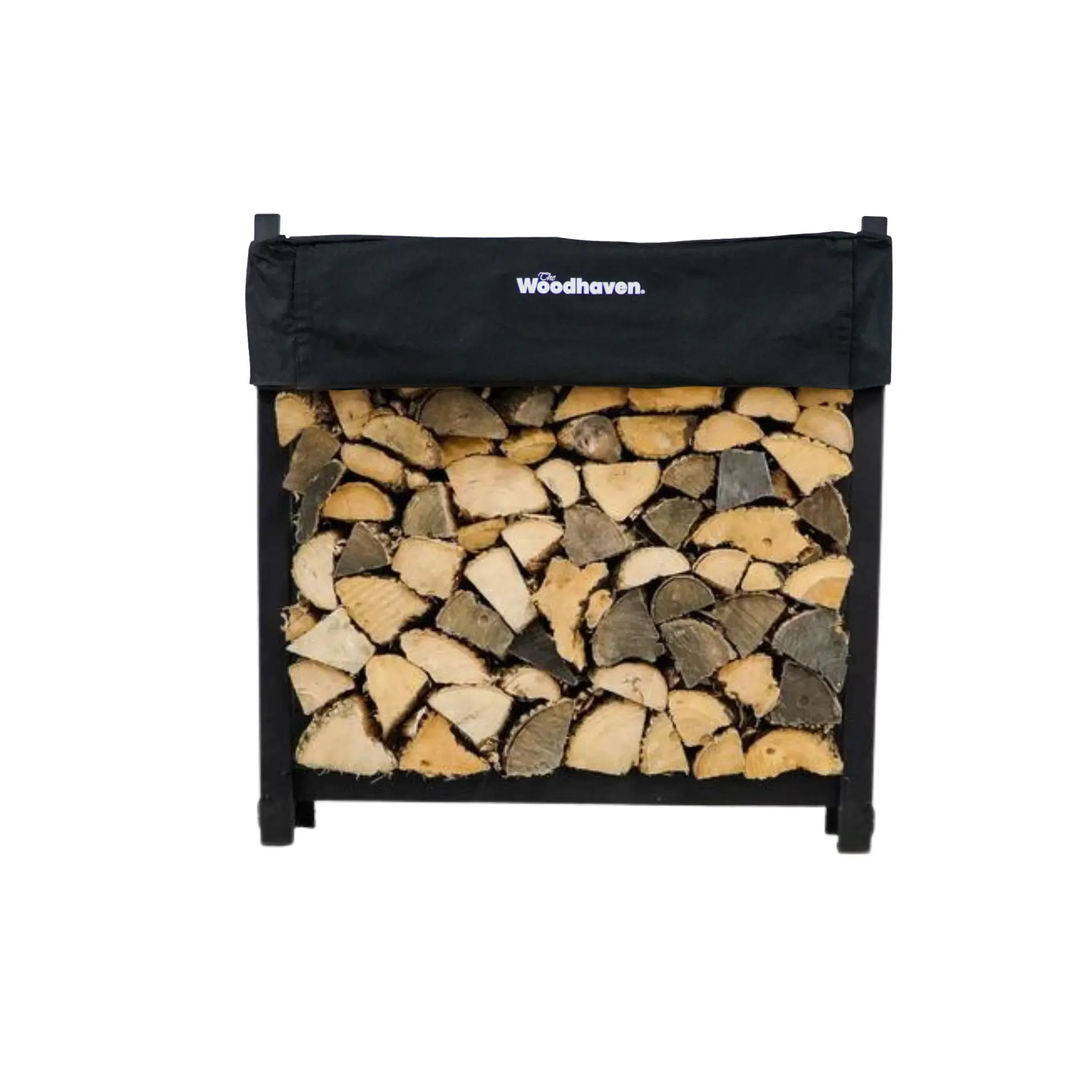
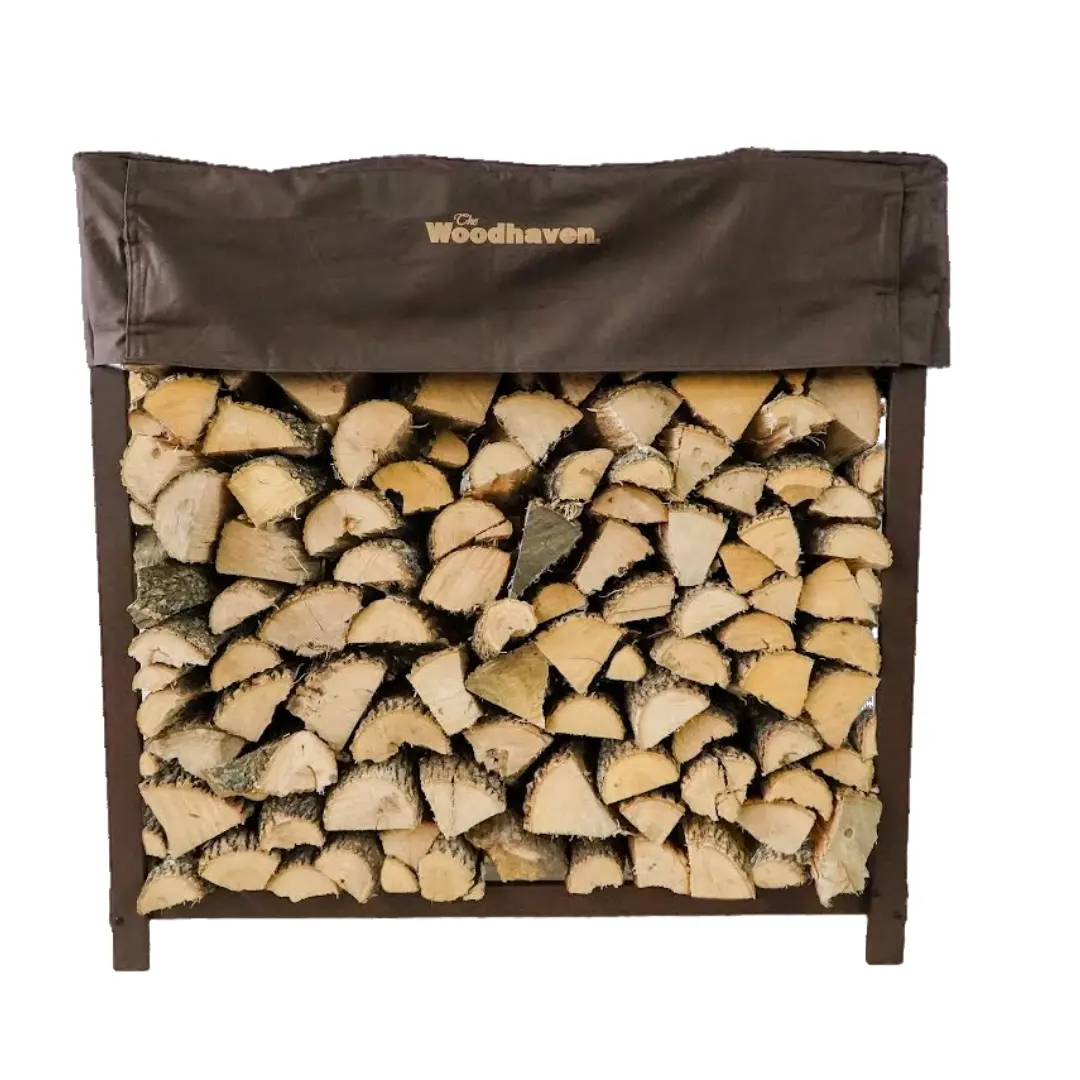
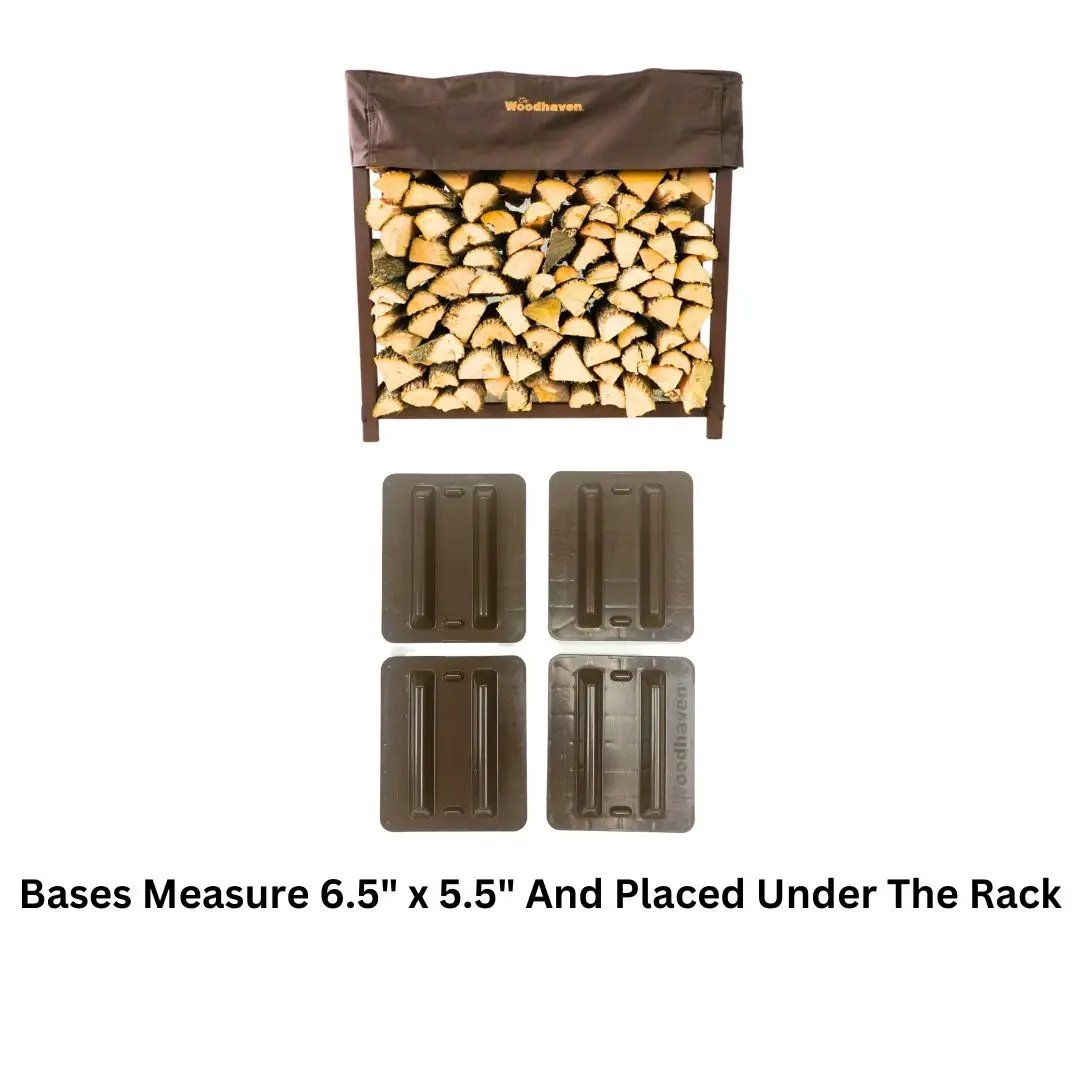
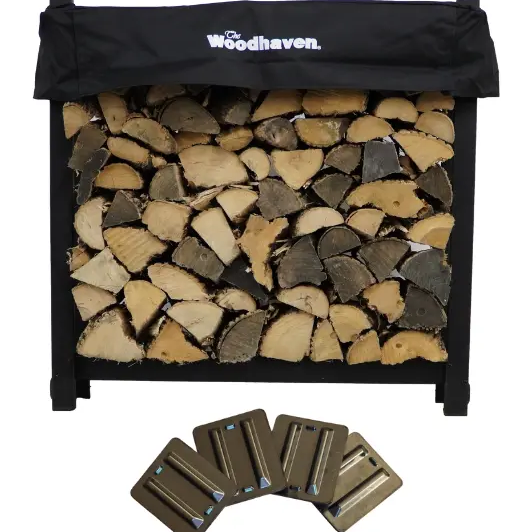
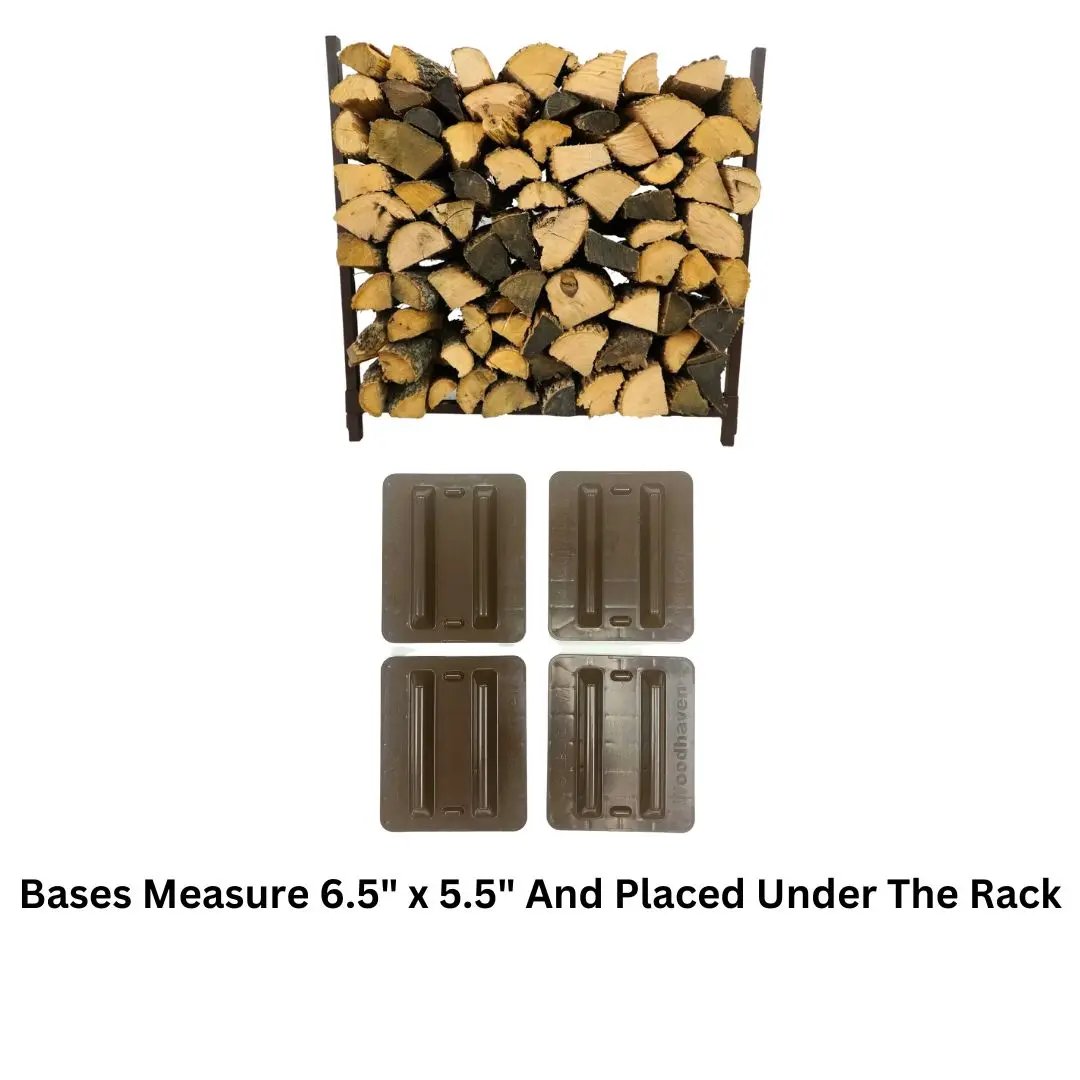
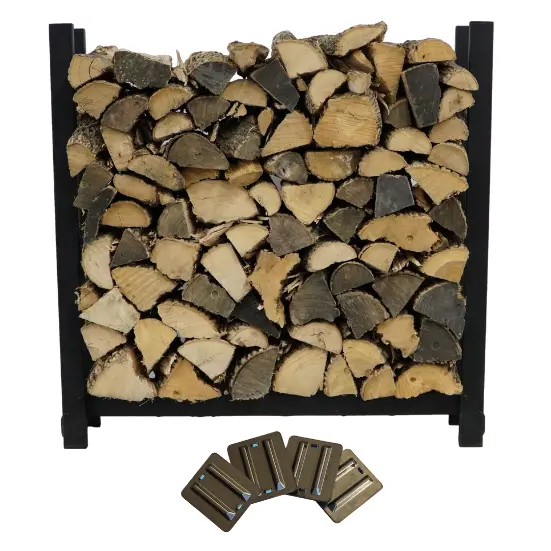
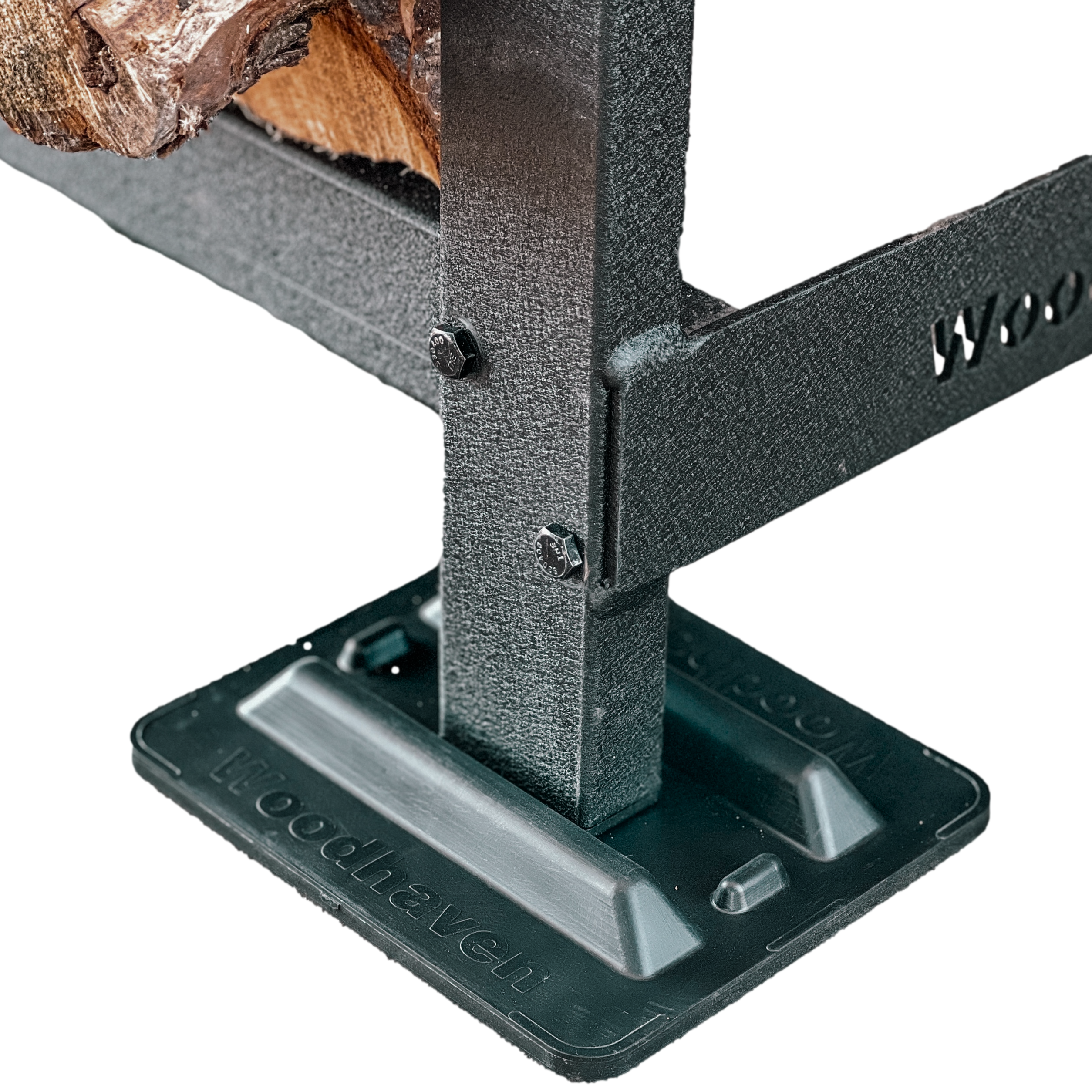
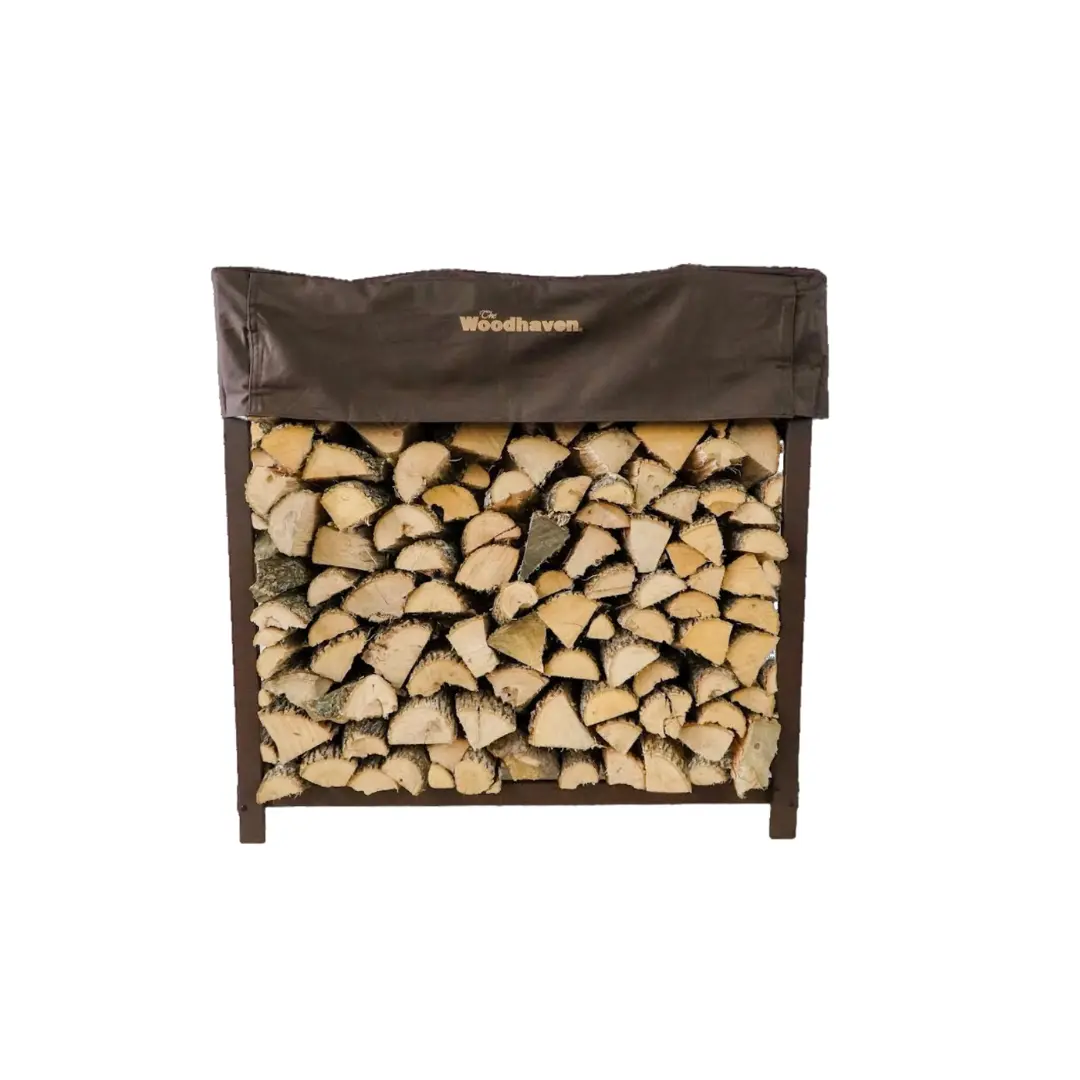
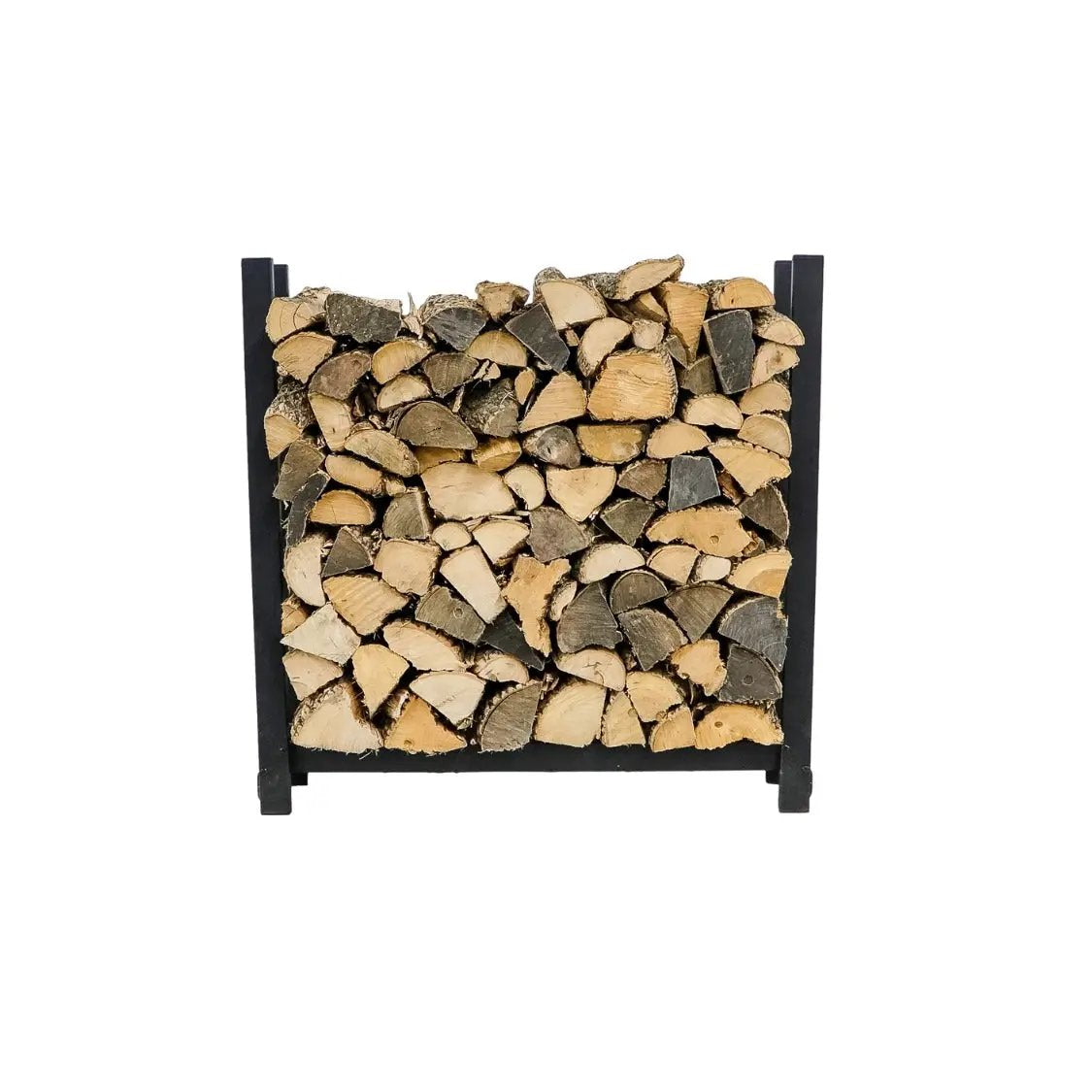
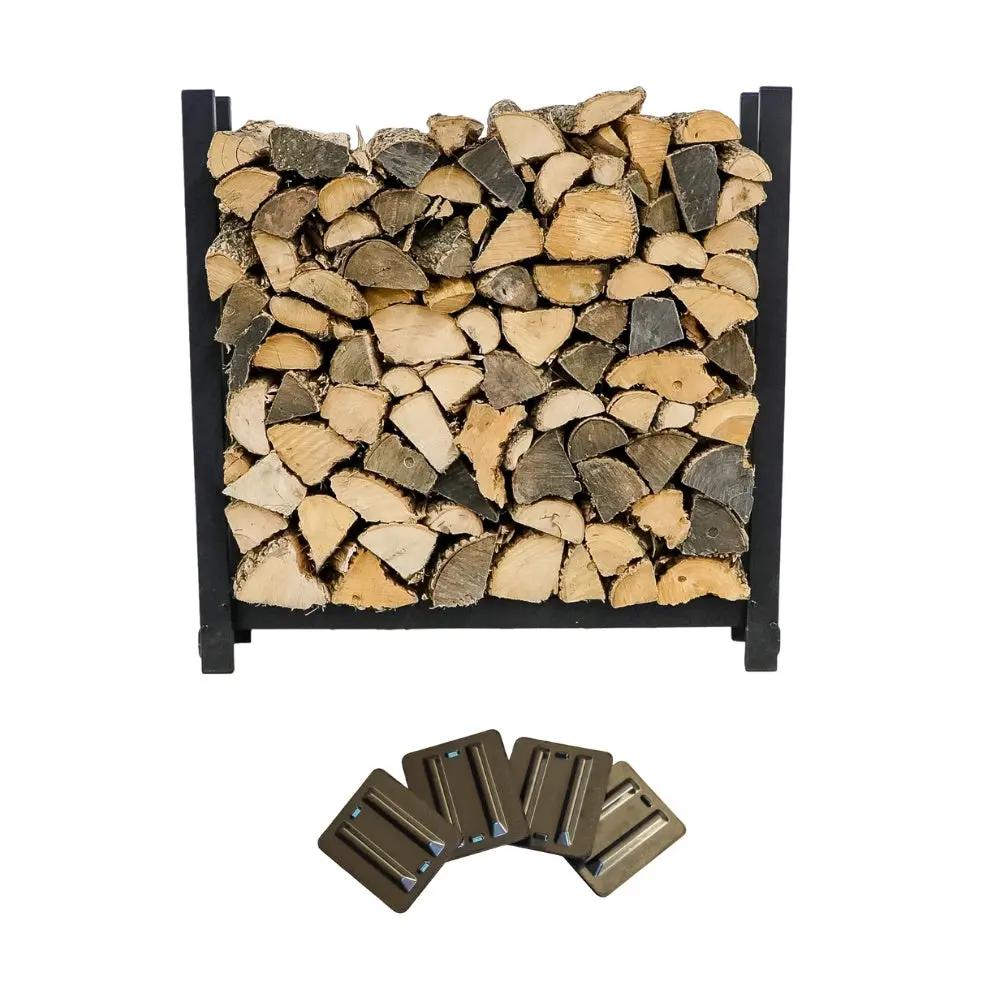
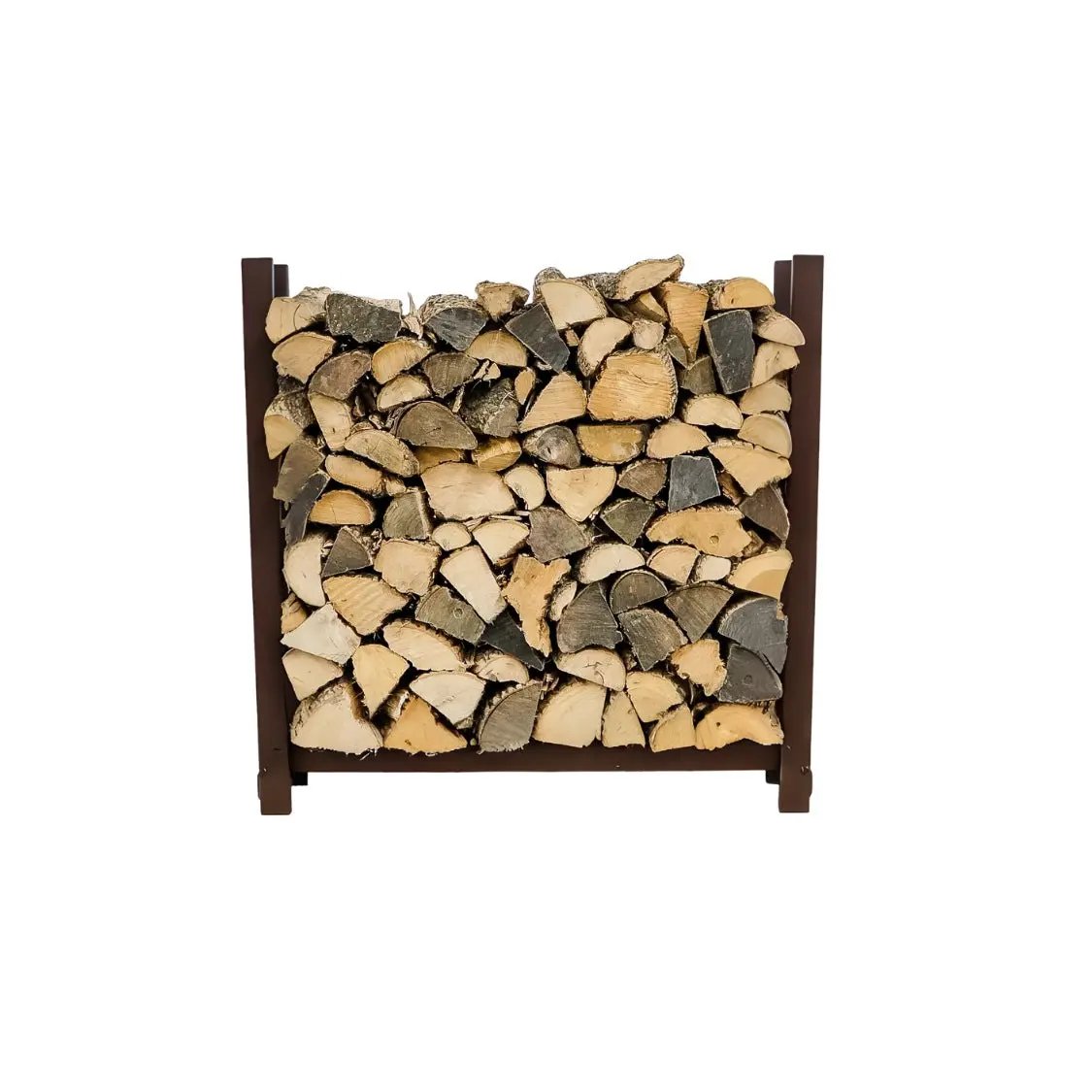
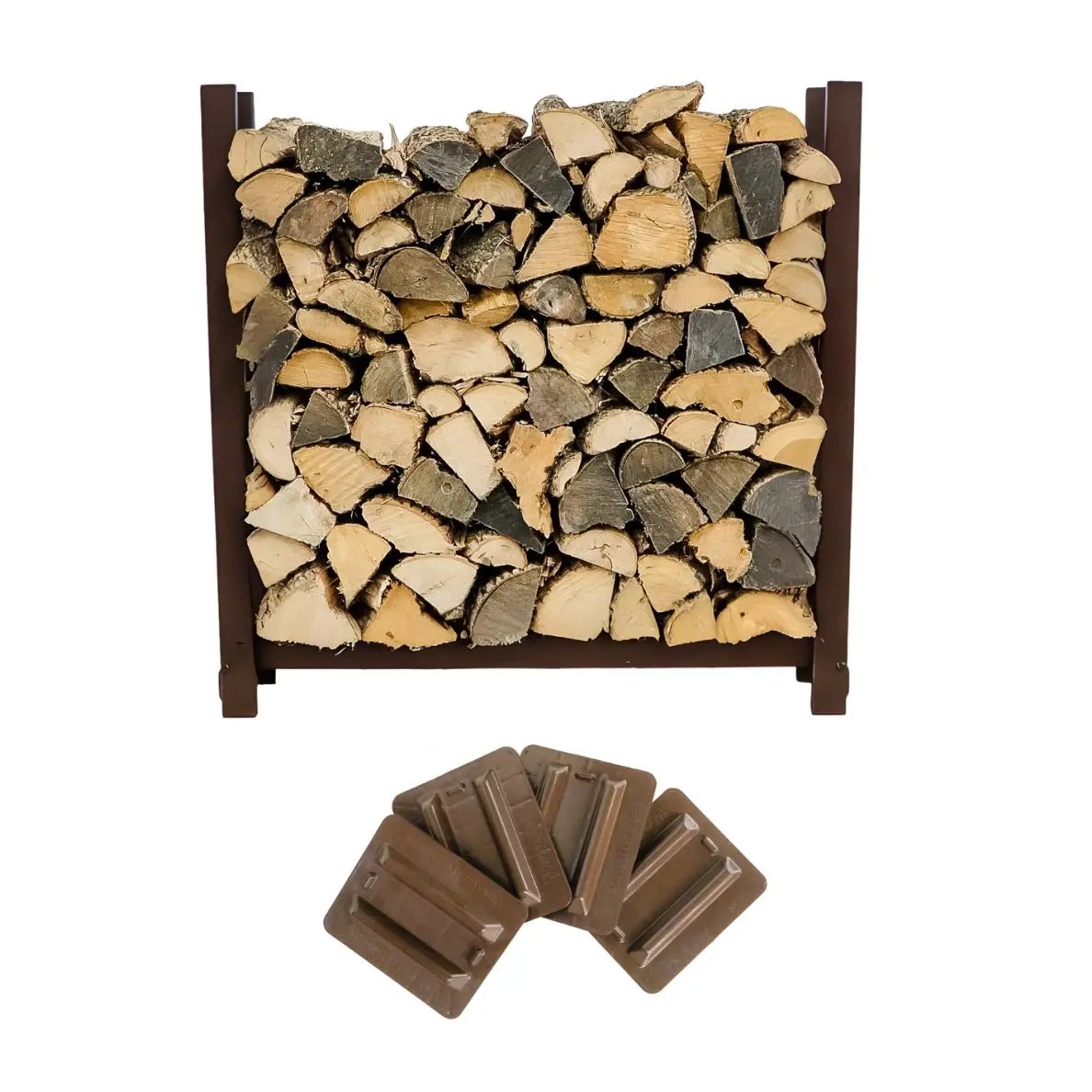
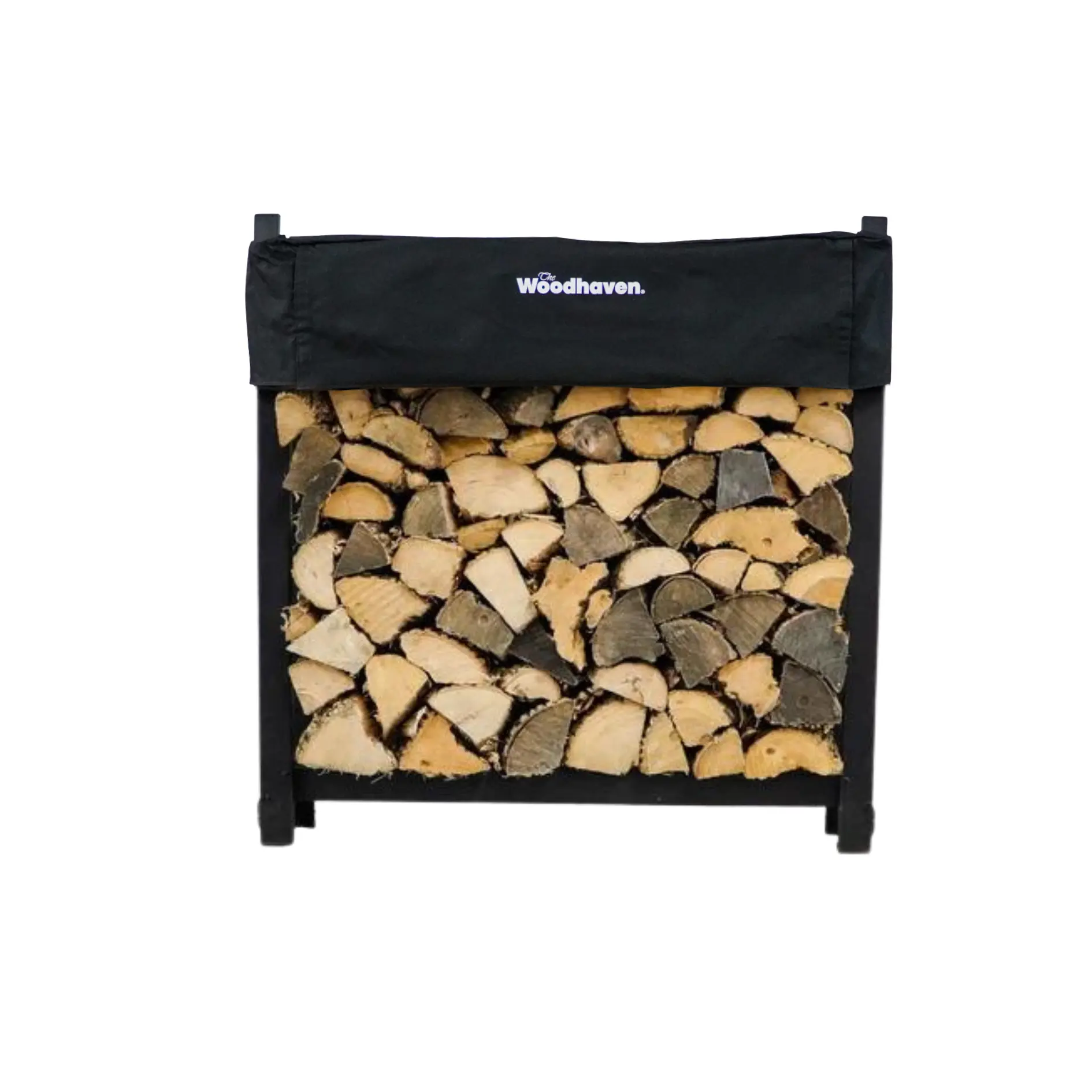
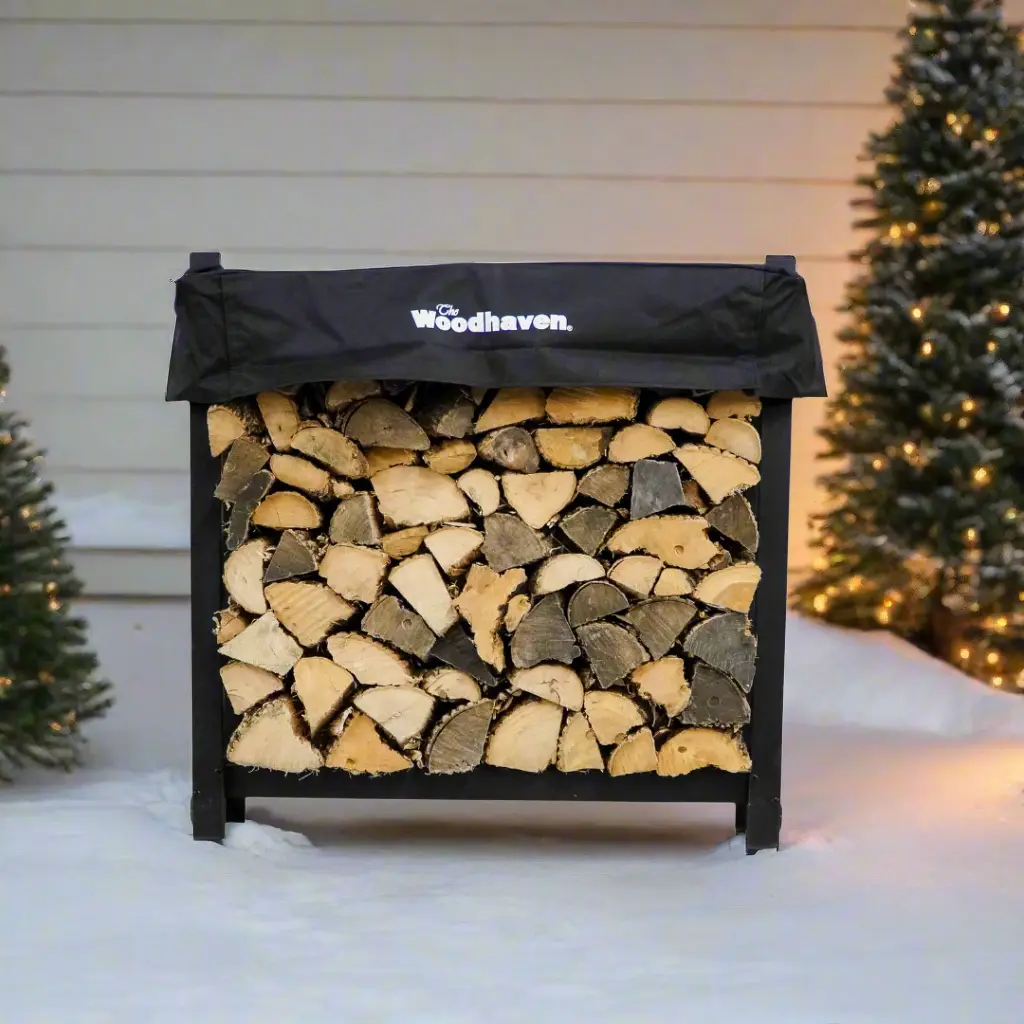
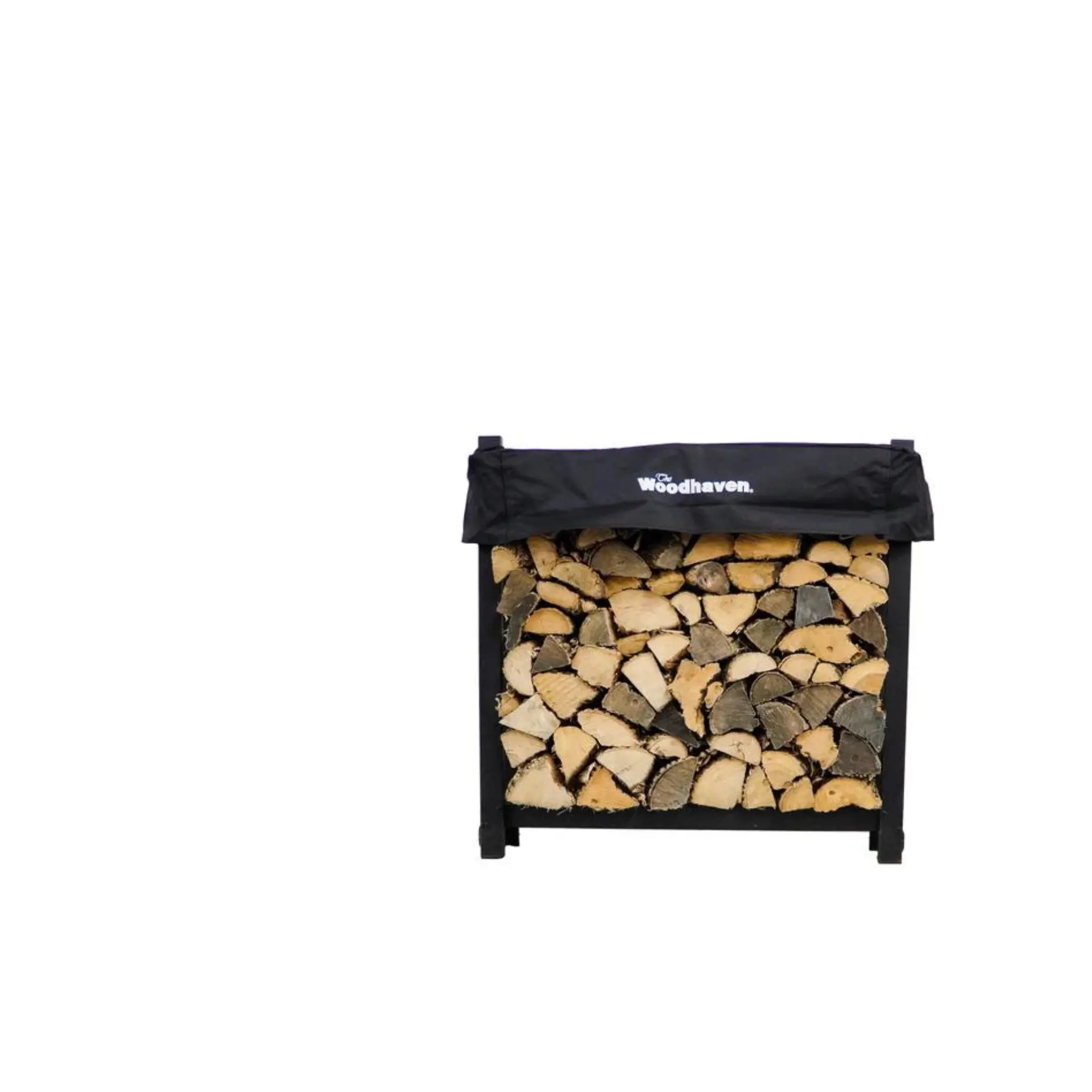
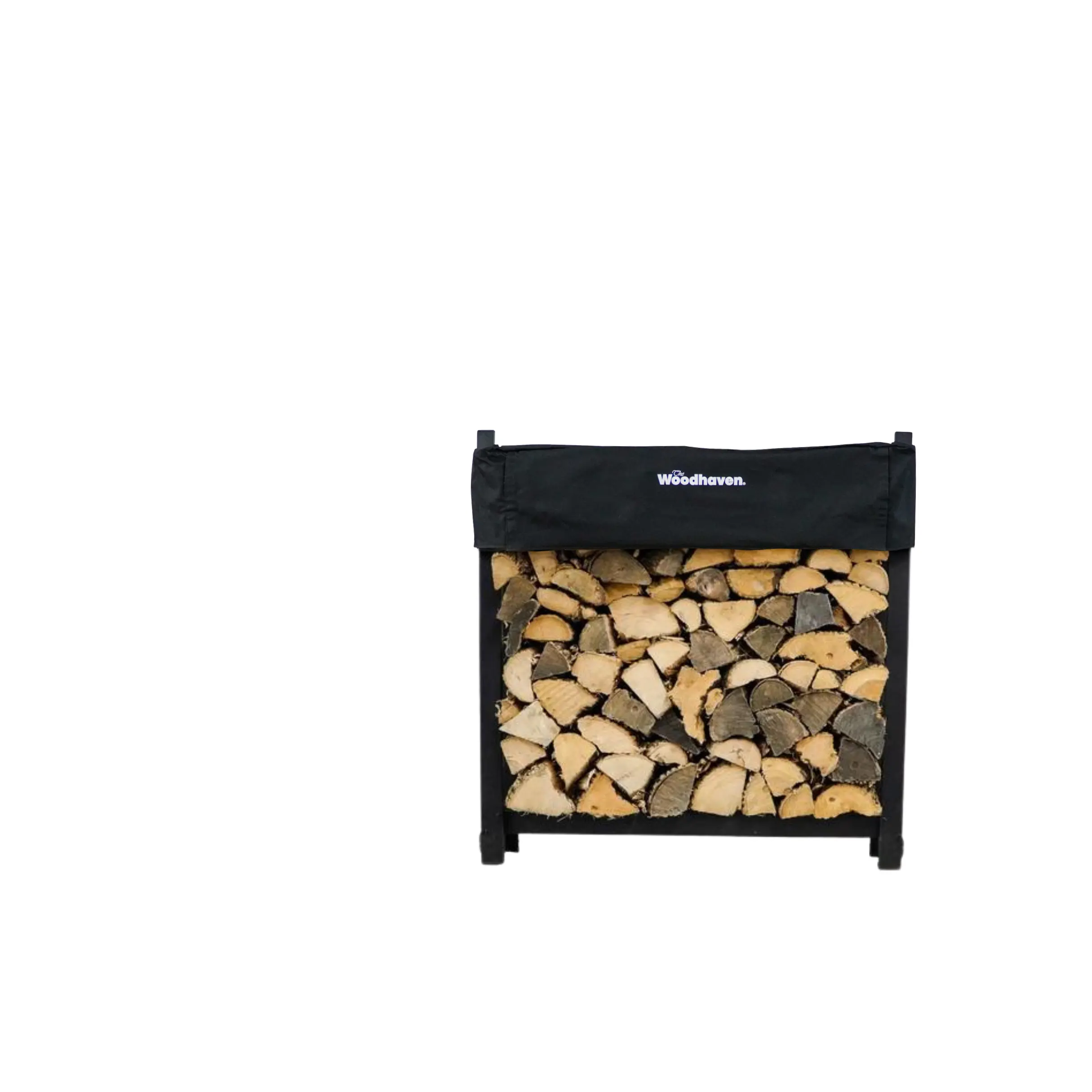
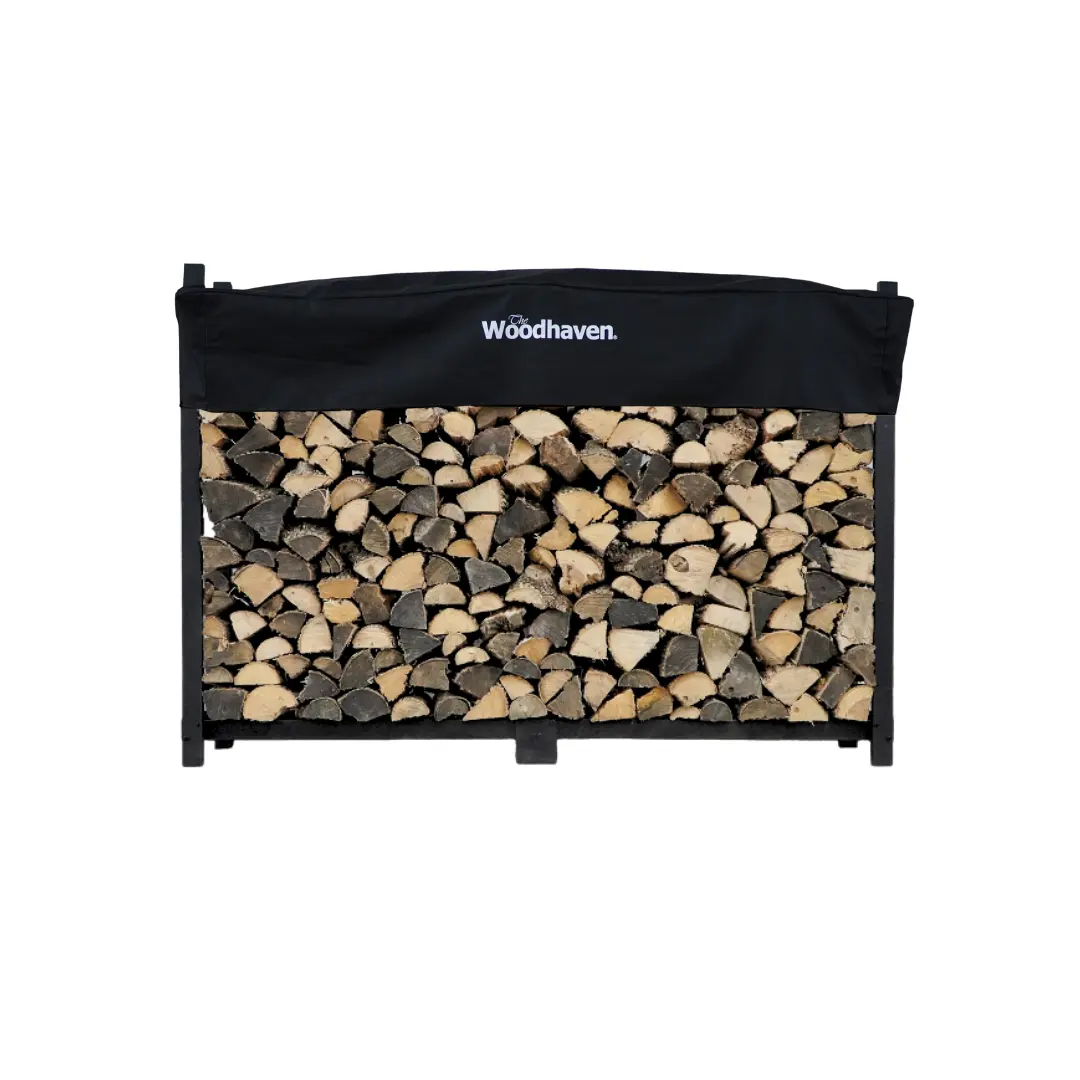
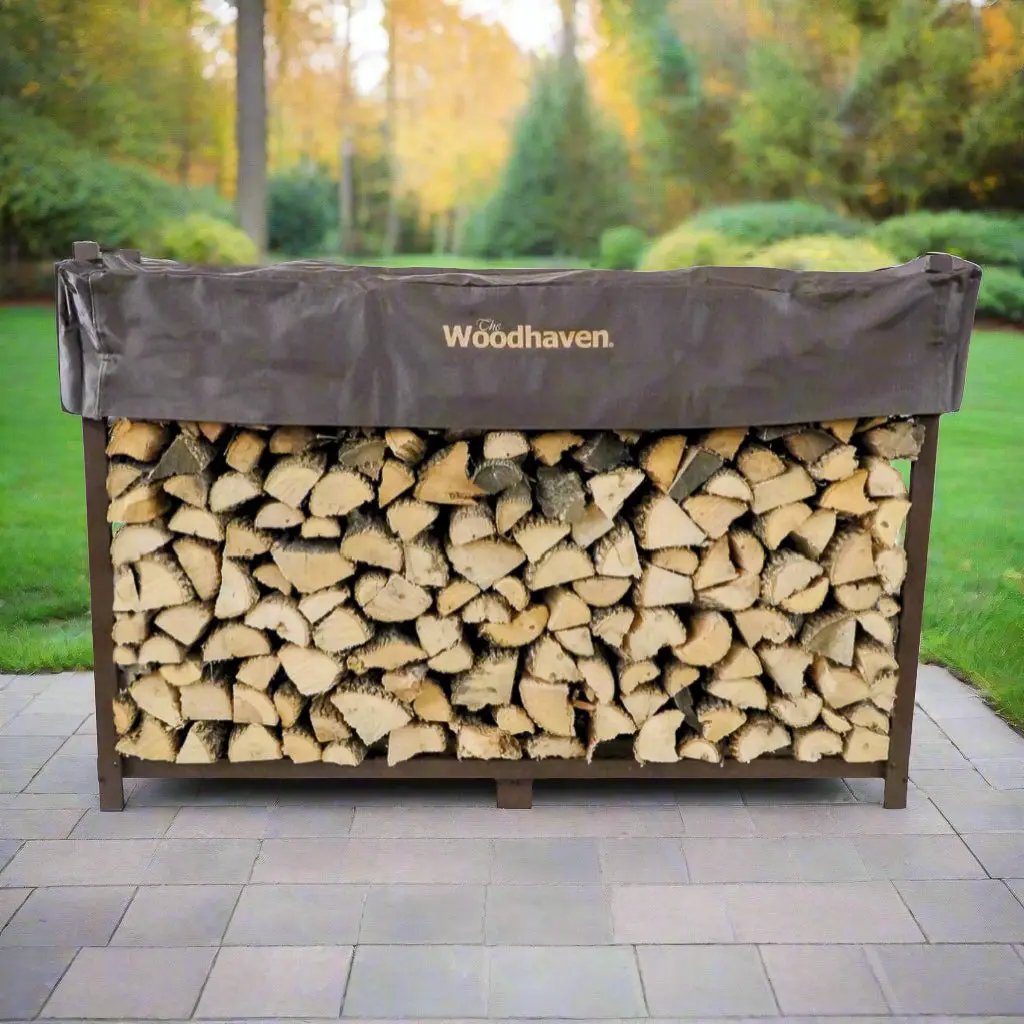
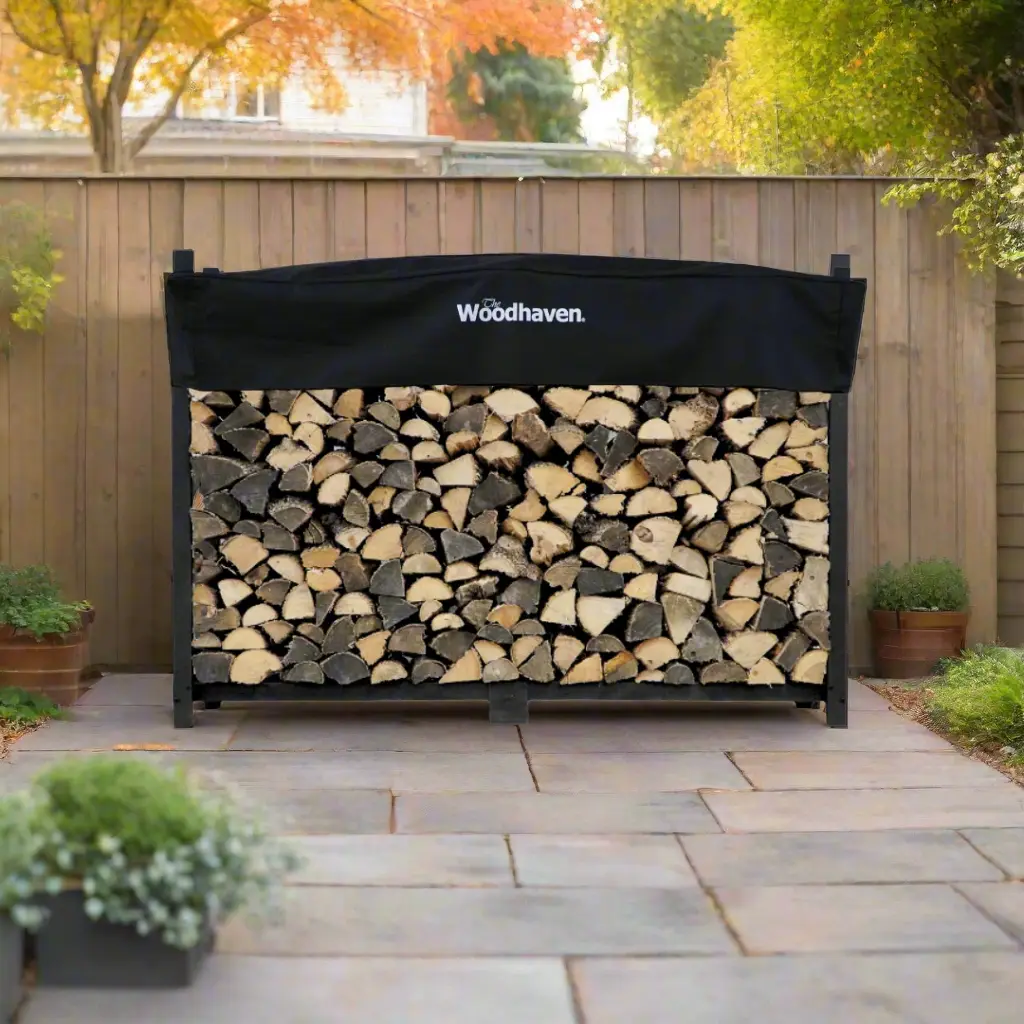
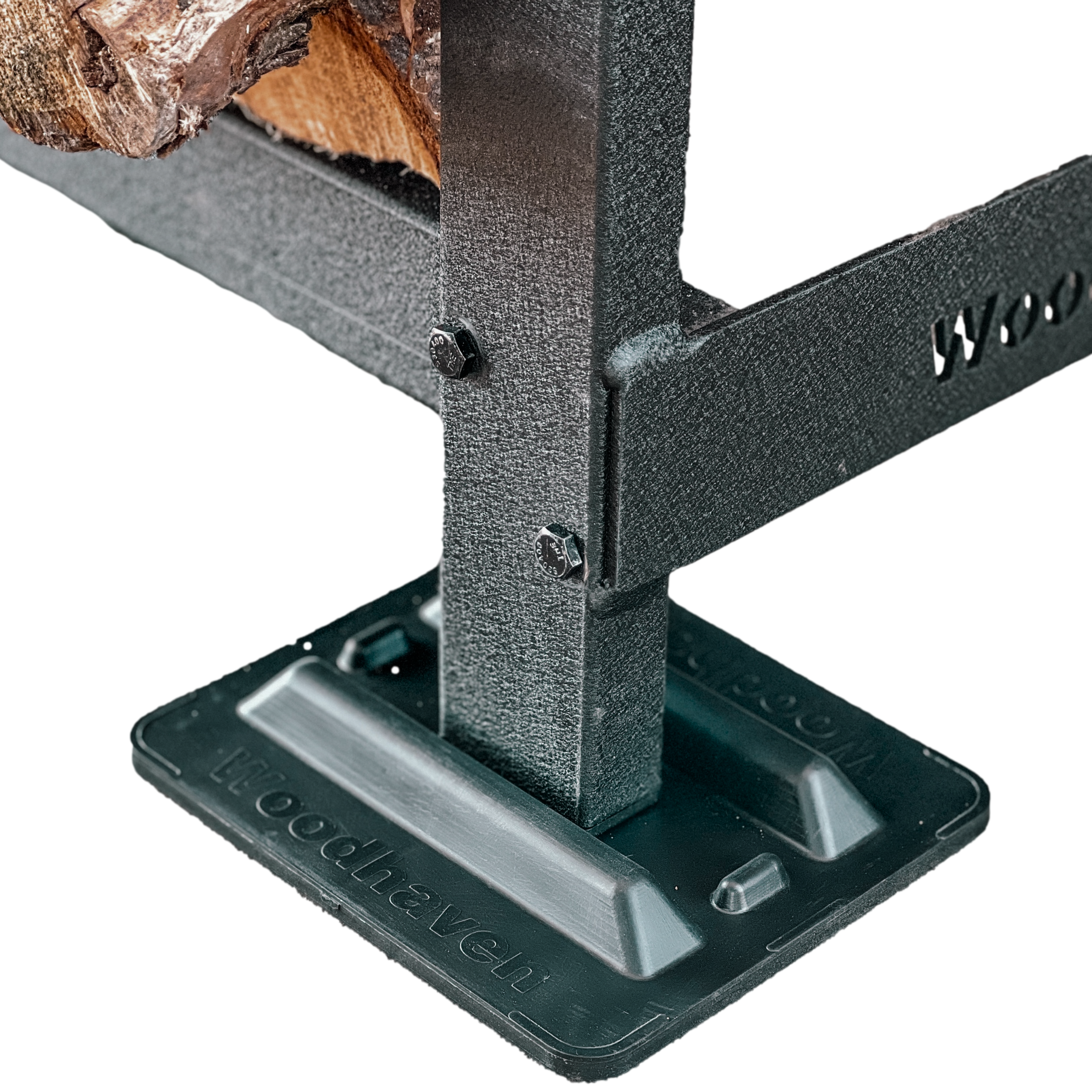
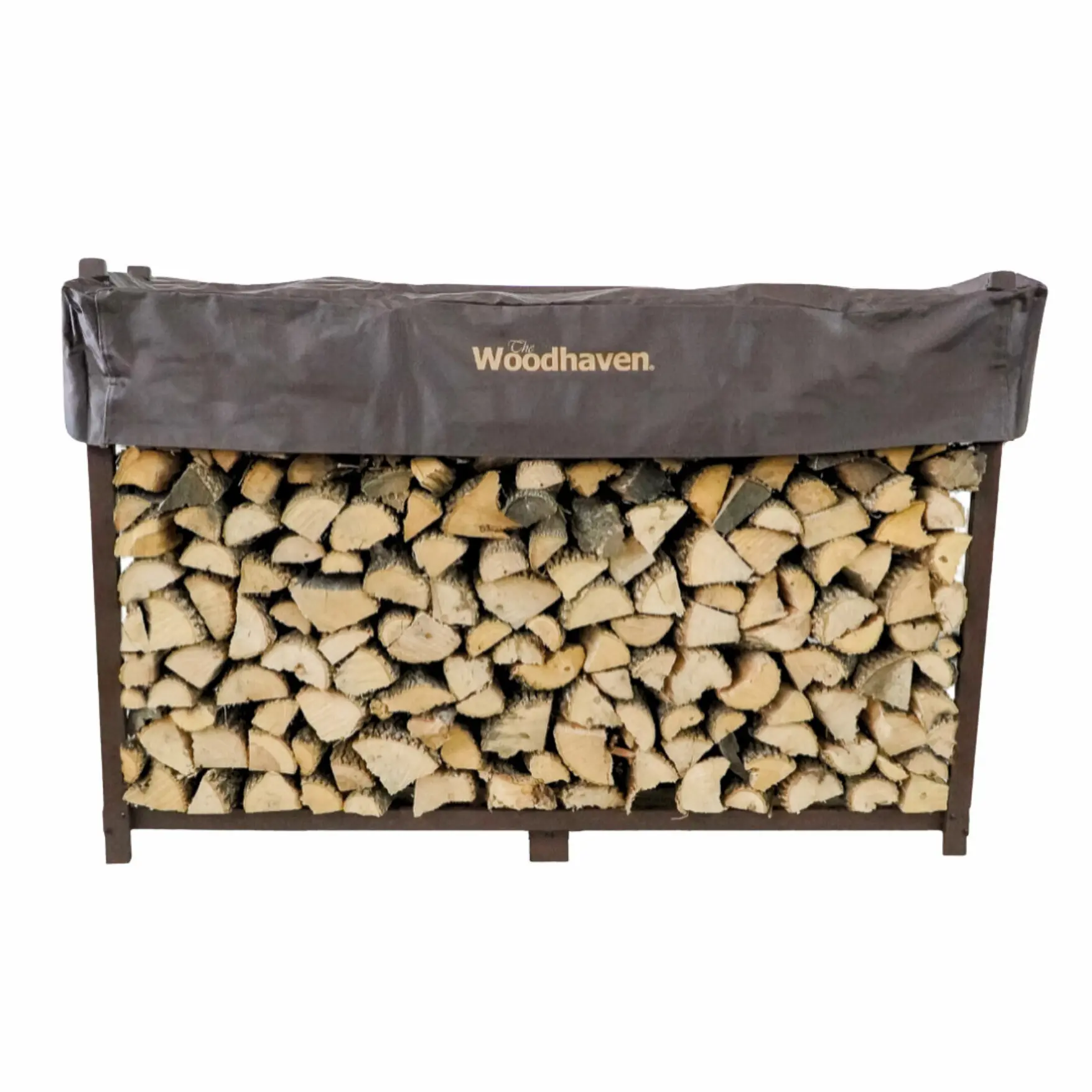
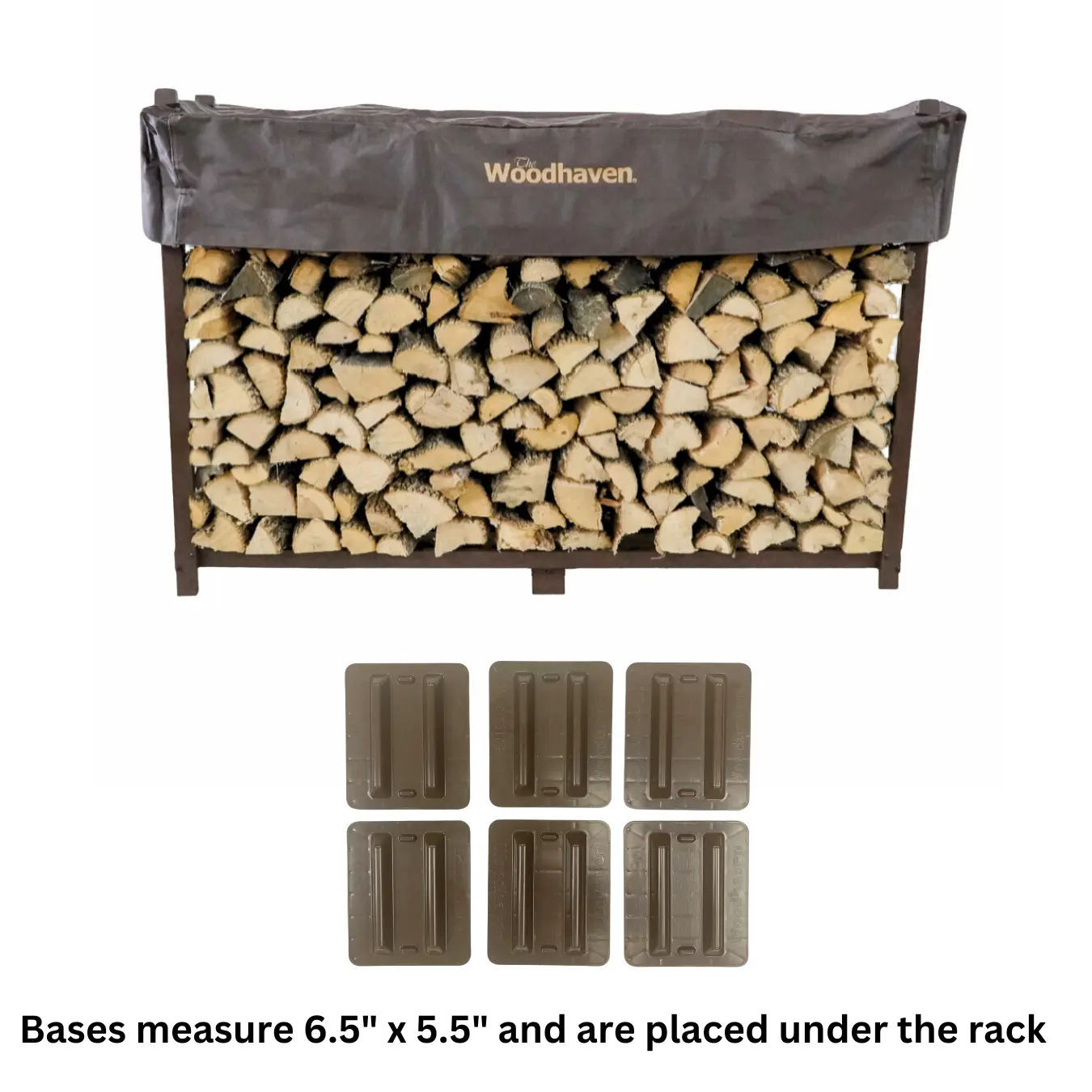
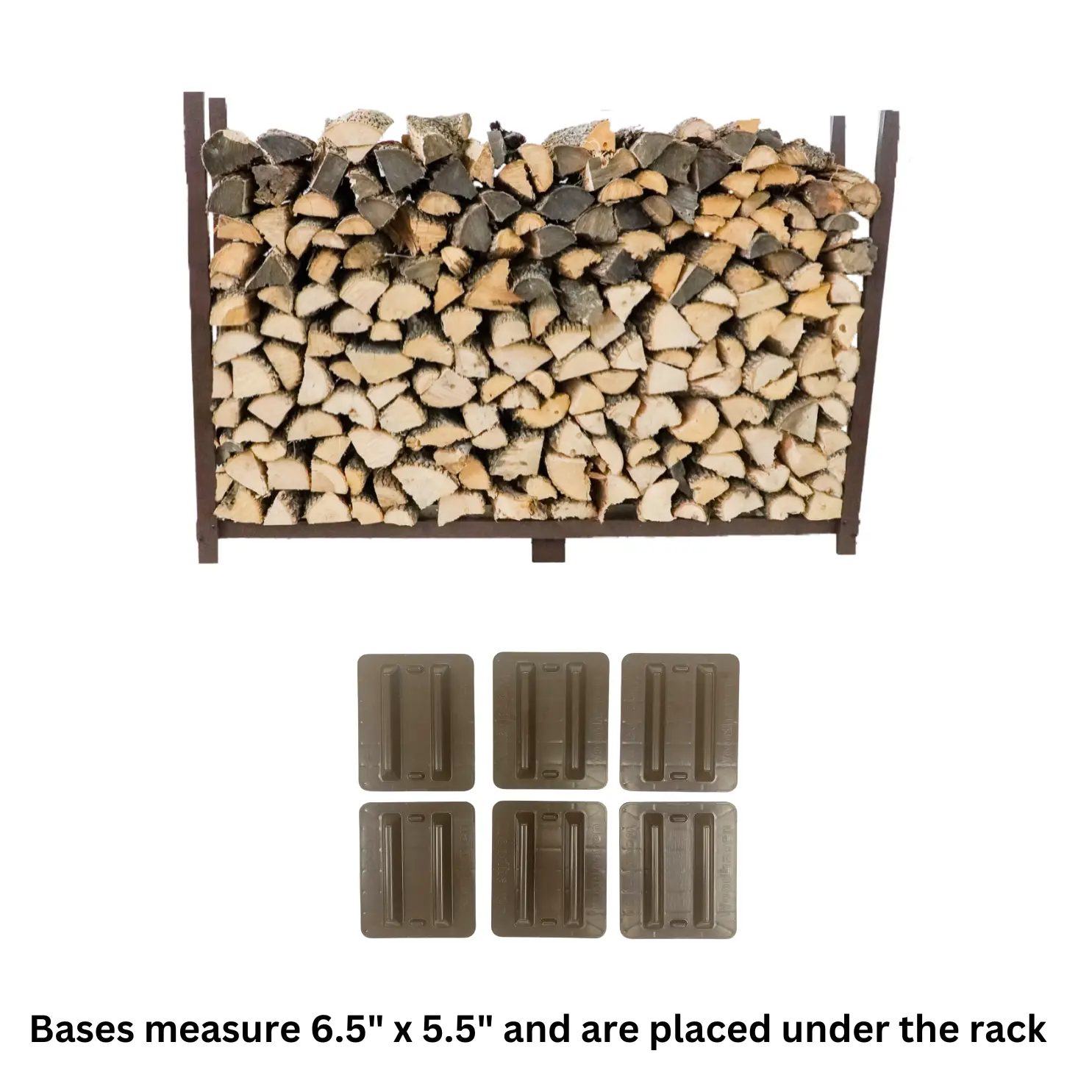
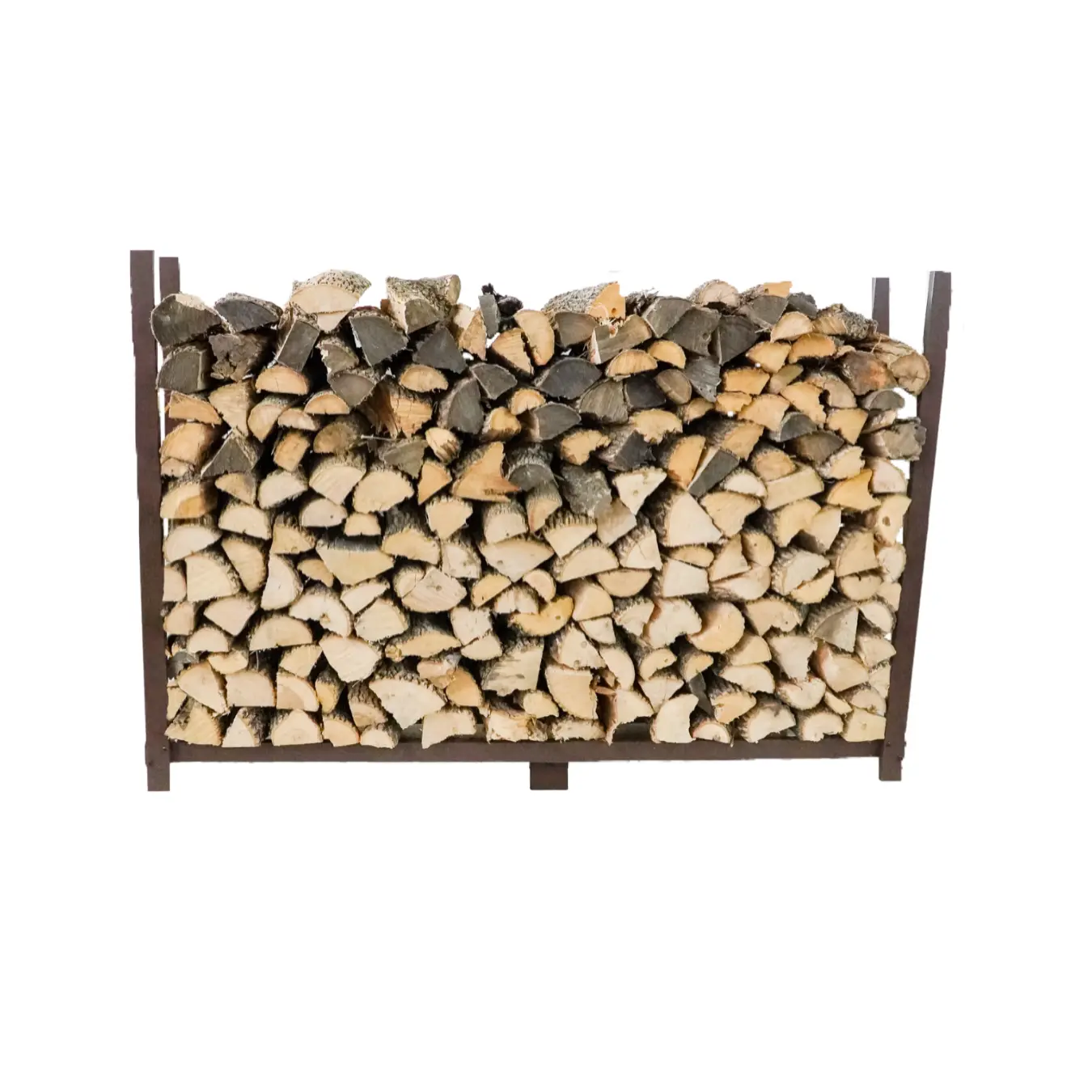
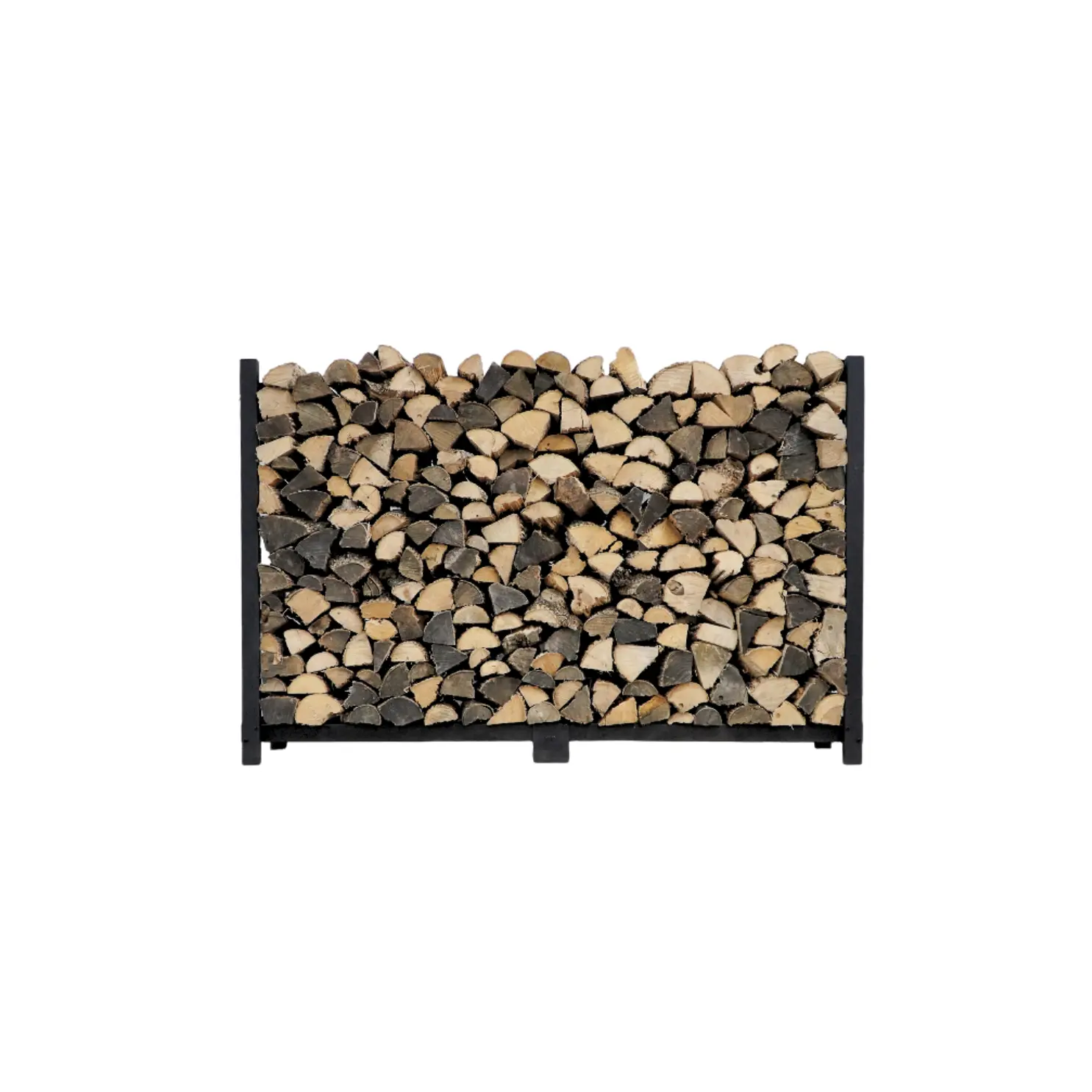
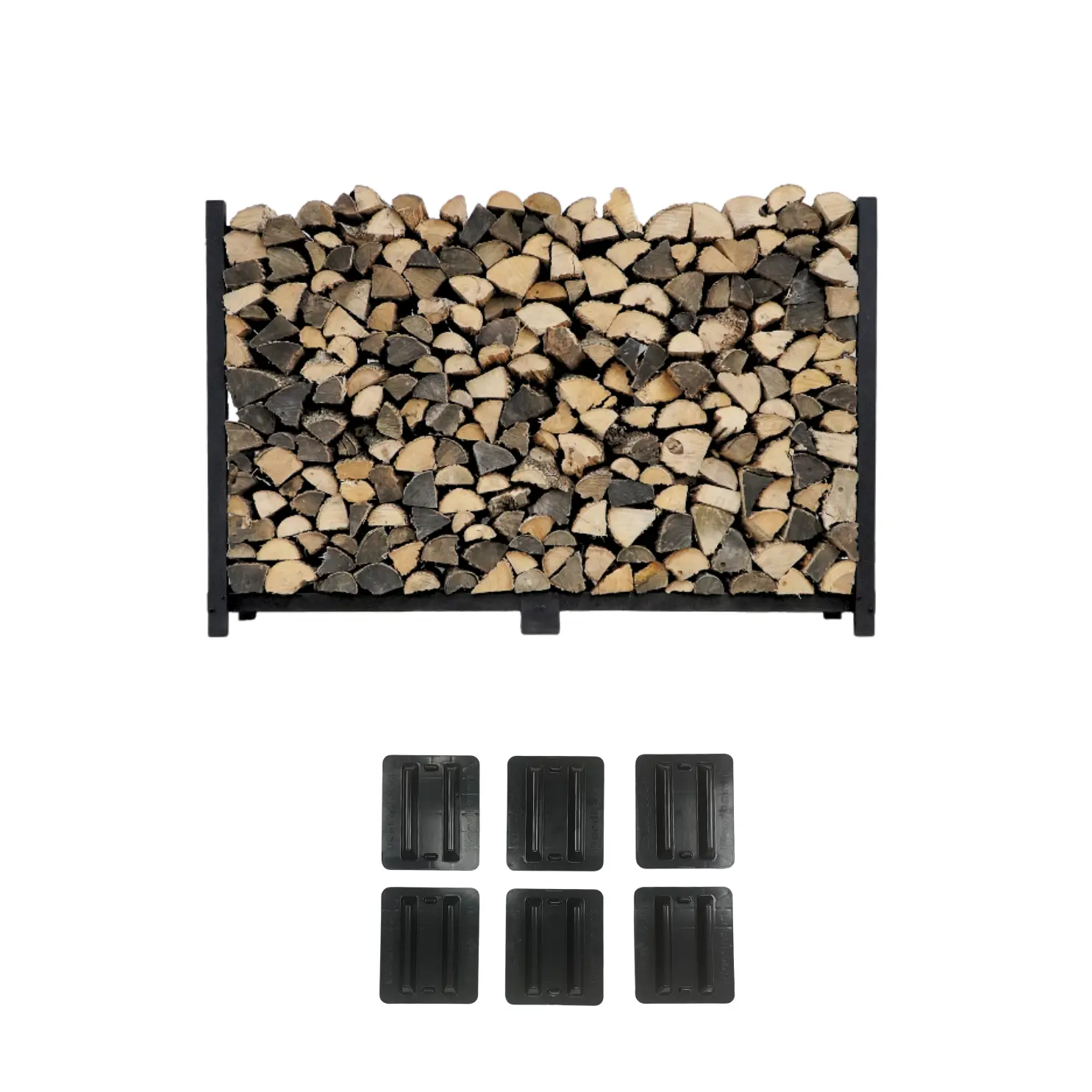
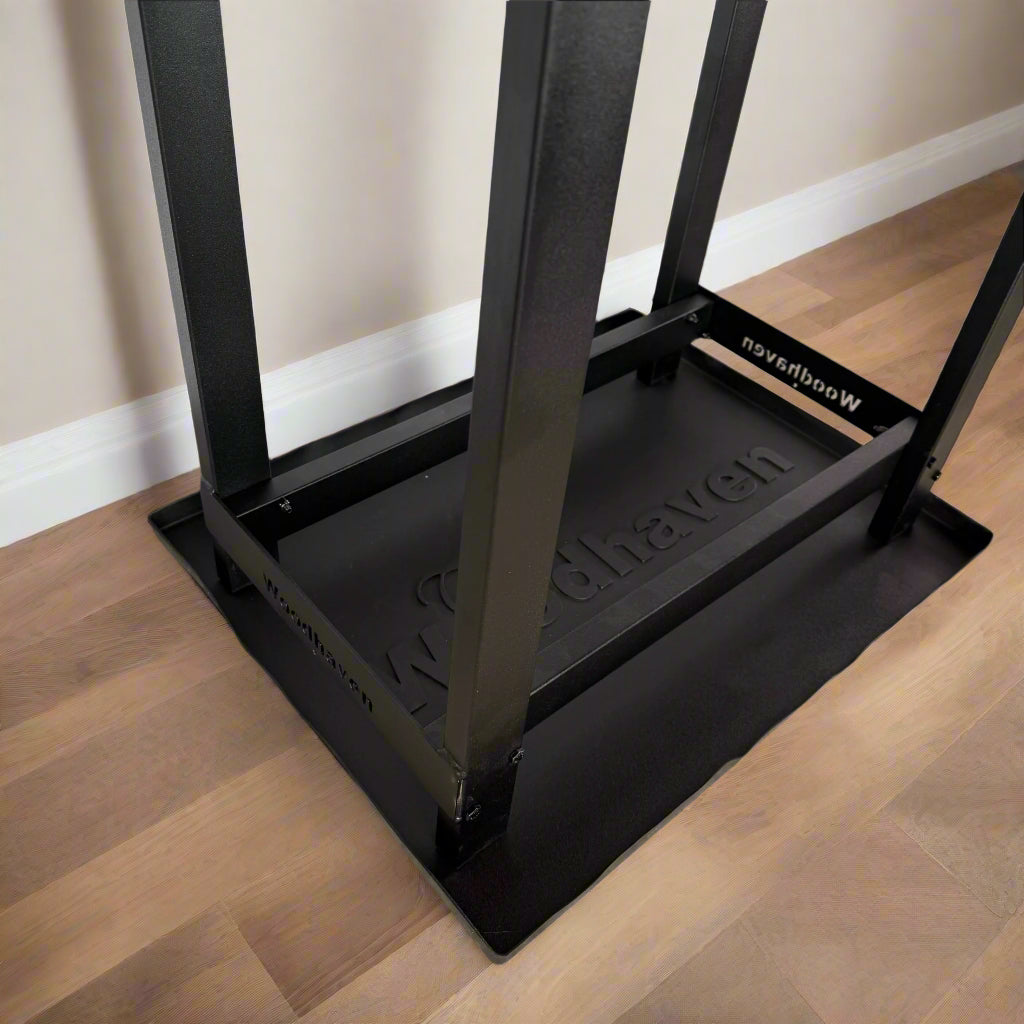
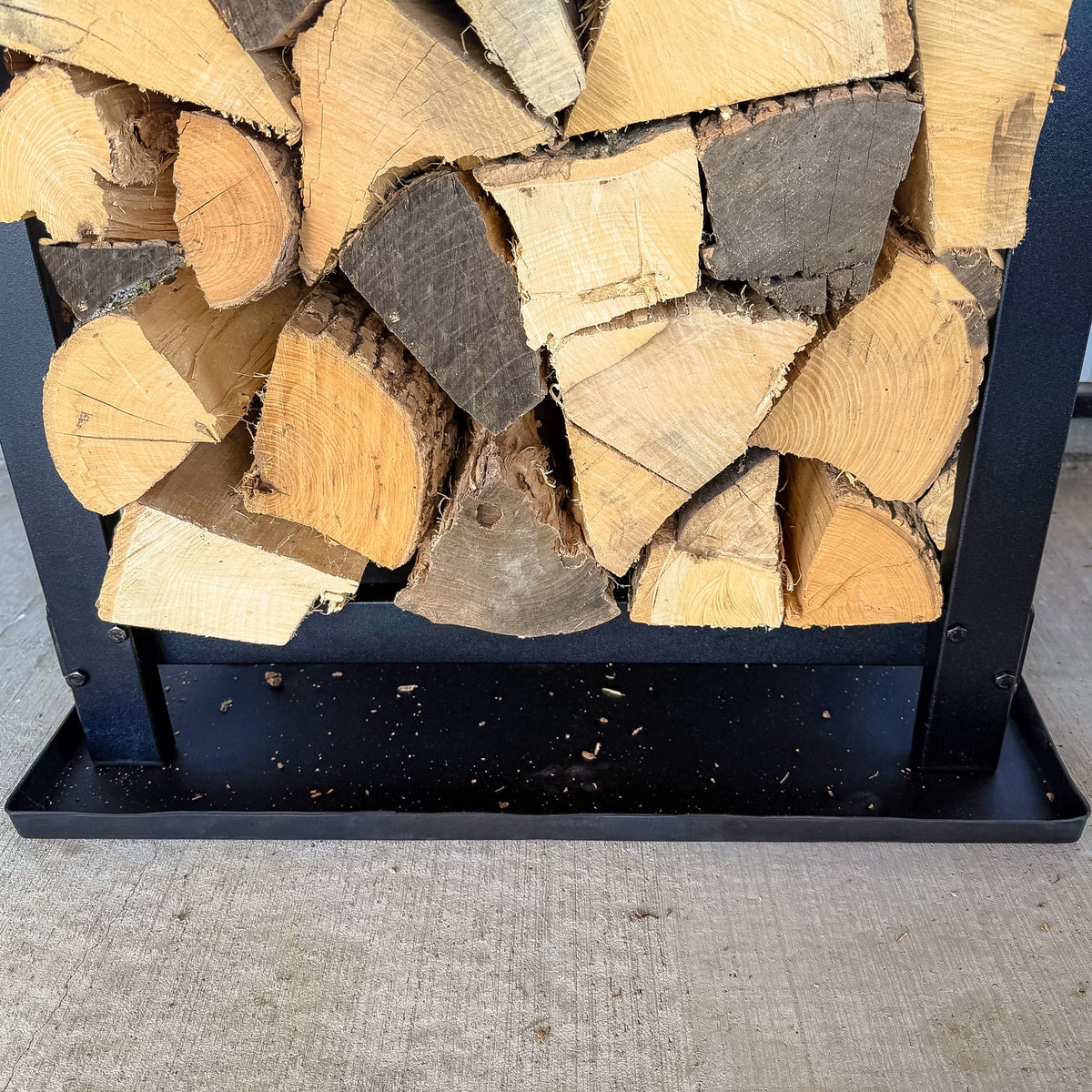
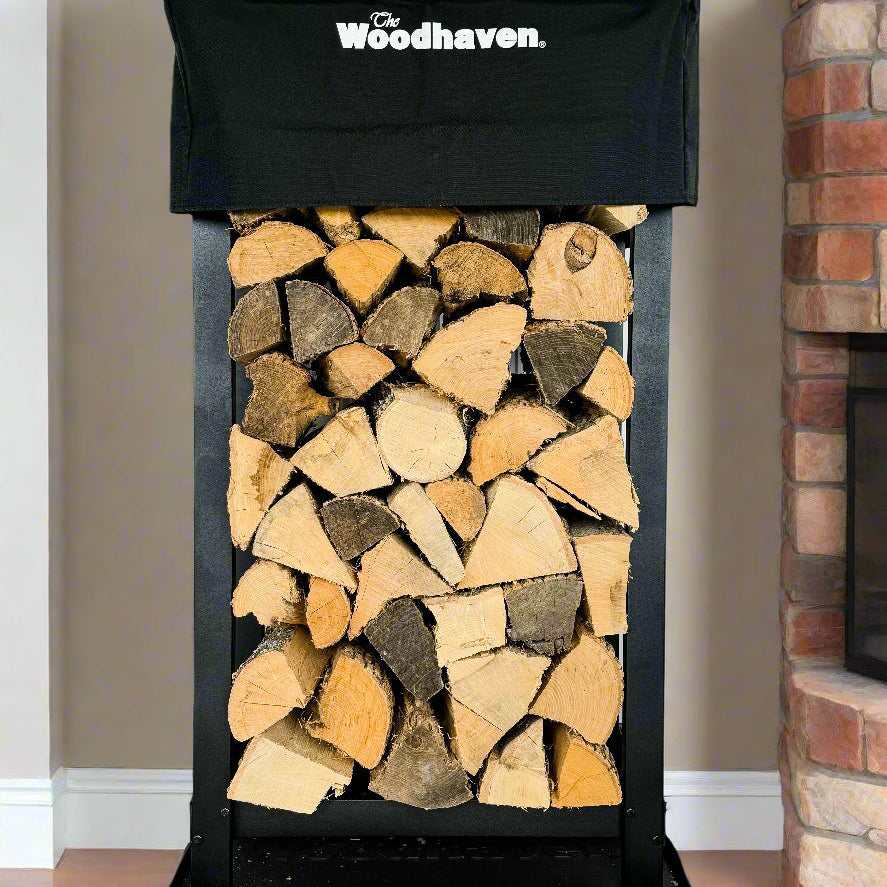
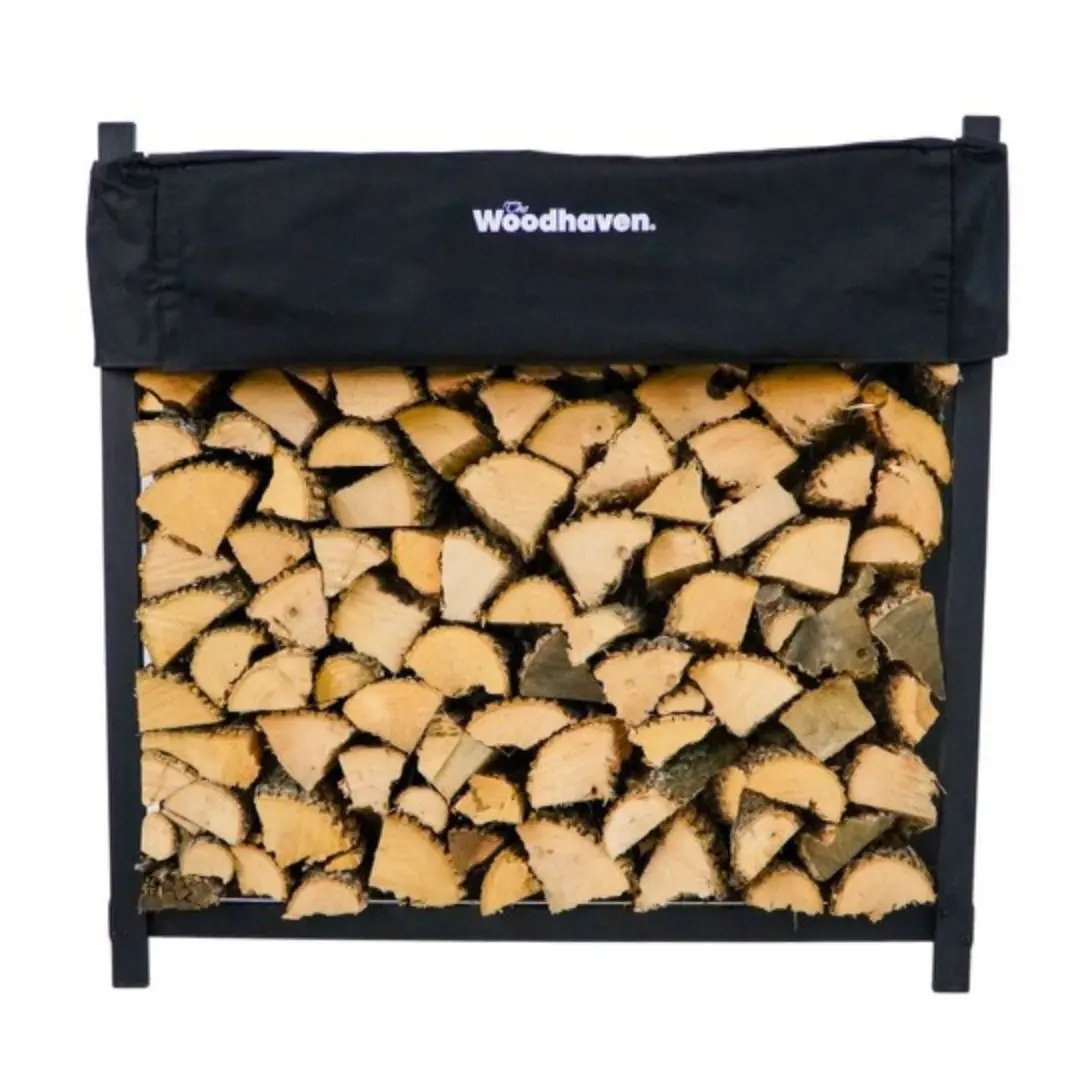
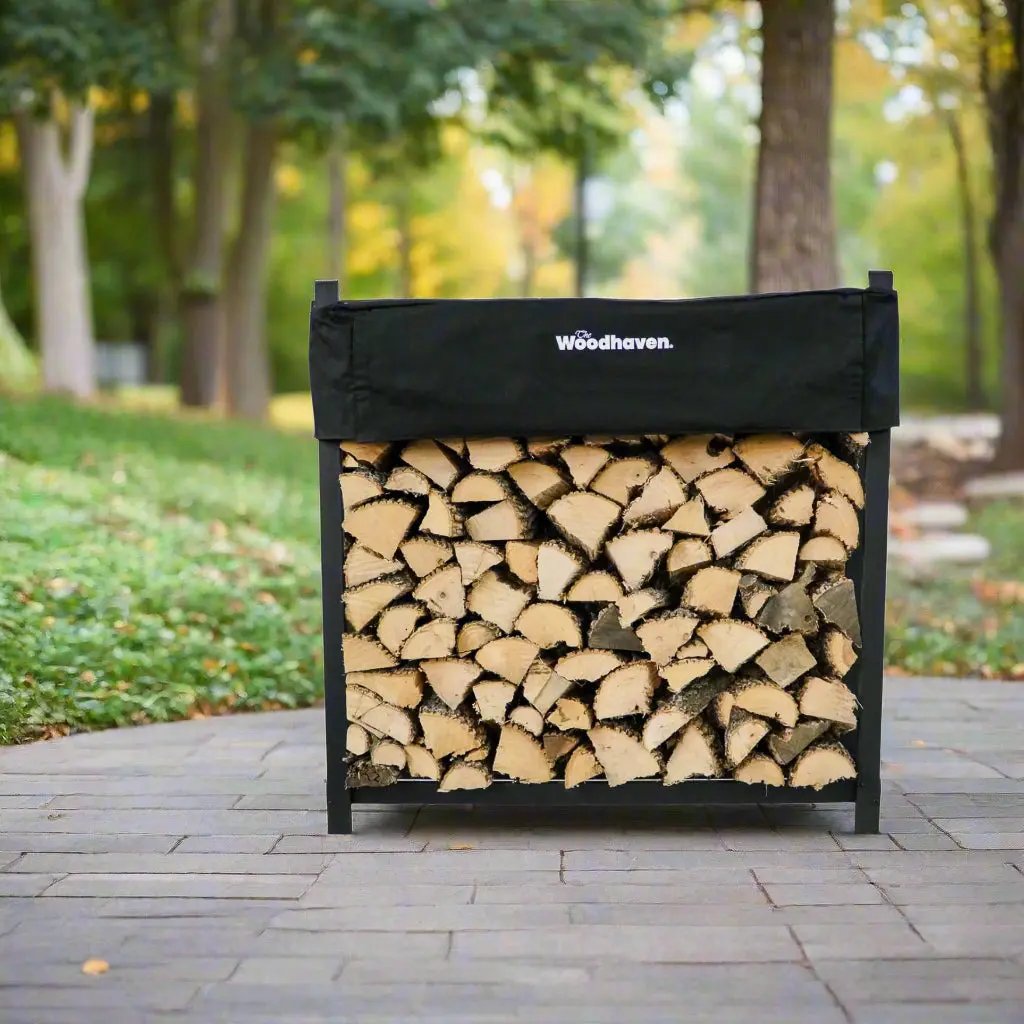
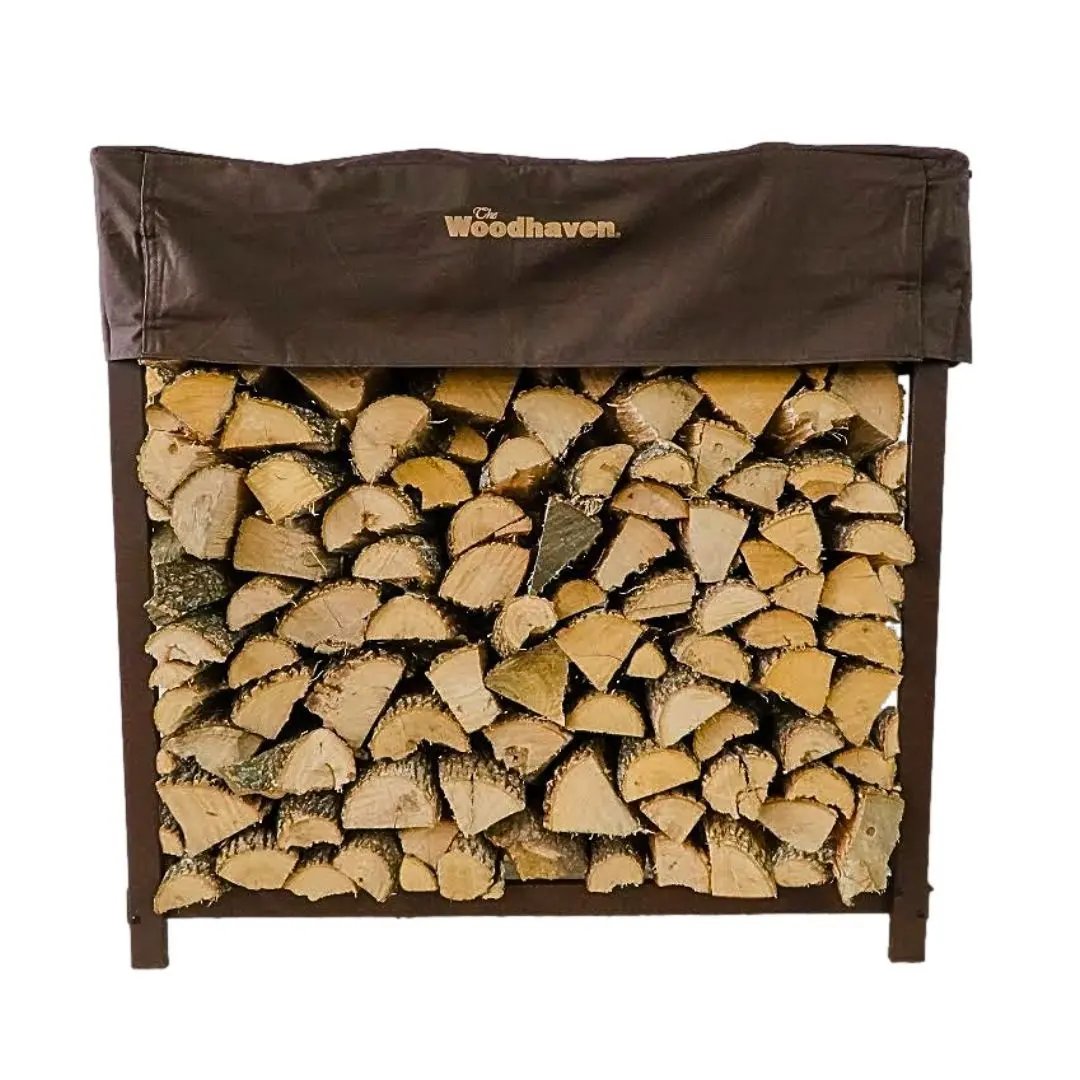
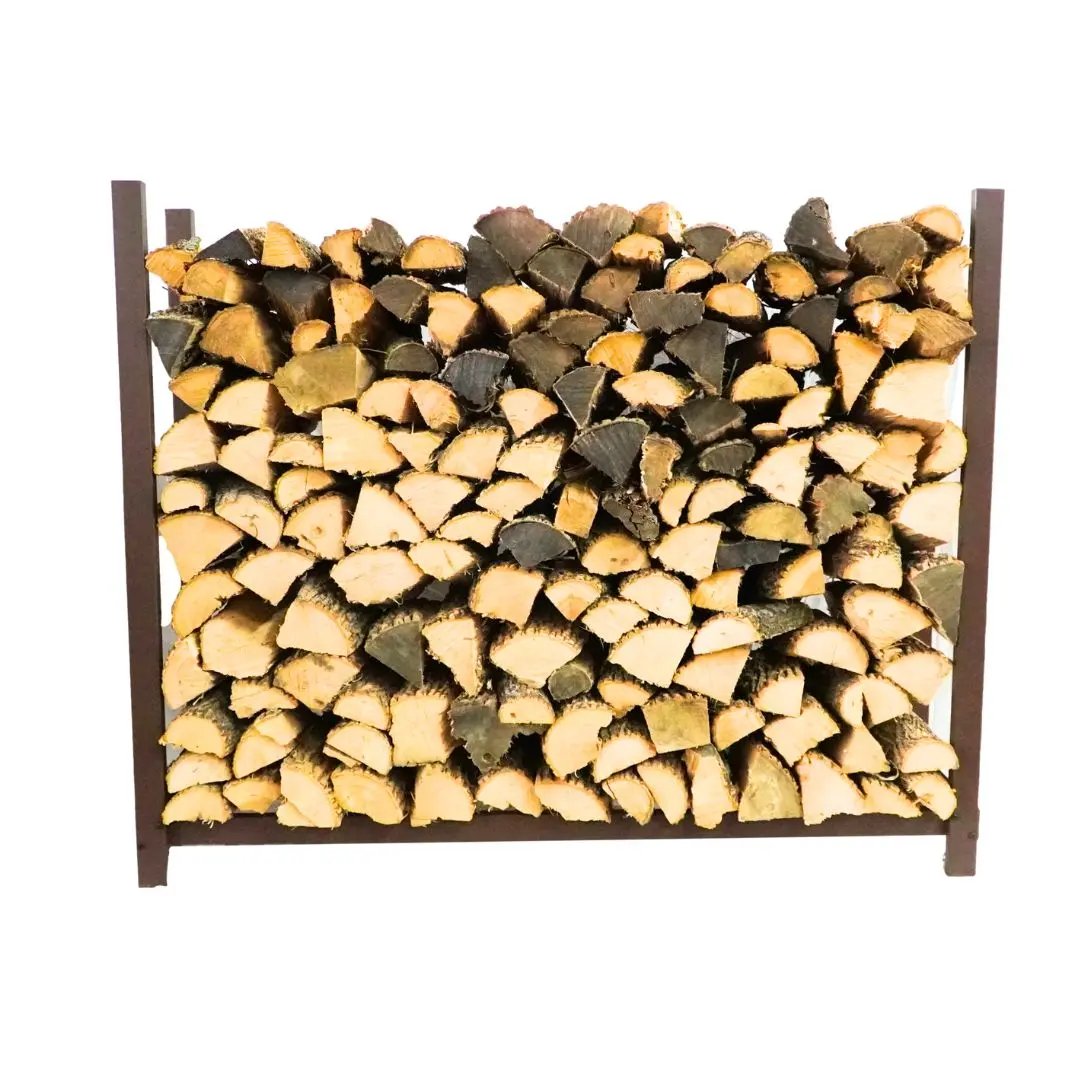
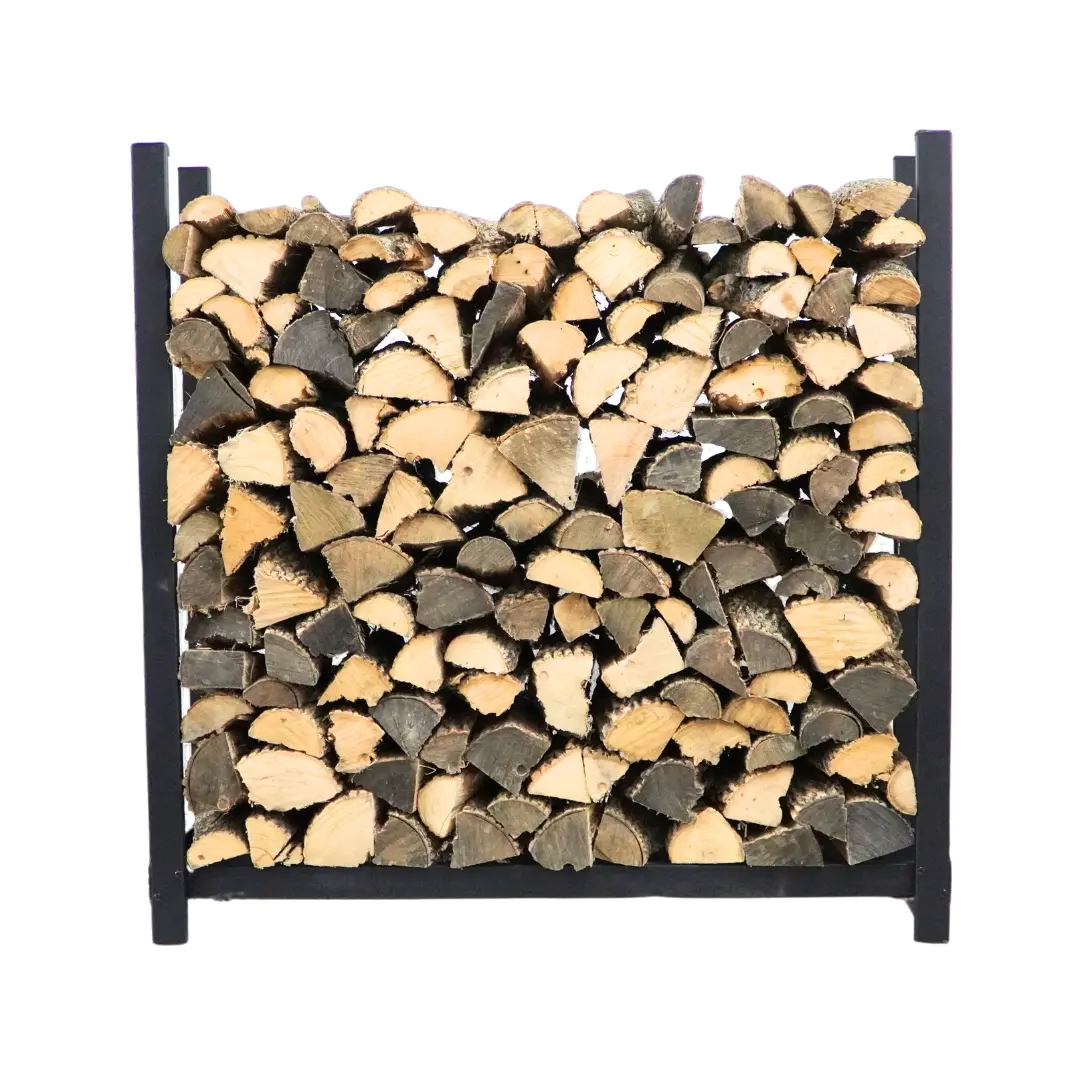
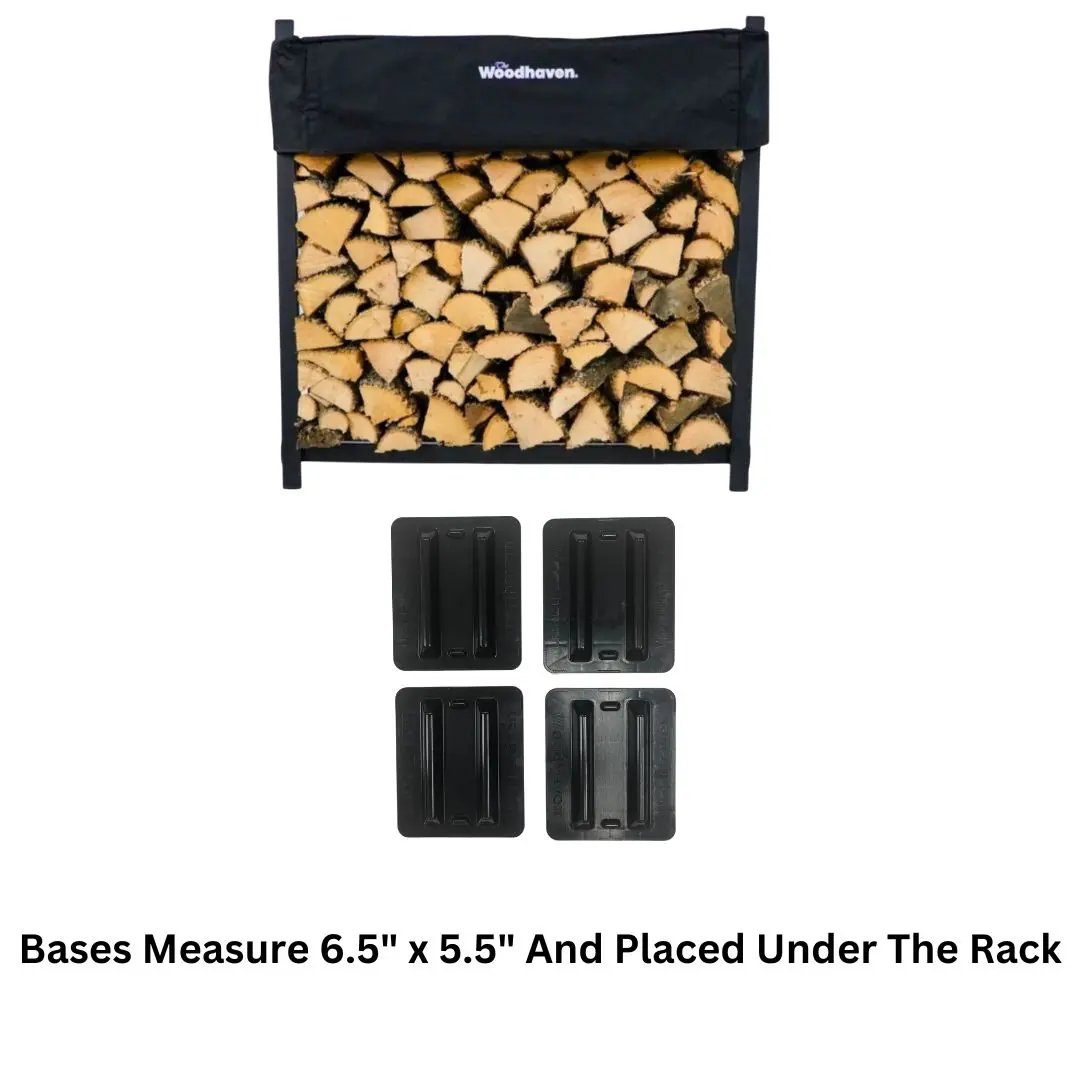
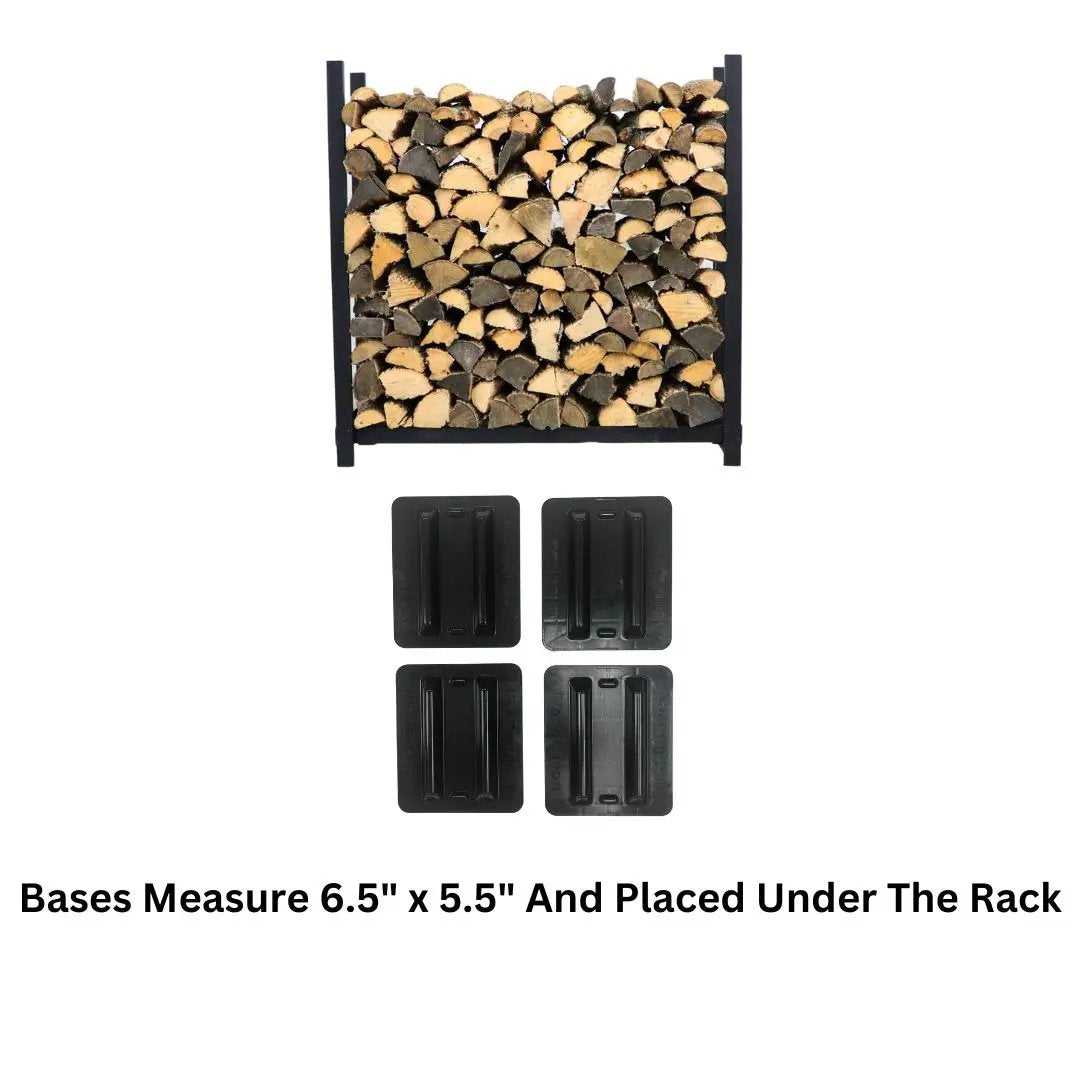
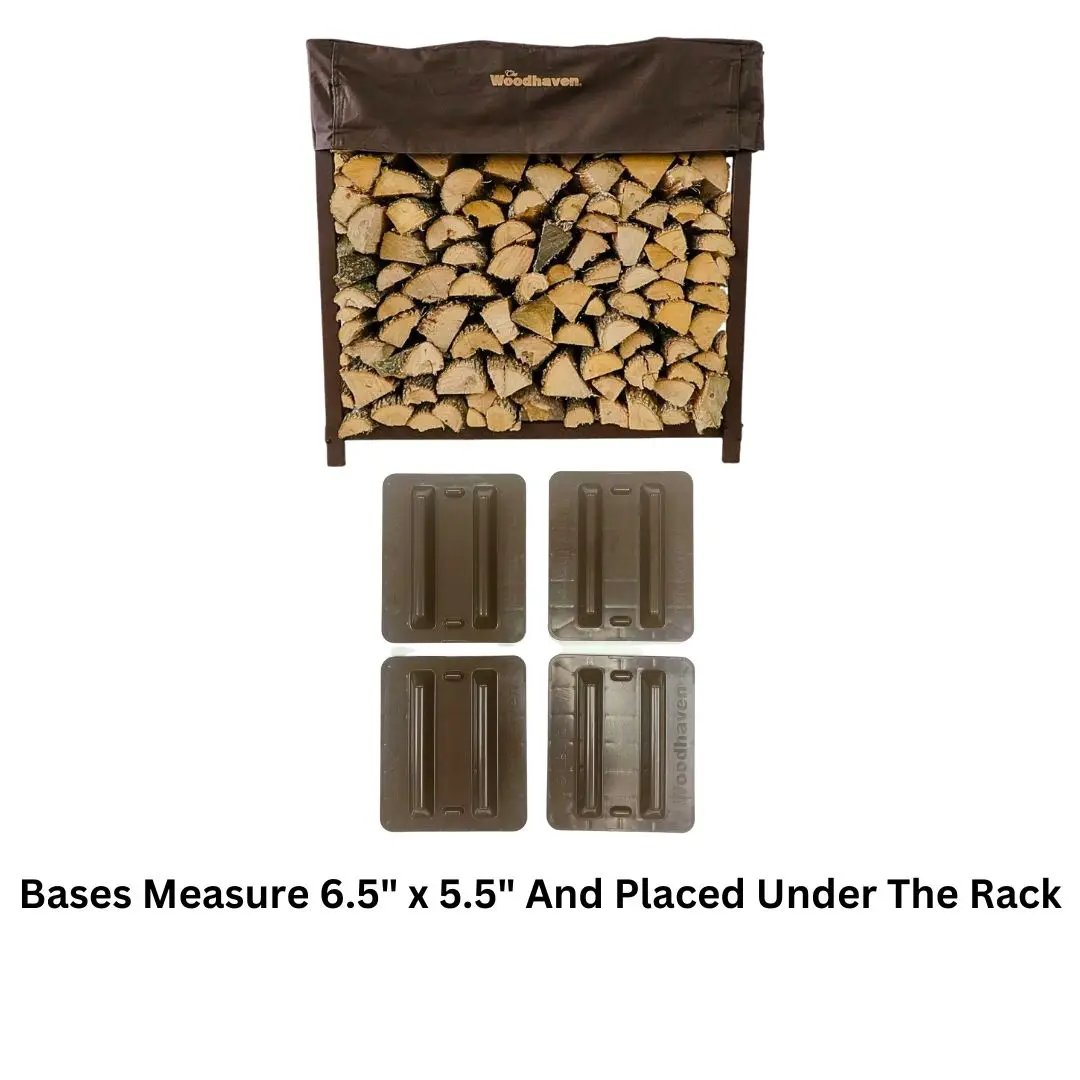
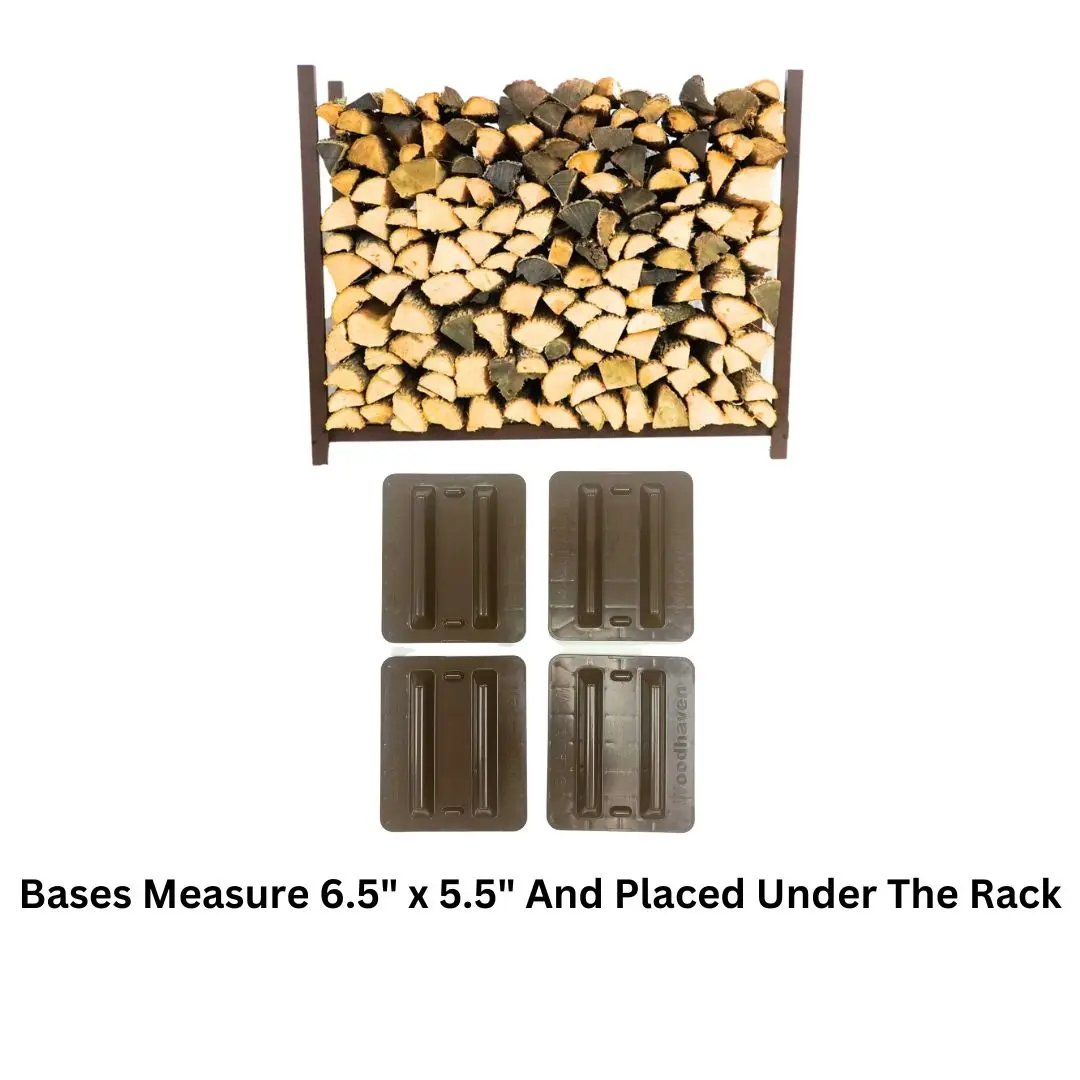
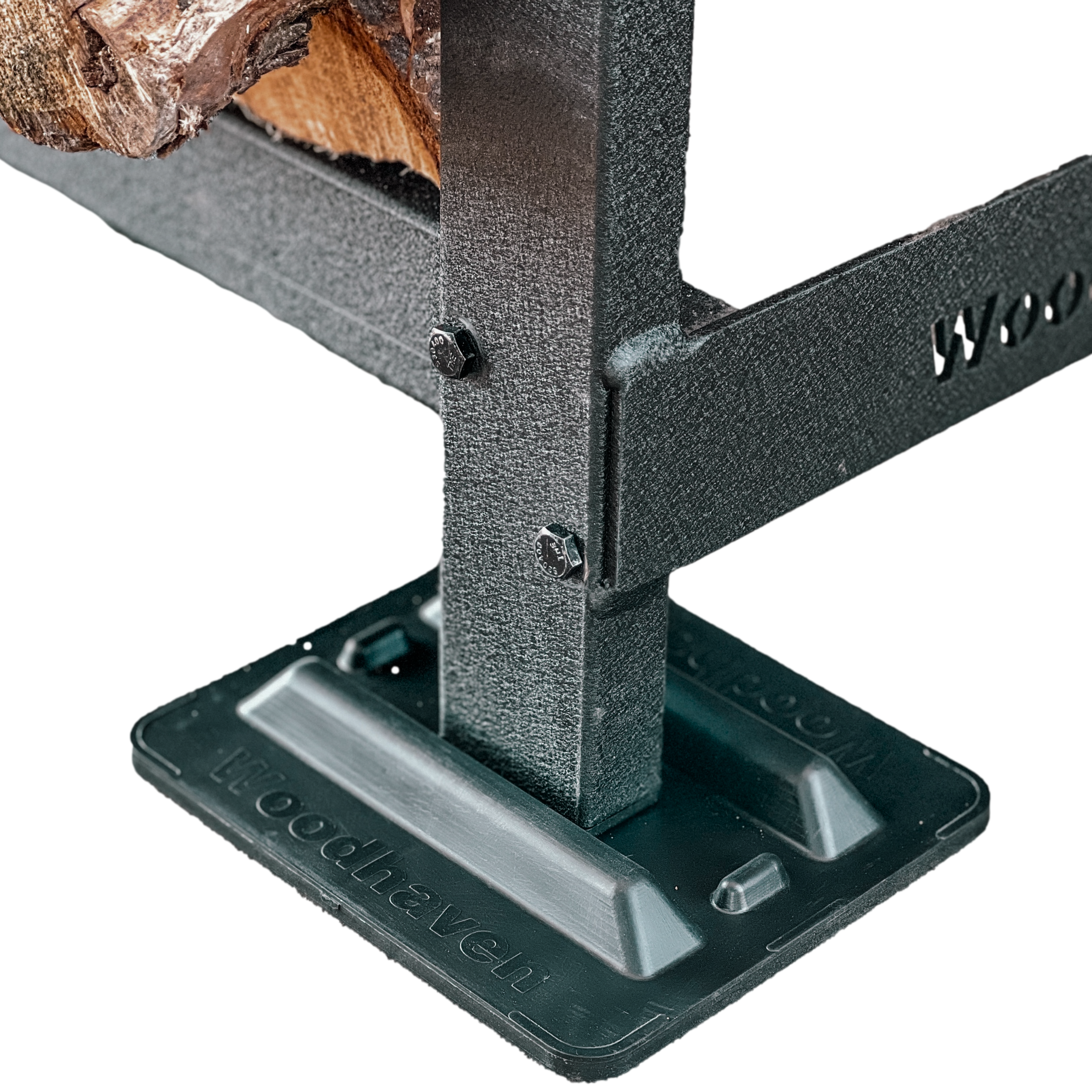
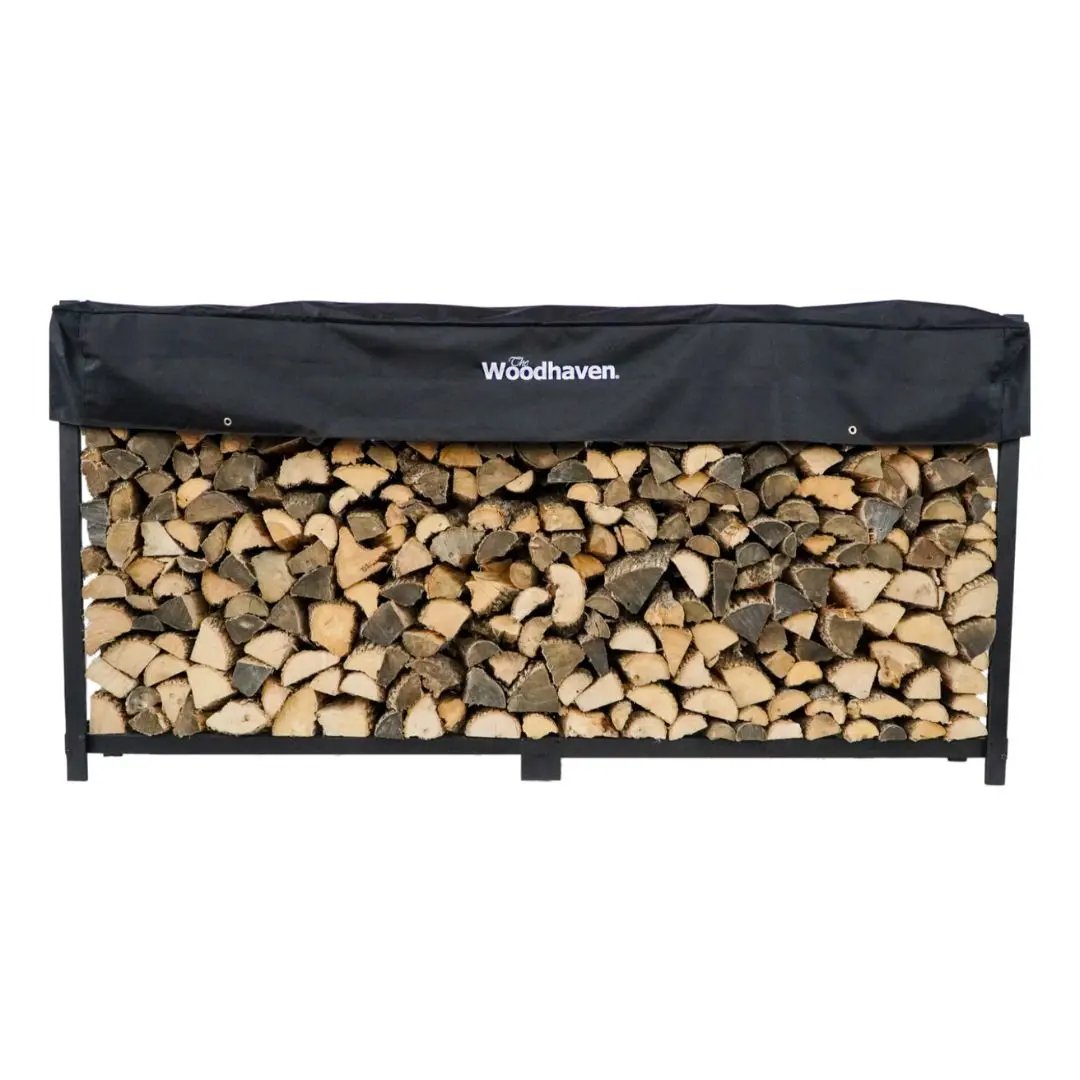
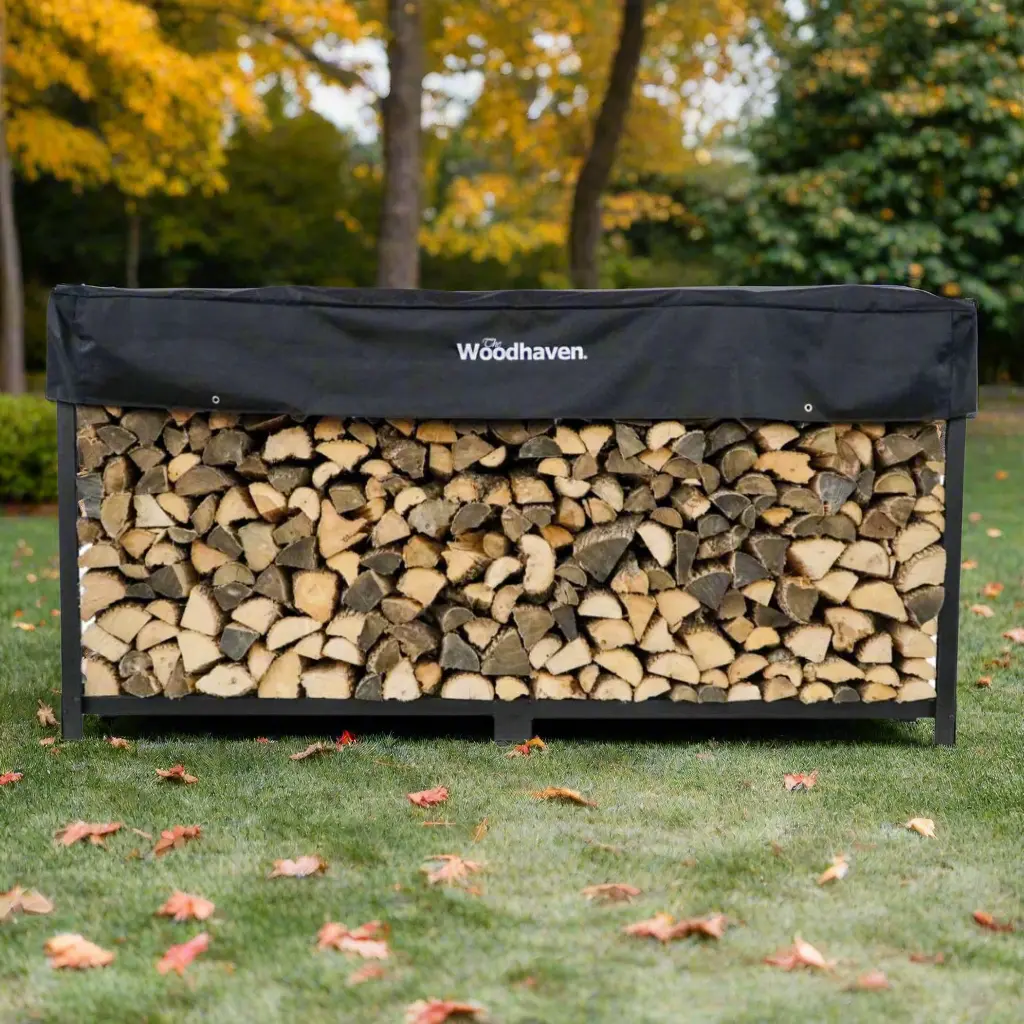
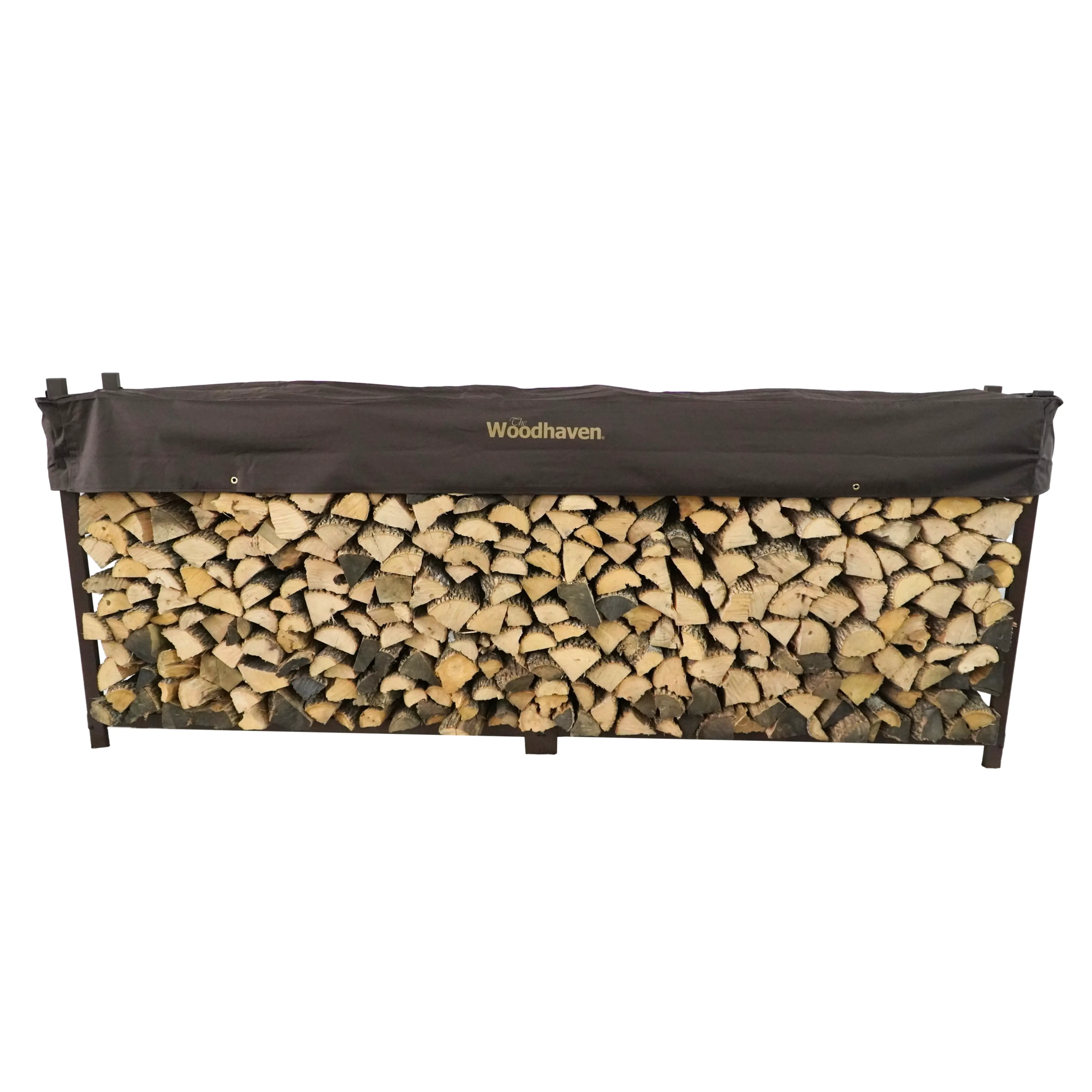
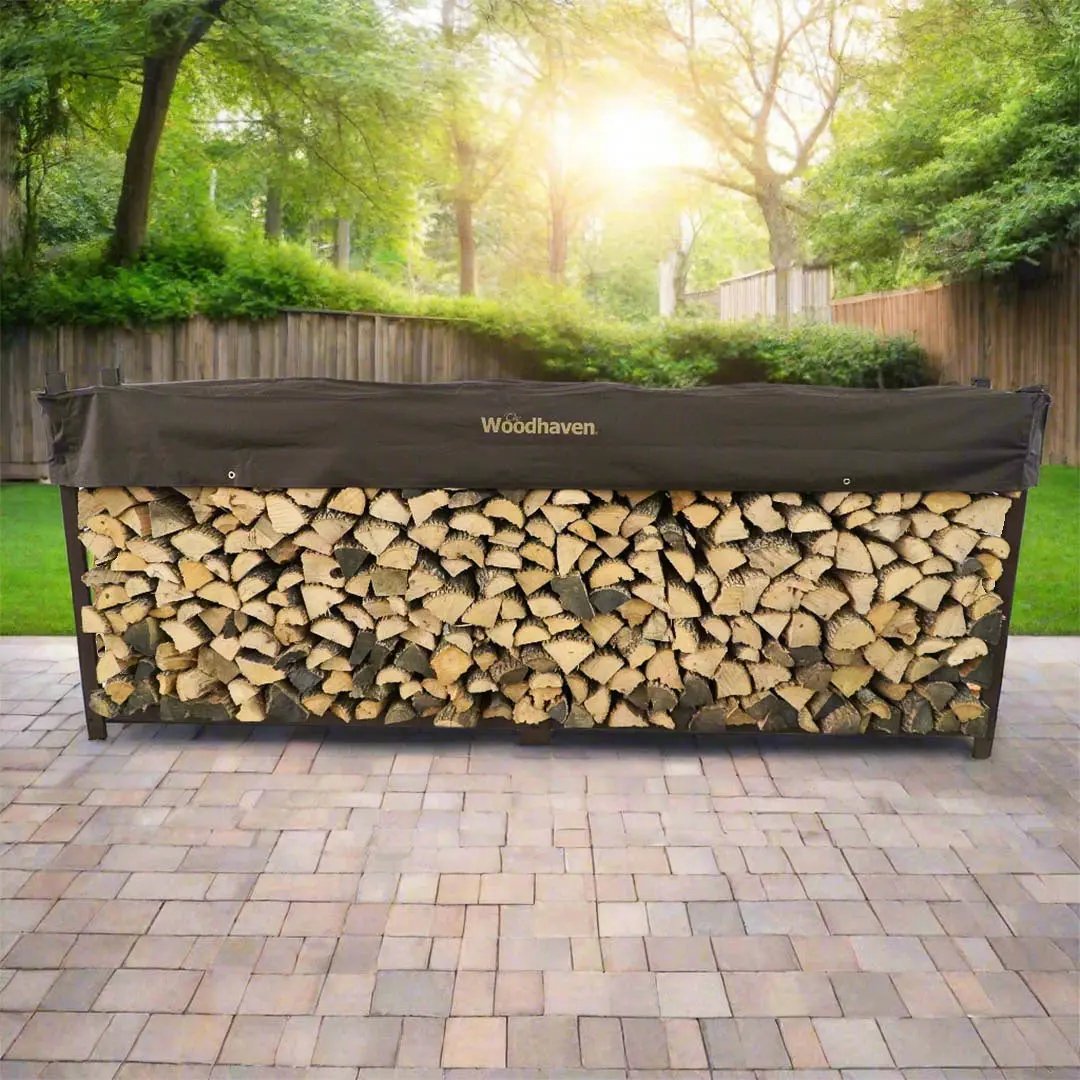
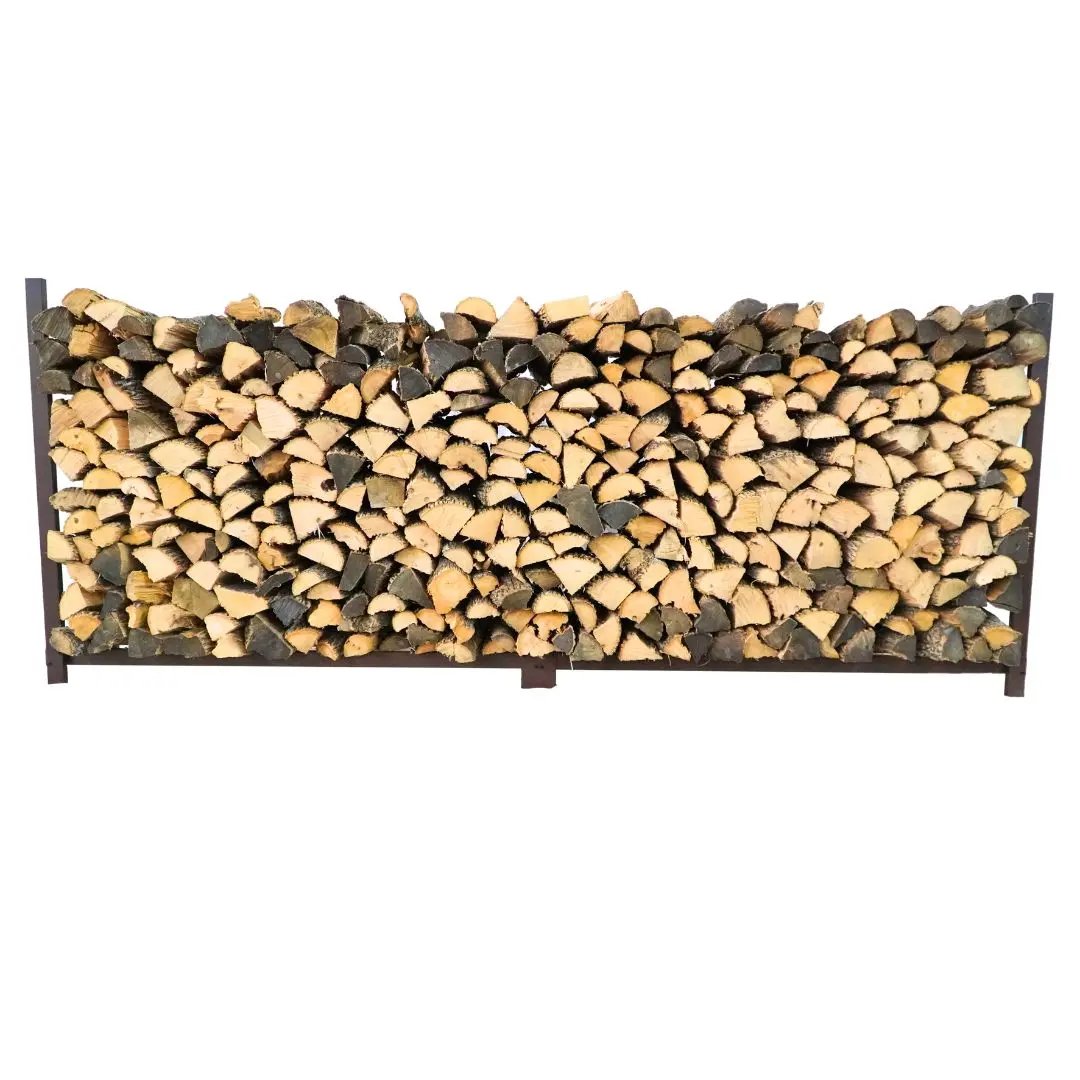
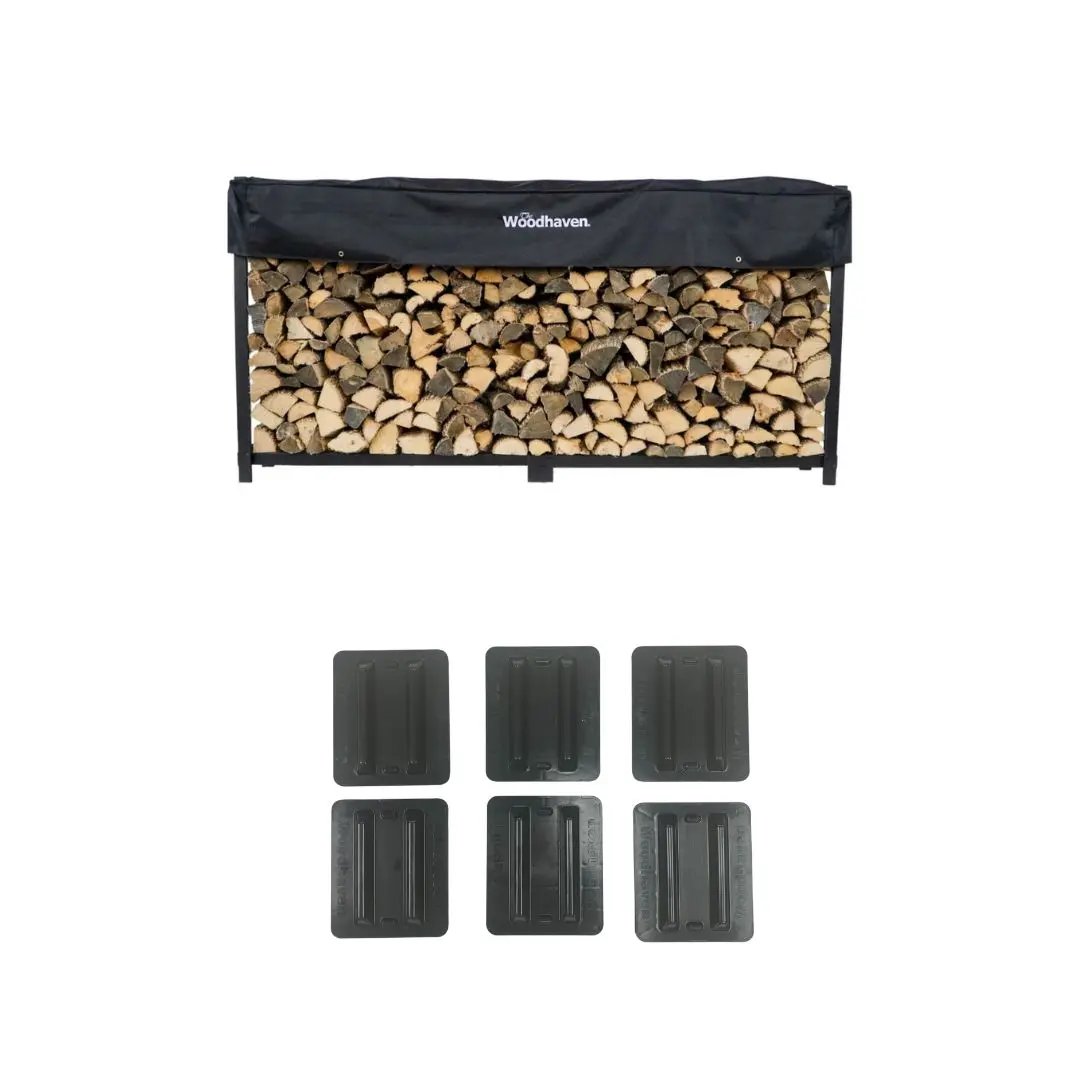
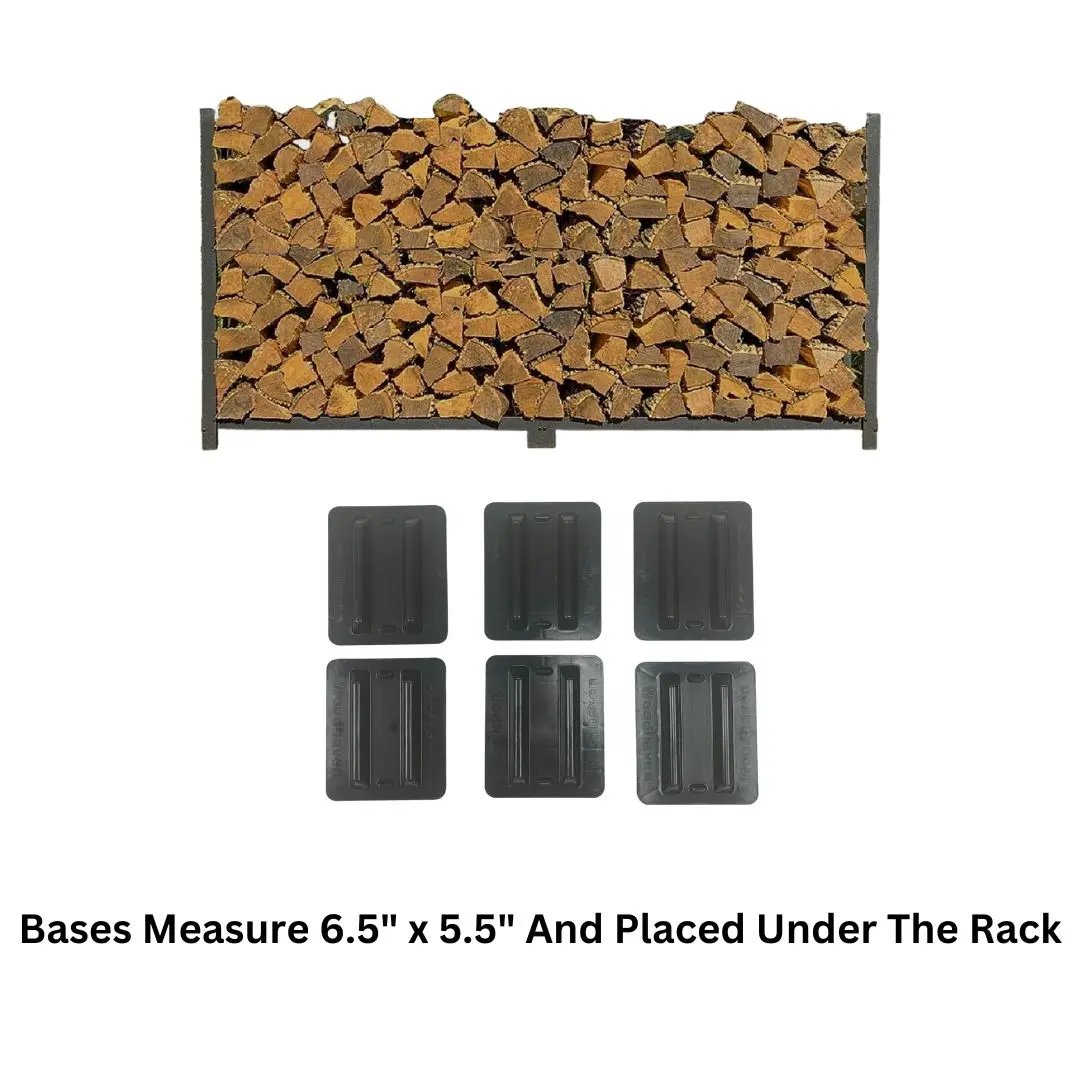
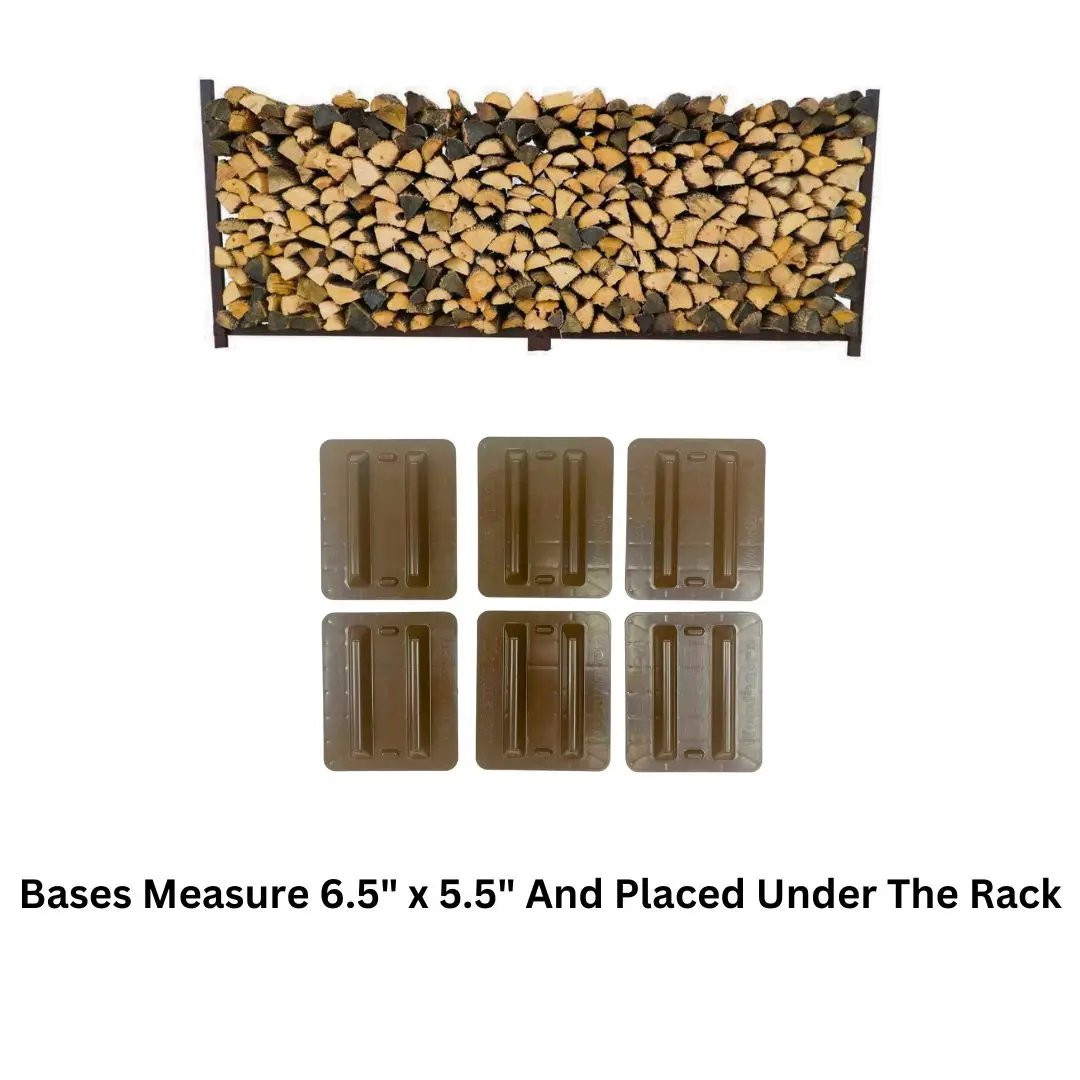
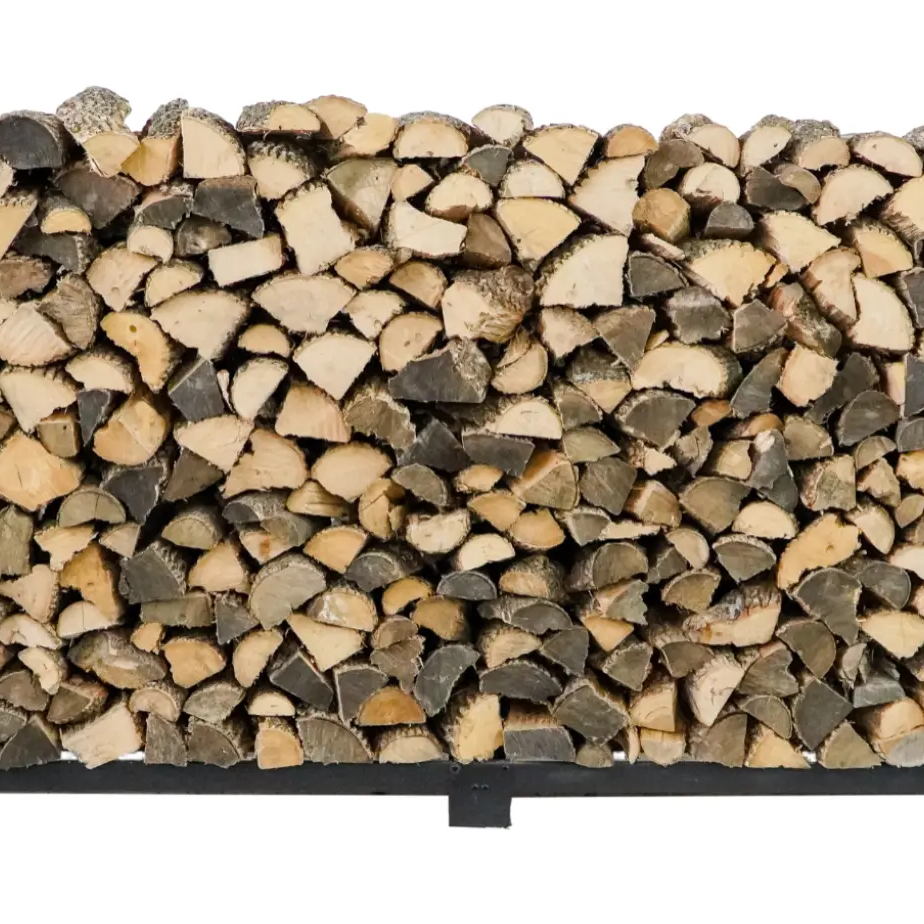
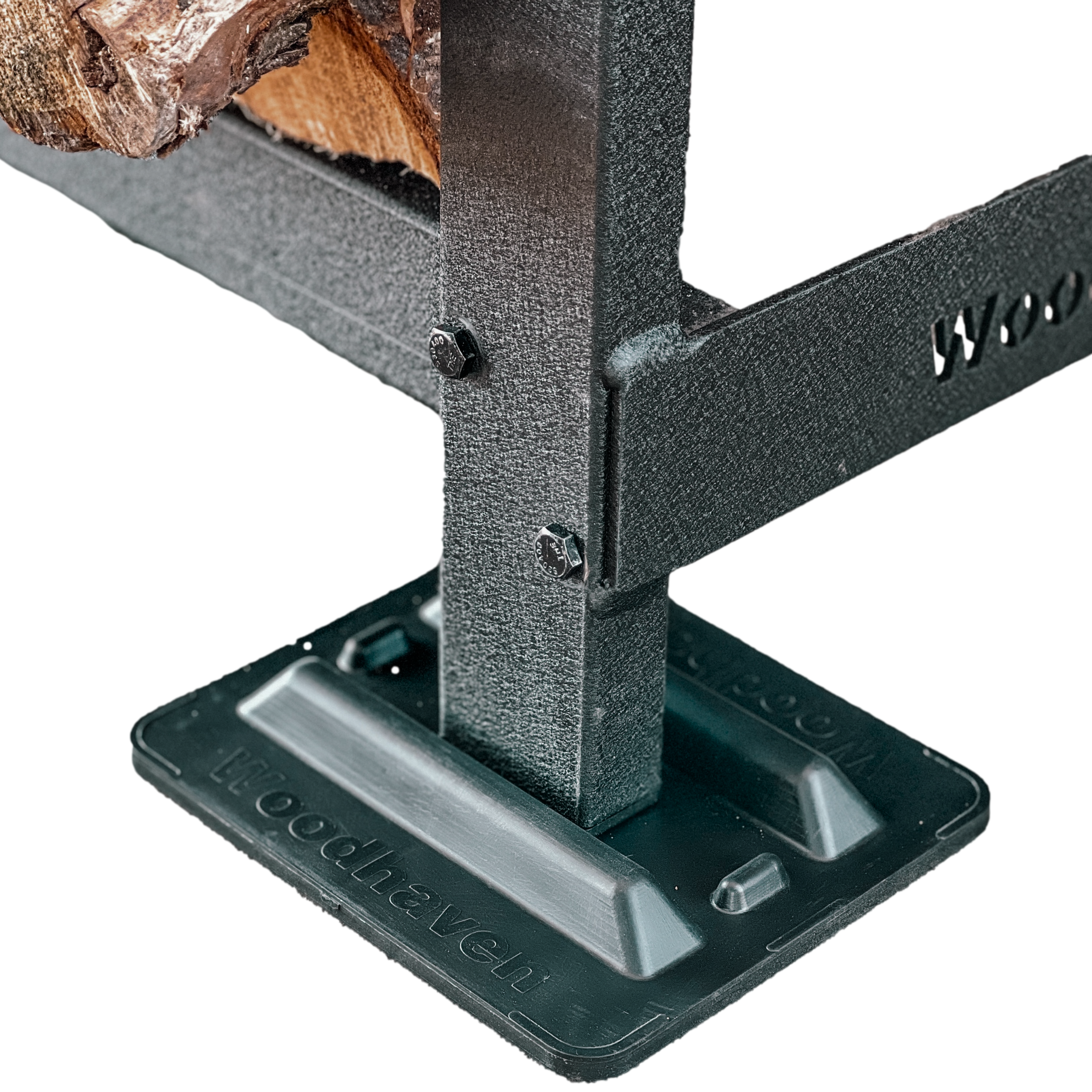
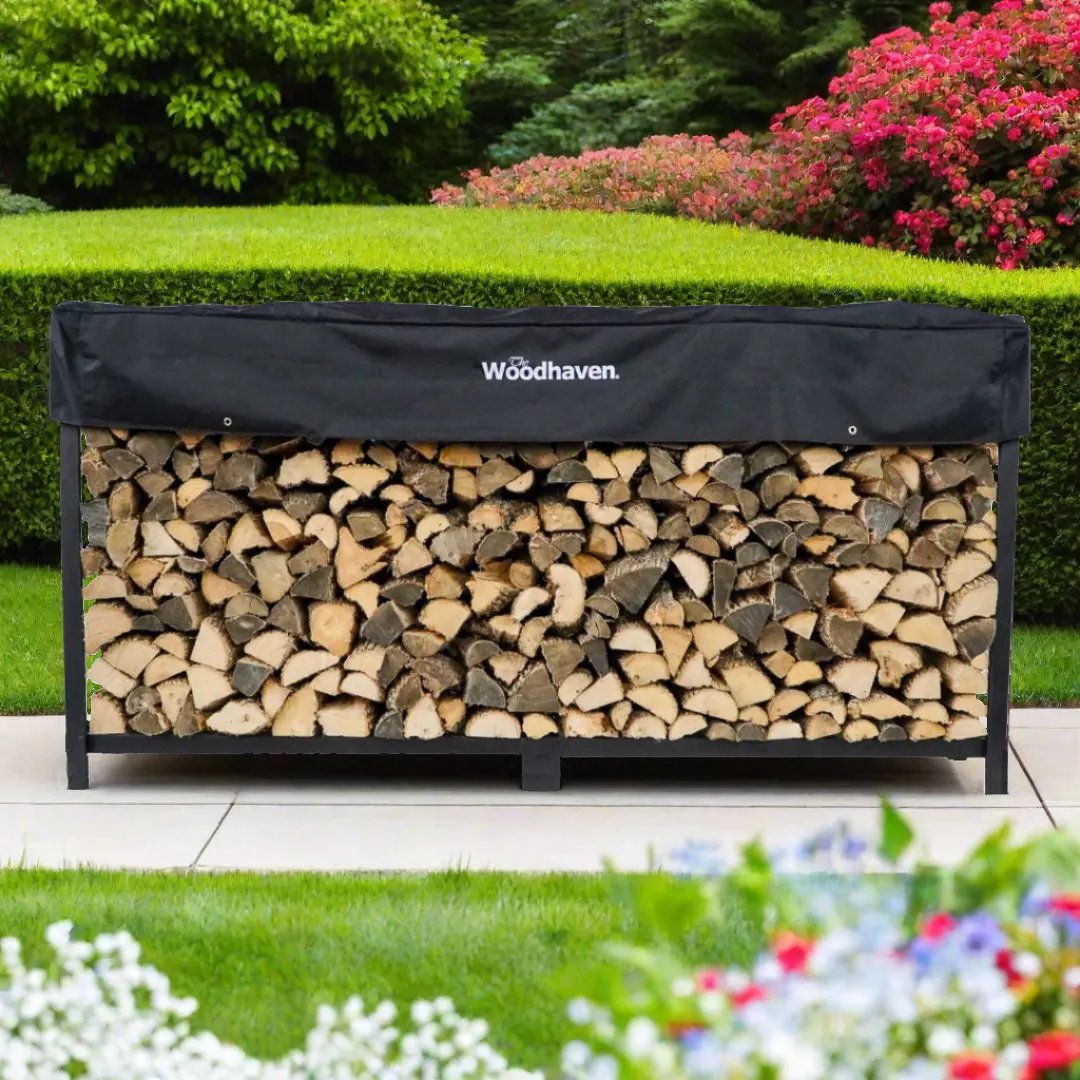
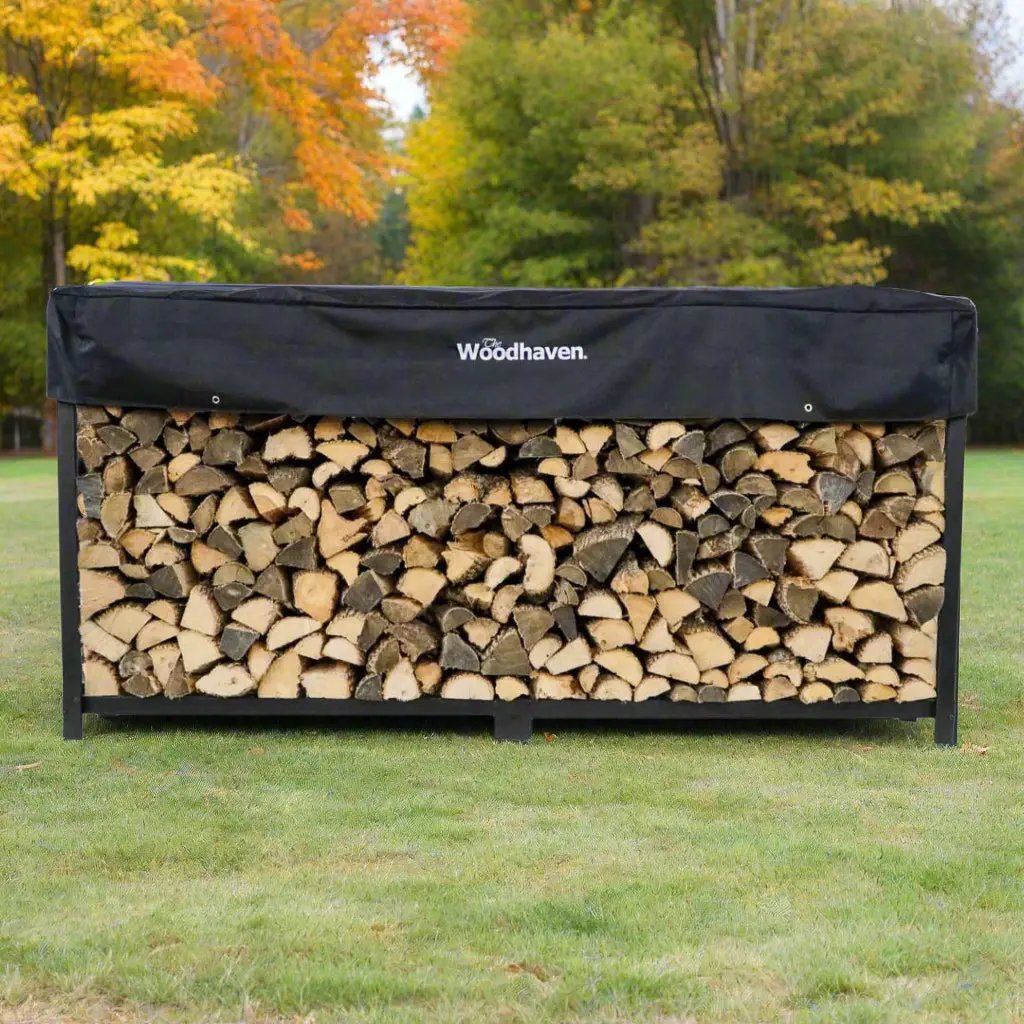
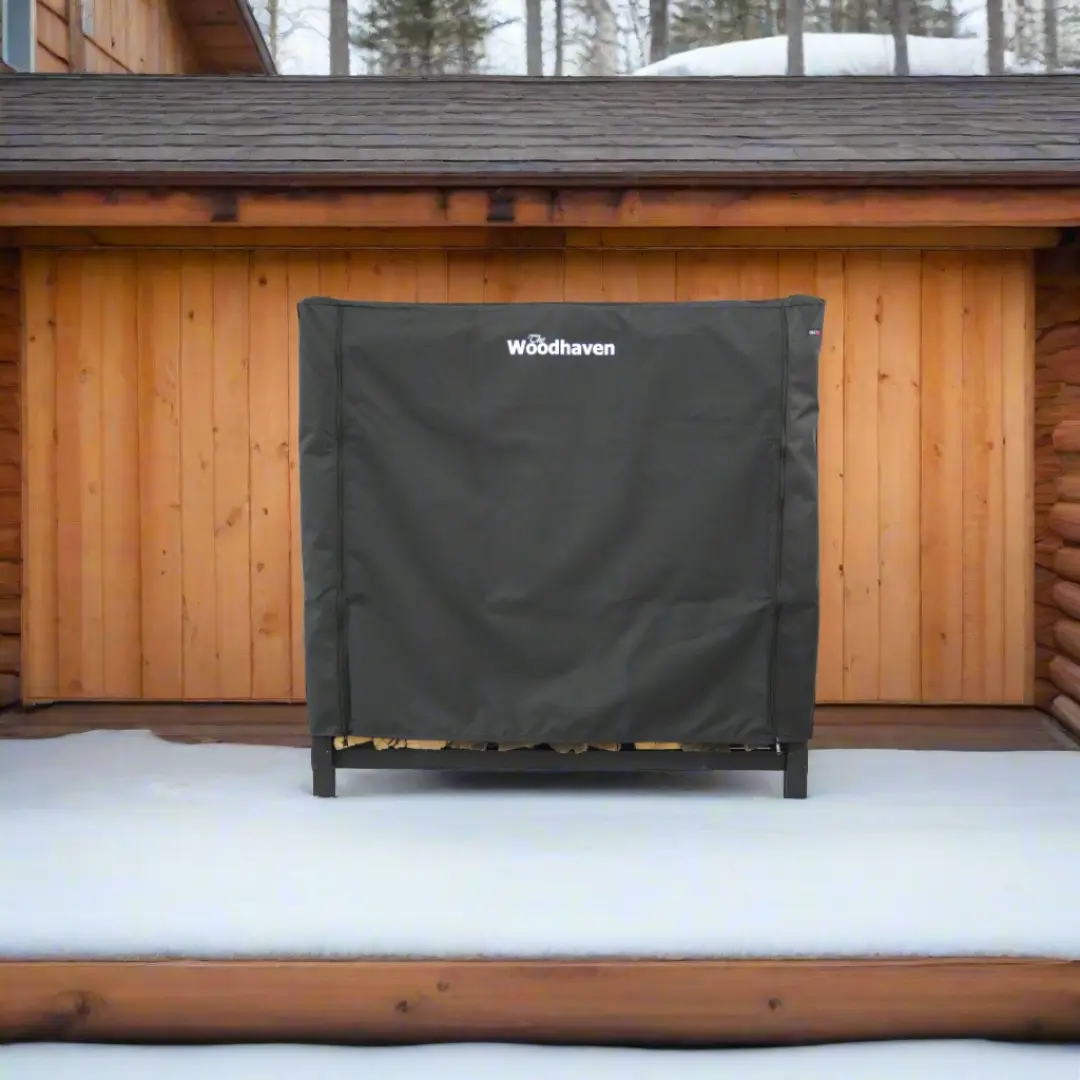
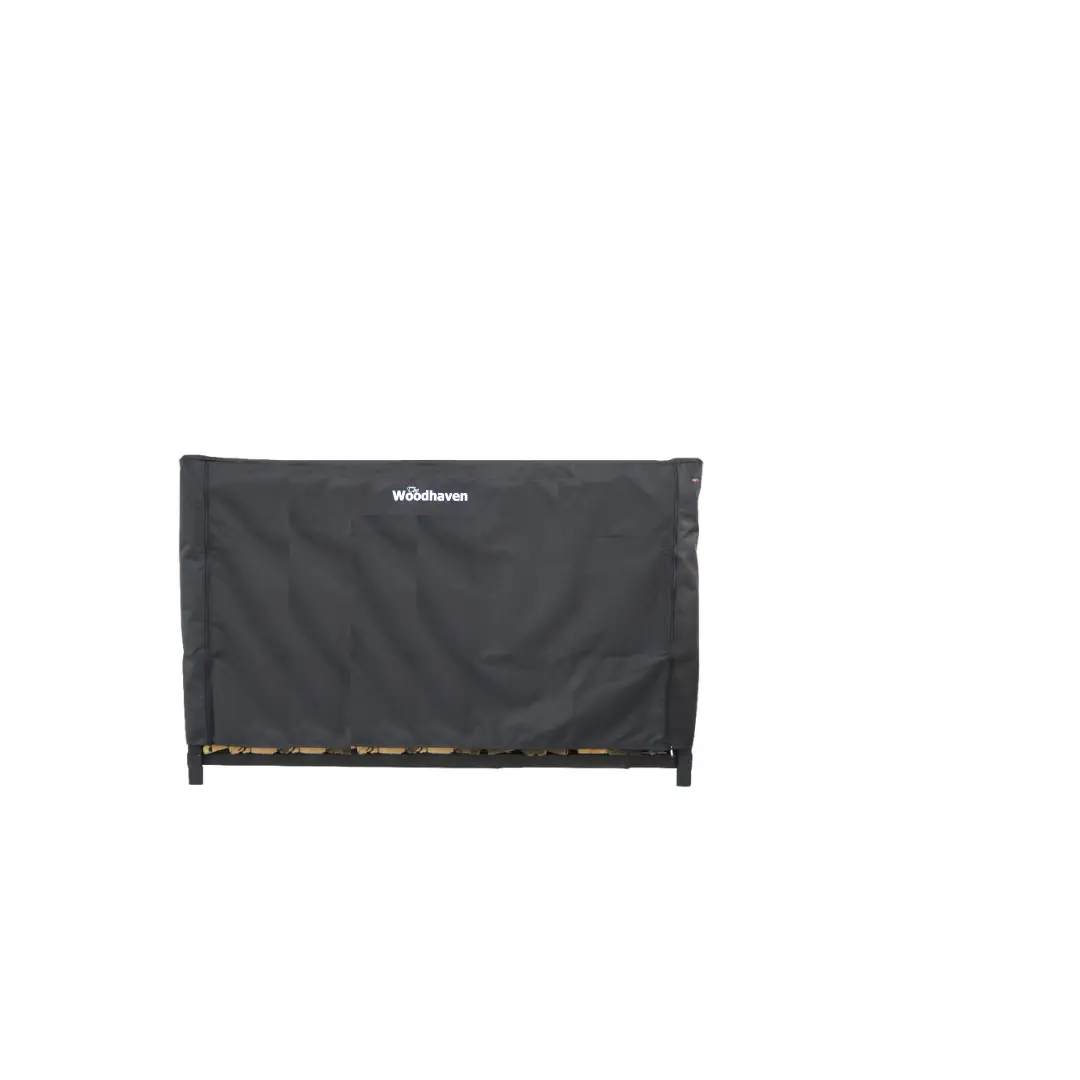
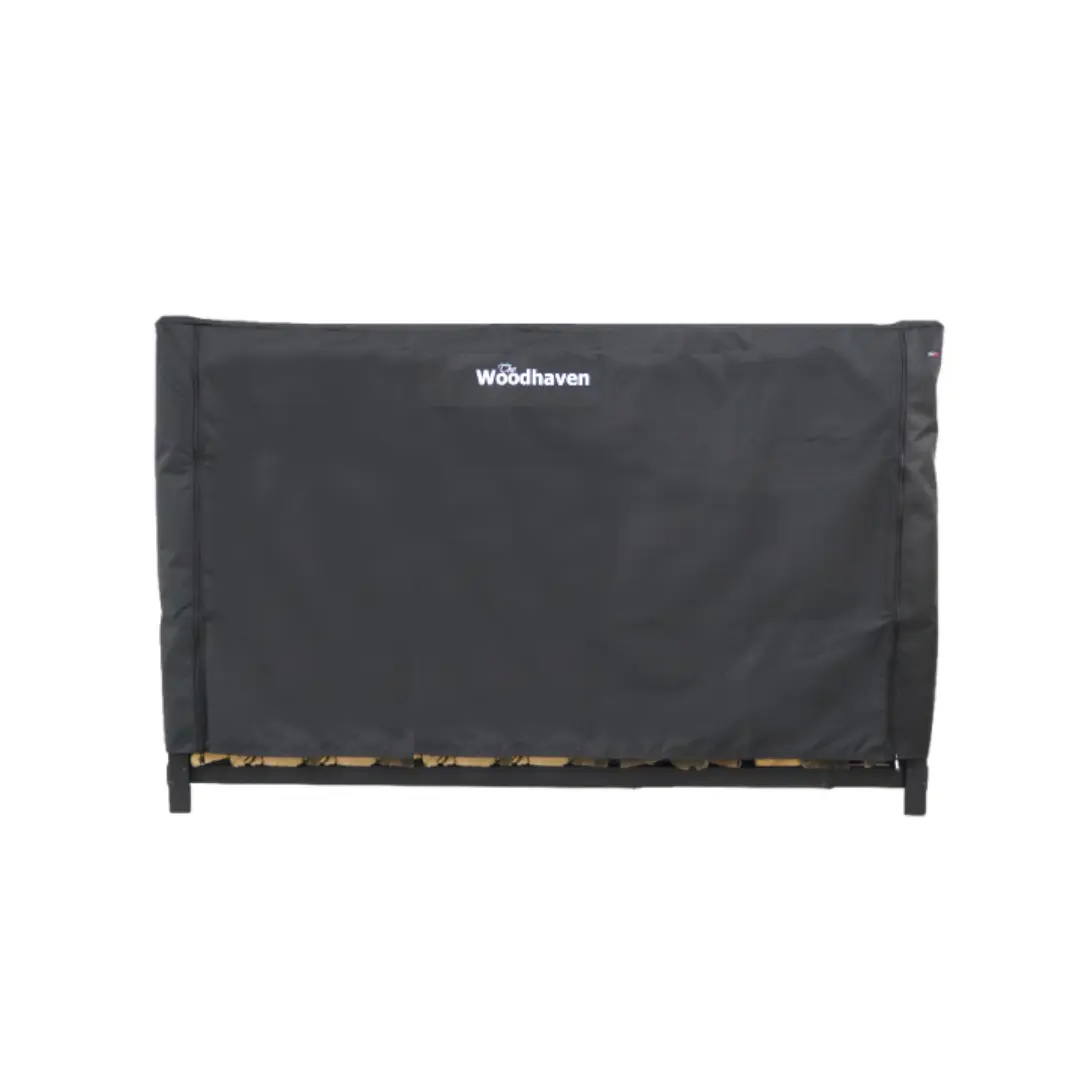
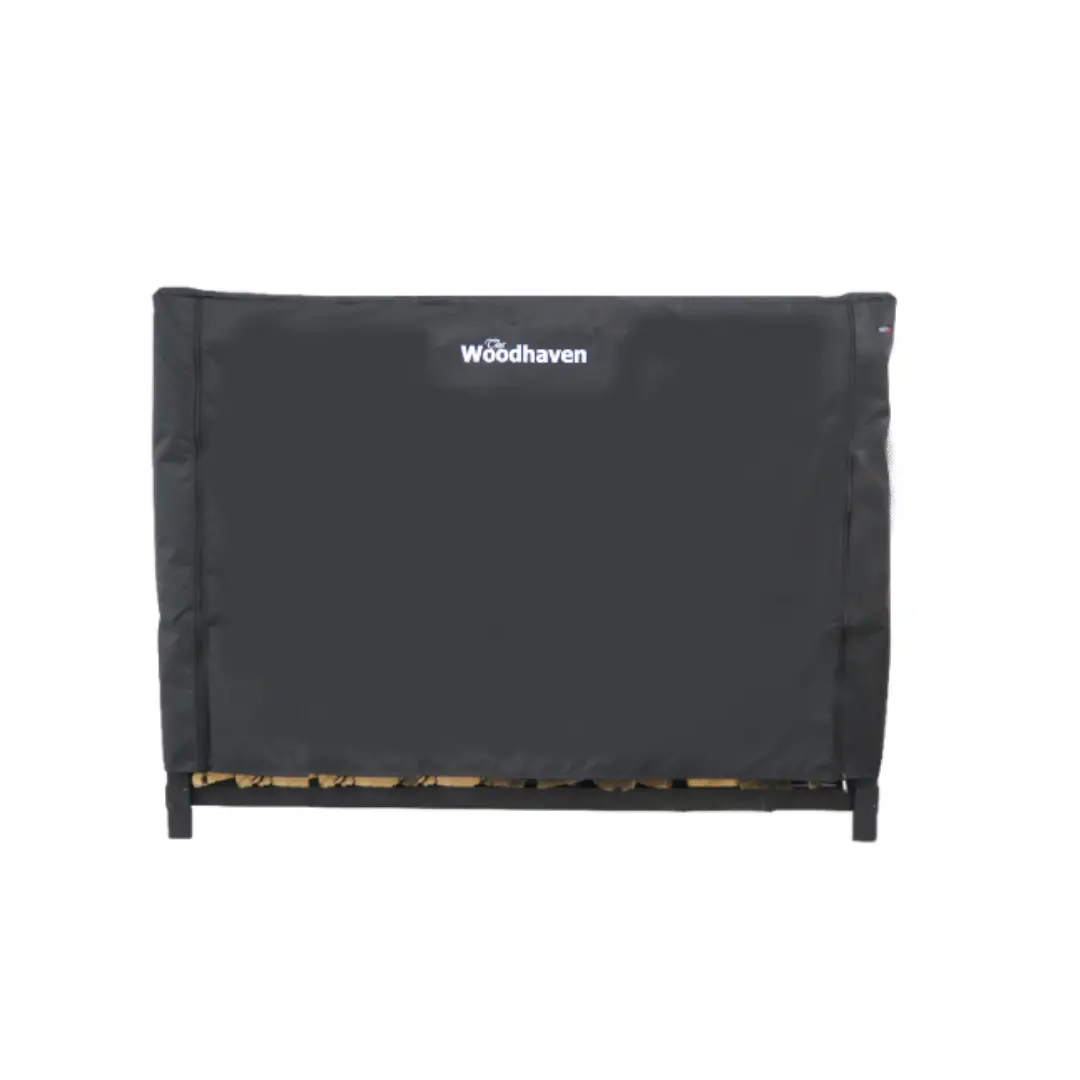
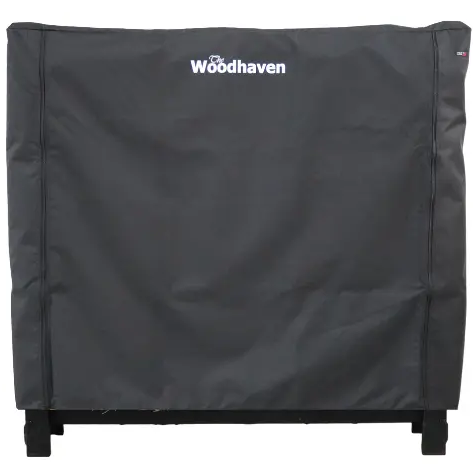
A steel rack makes the airflow automatic: single row, open sides, no sagging as the season goes on. A good one outlasts the house.
Cover the top, never the whole pile
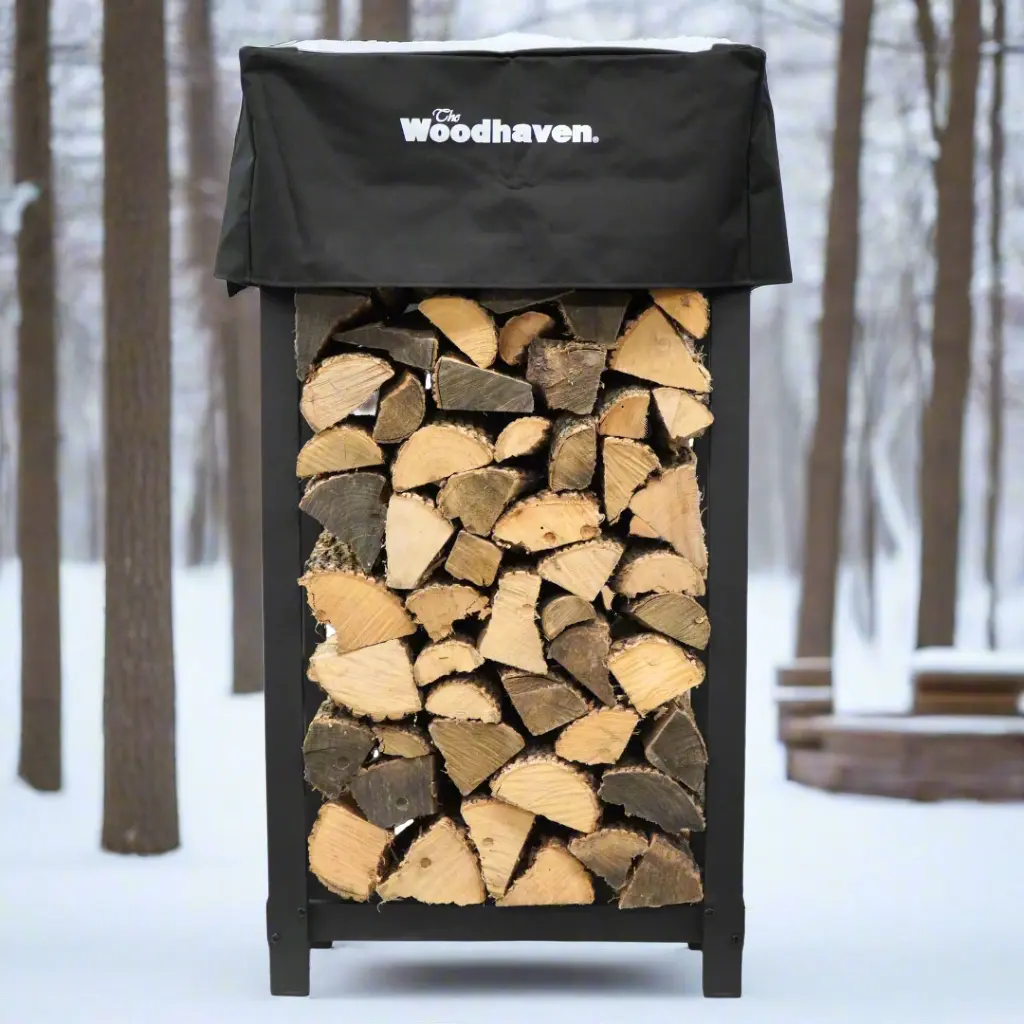
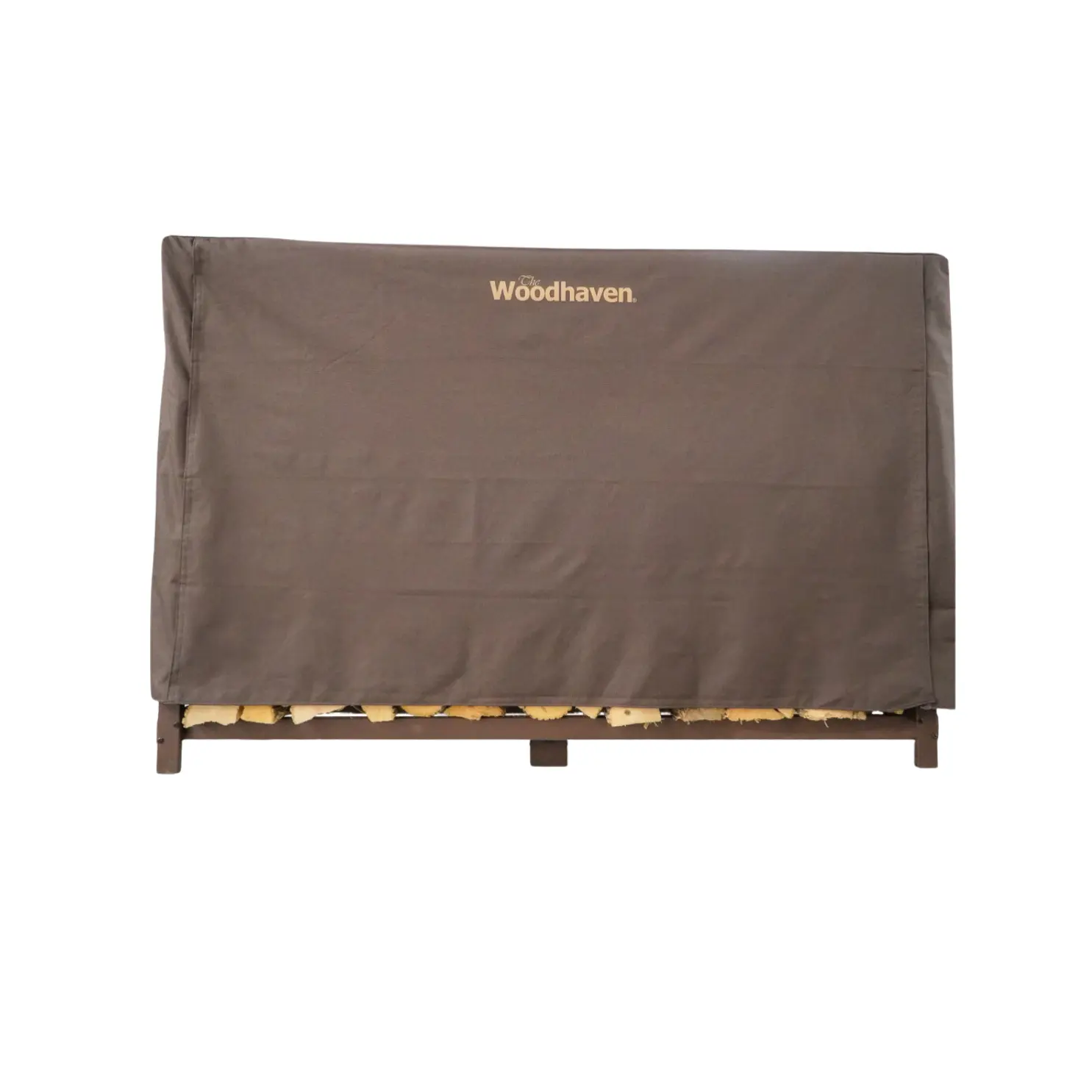
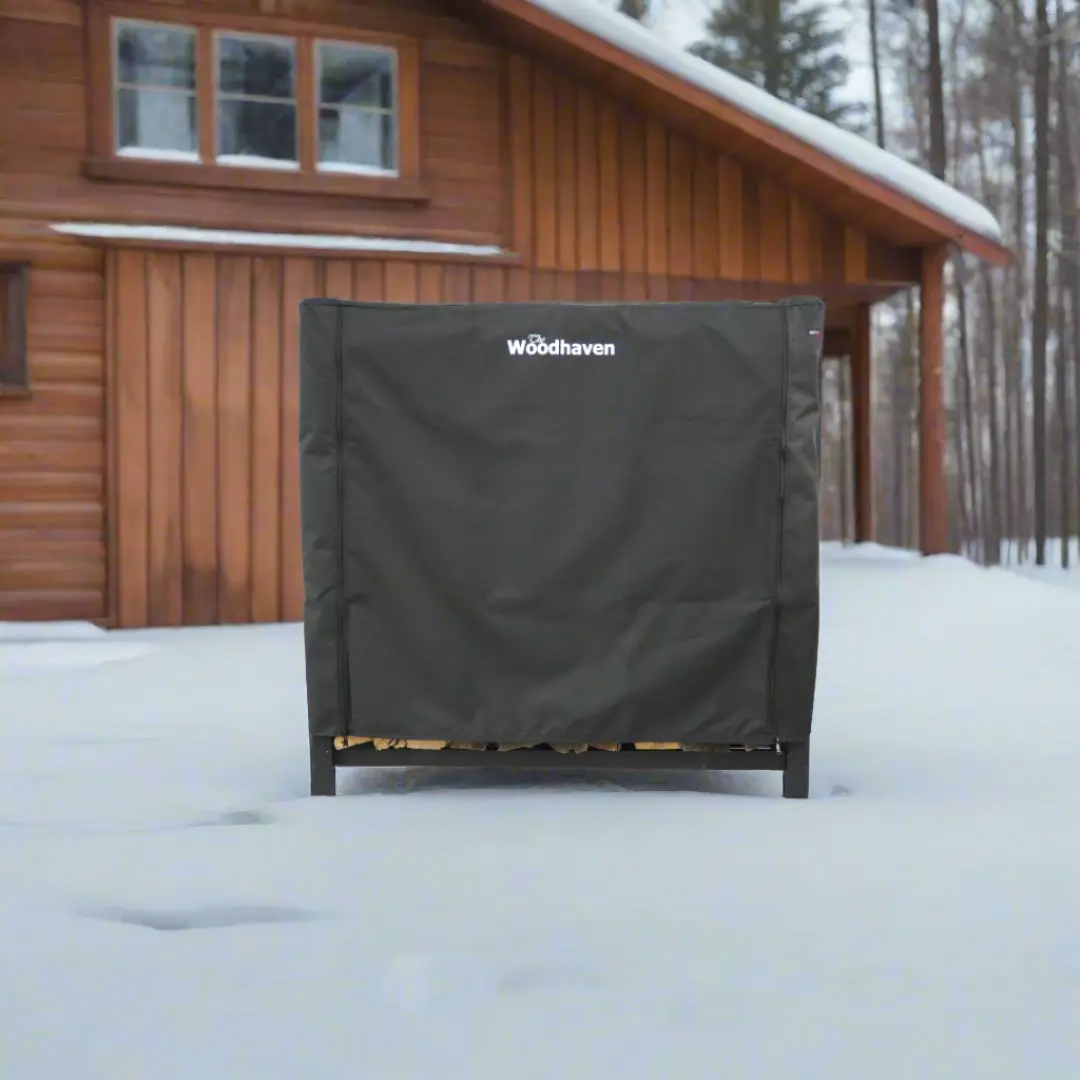
This is the mistake in the story above. A tarp wrapped over the entire stack traps the wood's own escaping water. You've built a greenhouse for mold. Come winter, the tarp is a frozen sail that dumps snow down your collar every time you pull wood.
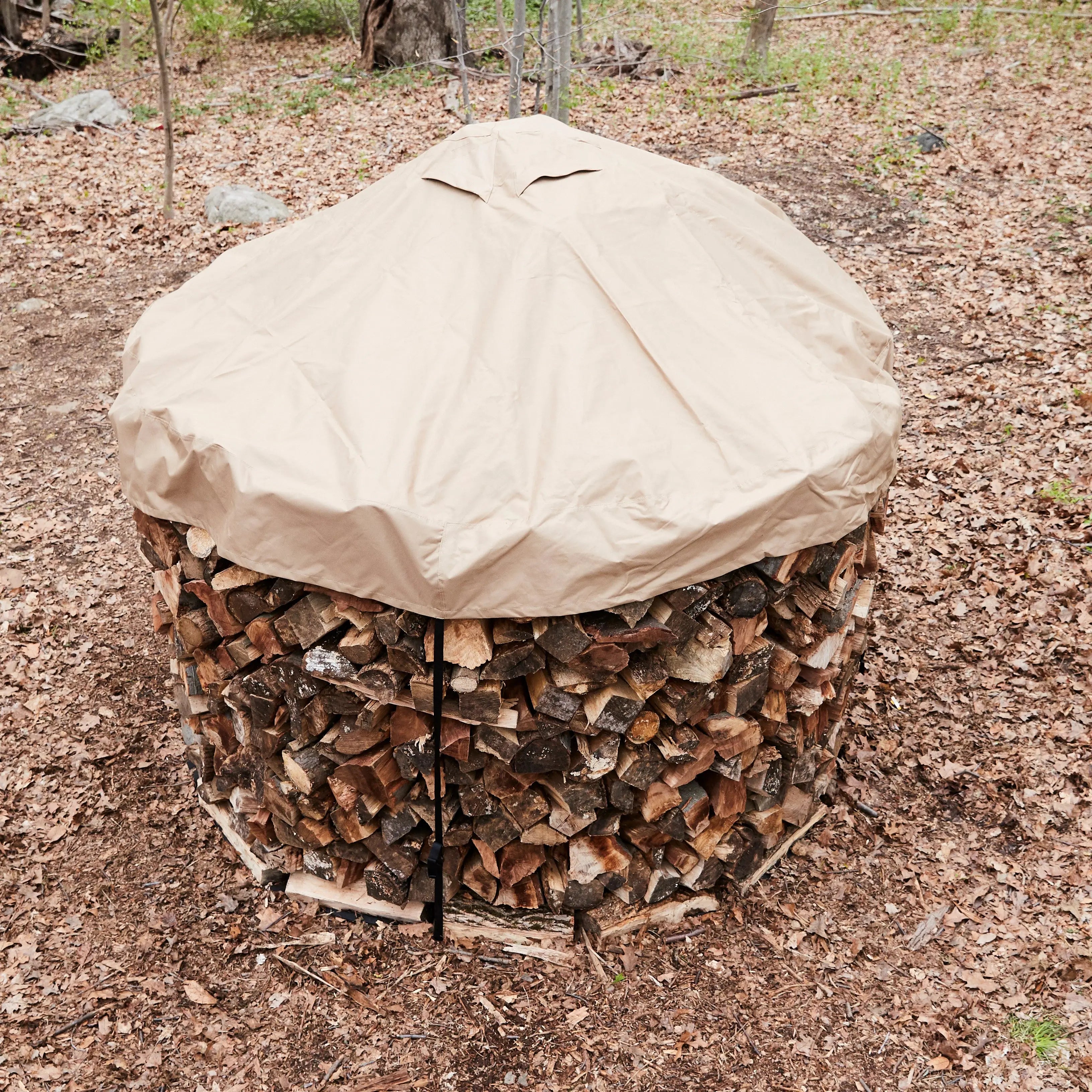
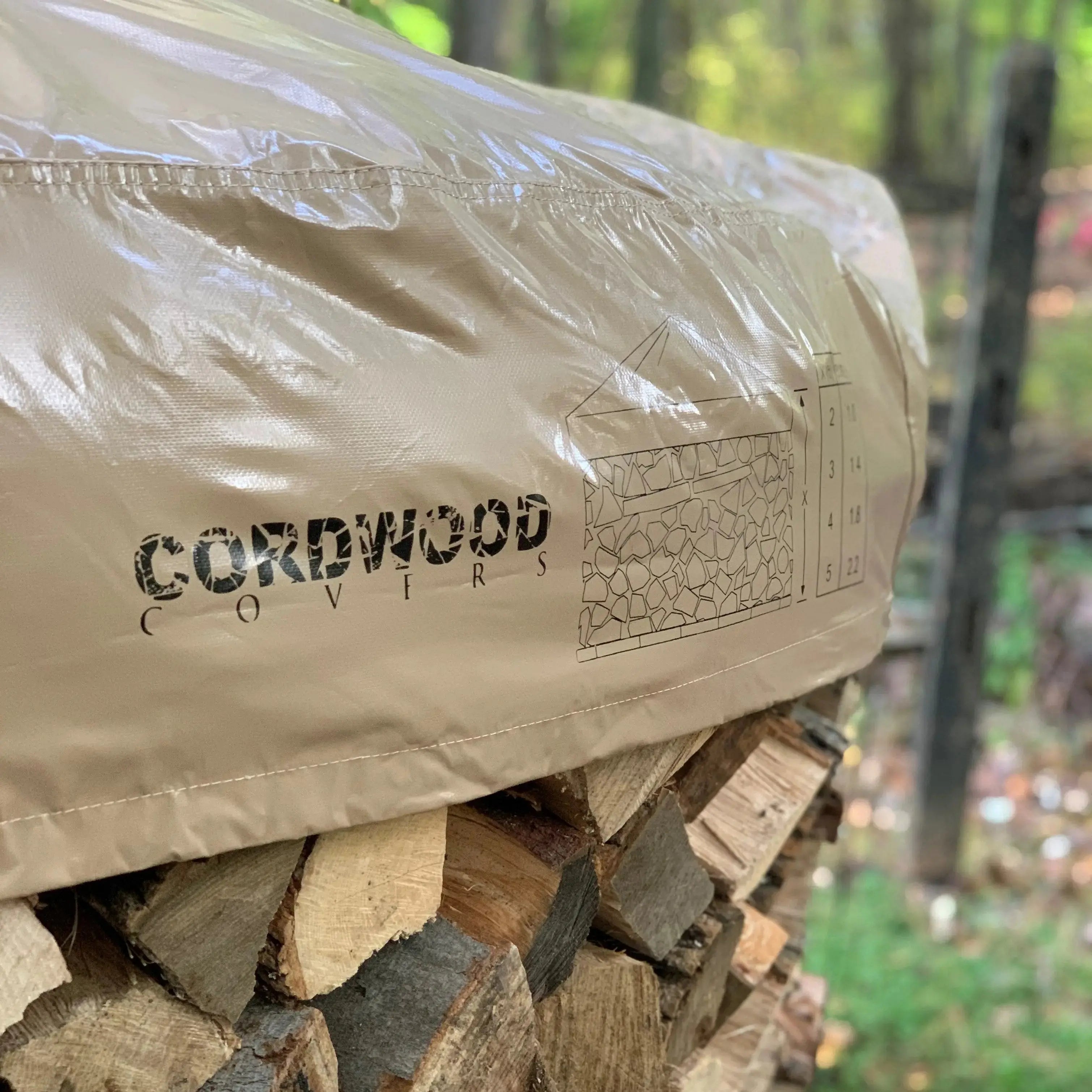
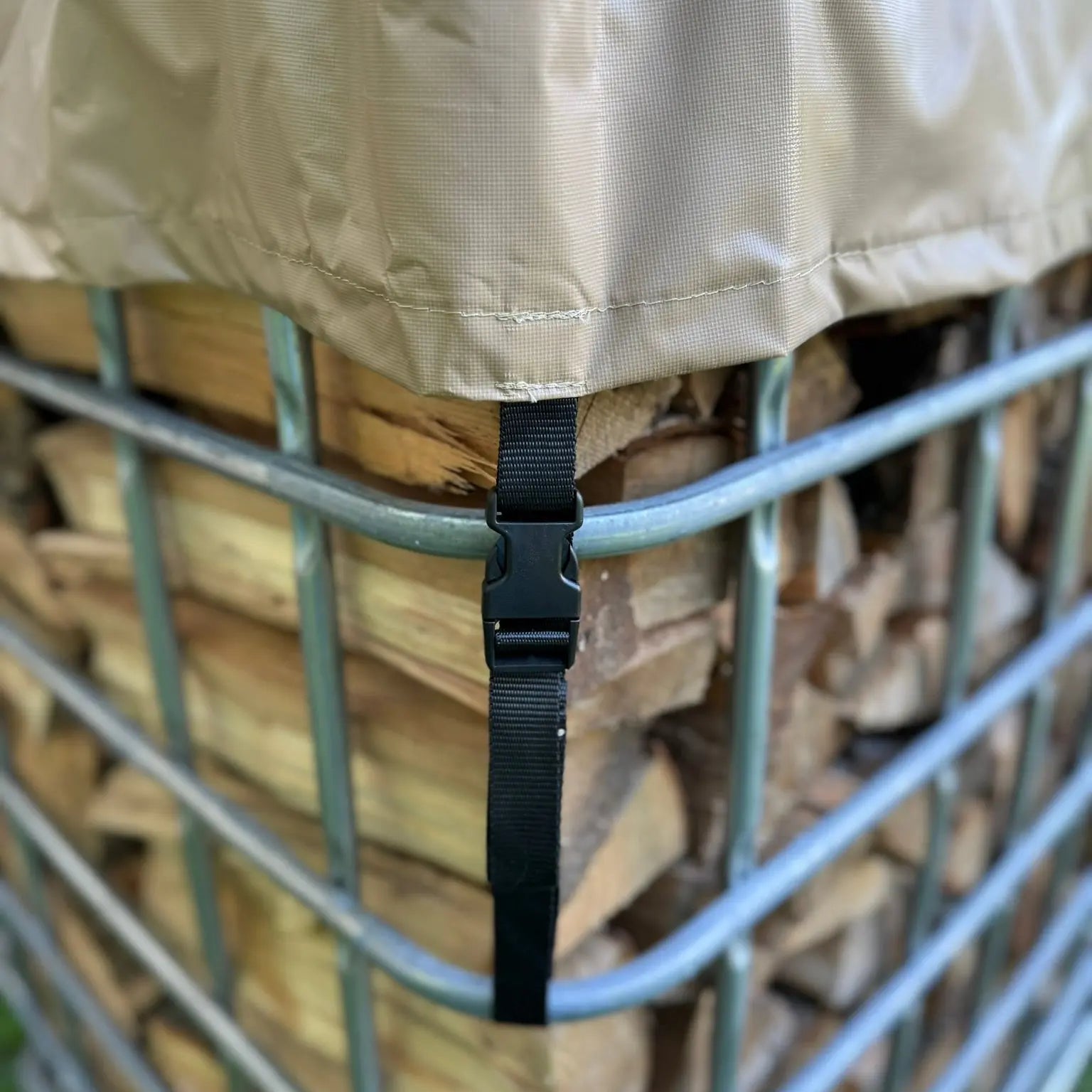
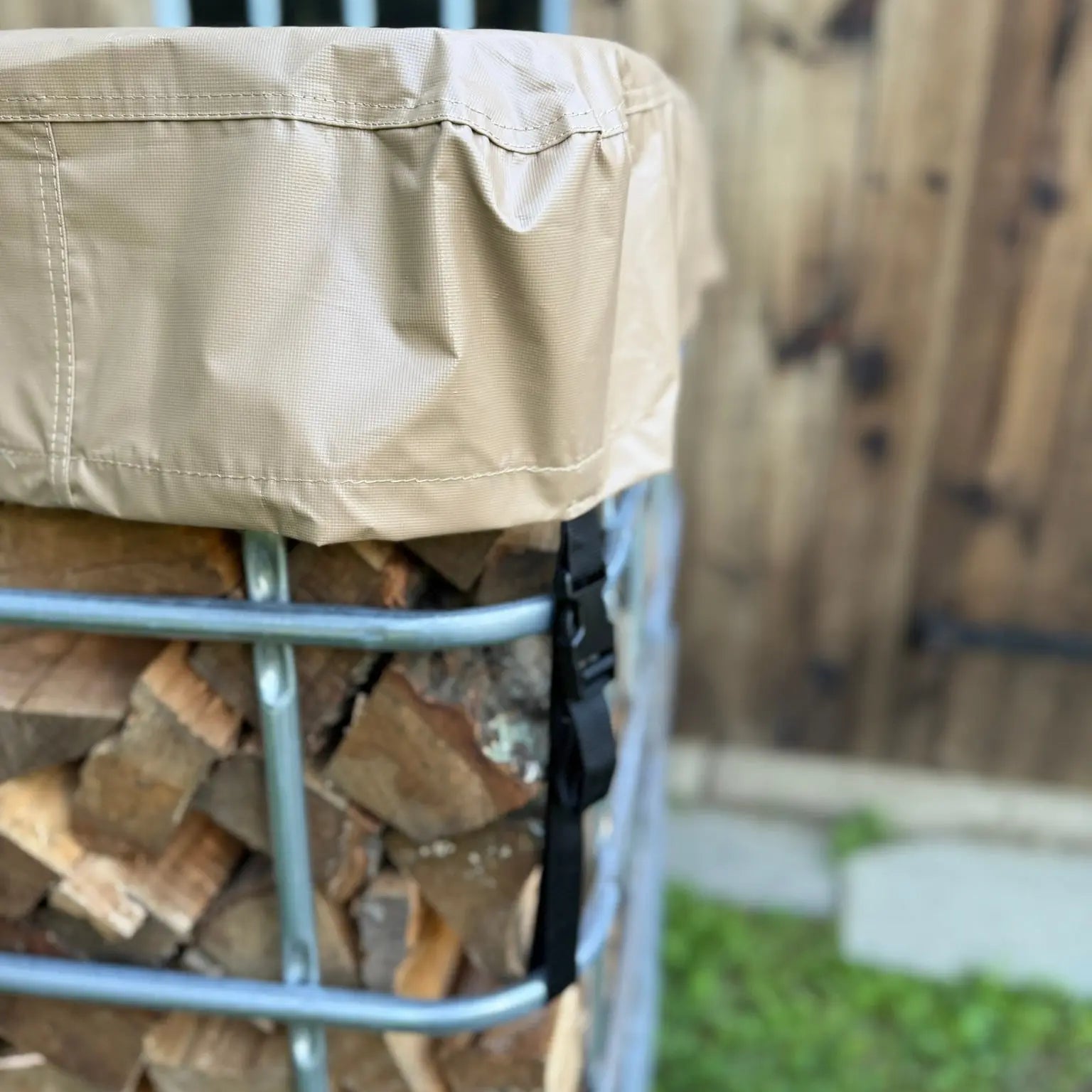
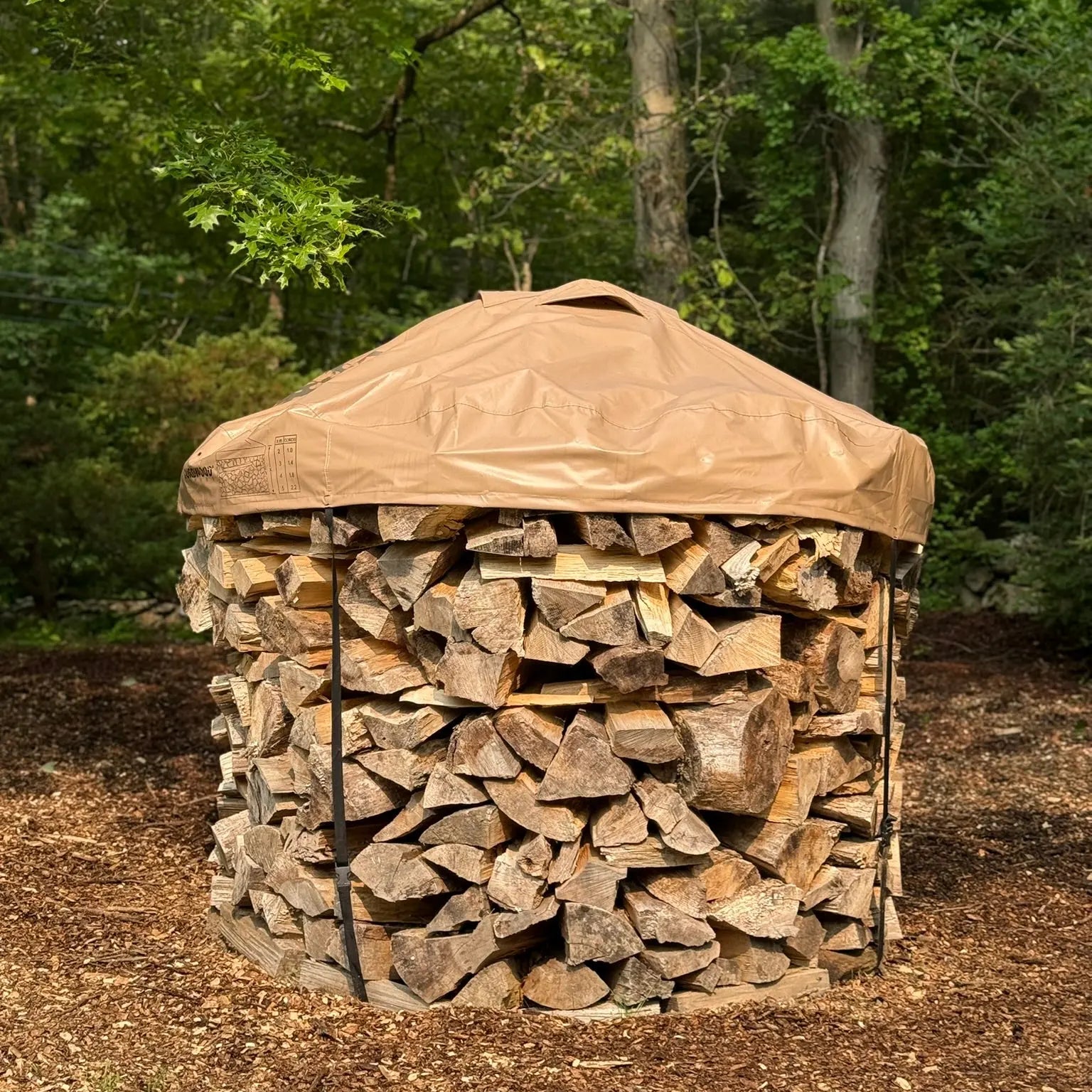
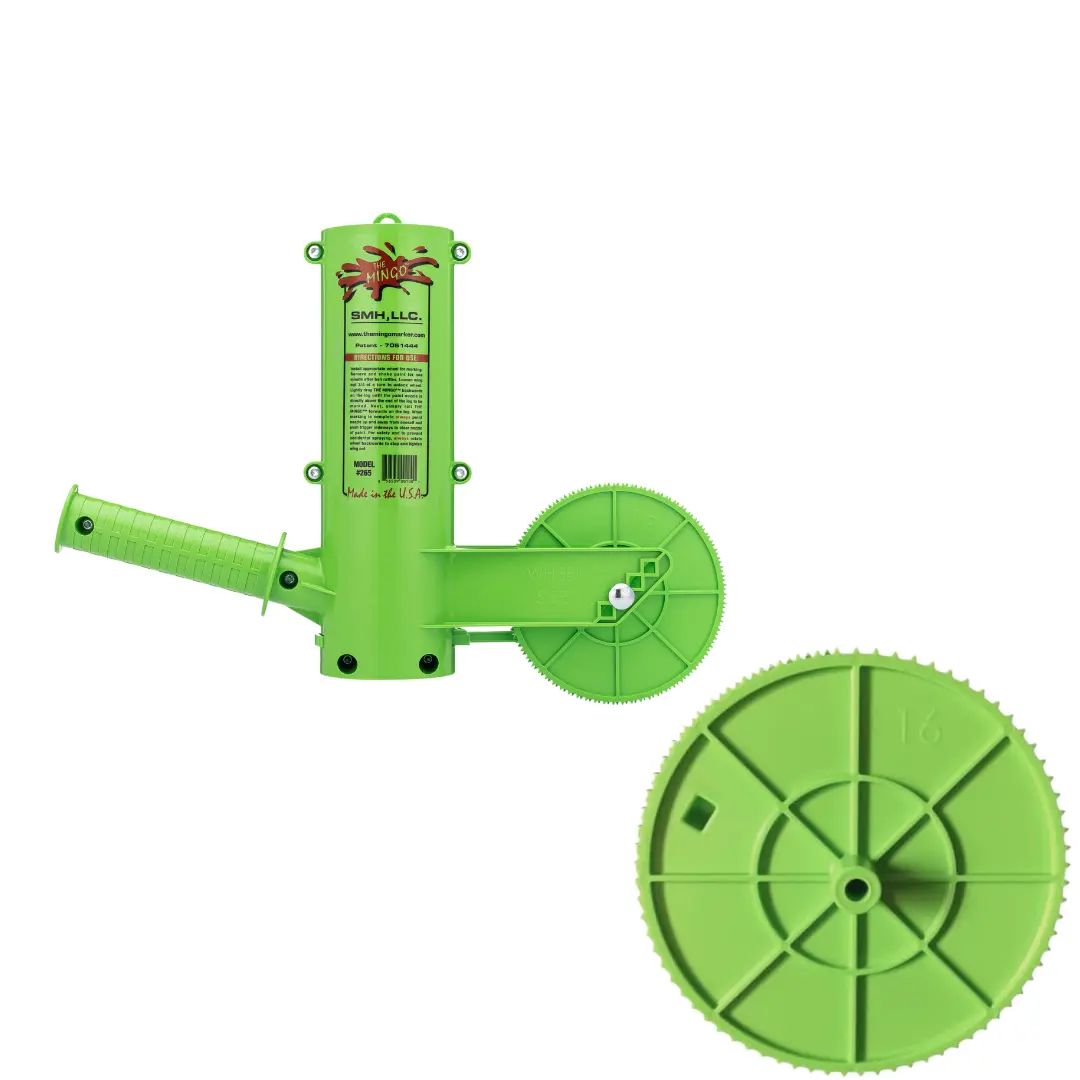
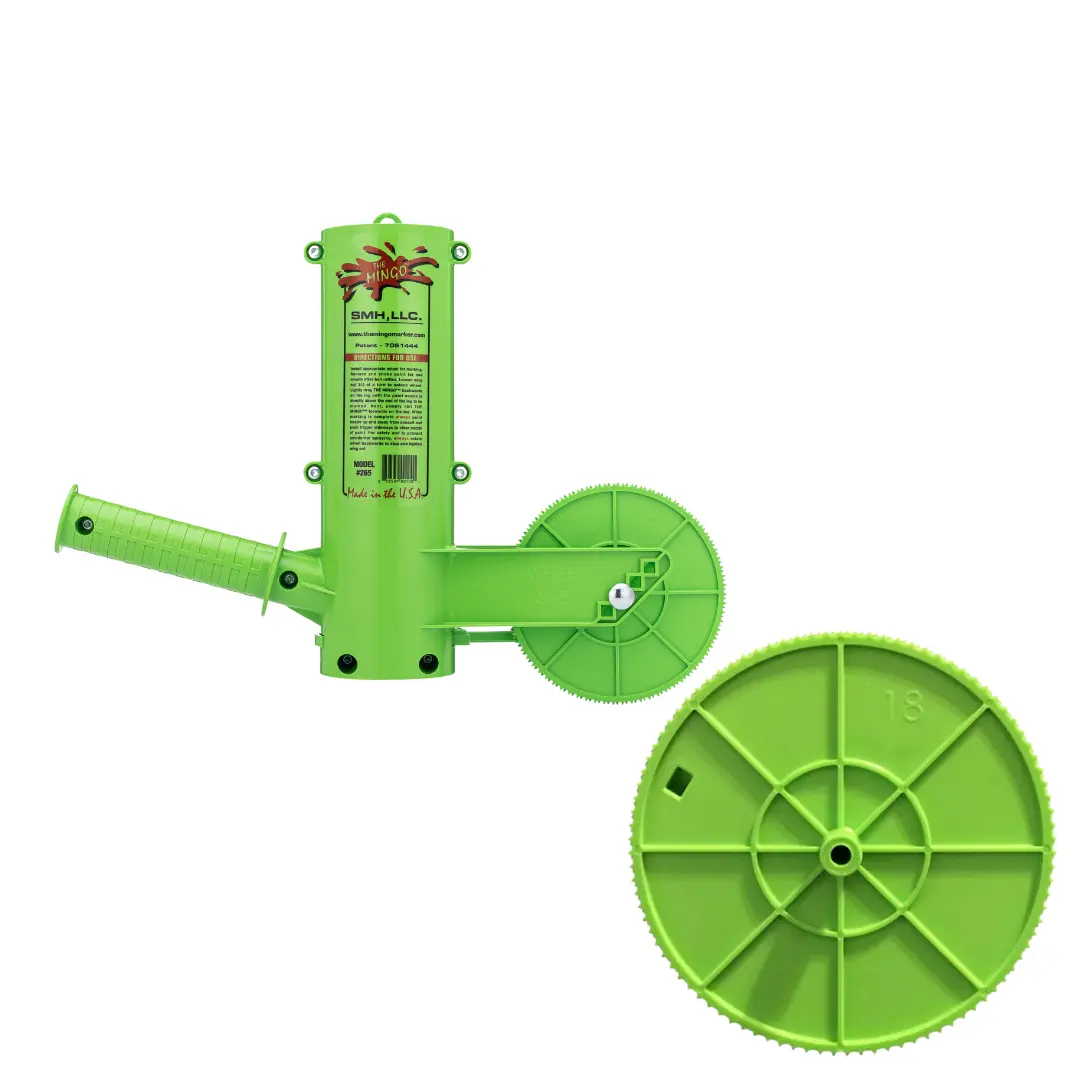
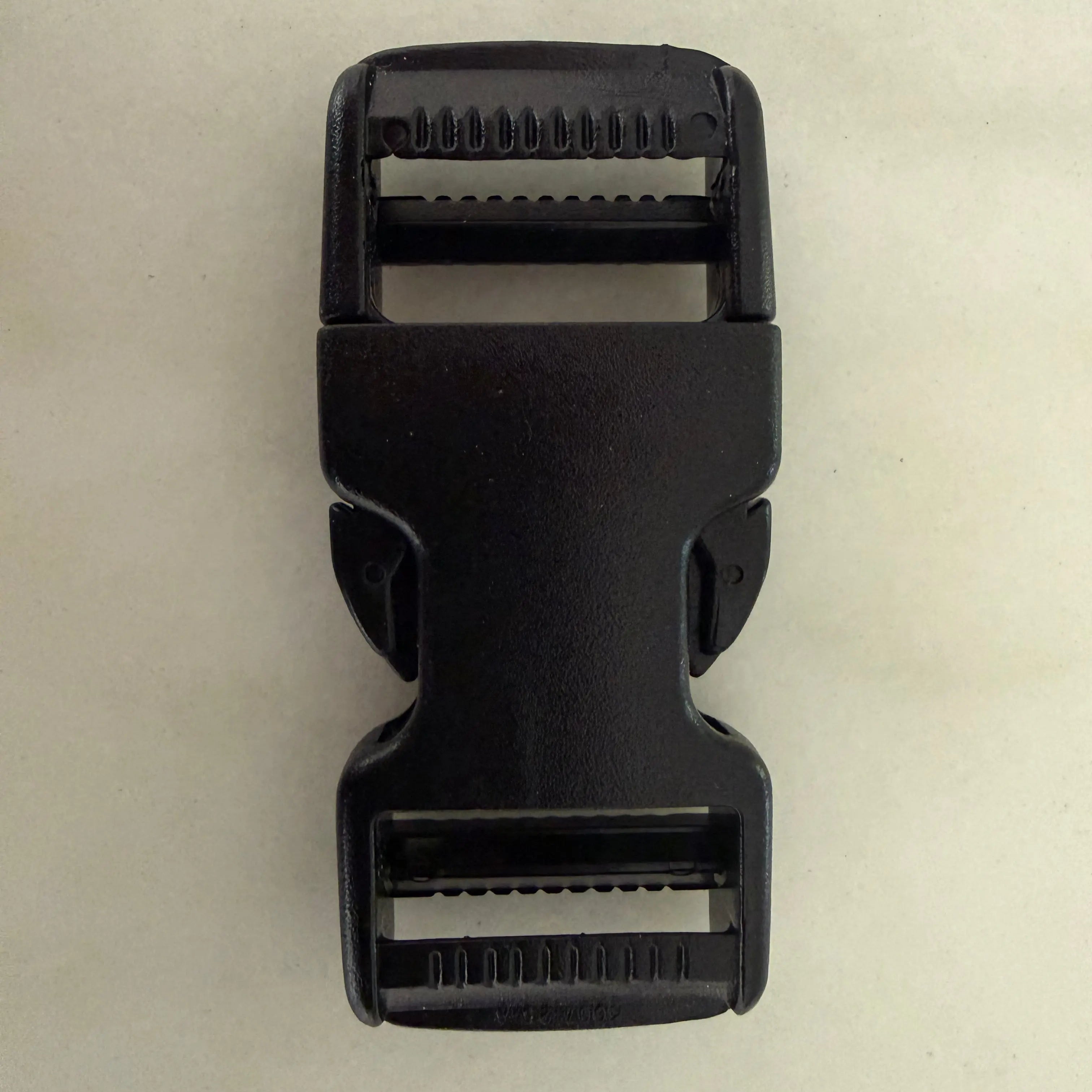
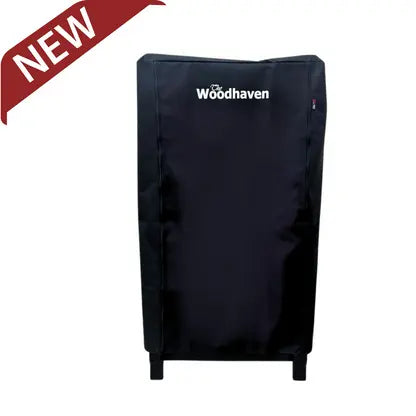
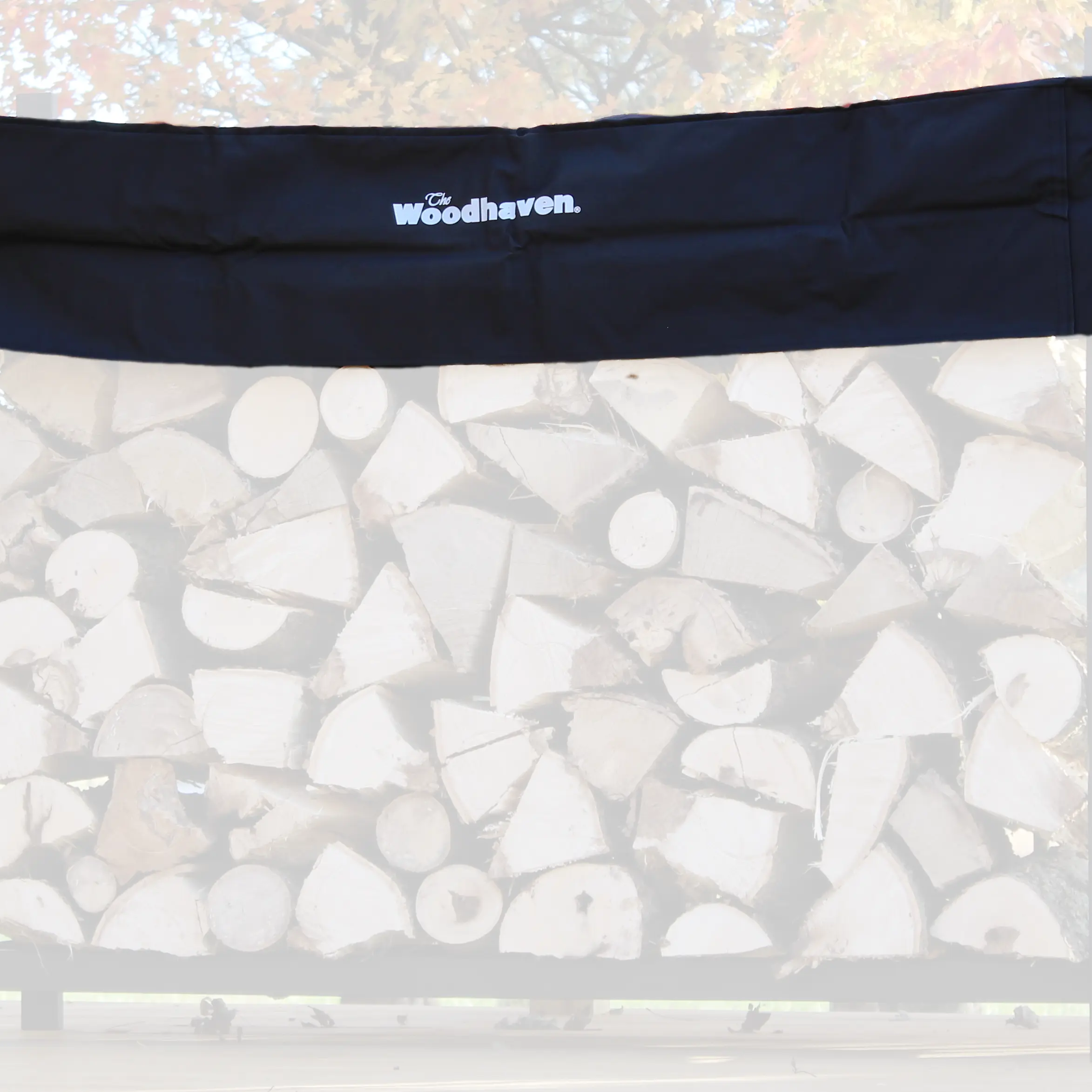
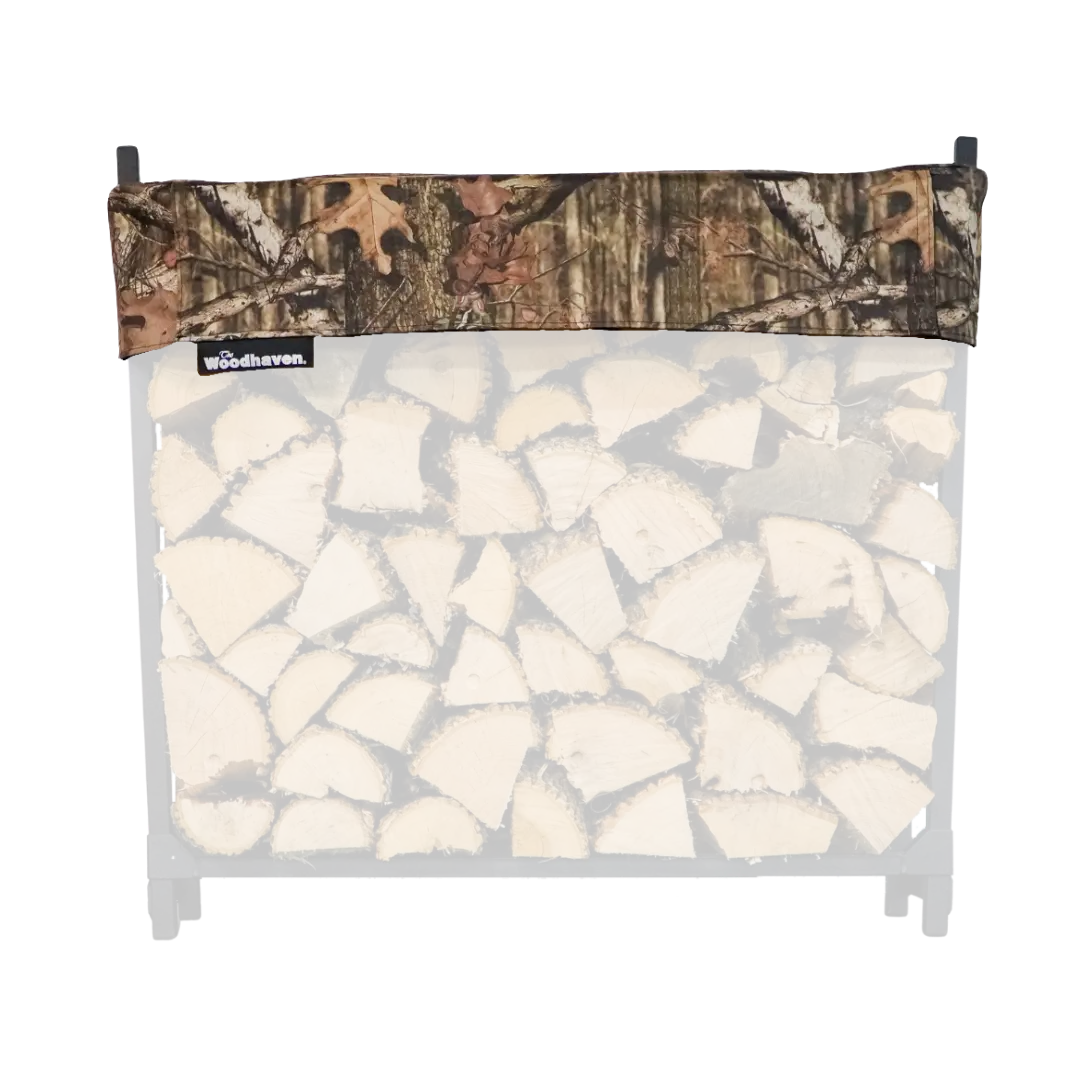
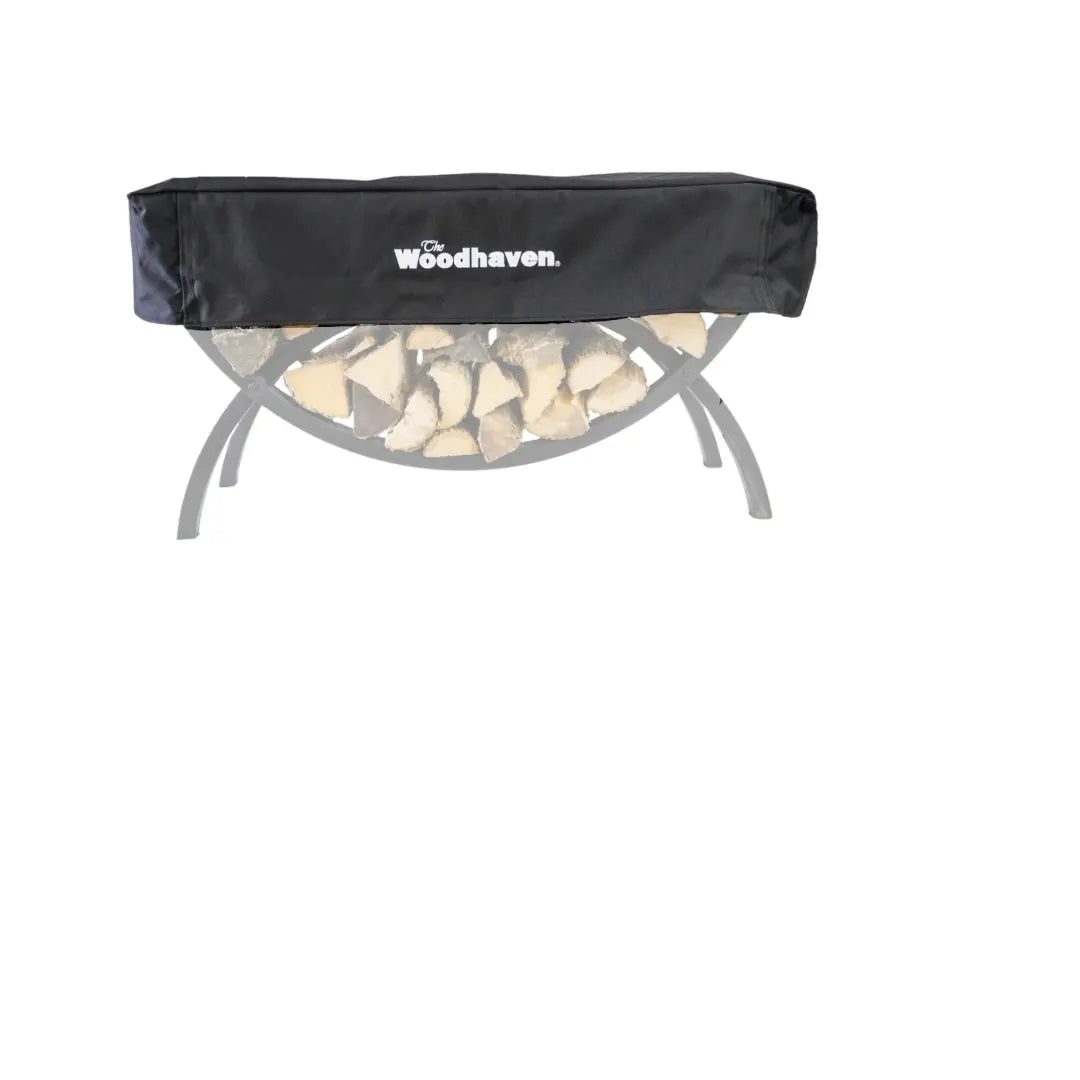
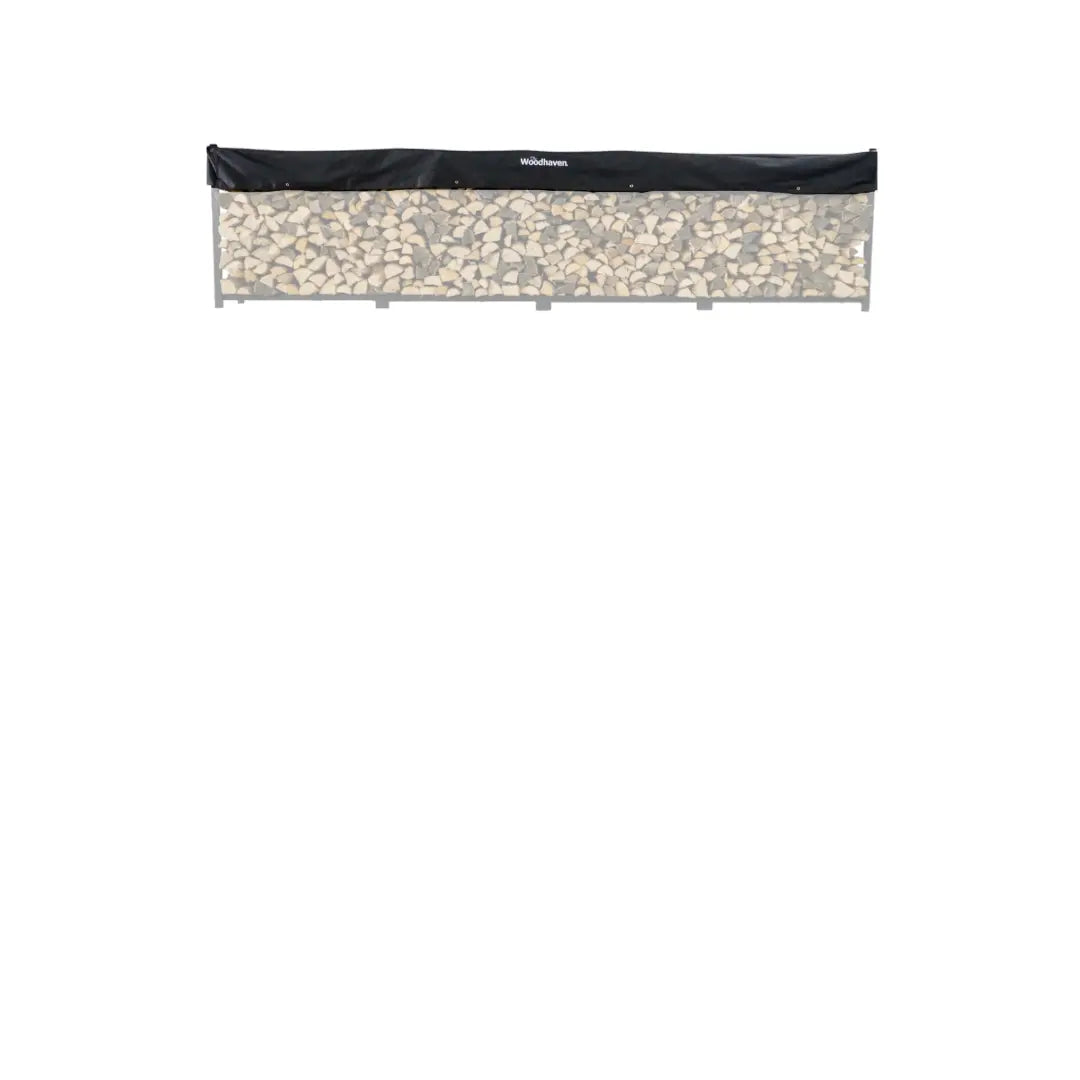
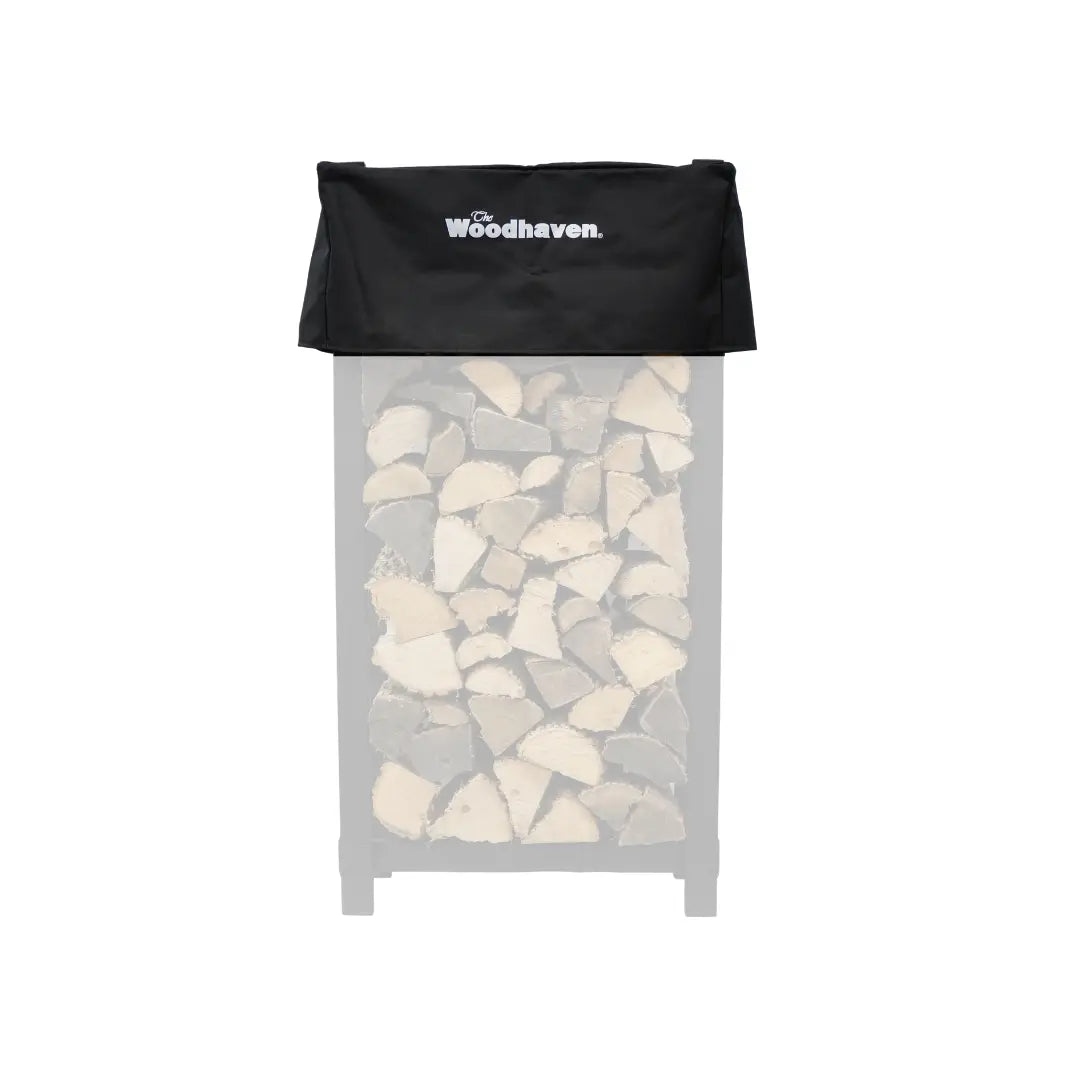
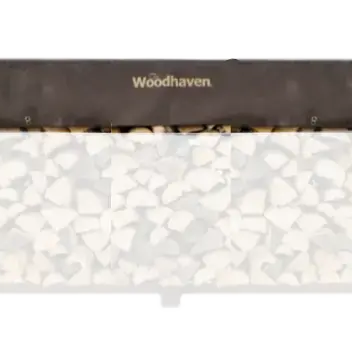
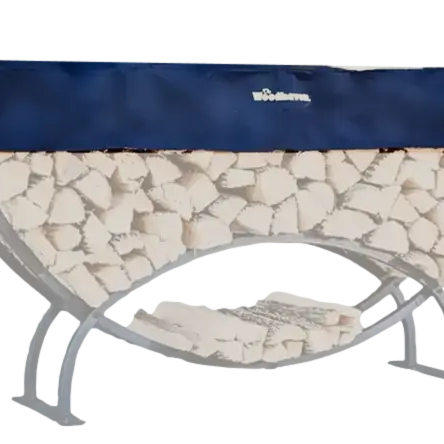
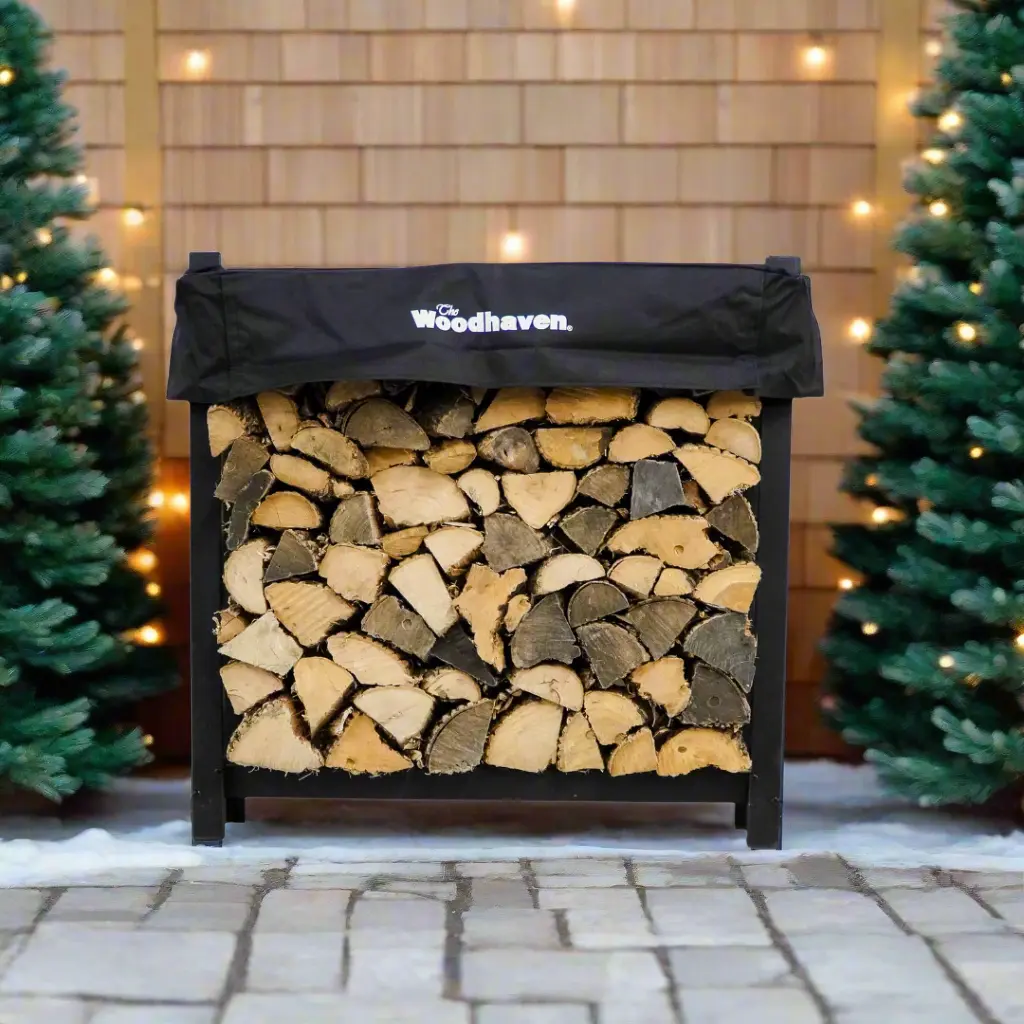
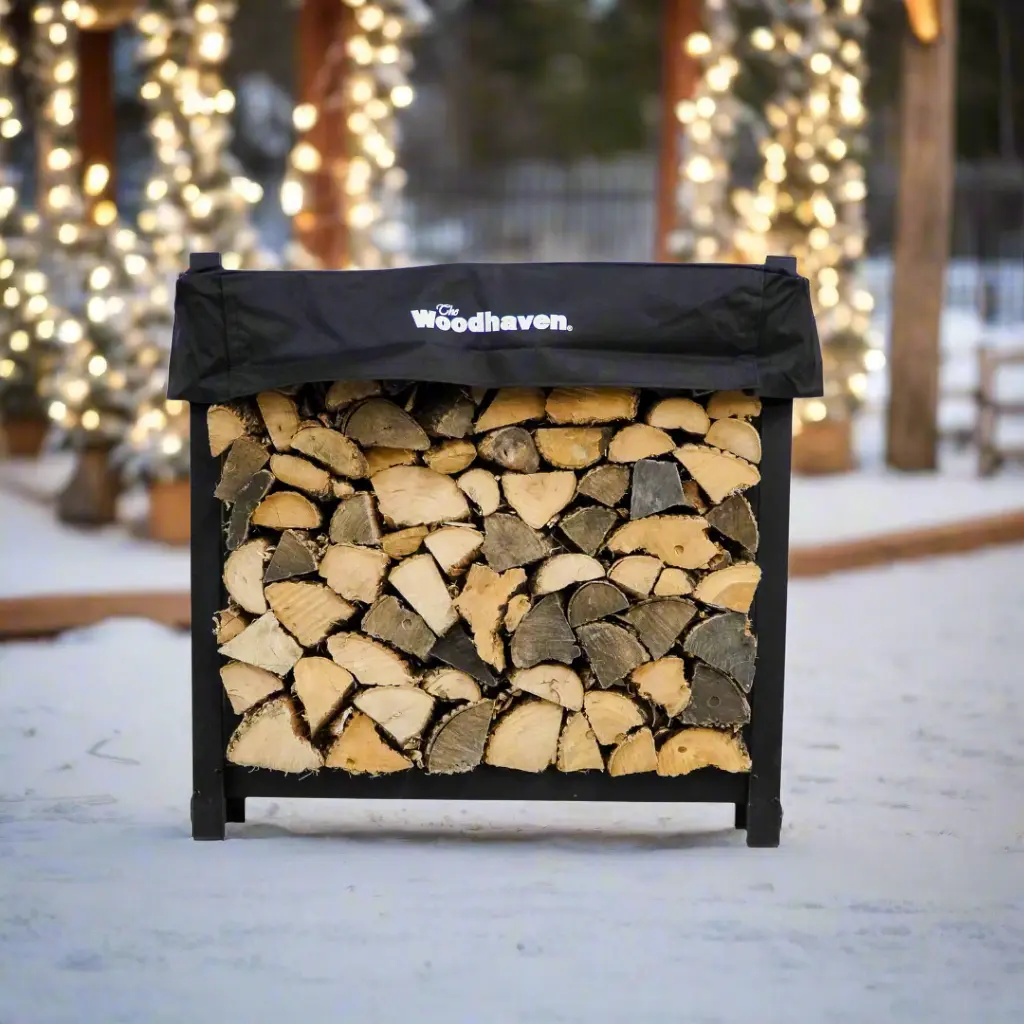
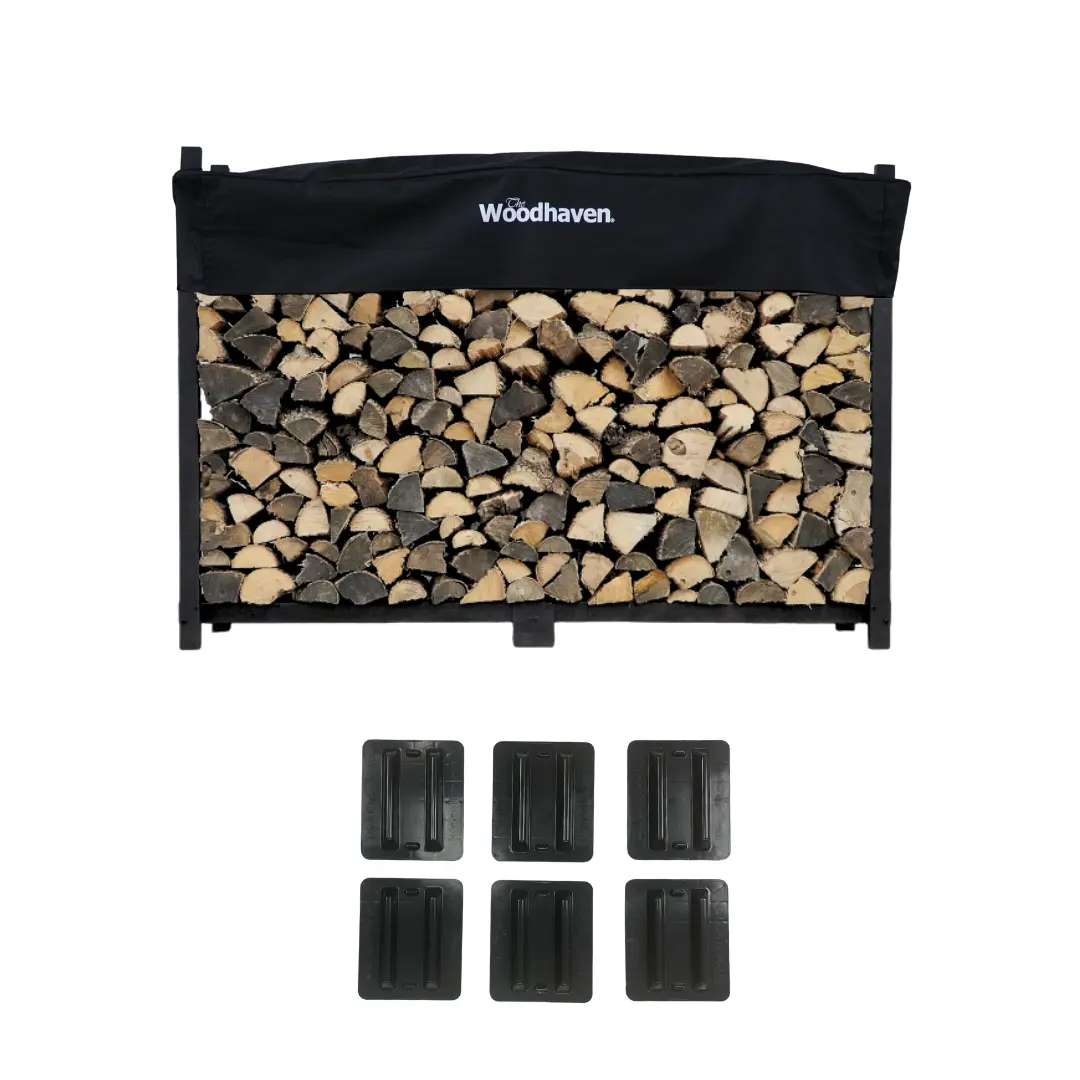
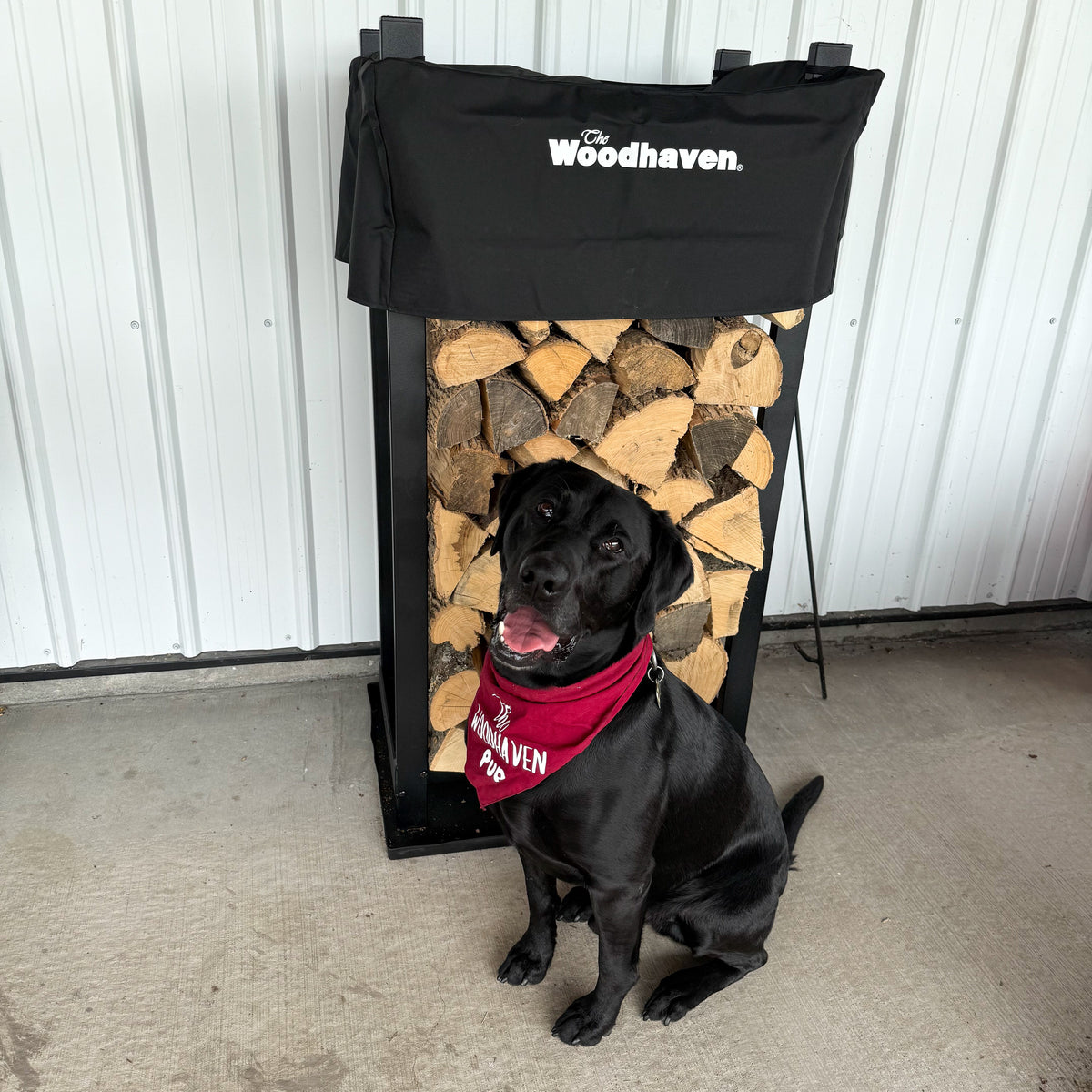
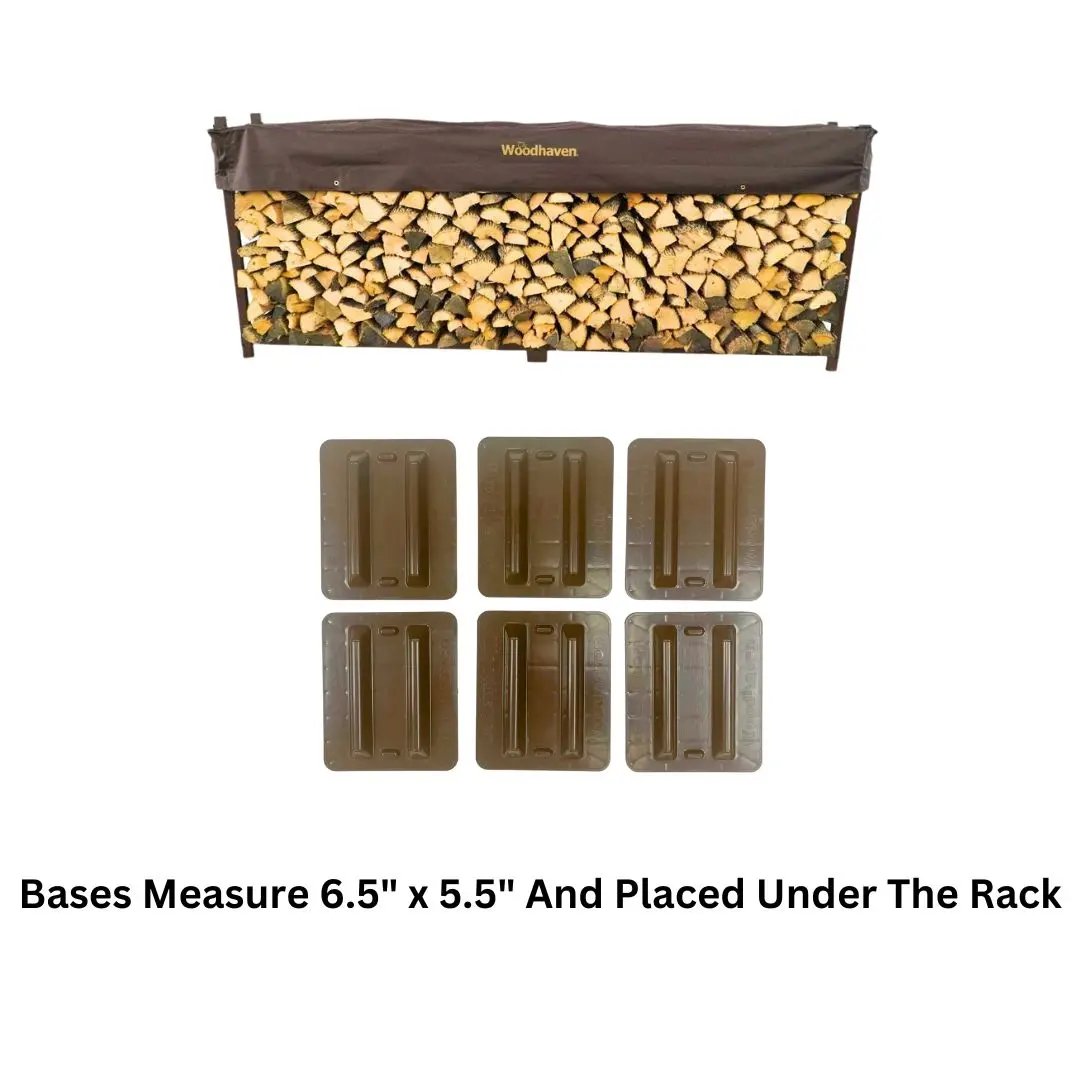
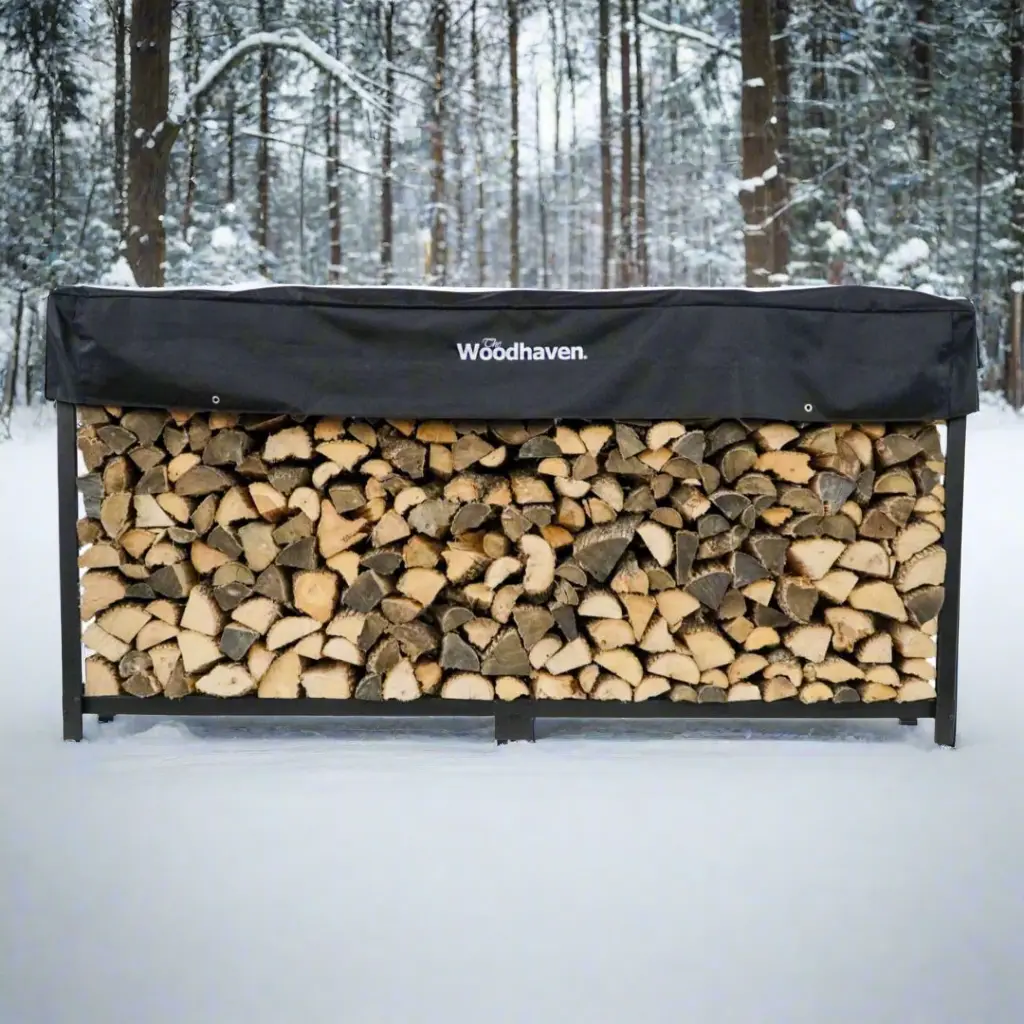
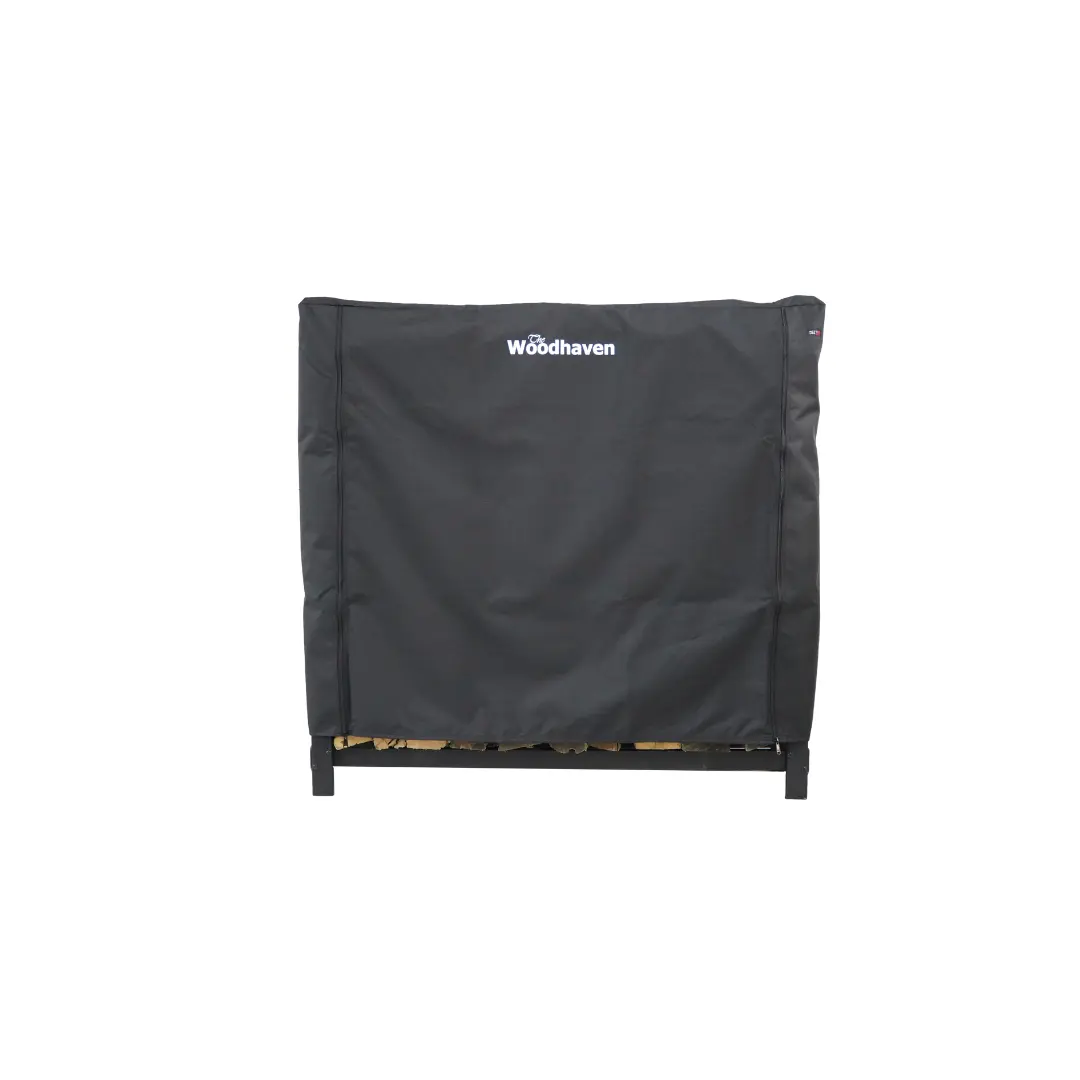
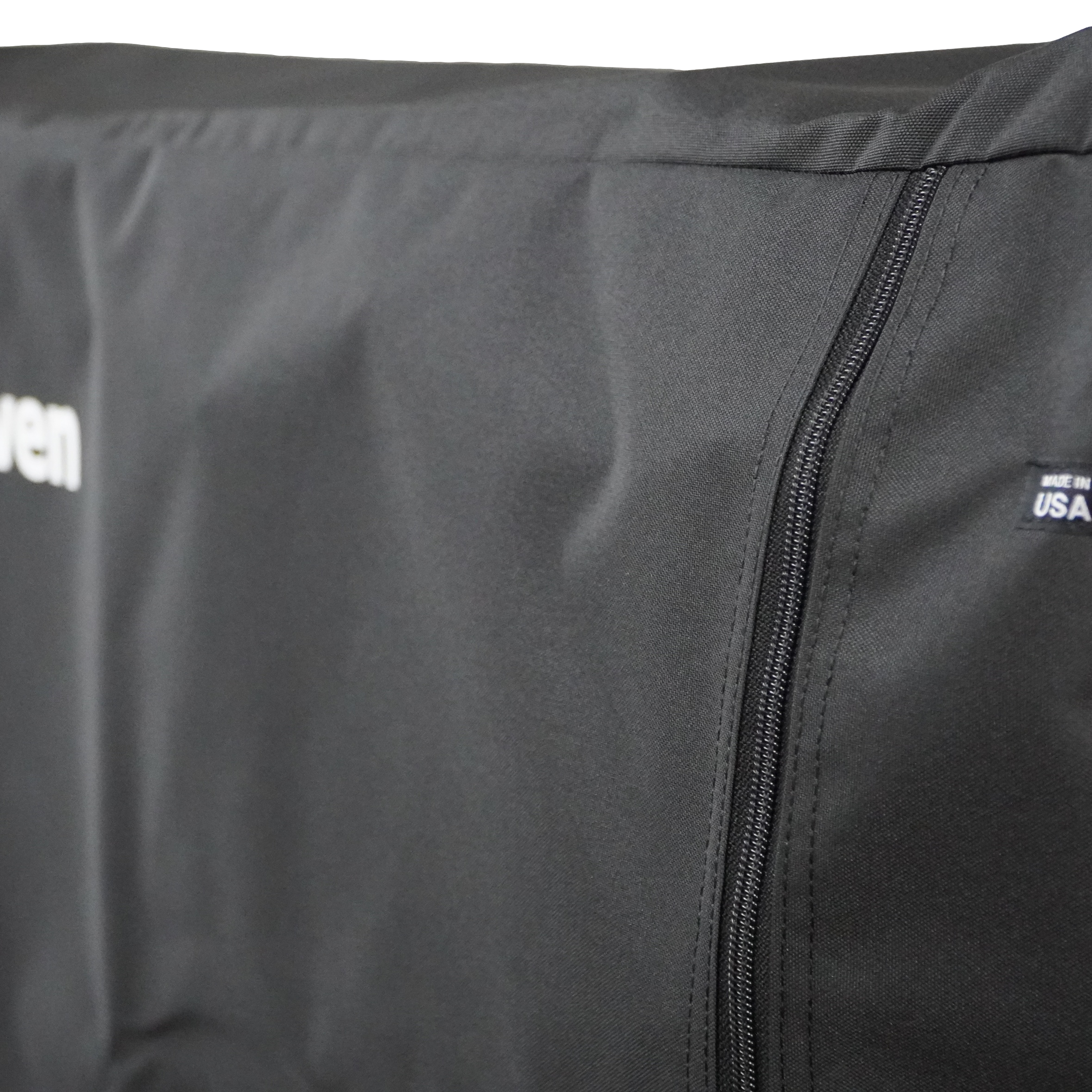
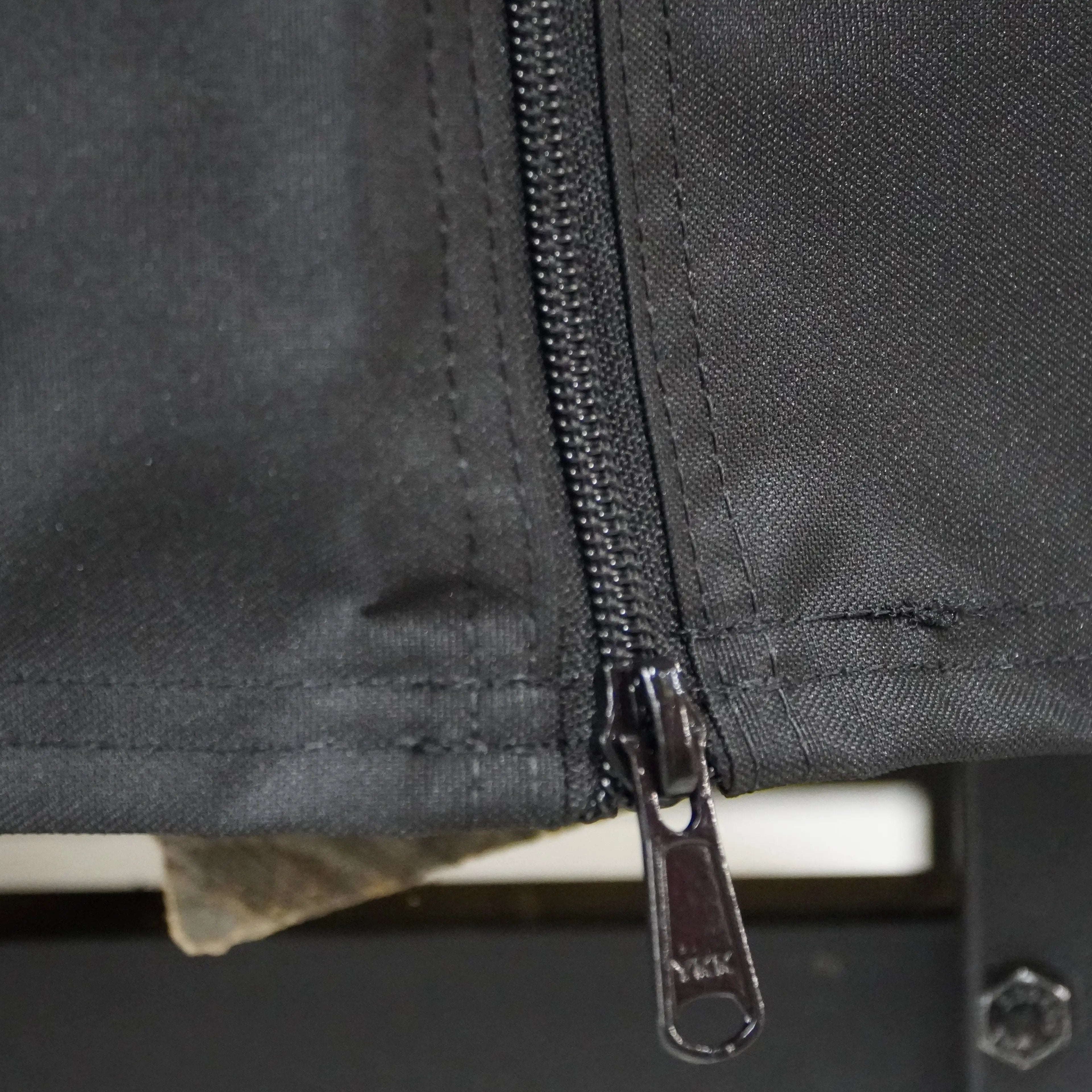
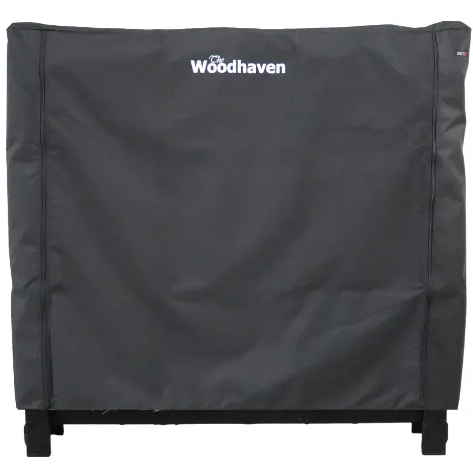
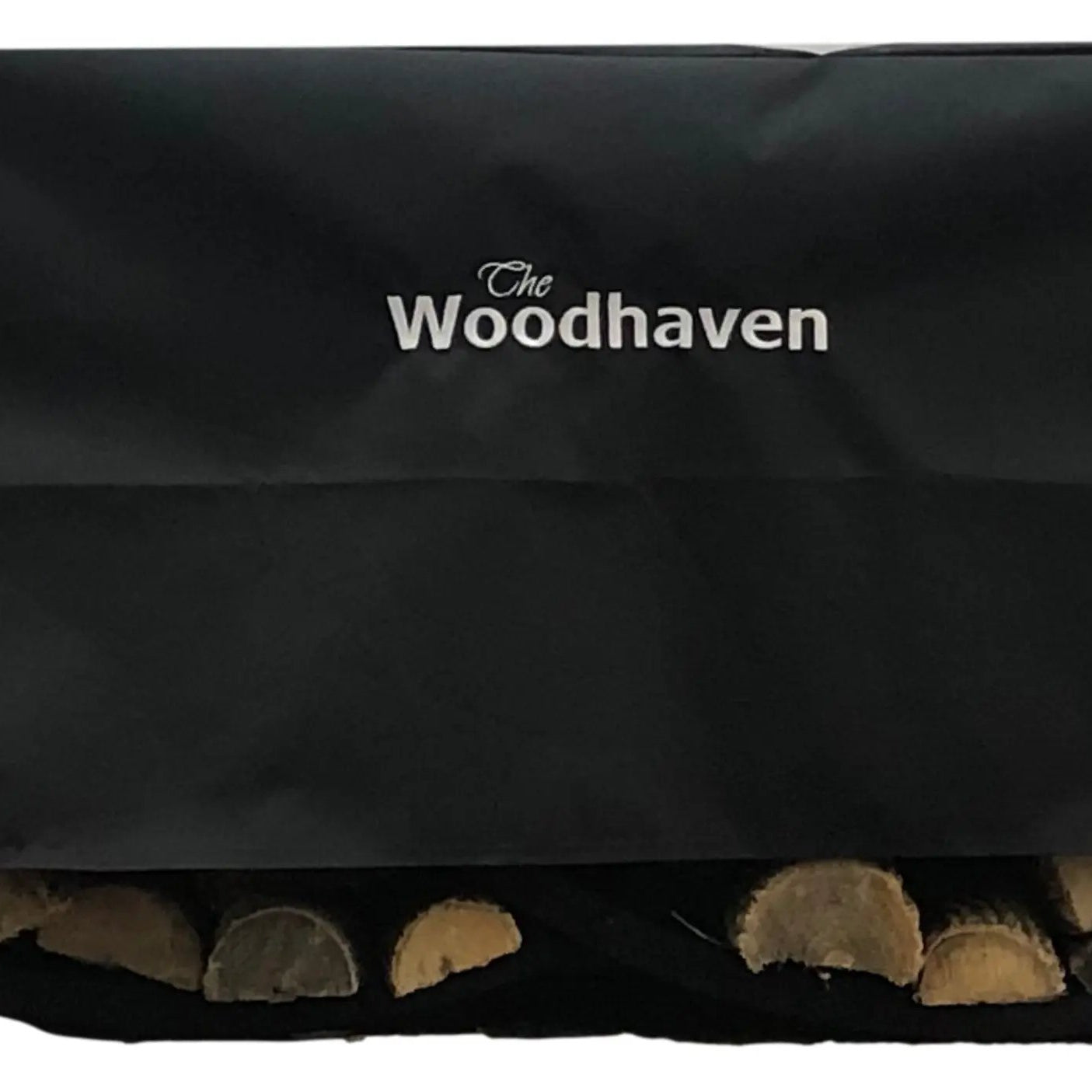
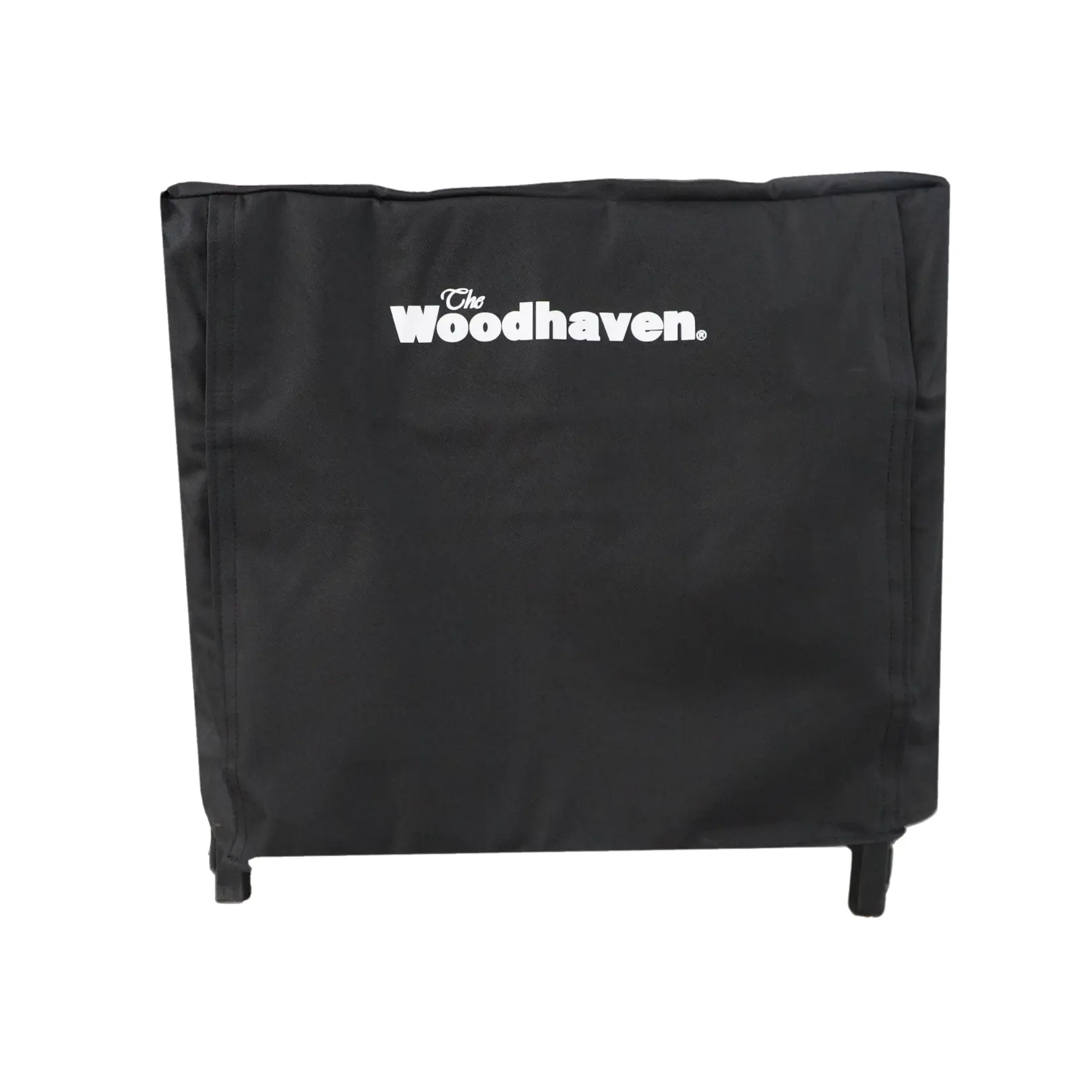
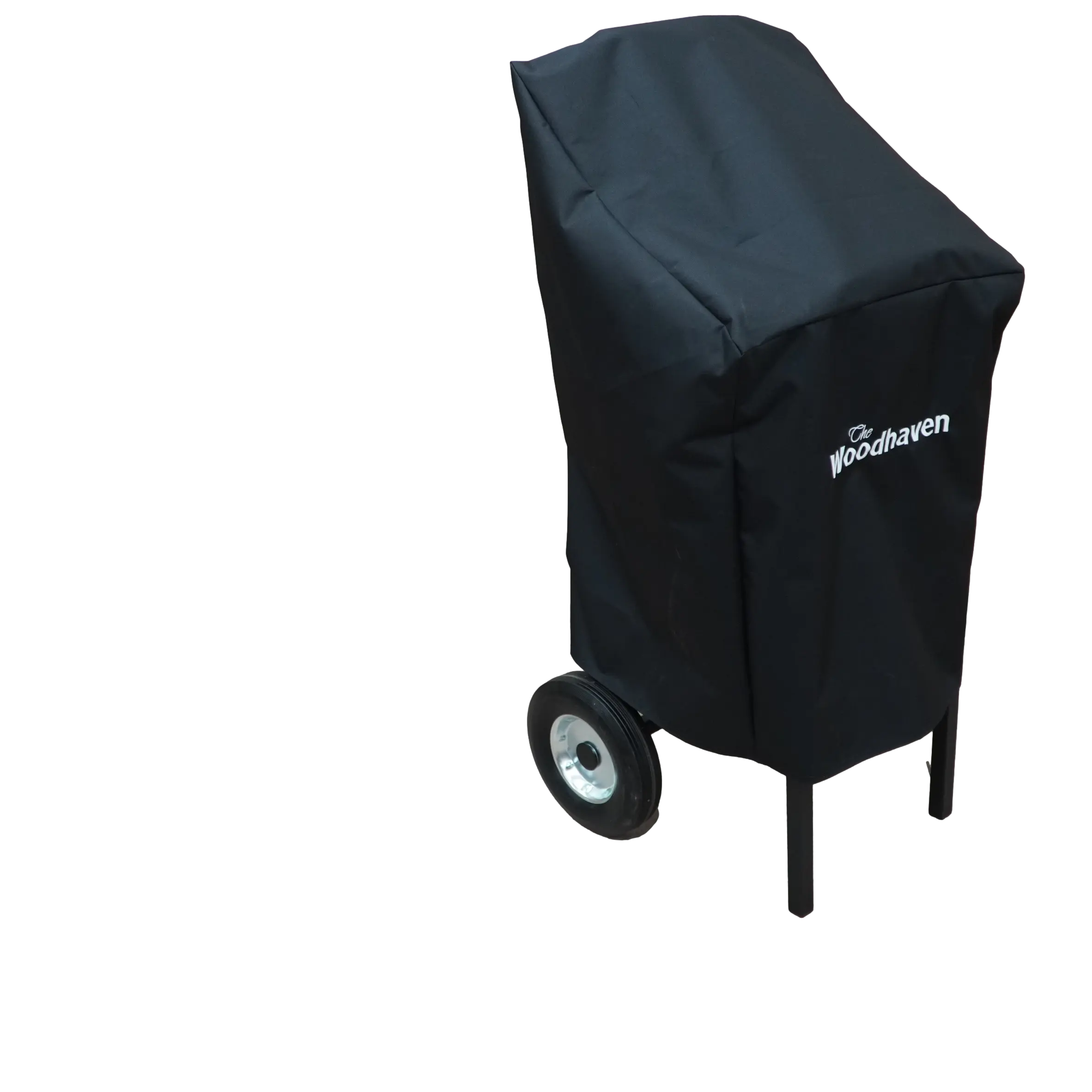
Cover the top and leave the sides open. That's the entire principle. On a rack, that means a cover cut to come partway down, not a bedsheet-sized tarp. On a round pile, it means a cap. Our covers exist because we couldn't find a top cover that stayed put in wind without covering too much; strapping it to the pile solved both.
If you do use a tarp, cover the top third at most and tie it so it can't flap.
The round pile option
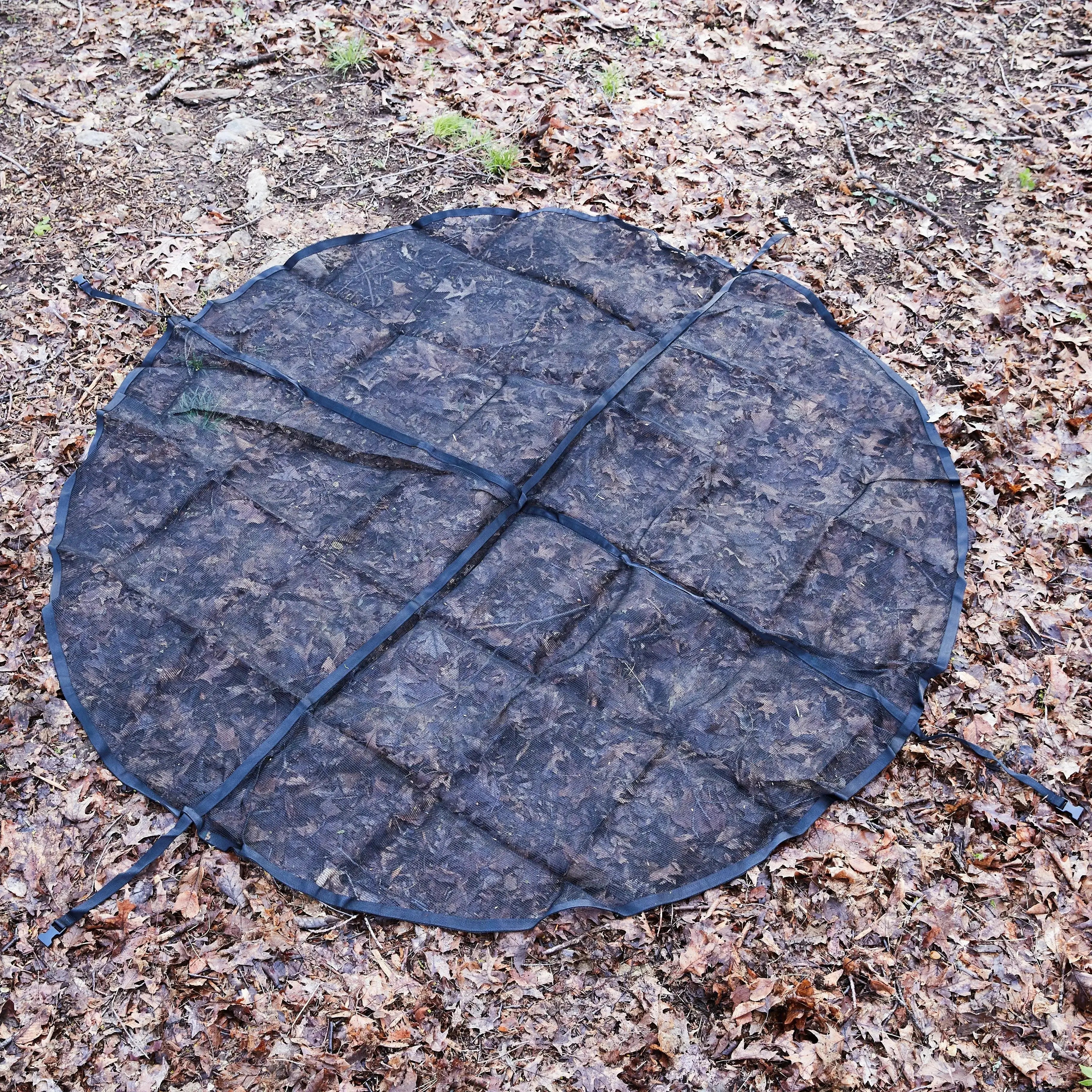
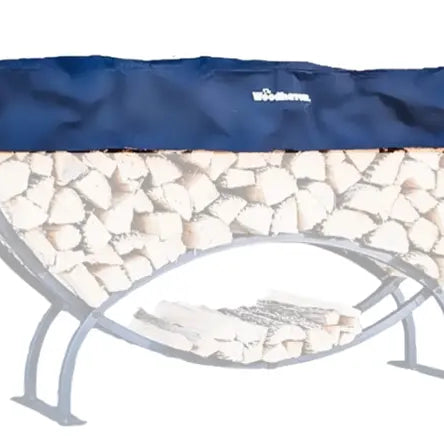
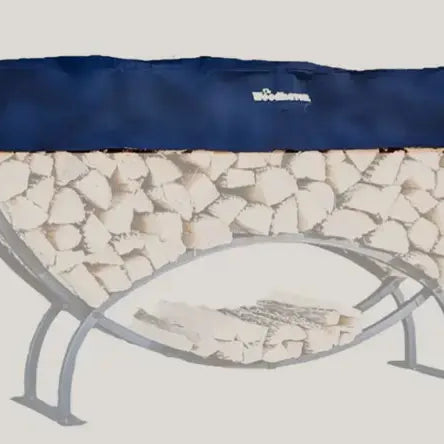
If you're storing a cord or more and hate long walls of wood, look at the Holz Hausen, the German round stack. You build a circle, stack splits with the outside slightly higher so water runs outward, and pile the loose odd pieces in the middle. It holds a lot of wood on a small footprint, it's stable, and the center acts like a chimney that pulls air up through the pile.
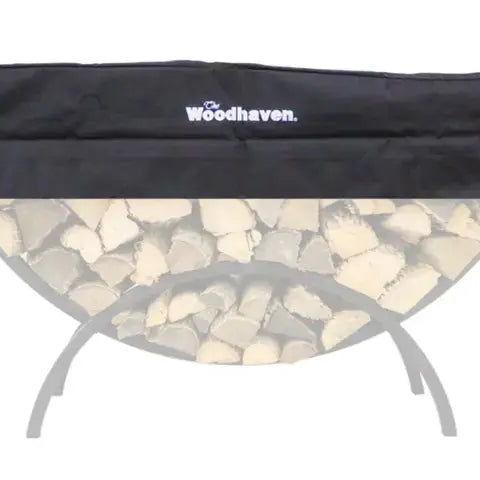
We've written a full build guide, and it's honestly the reason this company exists: we built them, got tired of rigging tops that blew off, and made a fitted cap with straps. One cord fits under the 6-footer stacked five feet high, two under the 8 footer.
How much wood, how close
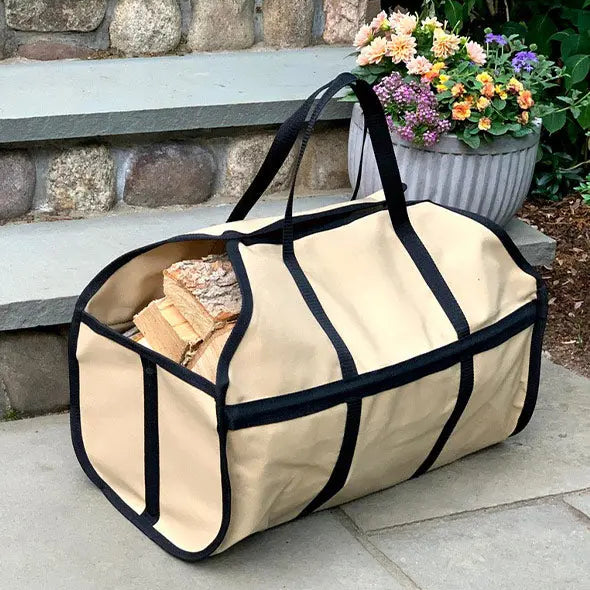
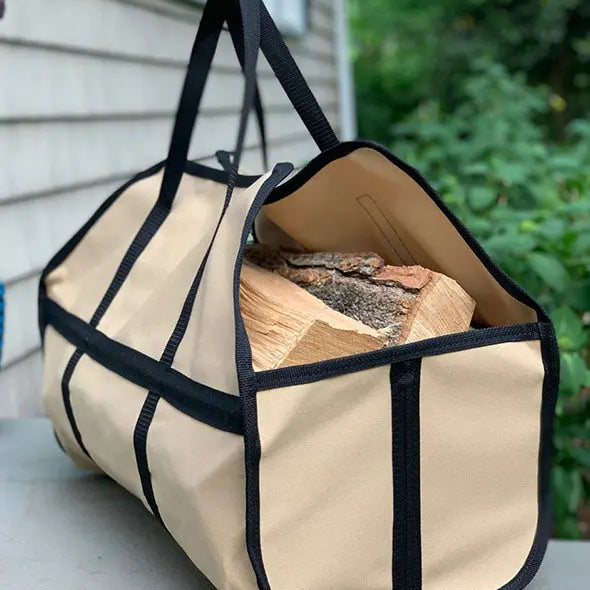
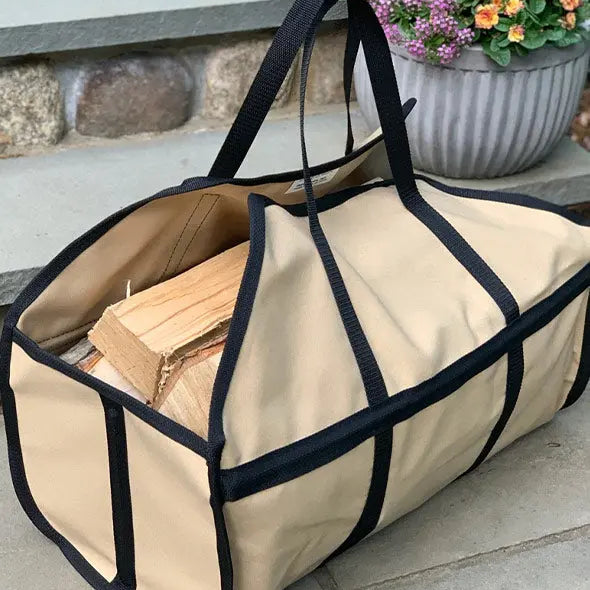
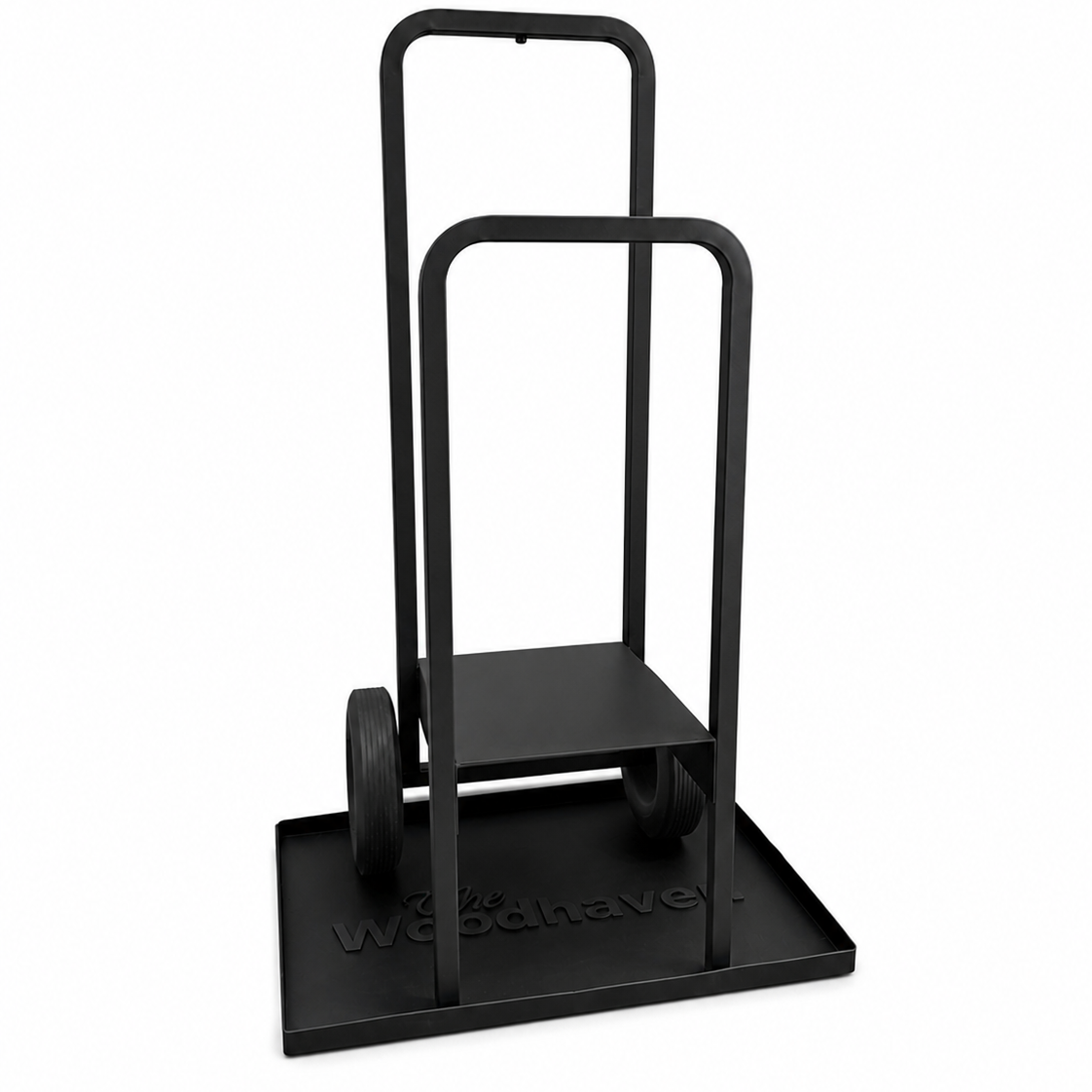
Keep a week or two of wood near the door on a small rack and the rest of the season's supply out where the wind is. The near stack gets refilled from the far stack on decent-weather days. Carrying armloads across the yard in sleet is how firewood people quit burning wood; a carry bag or a wheeled cart moves a day of burning in one trip.
When is it dry enough?
Under 20% moisture is the target for clean burning. A $20 moisture meter settles arguments: split a piece and test the fresh face, not the outside. No meter? Dry wood is gray at the ends, checked with cracks, light for its size, and two pieces knocked together ring instead of thud. Most hardwoods get there in 6 to 12 months stored the way described above. Oak takes longer, sometimes two years, and there's no cheating it.
Give the wind a path and cap the top. Do both and the wood you stack this spring burns hot next fall.